Introduction to Injectable Treatments
Popularity and Acceptance
Minimally invasive cosmetic injectables are among the most common aesthetic procedures sought today. In the United States alone, millions choose treatments like Botox and dermal fillers each year to subtly refresh their appearance. This widespread use reflects a significant cultural shift, where such procedures are increasingly viewed as routine maintenance—similar to professional skincare—rather than as exclusive luxuries. Their convenience, minimal downtime, and proven track record over the past 15 years have cemented their role in mainstream cosmetic care.
A Common First Step
For individuals considering their first professional aesthetic treatment, injectables often serve as an accessible entry point. They offer a way to address early signs of aging, such as fine lines or lost facial volume, without committing to surgery. The process is typically quick, with many treatments completed in under 30 minutes, and requires little to no recovery time. This makes them a practical option for those looking to enhance their natural features with minimal disruption to daily life.
Foundational Knowledge for Safety
This guide aims to equip beginners with essential, factual information. Understanding the basic types of injectables, their mechanisms, and the critical importance of choosing a qualified provider forms the foundation for a safe and satisfying experience. With proper knowledge, individuals can approach consultations with confidence, set realistic expectations, and collaborate effectively with their practitioner to achieve personalized, natural-looking results.
| Key Aspect | Core Insight for Beginners | Why It Matters |
|---|---|---|
| Popularity | Top two minimally invasive procedures in the U.S. | Indicates established safety and social acceptance. |
| First Step | Non-surgical, quick, with minimal downtime | An accessible starting point for aesthetic enhancement. |
| Guide Goal | Provide foundational knowledge on safety and choices | Empowers informed decisions and realistic expectation setting. |
Key Facts: Cosmetic Injectable Treatments for Beginners
- Cosmetic injectables are primarily neuromodulators like Botox to smooth expression lines and dermal fillers like Juvéderm to restore lost volume.
- Expert opinion states 90% of success depends on the skill of the injector, making the choice of a qualified, experienced practitioner critical.
- Results have different timelines: neuromodulators take 3 to 14 days for full effect, while dermal fillers show immediate but swelling-subdued results.
- To minimize bruising and swelling, avoid blood-thinning medications, alcohol before treatment, and strenuous exercise, heat, and rubbing the area afterward.
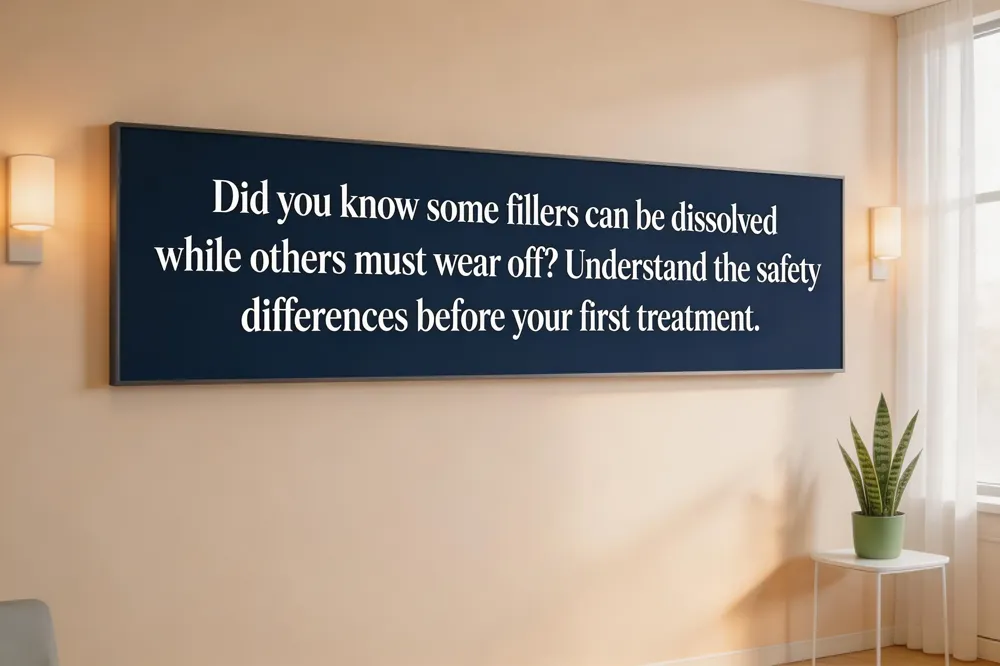
- Hyaluronic acid fillers are reversible with an enzyme, but neuromodulators like Botox are not and must wear off naturally over months.
- The goal of skilled treatment is natural-looking enhancement, not a 'frozen' look, often using conservative doses for subtle, expressive results.
- Injectable treatments are medical procedures requiring a provider with an active medical license and specialized aesthetic training and certification.
- Common side effects like bruising, redness, and swelling are usually mild and temporary, with proper preparation and aftercare minimizing risks.
- Injectable results are temporary, with neuromodulators lasting 3 to 6 months and hyaluronic acid fillers lasting 6 to 18 months, requiring ongoing maintenance.
- A thorough in-person consultation to review medical history and discuss goals is essential for safety and to set realistic expectations.
1. Fact 1: There Are Two Main Types, Each With a Different Purpose
What are cosmetic injectables and what can they treat?
Cosmetic injectables are non-surgical, minimally invasive treatments administered by medical professionals to rejuvenate and enhance facial features. Primarily, they fall into two distinct categories, each with a unique mechanism and purpose for addressing different signs of aging and facial structure concerns.
The first category is neuromodulators, commonly known by brand names such as Botox, Dysport, and Xeomin. These are neurotoxins derived from botulinum toxin type A. They work by temporarily blocking nerve signals to specific facial muscles, preventing them from contracting. This muscle relaxation smooths out the dynamic wrinkles that form from repeated facial expressions, like forehead lines, frown lines (often called '11s'), and crow's feet around the eyes.
The second category is dermal fillers, which are gel-like substances injected beneath the skin to restore lost volume, plump skin, and reshape facial contours. The most common fillers are made from hyaluronic acid, a substance naturally found in the body that helps skin retain moisture. Brands include Juvéderm, Restylane, and Belotero. These products physically add support to address concerns such as thinning lips, sunken cheeks, hollows under the eyes, and deep static lines like smile lines around the mouth.
Because neuromodulators and fillers treat fundamentally different concerns—muscle activity versus volume loss—they are often used in combination. For example, a patient might receive Botox to soften forehead wrinkles and a hyaluronic acid filler to add volume to the cheeks and lips, achieving a more comprehensive, harmonious facial rejuvenation.
| Treatment Category | Key Brand Names | Primary Function | Common Treatment Areas |
|---|---|---|---|
| Neuromodulators | Botox, Dysport, Xeomin | Relax muscles to smooth expression lines | Forehead, frown lines, crow's feet |
| Dermal Fillers | Juvéderm, Restylane, Radiesse | Add volume to restore structure and fill folds | Lips, cheeks, nasolabial folds, under eyes |
| Combination Use | Various products from both categories | Comprehensive facial rejuvenation | Multiple areas for balanced, natural results |
2. Fact 2: The Injector's Skill Is More Important Than the Product

Cite expert opinion that 90% of success depends on the injector, only 10% on the product.
A leading dermatologist, Dr. Whitney Bowe, draws a telling comparison. She states that 90 percent of the success of cosmetic injectable treatments rests on the skill of the person performing them. Only about 10 percent depends on the product used. Think of it like getting a haircut: a master stylist can create a beautiful look with simple shears, while an unskilled person with the most expensive scissors can cause a disaster. The principle is the same for injectables.
Emphasize the critical importance of choosing a qualified, experienced, and skilled practitioner.
This statistic underscores a fundamental truth in aesthetic medicine. Injectable treatments are medical procedures, not simple beauty services. A practitioner's deep knowledge of facial anatomy for safe injectables is non-negotiable for safety and for achieving a natural-looking result. They must understand how to place product precisely to avoid complications and to enhance your unique features. Their expertise directly influences everything from your comfort during the procedure to the longevity of injectable results and subtlety of your results.
Advise beginners on what to look for: board-certification, specific training, experience, and a portfolio.
So, what should a beginner look for? Prioritize providers with formal credentials and specialized training. Ideal injectors are often board-certified dermatologists or plastic surgeons, or registered nurses/nurse practitioners working under their direct supervision. Do not hesitate to ask direct questions:
- What are your specific credentials and experience of the injector?
- How many years of experience do you have performing these treatments?
- May I see realistic photo references and before-and-after photos of your actual patients (not just product brochure images)?
A reputable practitioner will welcome these questions. They should offer a thorough consultation for injectable treatments to discuss your goals, assess your facial structure, and explain their personalized plan.
Warn against choosing based on price alone, as deep discounts can indicate inexperience or unsafe practices.
Extremely low prices are a major red flag of low pricing. While injectables are an investment, a deeply discounted "Botox special" or filler coupon may signal problematic practices. To offer such low prices, a provider might dilute the product, use unapproved or counterfeit substances, or lack the experience that commands a fair market rate. These compromises can lead to poor results, increased risk of complications from injectables, or even serious health issues. Your safety and satisfaction are worth the investment in a qualified provider for filler treatments.
| Qualification to Verify | Why It Matters | Key Question to Ask |
|---|---|---|
| Board Certification | Ensures core medical training & adherence to ethical standards. | Are you a board-certified dermatologist/plastic surgeon? |
| Aesthetic Training | Confirms specific education in injection techniques & anatomy. | What specific training do you have in cosmetic injectables? |
| Years of Experience | More experience often means better technique & complication management. | How long have you been performing these injections? |
| Patient Photo Portfolio | Shows real-world results & aesthetic style alignment. | Can I see before-and-after photos of patients with my concerns? |
| Consultation Process | Indicates personalized care & thorough planning. | Do you require a consultation for injectable treatments before any treatment? |
3. Fact 3: Realistic Timelines: Results Aren't Always Immediate
Clarify the different timelines for seeing results.
It is essential to understand that neuromodulators (like Botox, Dysport, and Xeomin) and dermal fillers work on fundamentally different timelines. If you are considering a combination treatment, this distinction is crucial for setting accurate expectations.
For neuromodulators, full results are not immediate. You may notice some initial smoothing within a few days, but the full effect of the treatment typically takes between 3 and 14 days to fully develop. This period allows the product to properly relax the targeted facial muscles. Dermal fillers, especially those based on hyaluronic acid, often show a noticeable change in volume immediately after the injection. However, this initial look often includes some swelling.
The final, settled appearance of fillers usually emerges after a few days as this normal post-treatment swelling subsides. Therefore, it’s common for practitioners to schedule a follow-up appointment for first-timers at the two-week mark to evaluate the true outcome.
Discuss the typical longevity of treatments.
Results from injectable treatments are impressive but temporary. Their duration varies significantly based on the product type, the area treated, and individual factors like your metabolism. Neuromodulators, such as Botox, typically provide results that last between 3 and 6 months before muscle movement gradually returns.
Hyaluronic acid-based dermal fillers, like those in the Juvéderm and Restylane families, generally offer results lasting from 6 to 18 months. Fillers based on other substances can have different longevity profiles. For example, collagen-stimulating fillers such as Sculptra (poly-L-lactic acid) or Radiesse (calcium hydroxylapatite) can last a year or more, with some effects persisting for up to two years due to ongoing collagen production.
Set expectations for ongoing maintenance.
Because the effects are not permanent, maintaining your desired look requires a commitment to periodic follow-up treatments. This is a standard part of the injectable journey. Planning is key; if you have a special event, it’s wise to schedule neuromodulator treatments at least a month in advance to ensure optimal results are visible.
For dermal fillers, scheduling at least 48 hours before a major occasion is recommended to allow any minor bruising or swelling to resolve. Understanding this cycle helps you plan and budget for the long-term care of your rejuvenated appearance.
| Treatment Category | Time for Full Effect | Typical Result Duration | Key Consideration |
|---|---|---|---|
| Neuromodulators (e.g., Botox) | 3 to 14 days | 3 to 6 months | Plan treatments well before events. |
| Hyaluronic Acid Fillers | Immediate, settles in days | 6 to 18 months | Initial swelling is normal. |
| Collagen-Stimulating Fillers | Develops over weeks/months | 1 to 2+ years | Results improve gradually over time. |
4. Fact 4: Preparation and Aftercare Are Key to Minimizing Side Effects

What should I avoid before getting injectable treatments?
To minimize common side effects like bruising and swelling, it's crucial to prepare. For one to two weeks before your appointment, you should stop taking medications and supplements that thin the blood. This includes common pain relievers like aspirin and ibuprofen, as well as supplements such as vitamin E, ginkgo biloba, garlic, ginseng, and fish oil Injectable prep guide. You should also avoid consuming alcohol for at least 24 to 48 hours prior to treatment, as it can increase dehydration and bruising risk pre-injection precautions to reduce bruising. If you are scheduled for a dermal filler treatment, you should avoid scheduling dental cleanings around the same time, as the bacteria released can increase the risk of infection near the filler site post-injection care and dental cleaning risks.
What should I avoid doing after getting cosmetic injections?
Proper aftercare is just as important as preparation. For the first 24 hours, avoid strenuous exercise and activities that raise your heart rate and blood pressure avoid strenuous exercise after injections. If you received neuromodulator injections (like Botox), do not lie down, bend over, or put your head down for four to six hours afterward. This helps prevent the product from migrating to unintended areas. Do not touch, rub, or massage the treated area for several hours to avoid moving the product or introducing bacteria. Avoid applying makeup immediately after. You should also avoid exposure to high heat (like saunas and hot showers), extensive sun exposure, and other facial treatments for a few days avoiding heat after Botox.
Detailing the Side Effects
Common side effects from cosmetic injectables are generally mild and temporary. These include bruising, redness, swelling, tenderness, itching, and slight pain at the injection sites common side effects of dermal fillers. For neuromodulators, some people may experience a mild headache or temporary flu-like symptoms common side effects of botulinum toxin. These reactions typically subside on their own within a few hours to a few days. Bruising and swelling are more common with dermal fillers, especially in delicate areas like the lips bruising as a common side effect of injectables. It is wise to schedule your appointment at least 48 hours before any major social events to allow for this initial recovery period.
How Following These Steps Helps
Adhering to these pre- and post-treatment guidelines is not just a suggestion; it's a critical component of a safe and effective procedure. Proper preparation reduces the risk of excessive bleeding and significant bruising during the injection process reduce bruising from injectables. Diligent aftercare helps ensure the product settles correctly, minimizes discomfort, and promotes optimal healing post-treatment care for fillers. By following your provider's specific instructions, you actively contribute to achieving the best possible results with the fewest complications.
5. Fact 5: Safety and Reversibility Vary by Treatment Type
Understanding the Medical Nature of Treatments
Injectable cosmetic procedures are not simple beauty treatments; they are medical procedures involving prescription-only medicines. This classification underscores the importance of a thorough, in-person consultation with a qualified healthcare provider before any injection.
A proper consultation for injectable treatments includes a complete review of your medical history and current health to assess suitability. Providers screen for contraindications for cosmetic injectables such as pregnancy, breastfeeding, active infections at the injection site, or known allergies to product components.
The Reversibility of Hyaluronic Acid Fillers
A significant safety feature of many popular dermal fillers is their potential reversibility. Fillers made from hyaluronic acid-based fillers—like Juvéderm, Restylane, and Belotero—can be dissolved if necessary.
This is done using an injectable enzyme called hyaluronidase. It can break down the hyaluronic acid gel, allowing the body to absorb it, typically within 24 hours. This option provides a safety net for correcting overfilling, uneven results, or other adverse effects.
The Non-Reversible Nature of Neuromodulators
In contrast, neuromodulators like Botox and Dysport brands are not reversible. These products work by temporarily relaxing muscles, and their effects will naturally wear off over a period of how long Botox results last three to six months as the body metabolizes the substance.
There is no antidote or enzyme to speed up this process. Because the effects are temporary but cannot be undone mid-cycle, treatment plans must be carefully considered from the start.
Strategic Implications for First-Time Treatments
The difference in reversibility has a direct impact on treatment strategy, especially for beginners. For neuromodulators, it is a standard and prudent practice to start with a conservative amount. This allows you and your provider to see how your muscles and skin respond before considering additional units.
Many practitioners schedule a follow-up appointments for first-timers about two weeks after your initial neuromodulator treatment. This allows for a careful assessment and the possibility of a small, complimentary touch-up to perfect the results, ensuring a natural look.
| Treatment Type | Reversible? | Mechanism | Typical Duration | Key Safety Note |
|---|---|---|---|---|
| Hyaluronic Acid Fillers (e.g., Juvéderm, Restylane) | Yes | Can be dissolved with hyaluronidase enzyme injection. | 6 to 18 months | Reversibility of fillers offers a corrective option for unsatisfactory results. |
| Neuromodulators (e.g., Botox, Dysport) | No | Effects wear off naturally as body metabolizes product. | 3 to 6 months | Conservative first dosing is advised; touch-ups are possible at follow-up. |
| Other Fillers (e.g., Radiesse, Sculptra) | No/Variable | Some are semi-dissolvable; others may require surgical removal. | 1 to 2+ years | Product choice is critical, as not all are easily reversible. |
6. Fact 6: It's About Enhancement, Not a 'Frozen' Look
Debunking the 'Frozen' Face Myth
A prevalent myth suggests that injectable treatments inevitably lead to an unnatural, expressionless appearance. This misconception stems largely from poorly administered procedures. When performed by a skilled and experienced professional, the exact opposite is true. The clinical goal is a subtle, natural-looking enhancement that preserves your ability to express emotions fully—you will simply see fewer accompanying wrinkles.
The Art of Subtle Enhancement
Achieving this natural outcome hinges on the importance of the injector and artistic eye. A qualified practitioner uses precise dosing and strategic placement. They evaluate your unique facial anatomy and muscle dynamics to use the least amount of product necessary. The result is a refreshed appearance where your facial movements remain intact, but the lines caused by repetitive expressions like frowning or squinting are softened.
Preventative Use and Early Intervention
The concept of using injectables preventatively is gaining traction, particularly among patients in their late 20s and 30s. Starting when to start using Botox in your 20s or 30s with small, conservative amounts can help prevent fine lines from becoming deeply etched into the skin over time. This approach aims to slow the formation of static wrinkles, maintaining a smoother complexion for longer and potentially reducing the amount of product needed in the future.
Personalizing Your Reference Point
To guide your injector toward your desired outcome, bringing a personal photo to your consultation for injectable filler goals and cost is highly recommended. Choose a picture of yourself from a time you loved your look, such as in your 20s. This provides realistic photo references for enhancing your natural features. It is far more effective than bringing photos of celebrities, as it focuses on restoring your unique contours and volume.
| Treatment Goal | Professional Approach | Patient Contribution |
|---|---|---|
| Natural-looking results | Conservative dosing & precise placement | Bring realistic photo references |
| Preserving expression | Targeting specific dynamic muscles | Discuss mobility concerns openly |
| Preventative care | Early, minimal intervention in fine lines | Start consultation for injectable treatments early |
| Personalized enhancement | 3D assessment of facial anatomy | Communicate realistic expectations for injectables |
Understanding Injectable Credentials
What are the common credentials required to become an aesthetic injector in the United States?
To become an aesthetic injector in the United States, a foundational requirement is holding an active medical license. This includes roles such as a registered nurse (RN), nurse practitioner (NP), physician assistant (PA), or physician (MD/DO). These licenses establish the legal and clinical foundation necessary to perform medical procedures, including administering injectables.
Once licensed, practitioners must undergo specialized, accredited training in aesthetic injectable procedures. This training covers critical topics like facial anatomy for safe injectables, injection techniques for neurotoxins and dermal fillers, managing complications, and patient assessment. Many programs are offered through accredited institutions or recognized aesthetic medicine organizations to ensure standardized education.
After initial training, many injectors pursue additional certification from professional bodies, such as the American Academy of Aesthetic Medicine or similar organizations. Certification often involves passing exams and demonstrating practical competency, signaling advanced expertise to patients and peers.
Ongoing education is a cornerstone of professional practice in this field. Technology, products, and safety protocols evolve rapidly. Dedicated injectors regularly attend workshops, conferences, and advanced training sessions to refine their skills and stay updated on the latest advancements, ensuring they can provide safe, effective, and personalized Botox treatment plans.
| Professional Pathway | Foundational License | Specialized Training Required | Common Certification & Ongoing Education |
|---|---|---|---|
| Registered Nurse (RN) | State RN License | Accredited injectables course | Aesthetic nursing certs; annual workshops |
| Nurse Practitioner (NP) | State NP License & DEA number | Advanced procedural training | Board cert in aesthetics; conference attendance |
| Physician Assistant (PA) | State PA License & DEA number | Hands-on injection technique training | CME in cosmetic procedures; peer reviews |
| Physician (MD/DO) | State Medical License & DEA number | Fellowship or dedicated aesthetic training | Board certification; research and teaching |
Medical Injection Types (Context for Beginners)
A Spectrum of Delivery Methods
Medical injections are a fundamental part of healthcare, delivering medications or substances directly into the body. This direct approach ensures faster action, precise dosing, and targeted treatment compared to oral medications. There are several standard routes of administration, each suited for different therapeutic goals.
Primary Injection Types
Common medical injection types include:
- Intravenous (IV): Directly into a vein, allowing for immediate, systemic effects. This is often used for fluids, antibiotics, or anesthesia.
- Intramuscular (IM): Into a muscle layer, which provides a slower release of medication into the bloodstream. Vaccines and some hormonal treatments use this method.
- Subcutaneous (SubQ): Into the fatty tissue just under the skin. This method allows for a slow, sustained absorption. Insulin and some fertility drugs are administered this way.
- Intradermal (ID): Into the uppermost layer of the skin itself. This shallow technique is often used for allergy testing or tuberculosis screening.
Cosmetic Injectable Placement
Cosmetic injectables, such as neuromodulators (e.g., Botox) and dermal fillers, are a specialized application within this medical framework. They are administered by skilled practitioners using very fine needles or micro-cannulas. The placement is highly precise, targeting specific subcutaneous or intradermal layers to relax underlying facial muscles or add volume to soft tissues for aesthetic enhancement.
| Injection Type | Common Medical Use | Depth of Delivery | Cosmetic Application |
|---|---|---|---|
| Intravenous (IV) | Fluids, emergency meds | Into a vein | Not typically used for cosmetics |
| Intramuscular (IM) | Vaccines, antibiotics | Deep into muscle | Not typically used for cosmetics |
| Subcutaneous (SubQ) | Insulin, hormones | Fatty tissue under skin | Some filler placement for volume |
| Intradermal (ID) | Allergy tests, TB tests | Top layer of skin | Precision wrinkle treatments |
Choosing the Right Filler for Your Chin
What is a good hyaluronic acid filler option for chin enhancement?
Selecting the appropriate hyaluronic acid filler for chin enhancement is a precise process. The right product provides both structural support and a natural contour. For this area, providers often recommend fillers specifically designed for deep tissue placement and lifting.
Excellent options include Restylane Defyne and Restylane Lyft. Restylane Defyne is engineered for deep structural contouring, providing durable support while allowing for natural facial movement. Restylane Lyft is formulated to add significant volume and lift, making it ideal for enhancing the chin and jawline profile.
These products differ in their particle size and gel consistency, which determines their ideal application. The final choice must be made in consultation with a skilled provider who can assess your individual facial anatomy, skin quality, and aesthetic goals.
Providers may also layer different products for optimal results. A thorough consultation is non-negotiable to ensure the selected filler achieves your desired look safely and effectively.
| Filler Name | Primary Use | Key Characteristic |
|---|---|---|
| Restylane Defyne | Deep contouring & chin definition | Allows natural movement; good for structure |
| Restylane Lyft | Volume addition & jawline lift | Provides lift; adds projection |
Your Next Step: An Informed Consultation
Foundational Knowledge for Your Journey
You have just learned that injectable treatments are powerful, popular tools for facial rejuvenation. From neurotoxins like Botox to a wide variety of dermal fillers, these minimally invasive procedures can subtly smooth wrinkles, restore lost volume, and enhance your natural features. While the results are often impressive, the true success of your experience hinges on an informed and cautious approach.
The Single Most Important Decision
Your next step is perhaps the most critical one: selecting a qualified, experienced medical professional. As the evidence clearly shows, up to 90% of a successful outcome depends on the skill of the injector, not just the product in the syringe. This person should be a board-certified dermatologist, plastic surgeon, or a highly trained nurse practitioner working under proper supervision. Their expertise in facial anatomy is your primary safeguard against complications and the key to achieving natural-looking results.
Preparing for a Productive Discussion
Think of the information you've gathered not as an endpoint, but as a foundation. A knowledgeable patient can have a much more productive consultation. Your new understanding allows you to ask the right questions, set realistic expectations, and collaborate effectively with your chosen provider to create a personalized treatment plan. This proactive approach transforms you from a passive recipient into an active partner in your aesthetic care.
Essential Questions for Your Provider
Here is a short list of key topics to discuss during your first appointment. These questions will help you evaluate a provider's qualifications and tailor the treatment to your specific goals.
| What to Ask | Why It Matters | Examples & Notes |
|---|---|---|
| Credentials & Experience | Verifies training, licensing, and hands-on skill. | How long have you performed injectables? May I see your portfolio of actual patient results (not stock photos)? |
| Product Selection | Ensures the right tool is chosen for your concern. | Which specific product do you recommend for me, and why? Do you use FDA-approved products from a reliable source? |
| Safety Protocols | Confirms preparedness for managing side effects or rare complications. | What is your protocol for managing bruising or swelling? Do you have hyaluronidase on hand to dissolve hyaluronic acid filler if needed? |
| Treatment Plan & Cost | Creates clear expectations for results, maintenance, and investment. | What is the total cost for my recommended treatment? Do you offer a follow-up appointment for assessment or minor touch-ups? |
| Pre- and Post-Care | Minimizes side effects and optimizes your final result. | What should I avoid (medications, supplements, activities) before and after my appointment? What is the typical recovery timeline? |
Taking a Confident First Step
Embarking on this journey is about making a confident, educated choice for yourself. You now have the essential knowledge to navigate the world of cosmetic injectables with awareness. Use this information to seek out a trusted professional with whom you feel comfortable. Schedule that consultation, voice your goals, and ask your questions. By taking this informed step, you are not just seeking an enhancement—you are investing in a safe, personalized, and empowering experience that celebrates your individual beauty. Your path to a refreshed, natural-looking you begins with this empowered decision.