Introduction to Advanced Laser Treatments for Skin Imperfections
Overview of Laser Treatments for Scars and Pigmentation
Laser treatments for skin imperfections use precise wavelengths of light to target various concerns such as scars, uneven pigmentation, age spots, and skin texture irregularities. Ablative lasers like CO2 and Erbium vaporize damaged outer skin layers, promoting collagen growth and smoother skin. Non-ablative lasers gently heat the skin to stimulate rejuvenation with minimal downtime. Fractional laser technology offers targeted treatment by delivering energy in narrow columns, preserving surrounding healthy tissue and enabling faster healing.
Benefits of Laser Therapies in Skin Rejuvenation
Laser resurfacing effectively reduces wrinkles, acne and burn scars, sun damage, discoloration, and skin laxity. The stimulation of new collagen enhances firmness and texture, promoting youthful skin appearance. Treatments can be customized for depth and intensity based on individual skin concerns, resulting in visible improvements that continue to develop over months. The recovery is manageable, with some procedures requiring local anesthesia and outpatient care. Long-term results often last several years with appropriate maintenance and sun protection.
Suitability for Various Skin Issues
Candidates for laser skin treatments include individuals with fine lines, wrinkles, acne scars, hyperpigmentation, melasma, sun-damaged skin, and enlarged pores. Specific lasers are chosen based on skin type and the severity of the condition; for example, Erbium lasers are preferred for darker skin tones due to a lower risk of pigmentation changes, while CO2 lasers are more effective for deeper damage. Pre-treatment evaluation ensures safe administration, with preparation addressing medication, sun exposure, and potential infection risks. Overall, laser therapies offer tailored, science-backed solutions for a wide spectrum of skin imperfections.
Types of Laser Technologies for Scar and Pigmentation Correction
CO2 and Erbium Lasers and Their Applications
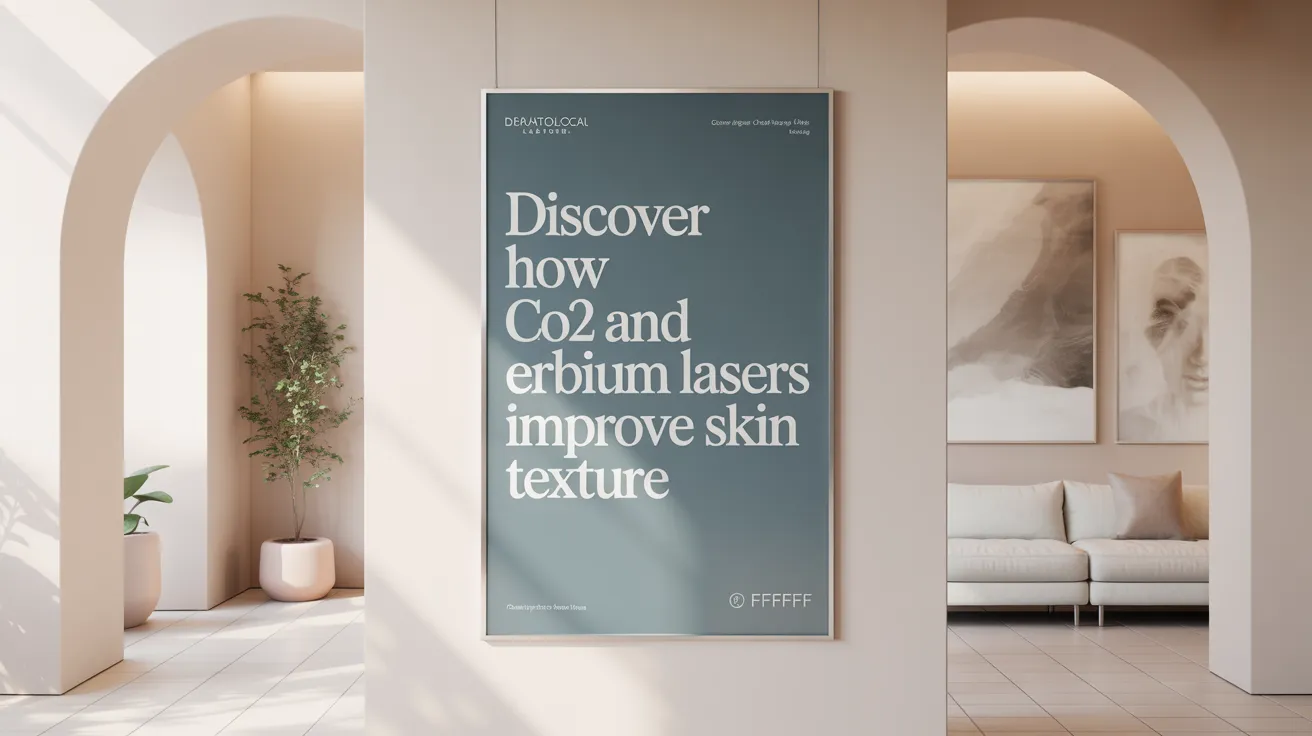
CO2 and Erbium lasers are mainstays in laser skin resurfacing with distinct applications. CO2 lasers vaporize the skin’s outer layers and are highly effective for deep wrinkles, scars, and pigmentation irregularities, with a longer recovery time of up to two weeks. Erbium lasers target more superficial layers, offering a shorter healing period of about one week and are suitable for treating fine lines and moderate wrinkles, especially in darker skin tones where they reduce hypopigmentation risks.
Fractional Laser Technology Benefits and Differences
Fractional lasers, such as Fractionated CO2 laser, deliver energy in narrow columns, treating only fractions of the skin at once. This approach accelerates healing by leaving surrounding tissue intact, resulting in less downtime and reduced side effects compared to traditional lasers. Fractional lasers stimulate collagen production effectively and are versatile in addressing acne scars, pigmentation, and skin tightening, with recovery typically around one week.
Non-Ablative Lasers and IPL Options for Pigmentation
Non-ablative lasers, including Nd:YAG laser treatments, Pulsed Dye laser therapy, and Intense Pulsed Light (IPL), offer gentler treatments by heating skin layers without damaging the surface. These options are used for mild pigmentation, redness, and early aging signs, with minimal downtime. IPL is especially popular for pigment correction, targeting melanin to lighten hyperpigmentation and melasma through multiple sessions.
What advanced dermatological and cosmetic treatments are available for skin rejuvenation?
Advanced treatments include laser skin resurfacing including CO2 and Erbium laser resurfacing alongside fractional laser therapies and IPL. All stimulate collagen regeneration to smooth wrinkles, reduce scars, and even skin tone, providing significant improvements with tailored recovery times and safety profiles.
How Fractional Laser Resurfacing Enhances Healing and Minimizes Downtime
How Fractional Laser Resurfacing Enhances Healing and Minimizes Downtime
Fractional laser resurfacing works by targeting very narrow columns of skin with laser energy, leaving the surrounding tissue untouched. This precise mechanism allows the laser to vaporize tiny skin columns, stimulating the body's natural healing process and promoting collagen and elastin production. Unlike full-field lasers that treat the entire skin surface, fractional lasers treat only a fraction of the skin at a time.
The main benefit of this targeted approach is reduced injury to the surrounding skin, which minimizes discomfort and lowers the risk of complications during healing. Because much of the untreated skin remains intact, it serves as a reservoir to accelerate recovery. This leads to less swelling, redness, and peeling compared to traditional laser resurfacing methods.
Patients typically experience a recovery time of about one week following fractional CO2 laser treatment. Initial redness and sensitivity are common, but most people notice significant improvement in texture and tone within days, with continued skin tightening and lightening over several months. The fractional laser's ability to precisely balance effective skin renewal with a gentler healing process makes it an ideal choice for those seeking improvements in wrinkles, scars, and pigmentation without extended downtime.
Clinical Preparation and Post-Treatment Care for Optimal Laser Results

What Are Important Pre-Treatment Considerations?
Preparing for laser skin resurfacing involves several crucial steps to ensure safety and effectiveness. Patients are advised to avoid sun exposure and tanning for at least two weeks prior to the procedure. This helps reduce the risk of pigmentation changes and promotes even healing. It's also important to stop certain photosensitive medications as directed by the dermatologist to minimize complications. Individuals with a history of herpes simplex or bacterial infections may be prescribed antiviral or antibiotic medications to prevent flare-ups during healing.
How Do Topical Retinoids and Antiviral Prophylaxis Help?
Topical retinoids are often recommended in the weeks leading up to treatment to enhance skin turnover and improve laser resurfacing outcomes. These agents prepare the skin for resurfacing by promoting epidermal regeneration. Antiviral prophylaxis is critical for patients with prior herpes infections, as laser procedures can trigger herpes simplex virus reactivation. Timely administration of antiviral medications helps prevent cold sore outbreaks and reduces postoperative risks.
What Post-Procedure Skincare Practices Are Recommended?
Following laser resurfacing, maintaining a moist healing environment is essential. Patients should apply ointments such as Vaseline or Aquaphor regularly to prevent dryness and irritation. Gentle cleansing routines should be adopted to avoid disrupting the delicate new skin layers. Strict sun protection using high SPF sunscreens and physical barriers is mandatory to protect against UV-induced damage and hyperpigmentation during the sensitive recovery phase. Refer to post-treatment care for laser resurfacing guidelines for detailed instructions.
How Are Common Side Effects Managed?
Redness, swelling, and peeling are expected after laser skin resurfacing and can last from several days up to a few months depending on treatment depth. To manage these symptoms, patients should avoid irritating skincare products and any activities that could exacerbate inflammation. Use of soothing ointments and cold compresses may provide relief. Continuous follow-up with the treating provider ensures side effects are monitored, and any complications such as infection or pigmentation changes are addressed promptly. For comprehensive insights, see laser resurfacing side effects.
Addressing Scars with Laser Therapy: From Acne to Surgical Scars
What Types of Scars Can Be Treated with Laser Technology?
Laser treatments effectively address a range of scars including acne scars, surgical scars, burn scars, and other forms such as keloids or hypertrophic scars. These scars vary in texture and pigmentation, and Scar treatment options offers options tailored to each type. For instance, CO2 fractional laser treatment for acne scars target skin columns to enhance healing and collagen production, improving both surface irregularities and coloration.
How Does Collagen Stimulation Improve Scar Texture and Appearance?
Lasers work by vaporizing damaged skin layers and stimulating the body's natural collagen and elastin production. This process remodels scar tissue, making scars softer, flatter, and less visible. Increased collagen tightens the skin and promotes smoother texture, aiding in the reduction of depressed or raised scars, as explained in Scar healing process and laser treatments.
How Are Pulsed Dye and Fractional Lasers Used in Scar and Pigmentation Correction?
Pulsed Dye laser therapy (at 595 nm) is particularly effective for vascular scars and redness, while Fractional laser resurfacing delivers targeted energy to tiny skin areas, minimizing damage to surrounding tissue. Fractional lasers address pigmentation issues and improve skin elasticity simultaneously. These combined effects lighten discoloration and restore healthier skin tone.
What Is the Role of Comprehensive Scar Treatment Plans?
Personalized scar management includes laser therapy alongside wound care, topical treatments, and sometimes injections or surgery. Clinics like those in Troy, Michigan, develop individualized plans, considering scar type, skin tone, and patient goals. These multidisciplinary approaches optimize aesthetic and functional outcomes, ensuring safer, longer-lasting improvements.
| Scar Type | Laser Modality | Treatment Effect |
|---|---|---|
| Acne Scars | Fractional CO2 Laser | Texture smoothing, pigment evening |
| Surgical Scars | Pulsed Dye Laser | Redness reduction, collagen repair |
| Keloids | Combination Therapy | Tissue remodeling, size reduction |
| Burn Scars | Erbium laser resurfacing and Fractional laser resurfacing | Collagen stimulation, pigment correction |
Targeting Hyperpigmentation and Melasma with Precision Lasers
How Are Lasers Selected Based on Pigmentation Depth and Skin Type?
Selecting the appropriate laser treatment depends on the depth of pigmentation and individual skin type. Fractional laser for skin, Q-switched lasers for pigment removal, Picosecond laser benefits, CO2 laser treatment, and IPL therapy for hyperpigmentation are chosen to specifically address superficial or deeper pigment layers. For example, Fractional and CO2 laser pricing effectively treat deeper pigmentation, whereas IPL is better suited for more superficial discoloration.
What Is the Mechanism by Which Lasers Target Melanin?
Lasers work by emitting specific wavelengths of light absorbed selectively by melanin, the pigment causing hyperpigmentation and melasma. This absorption breaks down excess pigment particles, which are then naturally eliminated by the body. Laser treatments for hyperpigmentation also stimulate collagen production, improving skin texture and firmness alongside pigment reduction.
What Does the Treatment Regimen Involve?
Treatment typically requires multiple sessions spaced several weeks apart to achieve optimal results. Maintenance treatments may be needed periodically to sustain improvements given the chronic nature of melasma and pigmentation issues. Post-laser treatment care includes strict sun protection to prevent pigment resurgence and ensure lasting outcomes.
Are There Adjunctive Therapies Used Alongside Laser Treatments?
Besides lasers, adjunctive therapies such as Chemical peels Troy, topical depigmenting agents, and Microneedling therapy Troy can enhance pigment correction. Dermatologists often customize combined approaches based on patient history and treatment goals to maximize efficacy and minimize side effects.
Innovative Laser Systems Offered at Troy, Michigan Medical Aesthetic Clinics
Overview of advanced laser treatments including Moxi® laser technology, Halo®, ProFractional®
Troy, Michigan medical aesthetic clinics provide a wide range of cutting-edge Laser skin treatments in Troy Michigan tailored for effective laser skin resurfacing. Among these, Moxi® is favored for beginners due to its non-ablative nature, suitability for all skin tones, and minimal downtime. Halo® offers a Halo hybrid fractional laser technology with dual wavelengths, designed for comprehensive skin improvement, while ProFractional® allows customizable laser depths to address aging signs and scars with results lasting 3 to 5 years.
Treatment personalization by skin type and condition
Personalized treatment plans are a priority in Troy's clinics, where providers assess skin type, medical history, and individual goals. This ensures patients receive the most appropriate laser therapy, whether targeting laser treatment for acne scars, pigmentation irregularities, sun damage laser treatment, or fine lines. The clinics emphasize safety and efficacy by selecting specific lasers and adjusting treatment depths to match the patient’s skin characteristics and concerns.
Availability of non-invasive skin tightening and scar reduction options
In addition to ablative and fractional laser skin resurfacing, Troy clinics offer non-invasive treatments such as SkinTyte non-surgical skin tightening for early skin laxity and jowling. These options stimulate collagen stimulation and tighten the skin with minimal discomfort. Laser therapies at these clinics also effectively reduce scars, including acne and burn scars, by promoting collagen remodeling and improving scar appearance and skin texture.
What advanced dermatological and cosmetic treatments are available for skin rejuvenation?
Local clinics offer innovative lasers such as Moxi®, Halo®, and ProFractional® that cater to a variety of skin tones and conditions, providing options for scar improvement, Pigmentation correction treatments, and Skin tightening with minimal downtime. Each treatment plan is tailored for optimal results, enhancing laser skin resurfacing benefits and skin health and appearance safely and efficiently.
Ensuring Safety and Managing Risks in Laser Resurfacing Procedures
What are the common risks associated with laser resurfacing?
Laser skin resurfacing, while effective for improving wrinkles, scars, and pigmentation, carries potential risks such as hyperpigmentation (darkening of the skin), hypopigmentation (lightening of the skin), milia (small white bumps), infection, swelling, cold sore reactivation, and rarely, scarring. These risks require careful management to minimize complications. For more details, see Risks of laser skin resurfacing.
How does patient selection influence safety?
Proper candidates for laser resurfacing should avoid recent tanning, photosensitive medications, and have controlled or no active skin infections. Those with histories of herpes or bacterial infections may need antiviral or antibiotic prophylaxis. Additionally, considerations for skin type, scar visibility, and pigmentation tendencies help tailor treatment choice, reducing adverse outcomes. Learn more about candidates for laser resurfacing.
Why are experienced medical providers essential?
Board-certified dermatologists and trained medical professionals provide expertise in assessing suitability, administering treatments, and managing aftercare. The Cleveland Clinic scar treatments and dermatology care at Cleveland Clinic along with clinics in Troy emphasize specialized dermatology care to ensure safe, effective procedures and personalized follow-up, including guidance on wound care, sun protection, and managing side effects. Additionally, providers like those at Skin Clique Dermatological Treatments in Troy and Revitalize Medical Spa Troy MI offer advanced cosmetic treatments and professional dermatological aesthetic services.
What role does local anesthesia and outpatient setting play?
Laser skin resurfacing is typically performed under local anesthesia to improve patient comfort while maintaining safety during outpatient visits. This approach minimizes risks associated with general anesthesia and hospital stays, offering patients quicker recovery and ease of access to professional care with a controlled environment for monitoring. Facilities such as those described in Laser skin resurfacing at StarkMD and Henry Ford Center for Cosmetic Surgery laser treatments emphasize safe and effective outpatient procedures.
Through thorough preparation for laser skin treatment, individual assessment, and expert care, laser resurfacing treatments in Troy, Michigan and similar facilities can deliver rejuvenated skin with minimized risks, aligning patient safety with advanced aesthetic outcomes.
Integration of Laser Treatments Within Comprehensive Dermatological and Cosmetic Care
Combining Laser Therapies with Chemical Peels and Microneedling
Laser skin resurfacing effectively addresses wrinkles, scars, and pigmentation concerns by stimulating collagen and renewing skin layers. When combined with Chemical peels for pigmentation correction—such as glycolic or TCA peels—and Microneedling as adjunct therapy, patients experience enhanced skin texture and tone improvements. These complementary procedures facilitate deeper skin rejuvenation by promoting cellular turnover and collagen remodeling, making the skin more receptive to laser treatments. For advanced skin treatments including chemical peels and microneedling, see Revitalize Medical Spa Troy MI.
Holistic Approach Including Injectable Treatments for Facial Rejuvenation
Facial enhancement procedures including Botox and dermal fillers serve as vital adjuncts to laser therapies. These injectables smooth dynamic wrinkles and restore lost facial volume, creating a youthful, harmonious facial contour. Integrating these treatments enhances overall results, addressing multiple aspects of aging skin for a balanced rejuvenation. For professional cosmetic treatments and injectables in Troy, refer to Medical Aesthetics Providers in Troy Michigan.
Benefits of Personalized Treatment Planning to Enhance Results
A tailored treatment plan considers an individual's skin type, medical history, and aesthetic goals. Personalized protocols optimize the choice and combination of lasers, chemical peels, injectables, and other modalities to maximize efficacy while minimizing risks. This approach ensures safe, effective, and lasting outcomes customized to each patient’s needs. Learn more about personalized laser treatment plans and Consultations for CO2 laser resurfacing.
The Clinic’s Commitment to Women’s Wellness and Body Contouring as Part of Overall Aesthetic Care
Beyond facial procedures, advanced body contouring options such as CoolSculpting®, truSculpt®, and laser lipolysis help reshape targeted areas with minimal downtime. The clinic also offers specialized women's wellness services including hormone replacement therapy and pelvic floor treatments. These integrated offerings foster overall health and vitality, complementing aesthetic enhancements for a comprehensive, holistic approach to beauty and well-being. For advanced cosmetic procedures, body contouring, and women’s wellness treatments, visit Medical Aesthetics Providers in Troy Michigan.
The Future of Scar and Pigmentation Correction with Advanced Laser Treatments
Long-term Benefits and Longevity of Laser Treatment Results
Laser skin resurfacing and pigmentation correction provide enduring improvements. Patients often see immediate enhancements, with continued skin texture and tone refinement over months. Results can last several years, though aging and environmental factors may necessitate maintenance treatments to sustain optimal effects.
The Importance of Individualized Care Plans
Each patient's skin concerns and medical history are unique, making personalized treatment plans essential. Tailoring laser types and treatment intensity allows for the safest, most effective outcomes while minimizing risks such as pigmentation changes or scarring. Expert providers evaluate skin type, scar severity, and lifestyle factors to customize therapies.
Continued Advances in Laser Technology Enhancing Safety and Efficacy
Modern laser systems use fractional and hybrid technologies to target affected skin precisely, reducing injury to surrounding tissue and shortening recovery time. Multifunctional devices combine ablative and nonablative wavelengths, expanding treatment versatility. Ongoing innovations aim to improve patient comfort, healing speed, and treatment precision.
Encouragement to Consult Qualified Specialists for Personalized Treatment
Consulting board-certified dermatologists or medical aesthetic providers is crucial. These specialists offer comprehensive evaluations and recommend state-of-the-art laser options suited to individual needs, ensuring treatments are both safe and effective. Access to local expert care centers, such as clinics in Troy, Michigan, supports successful scar and pigmentation management.