Introducing Cold Plasma Facials
Cold plasma, also called non‑thermal atmospheric plasma, is a partially ionized gas generated at near‑room temperature (≈35‑40 °C). An electrical discharge ionizes nitrogen and oxygen, producing reactive oxygen and nitrogen species (RONS) that interact with the skin without causing heat damage. RONS activate fibroblasts, stimulate collagen I/III, elastin, and hyaluronic‑acid synthesis, improve microcirculation, and temporarily increase skin permeability, which enhances the absorption of topical actives.
Because the treatment works through biochemical signaling rather than thermal ablation, it is safe for all Fitzpatrick skin types, offers zero downtime, and delivers a gentle tightening and brightening effect. Clinical studies consistently show statistically significant improvements after a series of sessions: a prospective cohort of 40 women receiving five weekly low‑temperature plasma (LTP) sessions reported a 0.89‑point reduction in Fitzpatrick wrinkle scores (P < 0.001), melanin index drops of ~20‑25 %, and elasticity gains measured by Cutometer R2 increasing from 0.70 to 0.86. Parallel randomized trials of cold atmospheric plasma (CAP) facials demonstrated 15‑30 % reductions in fine‑line depth and 22‑27 % increases in skin hydration and surface roughness after 4‑6 sessions. Adverse events are mild and transient (redness, mild dryness), confirming an excellent safety profile. Together, these mechanisms and data establish cold plasma facials as a scientifically backed, non‑invasive option for skin rejuvenation.
Understanding Cold Plasma Technology
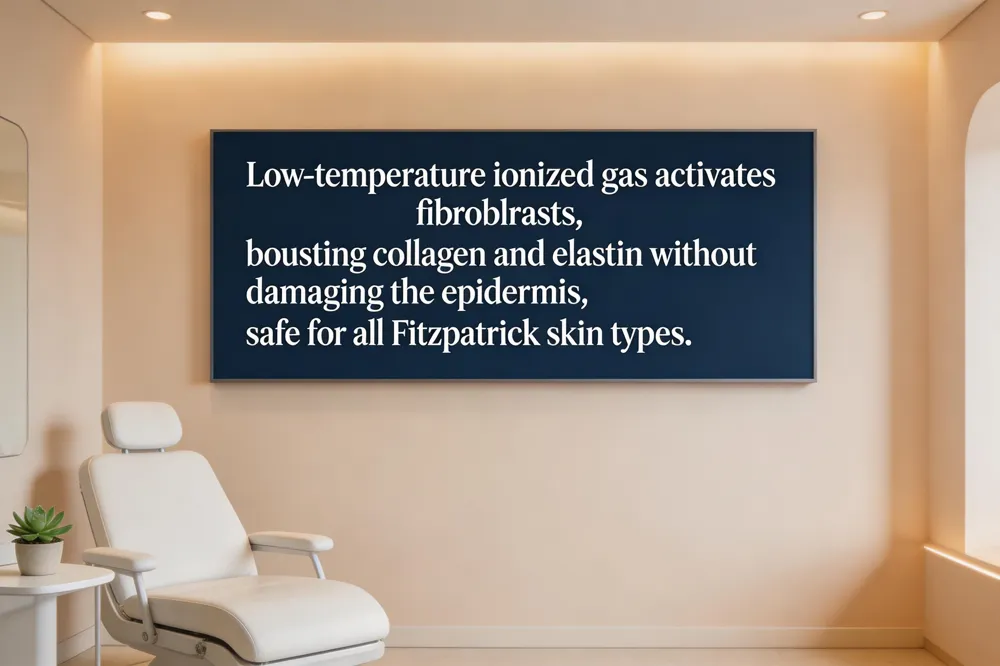 Cold plasma devices generate a low‑temperature ionized gas that creates microscopic thermal columns on the skin surface, Cold plasma activates fibroblasts to boost collagen and elastin production without damaging the epidermis. Professional units deliver high‑voltage pulses (13,000‑15,000 V) in a controlled, safe manner and often include ozone‑filter systems that keep emissions below 0.05 ppm, protecting both patient and practitioner. The technology is non‑thermal, operating at 35‑40 °C, which distinguishes it from hot plasma and ablative lasers that rely on heat and can cause burns or pigment changes. Because it does not depend on chromophores, cold plasma is safe for all Fitzpatrick skin types and offers minimal downtime. Clinical evidence confirms that cold plasma reduces fine lines, wrinkles, hyperpigmentation, and inflammation while boosting skin hydration and enhancing topical product absorption, making it a versatile, FDA‑cleared option for facial rejuvenation.
Clinical Benefits and Visible Results
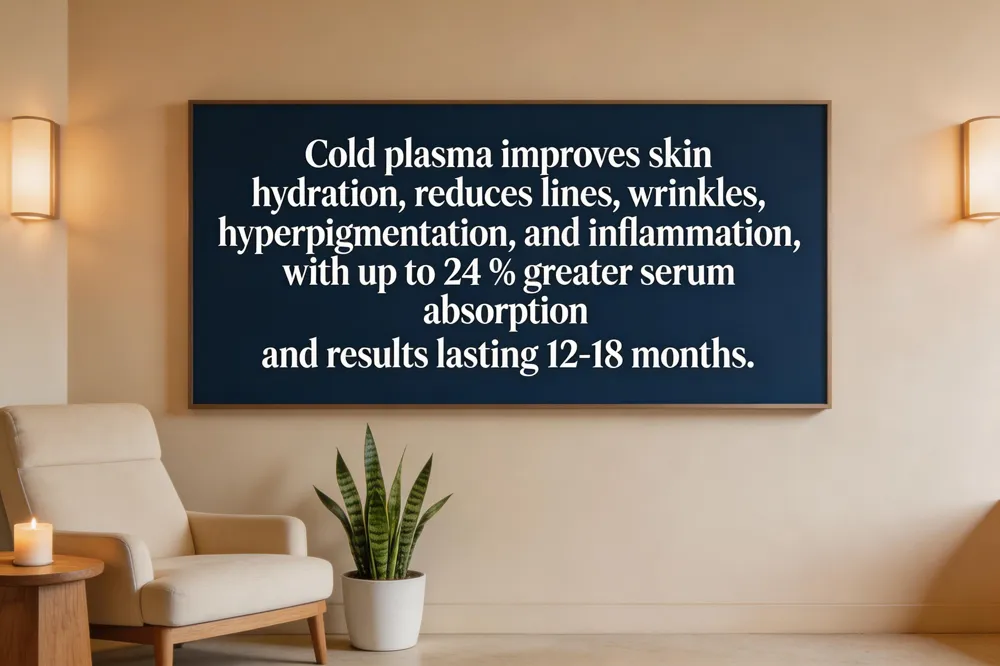 Cold plasma facial treatment uses a gentle, non‑thermal ionized‑gas stream that activates fibroblasts, boosting collagen and elastin synthesis for firmer, more lifted skin. Reactive oxygen and nitrogen species improve micro‑circulation, increase skin permeability (up to 24 % more serum absorption), and eradicate acne‑causing bacteria, reducing inflammation, breakouts, fine lines, and uneven pigmentation. Clinical studies of Low‑temperature plasma (LTP) show Statistically significant improvements in wrinkle scores, melanin and erythema indices, and elasticity after 4–12 weeks, with patient‑reported satisfaction >75 %. Side‑effects are mild and transient—redness, slight swelling, temporary pigment changes, or brief tingling—usually resolving within a week. Rare events include superficial burns or prolonged discoloration. Results can endure 12–18 months as newly formed collagen remodels, especially with proper sun protection and skincare. Before treatment skin appears dull, uneven, and lined; after a series of sessions patients notice a brighter, smoother, tighter complexion and sustained youthful glow.
Cost, Accessibility, and Local Availability
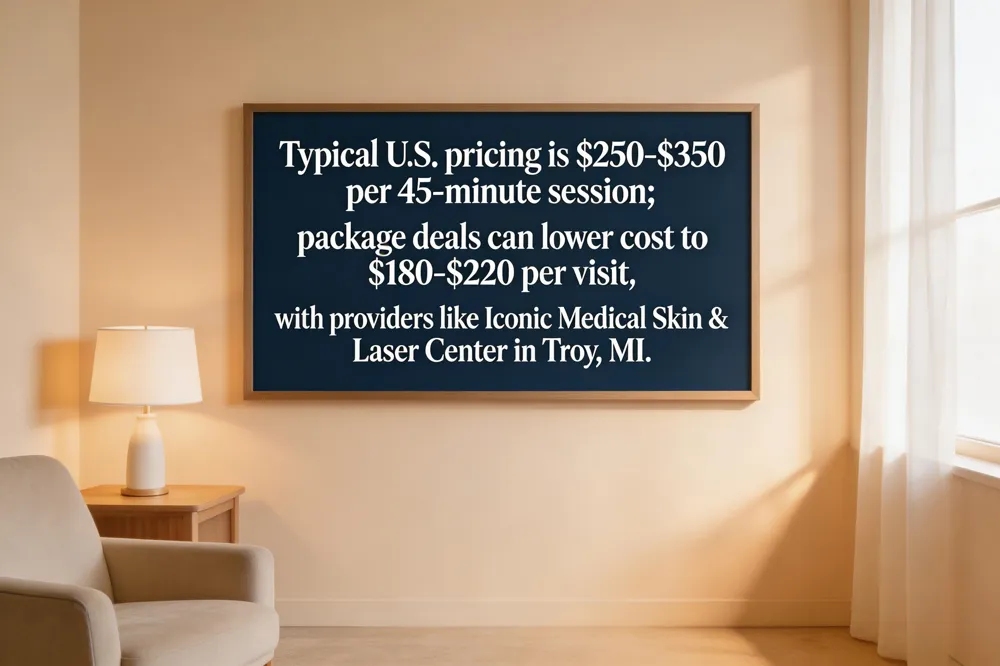 Typical pricing for a cold‑plasma facial at premium U.S. aesthetic clinics ranges from $250‑$350 per 45‑minute session, with introductory offers of $199‑$299 for first‑time clients. A full rejuvenation protocol of 4‑6 sessions therefore totals roughly $1,200‑$2,000, while larger treatment zones (neck, dé‑colletage) may run $400‑$500 per visit. Package deals often bundle sessions at a reduced per‑treatment rate; for example, a 5‑session package can lower the average cost to $180‑$220 per session, making it more affordable than ablative laser resurfacing, which typically exceeds $600 per treatment. To find a reputable provider, look for board‑certified dermatologists or licensed aesthetic physicians who use FDA‑cleared devices (e.g., PlasmaPen, Viora Plasma) and adhere to strict GMP/ISO standards. In Troy, Michigan, Iconic Medical Skin & Laser Center offers personalized cold‑plasma skin rejuvenation with certified professionals, ensuring safety, effective outcomes, and convenient local access.
Cold Plasma Compared with Other Rejuvenation Options
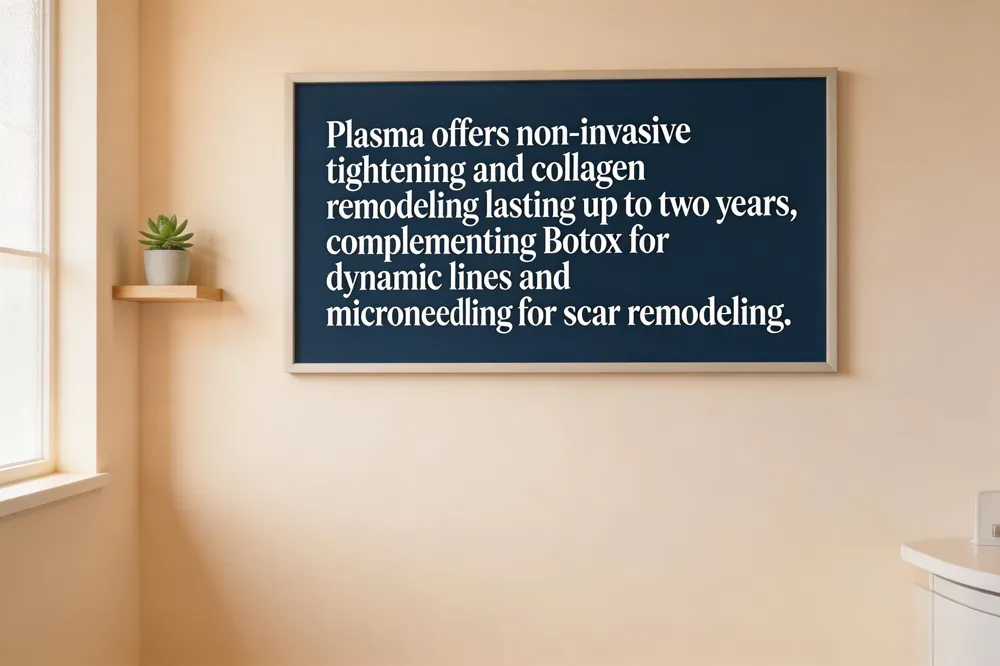 Cold plasma skin tightening and Botox address different signs of aging. Botox relaxes facial muscles to smooth dynamic wrinkles with rapid results lasting 3‑4 months, whereas plasma creates micro‑injuries that stimulate collagen and elastin, improving texture, firmness, and sagging over weeks with effects that can persist up to two years. Therefore, plasma is preferable when static laxity is the primary concern, while Botox excels for dynamic lines.
Cold plasma is non‑invasive, delivering ionized gas without puncturing skin, making it ideal for sensitive or damaged skin and mild‑to‑moderate fine lines. Microneedling uses fine needles to create controlled injuries, offering broader versatility for acne scars, enlarged pores, and overall texture. Plasma may provide more dramatic tightening in sagging areas, but microneedling is generally lower cost per session and effective for scar remodeling.
When choosing a modality, consider patient goals, skin type, and downtime. For comprehensive anti‑aging protocols in the 40s, combine volume‑restoring fillers, Botox, laser resurfacing, microneedling, and occasional cold‑plasma sessions. In the 50s, add radio‑frequency or ultrasound tightening (Ultherapy) and PRP‑enhanced peels to address deeper wrinkles, volume loss, and skin laxity. Together, these options create a personalized, science‑backed rejuvenation plan with minimal downtime.
Integrating Cold Plasma Into a Holistic Skincare Routine
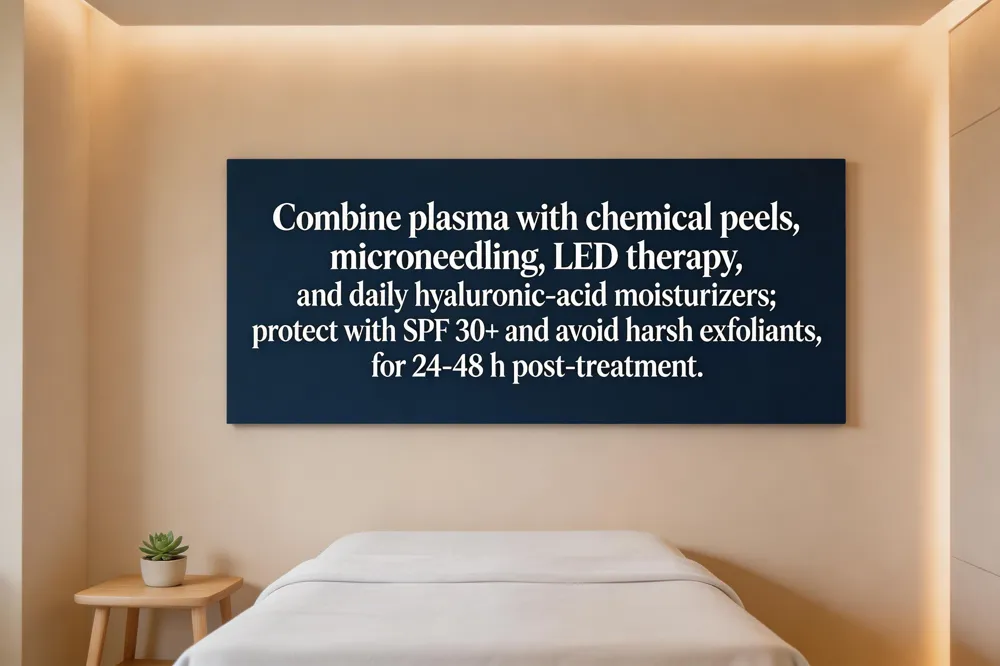 Cold‑plasma facials work best when paired with complementary professional treatments. Chemical peels, microneedling, and non‑ablative laser tightening create micro‑injuries that further stimulate fibroblasts, while dermaplaning and microdermabrasion refine texture and enhance plasma penetration. At home, patients can boost results with daily moisturizers containing hyaluronic acid and antioxidant‑rich serums, gentle retinoids or low‑strength glycolic/lactic peels (2‑5 %), and short‑duration red or near‑infrared LED sessions (10‑15 min, 2–3 × week). After each plasma session, apply a soothing barrier cream, avoid harsh exfoliants for 24‑48 h, and protect the skin with SPF 30+ sunscreen.
Skin treatments for glowing skin: Professional peels, micro‑edling, laser resurfacing, and dermaplaning renew the surface, while a customized facial and hydrating mask lock in moisture for a radiant complexion.
Youthful skin treatments at home: Daily moisturization, gentle retinoids, low‑strength chemical peels, brightening toners, and LED devices support collagen and elastin synthesis; always finish with broad‑spectrum SPF.
Cold plasma facial benefits and side effects: The therapy stimulates fibroblasts, increasing collagen and elastin, reducing fine lines, improving texture, and fading hyperpigmentation. Side effects are typically mild redness, swelling, or tingling that resolve within a few hours; occasional dry skin or light bruising is short‑lived.
Patient Experience: What to Expect Before and After
 Before a cold‑plasma facial, a skin assessment records Fitzpatrick type, melanin and erythema levels, and contraindications. A 15‑minute session emits an ionized gas that feels like a tingling breeze; most notice only redness. Post‑treatment care includes moisturizers, and avoiding harsh exfoliants for 24‑48 hours. Long‑term results include collagen remodeling. Plasma before and after: moves from dull to brighter, smoother, firmer, with wrinkle reduction. What treatment makes you look 10 years younger? Laser resurfacing, peels, injectables, plasma therapy refreshes texture, restore volume. How to take 20 years off your face? Laser, eyelid lift, fat transfer, Botox, peels, skincare sustain results. What does Kim Kardashian use for skin tightening? Sofwave™ ultrasound.
Embrace the Future of Youthful Skin
Cold‑plasma facials use a low‑temperature ionized gas that delivers reactive oxygen and nitrogen species to the skin without heat damage. This method activates fibroblasts, boosts collagen and elastin synthesis, and improves microcirculation, yielding smoother texture, fewer fine lines, and more even pigmentation. Clinical trials show significant improvements in wrinkle scores, elasticity, and melanin reduction after a series of sessions, with minimal downtime and only transient side effects such as brief redness. Because the plasma stays below 40 °C, it is safe for all Fitzpatrick skin types and sensitive skin. At Iconic Laser in Troy, Michigan, board‑certified dermatologists perform assessments to tailor number, settings, and serums, ensuring a rejuvenation plan.