Why Dynamic Feedback Matters in Modern Aesthetics
Real‑time feedback loops are continuous cycles in which patient data—such as skin imaging, sensor readings, or patient‑reported outcomes—are captured instantly, analyzed, and fed back to the clinician during the same visit. This rapid information exchange lets providers adjust laser fluence, injection volume, or topical formulation on the fly, ensuring treatment matches the patient’s current physiological state. Goal‑setting theory explains that when clinicians see a clear gap between current performance and benchmark targets, such as Medicare HCAHPS communication scores or desired collagen‑remodeling metrics, they are motivated to set specific, measurable objectives and pursue them actively. Automated platforms that pull data from wearable devices, smart imaging systems, and electronic health records can generate daily performance dashboards and email alerts without manual entry, making dynamic personalization scalable and cost‑effective for modern aesthetic practices.
Laser Therapy: Benefits, Drawbacks, and Longevity
 Modern aesthetic clinics offer a range of laser modalities, from ablative CO₂ and Erbium systems that vaporize the outer skin layer to non‑ablative fractional lasers that heat the dermis without disrupting the surface. Real‑time feedback loops, such as optical coherence tomography and infrared thermography, enable clinicians to fine‑tune fluence, pulse duration, and spot size during each session, improving safety and efficacy.
Potential side effects include transient erythema, swelling, temporary pigment changes, and rare thermal injury. Because these reactions are dose‑dependent, treatment frequency is often limited to every 4–6 weeks for ablative procedures and every 6–8 weeks for non‑ablative protocols, allowing the skin to recover fully.
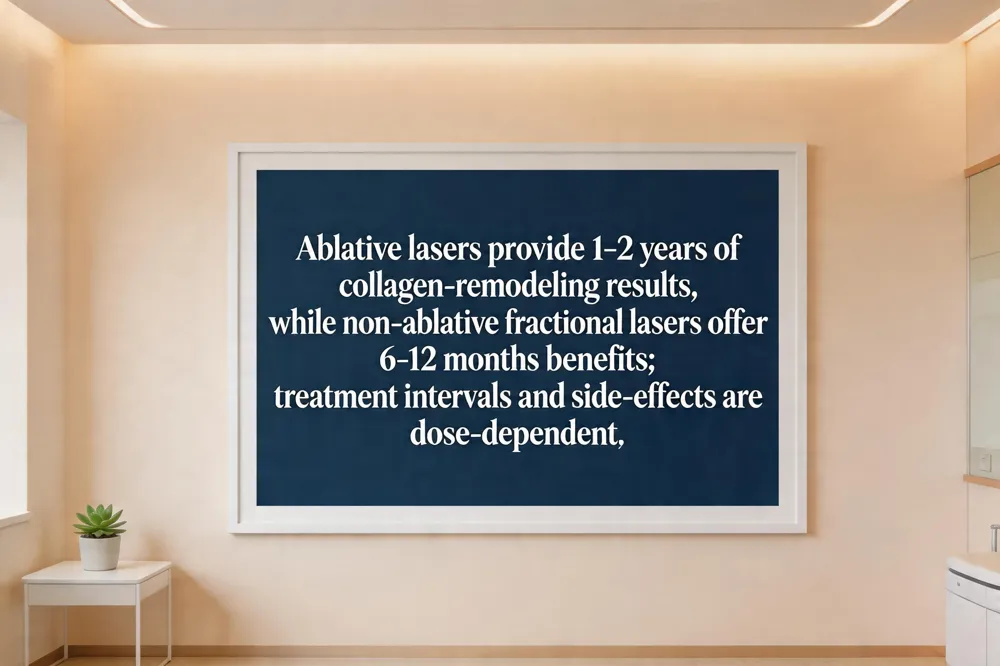
Results from ablative lasers typically endure 1–2 years, driven by deep collagen remodeling, whereas non‑ablative and fractional treatments maintain noticeable improvements for 6–12 months. Periodic touch‑ups and diligent sun protection can extend longevity.
Two notable drawbacks of laser therapy are the need for multiple treatment sessions and the variability of results among patients. Achieving optimal outcomes often requires a series of appointments, which can increase both the time commitment and overall cost for the client. Additionally, the effectiveness of the procedure depends heavily on individual factors such as skin type, tone, and how the skin responds to the laser energy. Some patients may experience temporary side effects like redness, swelling, or mild hyperpigmentation, especially if their skin is more sensitive. Because of these factors, laser treatments may not deliver uniform results for everyone, and a thorough consultation is essential to set realistic expectations.
Laser therapy results can vary widely, typically lasting anywhere from several months to a few years depending on the specific laser technology used and the treated area. Ablative lasers such as CO₂ or Erbium often provide longer‑lasting improvements—often 1–2 years—because they remove damaged skin layers and stimulate robust collagen remodeling. Non‑ablative and fractional lasers tend to offer more gradual changes that may persist 6–12 months, especially when combined with a proper skincare regimen. Consistent post‑procedure care, including sun protection and topical treatments, helps preserve the gains and can extend longevity. Most patients benefit from periodic touch‑up sessions every 6–12 months to maintain the youthful texture and tone achieved from the initial treatment.
Patient Experience with the Icon Laser
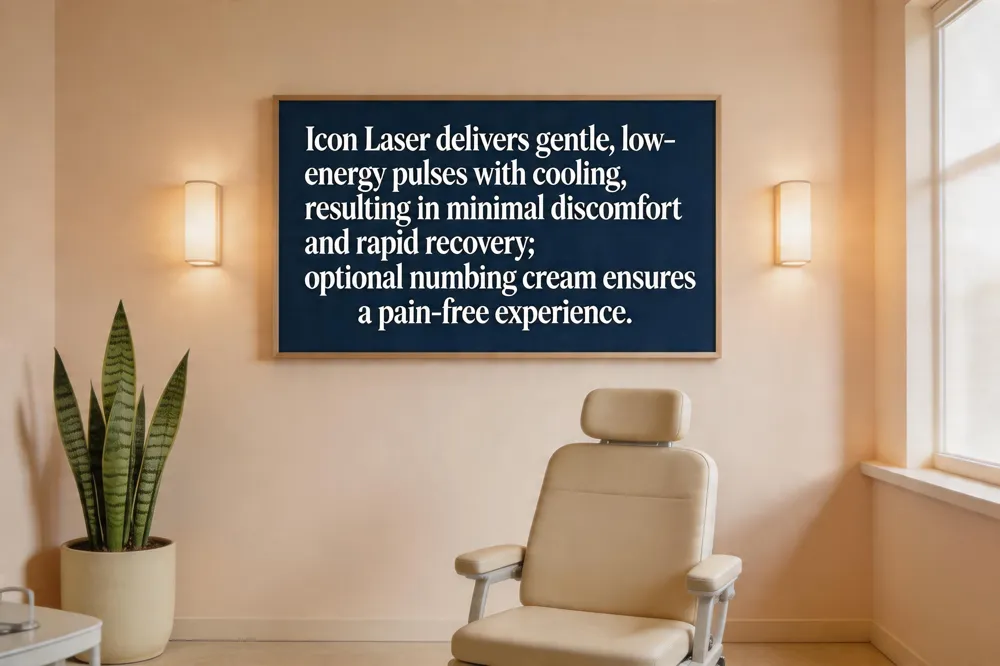 Patients who undergo Icon Laser treatments consistently report a gentle sensation rather than pain. The device delivers short, low‑energy pulses that feel like a light tingling or mild warmth, and the built‑in cooling system further minimizes discomfort. For individuals with heightened sensitivity, a topical numbing cream can be applied before the session, ensuring a virtually pain‑free experience. After treatment, the skin may appear slightly reddened or warm, but these effects typically resolve within a few hours, confirming the procedure’s minimal invasiveness.
Is Icon laser painful? The Icon Laser is designed to be gentle, and most patients report only a light tingling or warmth during the treatment. Its built‑in cooling system and short, low‑energy pulses help keep discomfort to a minimum. For those who are particularly sensitive, a topical numbing cream can be applied beforehand to further reduce any sensation. After the session, the skin may feel slightly warm or reddened, but this typically resolves within a few hours. Overall, the procedure is well‑tolerated and considered minimally painful for the majority of patients.
Celebrity endorsement Kim Kardashian has praised the XERF (Xtreme RF) laser as her go‑to for skin tightening and collagen stimulation, noting its efficacy and minimal downtime. Her endorsement highlights the growing popularity of real‑time, feedback‑driven laser technologies that combine safety with personalized aesthetic outcomes.
Artificial Intelligence Revolutionizes Skincare
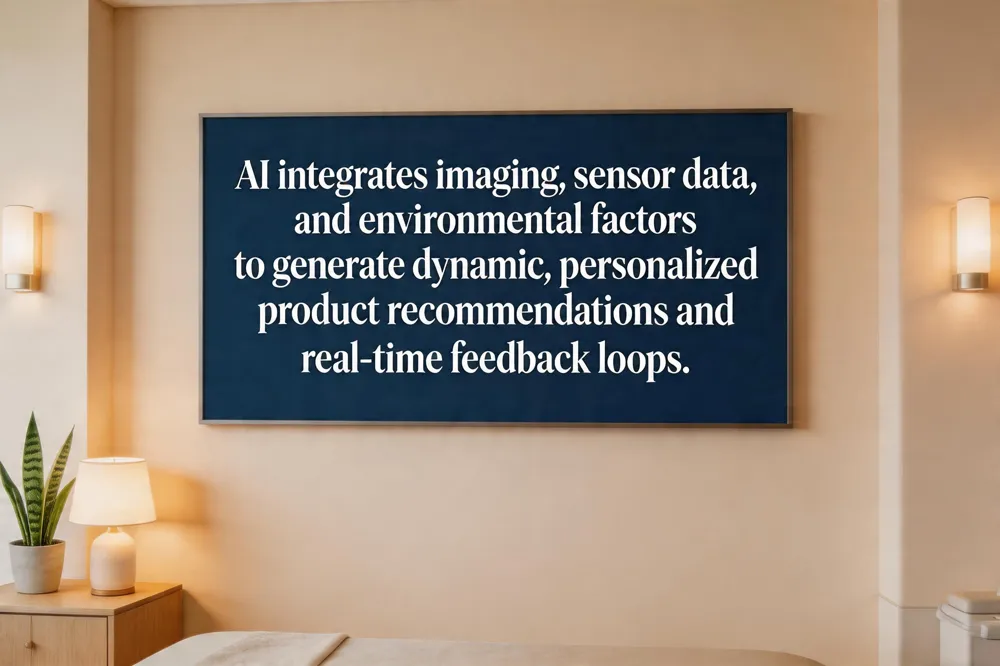 AI reshapes modern skincare by turning visual and biometric data into actionable insights. High‑resolution images captured by smartphones or clinic cameras are processed with convolutional neural networks to quantify hydration, redness, texture, pore size, and acne patterns. Wearable sensors add real‑time metrics such as transepidermal water loss, skin temperature, and UV exposure. By fusing these intrinsic measurements with extrinsic factors—weather, pollution, lifestyle, genetics—machine‑learning models predict how a person’s skin will respond over days or weeks.
Dynamic product formulation leverages these predictions. Platforms like L’Oréal’s SkinConsult AI and Proven Skincare’s Skin Genome Project use deep‑learning algorithms to select and dose actives (niacinamide, retinol, peptides) in real time, creating personalized blends that adapt to seasonal changes or treatment feedback. Continuous feedback loops close the system: post‑application photos, sensor readings, and patient‑reported outcomes are uploaded, allowing the AI to refine its recommendations instantly. This iterative process ensures formulations remain effective and safe, reducing trial‑and‑error and boosting satisfaction.
How is AI used in skincare? AI analyzes image and sensor data to quantify skin attributes, combines them with environmental and genetic inputs, and generates dynamic, personalized product recommendations that evolve with the patient’s skin.
Artificial intelligence in the evolution of customized skincare regimens employs deep‑learning models on millions of skin images and ingredient databases to predict individual reactions, enabling bespoke formulations and real‑time adjustments through continuous feedback loops.
Core Principles of Patient‑Centered Care
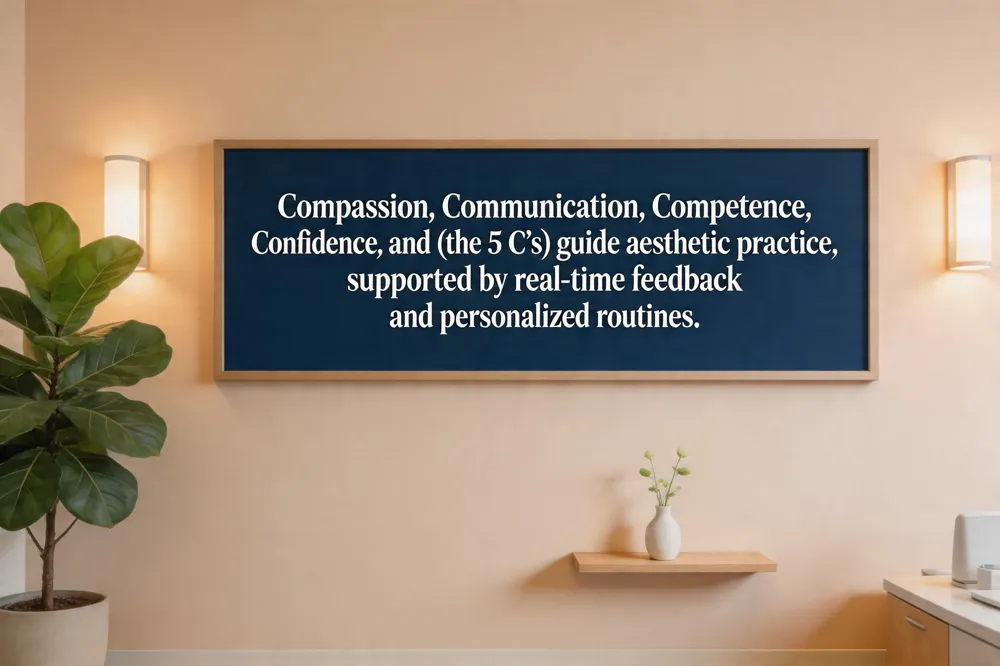 Patient‑centered care in medical aesthetics rests on the 5 C’s of healthcare: Compassion, Communication, Competence, Confidence, and Continuity. Compassion means listening to patients’ aesthetic goals and concerns with empathy. Communication ensures clear explanation of procedures, risks, and expected outcomes, fostering shared decision‑making. Competence reflects the clinician’s expertise in the latest non‑invasive technologies, such as dynamic laser systems and AI‑driven skin analysis. Confidence grows when patients see evidence‑based results and trust the provider’s skill, while continuity guarantees coordinated follow‑up and real‑time feedback loops that personalize treatment over time.
A quick daily skin routine that aligns with these principles is a 60‑second facial massage during cleansing. Apply a gentle, hydrating cleanser and, using upward, circular motions, massage the entire face for a full minute—spending extra time around the eyes, mouth, and forehead. Rinse with lukewarm water, then follow with a vitamin C serum in the morning and a peptide or retinol serum at night. This brief ritual boosts circulation, enhances product absorption, and supports collagen production, delivering measurable anti‑aging benefits while reinforcing the patient’s confidence and continuity of care.
Dynamic Laser Treatment for Joint Pain
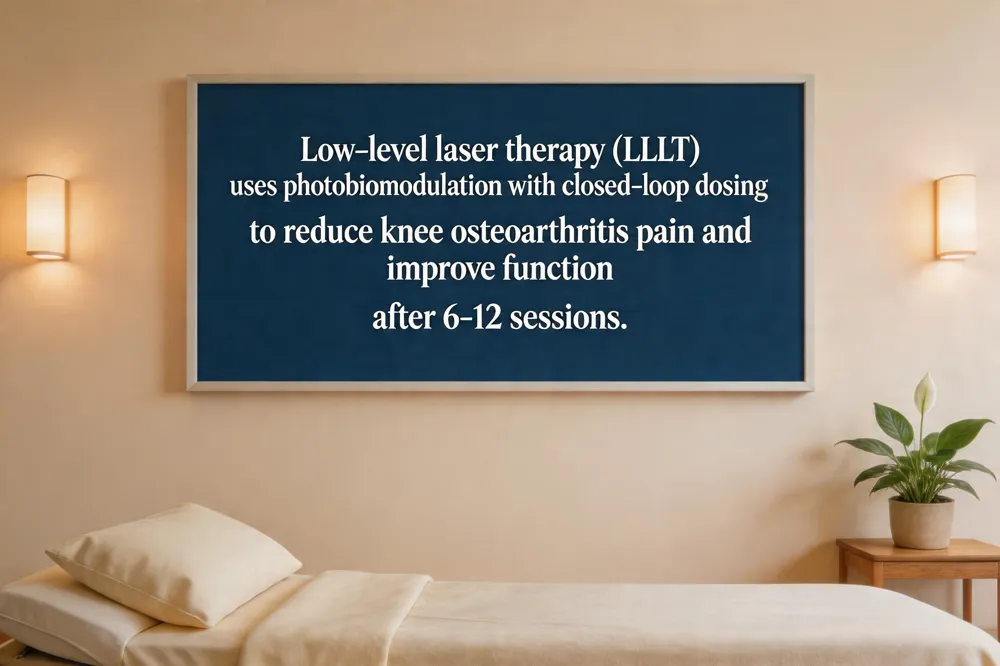 Low‑level laser therapy (LLLT) is increasingly used to treat knee osteoarthritis by delivering photobiomodulatory energy that reduces inflammation, improves micro‑circulation, and promotes tissue repair. Modern devices enable real‑time dose adjustment: clinicians monitor pain scores, joint range of motion, and skin temperature during each session, then automatically modulate fluence, pulse duration, and treatment length via closed‑loop sensors. This dynamic approach tailors energy delivery to the individual’s immediate response, minimizing overtreatment and maximizing therapeutic benefit. Clinical guidelines from the American Academy of Orthopedic Surgeons and the American Physical Therapy Association now endorse LLLT as a non‑invasive adjunct for mild‑to‑moderate knee arthritis, citing meta‑analyses that show statistically significant pain reduction and functional improvement after 6–12 sessions. While LLLT does not cure arthritis, evidence supports its safety, drug‑free nature, and capacity to lessen reliance on analgesics when combined with exercise and lifestyle modifications.
Emerging Trends Shaping Cosmetic Dermatology
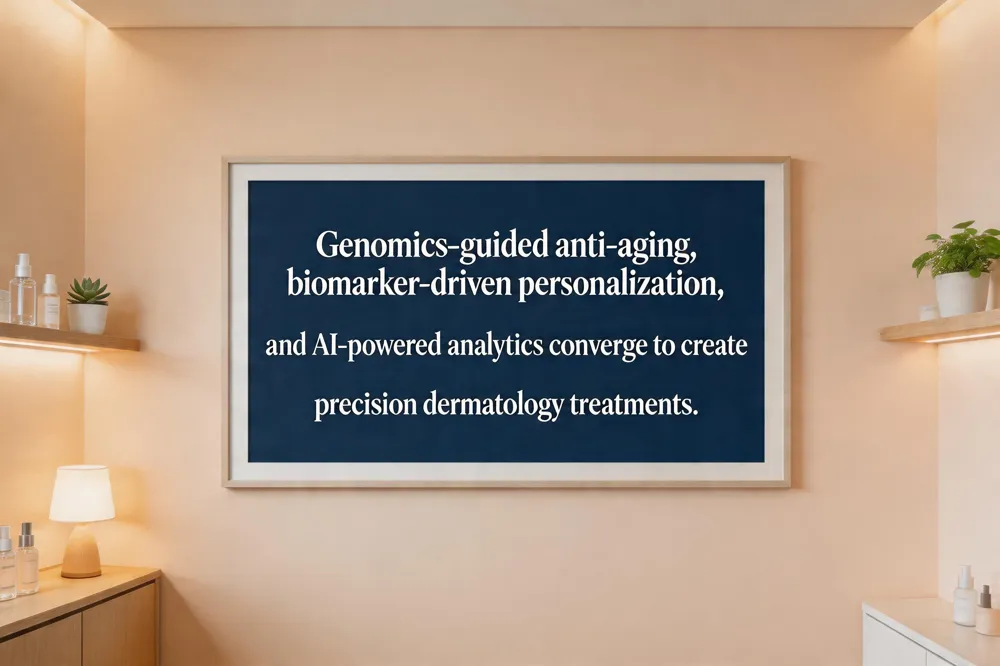 Advancements in cosmetic dermatology are converging on three inter‑related fronts. First, genomics‑guided anti‑aging leverages DNA‑based risk scores and skin‑type‑specific gene expression panels to select ingredients that counteract individual pathways of collagen loss, oxidative stress, and barrier disruption. Second, biomarker‑driven personalized treatments use real‑time measurements of skin hydration, transepidermal water loss, and inflammatory cytokines collected by wearable sensors or in‑office imaging to fine‑tune product concentrations, laser fluence, or injectable volumes. Third, AI platforms integrate these molecular and physiological data with patient‑reported outcomes, delivering closed‑loop feedback that automatically adjusts therapy parameters during a session or across visits.
What is new in cosmetic dermatology? The field is moving from a one‑size‑fits‑all model to a precision‑medicine paradigm where genetics, biomarkers, and AI‑driven analytics converge to create truly individualized anti‑aging and skin‑repair regimens. This shift improves efficacy, reduces adverse events, and enhances patient satisfaction by ensuring each intervention matches the patient’s unique biological profile.
Putting Real‑Time Personalization into Practice
Dynamic, real‑time feedback loops empower clinicians at Iconic Laser to tailor every non‑invasive aesthetic procedure to the patient’s unique physiology. By continuously monitoring skin temperature, hydration, and early tissue response through sensors and AI‑driven imaging, we can adjust laser fluence, pulse duration, or product concentration on the spot, improving safety, minimizing adverse effects, and boosting visible results. This technology translates into higher satisfaction scores and faster recovery, especially for diverse Fitzpatrick skin types. Our team’s commitment to patient‑centered care means each visit begins with a thorough digital skin analysis, followed by a collaborative discussion of goals and real‑time data interpretation. Experience the future of personalized aesthetics—schedule your one‑on‑one consultation today and let us design a treatment plan that evolves with you and lasting confidence.