Understanding Patient Safety in the Medical Aesthetic Field
Importance of Patient Safety
Patient safety is the foundation of trustworthy medical aesthetic care. Procedures often involve delicate skin treatments and minor invasions that require rigorous infection control and hygienic practices to prevent complications.
Overview of Medical Aesthetic Procedures
Medical aesthetic treatments range from non-invasive skin rejuvenation to minimally invasive injectables and minor surgeries. Regardless of the procedure, ensuring a sterile environment and proper technique reduces risks and promotes successful outcomes.
The Role of Clinics in Maintaining Safety
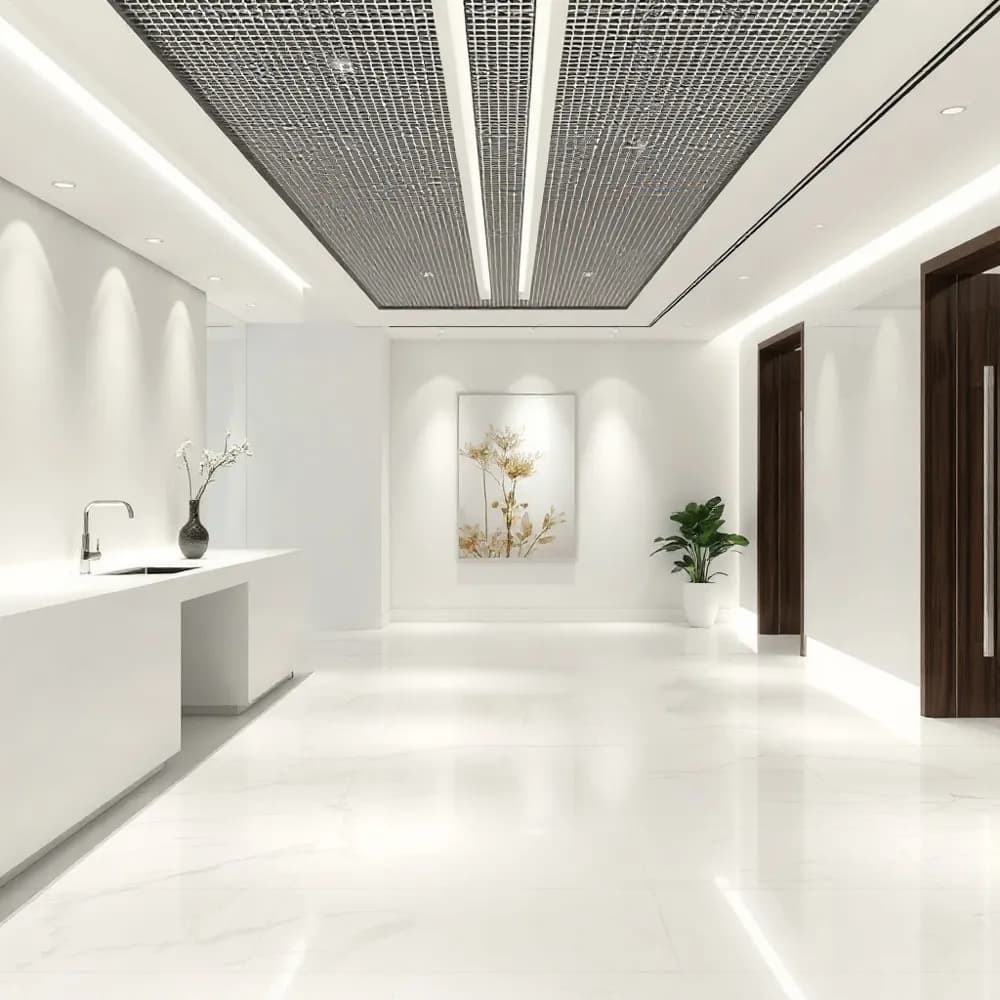
Leading clinics prioritize safety by implementing strict aseptic measures, including proper lighting, cleanable furnishings, and accessible emergency equipment. Facilities are designed with ample space and dedicated handwashing sinks to uphold cleanliness. Staff training follows provincial and regulatory infection prevention standards, reinforcing safety for both patients and practitioners. Regular inspection of training and treatment environments is critical to sustaining high professional standards.
Clinics like A Comprehensive Dermatology Center exemplify these principles through experienced, board-certified dermatologists who deliver personalized care tailored to each patient's needs, supported by advanced technologies and patient-centered practices.
Implementing Rigorous Safety Protocols in Medical Aesthetics Clinics
How do medical aesthetic clinics maintain high safety standards during procedures?
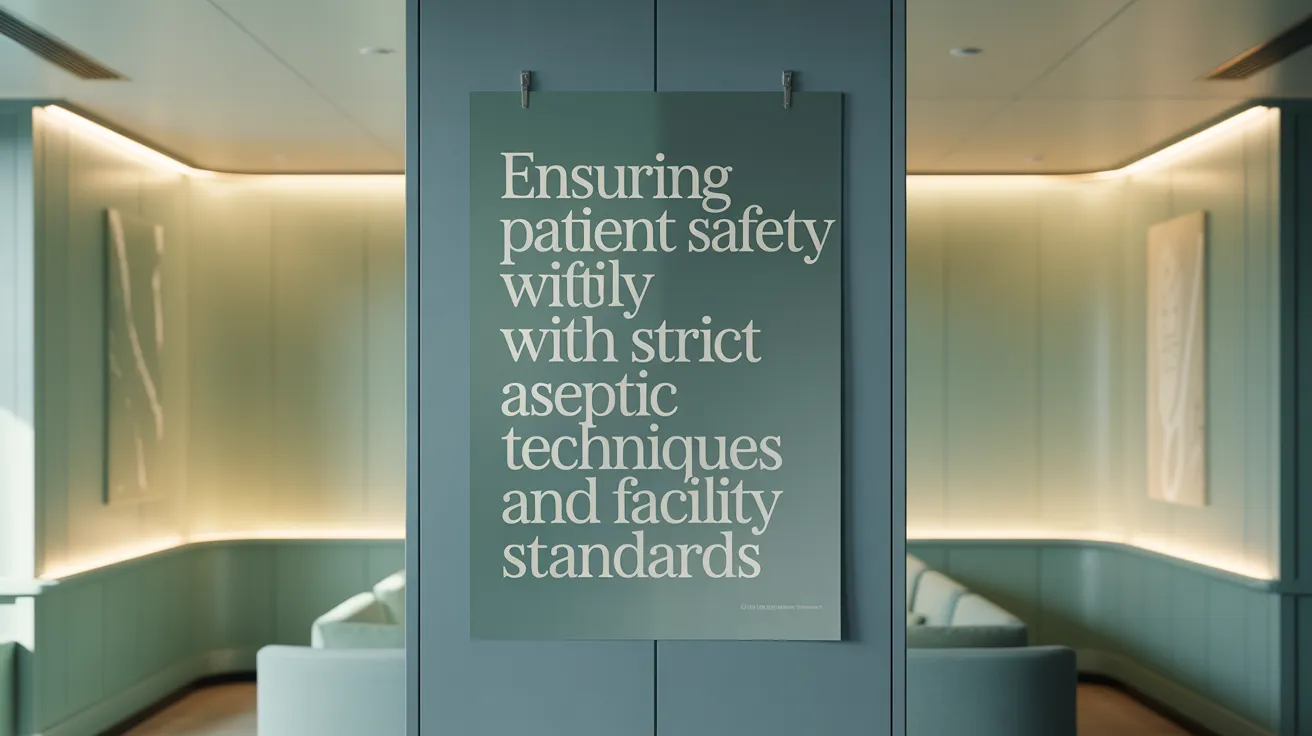
Medical aesthetic clinics uphold rigorous Safety in Aesthetic Medicine standards primarily through the implementation of strict Aseptic Techniques in Clinics, which are often influenced by protocols used in hospital operating rooms. This methodology emphasizes cleanliness and Infection Control in Aesthetic Procedures to ensure patient safety throughout all procedures.
Aseptic Techniques
Clinics adopt stringent aseptic procedures including thorough hand hygiene using dedicated sinks and the use of sterile instruments. These practices prevent contamination, reducing the risk of infections.
Facility Safety Standards
Facility design plays a critical role in safety. Clinics ensure Proper Lighting and Hand Washing Stations to facilitate precise work. They maintain dedicated hand washing sinks and designated medical preparation areas. Emergency Equipment Accessibility is easily accessible, and procedure areas have adequate space around treatment beds, conforming to Provincial Health Regulator Guidelines.
Infection Control Measures
To minimize infection risks, clinics favor Cleanable Furnishings in Clinics that are easy to disinfect. Smooth surfaces throughout the facility support effective cleaning routines. Regular inspections and adherence to Provincial Health Regulator Guidelines help maintain high safety standards for both patients and practitioners.
Importance of Clinical Environment Design
The clinical setting is deliberately designed to promote a sterile environment while providing comfort. The choice of materials and layout supports thorough cleaning practices and efficient workflow; these elements collectively enhance Patient and Practitioner Safety in Aesthetic Medicine.
By embedding these protocols and environmental considerations, medical aesthetic clinics create a secure and hygienic atmosphere, ensuring exceptional care and protection for their patients.
Advanced Dermatological Treatments: Safety and Efficacy in Practice

What types of advanced dermatological treatments are available at a premium medical aesthetic clinic?
Premium medical aesthetic clinics offer a variety of advanced dermatological treatments designed to improve skin health and appearance. These include laser skin resurfacing and Intense Pulsed Light (IPL) therapies, which effectively target pigmentation irregularities and vascular concerns. Chemical peels and microdermabrasion are employed to enhance skin texture and reduce signs of aging by promoting cellular renewal.
Innovative procedures such as microneedling combined with Platelet-Rich Plasma (PRP) are used to stimulate collagen production, improving scars, uneven skin tone, and overall skin texture. Each treatment is tailored to the patient's specific skin condition and aesthetic goals, ensuring a personalized approach that maximizes efficacy and safety.
How is advanced technology utilized in dermatological treatments?
State-of-the-art technology plays a central role in delivering effective dermatological care. Clinics use modern laser systems and IPL devices that offer precise energy delivery, reducing collateral tissue damage and improving patient comfort during treatments. These technologies allow for customizable treatment settings based on skin type and condition, which enhances safety and outcomes.
What personalized care approaches are emphasized?
Personalized care is fundamental in advanced dermatology. Experienced practitioners assess each patient’s unique skin characteristics and medical history to devise customized treatment plans. This individualized approach facilitates optimal results while minimizing risks, ensuring that treatments align with patients’ safety profiles and aesthetic objectives.
How is procedural safety ensured throughout treatments?
Safety is a paramount concern at premium dermatology clinics. Strict Aseptic Techniques in Clinics, informed by medical backgrounds in operating room environments, govern all procedures. Facilities are designed with Proper Lighting and Hand Washing Stations, and Emergency Equipment Accessibility to comply with health regulations.
Additionally, furnishings are selected for ease of cleaning, with Cleanable Furnishings in Clinics that prevent contamination and support Infection Control in Aesthetic Procedures. Training programs for clinical staff adhere to Provincial Health Regulator Guidelines for infection prevention, promoting Patient and Practitioner Safety in Aesthetic Medicine. Regular Inspection of Training Environments for Safety and adherence to established protocols guarantee that Clinic Facility Safety Standards are consistently met during every treatment session.
Facial Enhancement with a Focus on Patient Safety

What cosmetic treatments are commonly used for facial enhancement at medical aesthetic clinics?
Facial enhancement commonly includes Botox, dermal fillers such as hyaluronic acid, biostimulators, and grafts. These minimally invasive procedures typically last between 15 and 60 minutes and aim to deliver natural-looking results with minimal downtime.
How are safety precautions ensured during facial aesthetic procedures?
Safety in Aesthetic Medicine is paramount during all treatments. Clinics follow strict Aseptic Techniques in Clinics, including using Cleanable Furnishings in Clinics that are easy to clean and maintaining smooth surfaces to prevent infection. Proper Lighting and Hand Washing Stations, Emergency Equipment Accessibility, medical prep areas, and hand washing facilities align with Provincial Health Regulator Guidelines to ensure a safe environment.
What are the recommended pre- and post-treatment care practices?
Before treatment, patients are advised to avoid medications that can increase bleeding, such as blood thinners. After procedures, cooling agents like ice or Arnica help minimize swelling and bruising. Personalized post-care plans encourage safe recovery and optimal results.
What role do qualified practitioners play in facial aesthetic treatments?
Experienced, board-certified dermatologists develop individualized treatment plans tailored to each patient’s needs. They monitor progress closely and ensure high standards of Infection Control in Aesthetic Procedures and Patient and Practitioner Safety in Aesthetic Medicine throughout the process, emphasizing patient comfort and effective outcomes.
| Aspect | Details | Importance |
|---|---|---|
| Common Treatments | Botox, dermal fillers, biostimulators | Natural results, minimal downtime |
| Safety Measures | Aseptic Techniques in Clinics, Cleanable Furnishings in Clinics | Infection prevention, regulatory compliance |
| Pre/Post Treatment Care | Avoid blood thinners, cooling agents | Reduced swelling, safe recovery |
| Practitioner Qualifications | Board-certified, experienced dermatologists | Personalized care, high safety standards |
Safe and Effective Body Contouring Options
How does body contouring work, and what options are available at medical aesthetic clinics?
Body contouring reshapes the body's appearance by targeting stubborn fat deposits and enhancing skin firmness. Medical aesthetic clinics provide a variety of safe and effective options that fit individual patient goals.
Non-invasive techniques include CoolSculpting, which uses cryolipolysis to freeze and eliminate fat cells without surgery. Radiofrequency treatments help tighten the skin by stimulating collagen production, while ultrasound therapy breaks down fat more gently with sound waves. For patients seeking slightly more intensive treatments, minimally invasive procedures like laser lipolysis use laser energy to melt fat with minimal downtime.
Mechanisms of body contouring
Each method works through distinct mechanisms:
- Cryolipolysis: Freezes fat cells, causing them to die and be naturally removed by the body.
- Radiofrequency: Uses heat to contract skin tissue and encourage collagen remodeling.
- Ultrasound therapy: Applies sound waves to disrupt fat cell membranes.
- Laser lipolysis: Employs targeted laser energy to liquefy fat for easier removal.
Customization for patient goals
Personalized consultations assess patient health and aesthetic objectives to recommend the most suitable techniques. This approach ensures treatments align with specific contouring goals, skin types, and tolerance levels.
Safety considerations
Safety is paramount in body contouring. Clinics enforce strict Aseptic Techniques in Clinics, use medical-grade equipment, and maintain clean, well-equipped facilities adhering to Provincial Health Regulator Guidelines. Trained and certified practitioners follow Infection Control in Aesthetic Procedures guidelines and regularly inspect their treatment environments to uphold professional standards and patient well-being.
| Aspect | Details | Importance |
|---|---|---|
| Techniques | CoolSculpting, Radiofrequency, Ultrasound, Laser lipolysis | Variety allows tailored options |
| Mechanisms | Freezing, Heat, Sound waves, Laser energy | Target fat and skin differently |
| Personalization | Customized plans based on goals and health | Enhances outcomes and patient satisfaction |
| Safety Protocols | Safety in Aesthetic Medicine, equipment, Clinic Facility Safety Standards | Prevents infection and ensures comfort |
Women’s Wellness Services with a Commitment to Comprehensive Safety
What women's wellness services are typically offered at a medical aesthetic clinic?
Medical aesthetic clinics provide a range of women’s wellness services focused on enhancing hormonal balance and sexual health. These include hormone replacement therapy designed to address menopausal symptoms and restore overall hormonal equilibrium. Sexual health treatments catered to women, such as libido enhancement and vaginal rejuvenation, are also commonly offered.
Personalized wellness plans
Clinics emphasize personalized wellness plans that integrate these treatments with holistic health consultations. By tailoring approaches to individual needs, practitioners ensure that interventions support physical, emotional, and sexual well-being in a comprehensive manner.
Integration of medical aesthetics and health
The integration of medical aesthetics with women’s health allows for a seamless approach that addresses both aesthetic concerns and underlying health factors. This multidisciplinary care model promotes vitality and confidence through evidence-based therapies.
Safety protocols in women’s wellness
Safety is paramount in delivering women’s wellness services. Clinics maintain strict Aseptic Techniques in Clinics and adhere to Infection Control in Aesthetic Procedures aligned with provincial health regulators. Facilities are equipped with Proper Lighting and Hand Washing Stations, Emergency Equipment Accessibility, and Cleanable Furnishings in Clinics to minimize risk.
Training programs for practitioners focus heavily on Safety Standards in Medical Aesthetics, ensuring that every treatment is delivered with the highest regard for patient care and professional conduct. Regular Inspection of Training Environments for Safety and adherence to these protocols safeguard both patients and healthcare providers throughout the therapeutic process.
Ensuring Safety: The Cornerstone of Medical Aesthetic Excellence
Rigorous Safety Practices in Aesthetic Medicine
Safety in medical aesthetics begins with strict aseptic techniques and infection control, as emphasized by clinics led by professionals with backgrounds in surgical nursing. Clean environments feature easy-to-clean furnishings, smooth surfaces, dedicated hand washing areas, proper lighting, and emergency equipment access. These measures align with provincial health standards to minimize infection risks.
Choosing Qualified Providers
Selecting board-certified dermatologists or trained practitioners from reputable centers ensures personalized care and adherence to safety protocols. Providers like those with decades of experience, such as Dr. Ali Moiin, underline the importance of expertise alongside compassion in patient treatment.
Advancements and Future Trends
Ongoing training and facility inspections maintain high safety standards. Future trends focus on enhancing patient safety through technological advancements, comprehensive practitioner education, and continual updates to infection prevention strategies. Emphasizing science-based, patient-centered approaches secures medical aesthetic excellence.