Why Sterility Matters in Modern Aesthetic Medicine
Why Sterility Matters in Modern Aesthetic Medicine
Maintaining sterility builds patient trust and protects a clinic’s reputation; clients expect clean, safe environments and are more likely to return when they see consistent infection‑control practices. Even minimally invasive treatments such as Botox or filler injections breach the skin, creating a potential portal for bacteria, so lapses in hand hygiene or instrument sterilization can quickly lead to abscesses, cellulitis, or systemic infection. Regulatory agencies set clear expectations: the CDC mandates hand hygiene with alcohol‑based rub for at least 20 seconds before and after each patient contact, OSHA requires documented autoclave logs and quarterly staff training, and the FDA demands that any device labeled “single‑use only” remain sterile unless reprocessed per validated standards. When these standards are met, treatment outcomes improve—reduced inflammation, faster healing, and better aesthetic results—while the risk of complications such as nodules, vascular occlusion, or prolonged swelling drops markedly.
Core Infection‑Control Standards for Aesthetic Practices
Best practices for ensuring sterile environments in aesthetic clinics
Effective infection control starts with hand hygiene using an alcohol‑based rub for at least 20 seconds before and after each patient contact, followed by donning disposable gloves that are changed between procedures. Reusable instruments must undergo a validated autoclave cycle (121 °C for ≥30 min) with cycle parameters recorded in a sterilization log to satisfy OSHA requirements. Single‑use items such as needles, syringes and micro‑cannulas are discarded immediately in puncture‑proof sharps containers. Treatment rooms are cleaned with EPA‑registered hospital‑grade disinfectants on all high‑touch surfaces, and HEPA‑filtered ventilation maintains ≥12 air changes per hour to lower airborne microbial load.
Aseptic technique definition
Aseptic technique comprises a series of practices that prevent the introduction of pathogenic microorganisms into sterile fields during procedures. It includes meticulous hand hygiene, application of antiseptics to the patient’s skin, use of sterile barriers (gloves, gowns, masks, eye protection), and careful handling of only sterile‑to‑sterile items. Environmental controls such as closed doors and HEPA filtration further reduce microbial ingress. This approach is essential for aesthetic interventions that breach the skin, including injectables, laser therapies and microneedling.
Difference between sterile and aseptic surgery
Sterile surgery demands that every item contacting the operative field— instruments, drapes, and staff attire—be completely free of all microorganisms, achieved through rigorous sterilization methods like autoclaving. Aseptic surgery, by contrast, seeks to block pathogen entry by maintaining a clean environment and employing sterile barriers, but it does not require the total eradication of every microbe from the surroundings. Consequently, sterile technique is reserved for implant‑bearing or deep‑tissue cases where any contamination could jeopardize outcomes, while aseptic technique suffices for many routine aesthetic procedures where the infection risk is lower.
Clinic‑Specific Excellence: Iconic Laser & Iconic Medical Spa
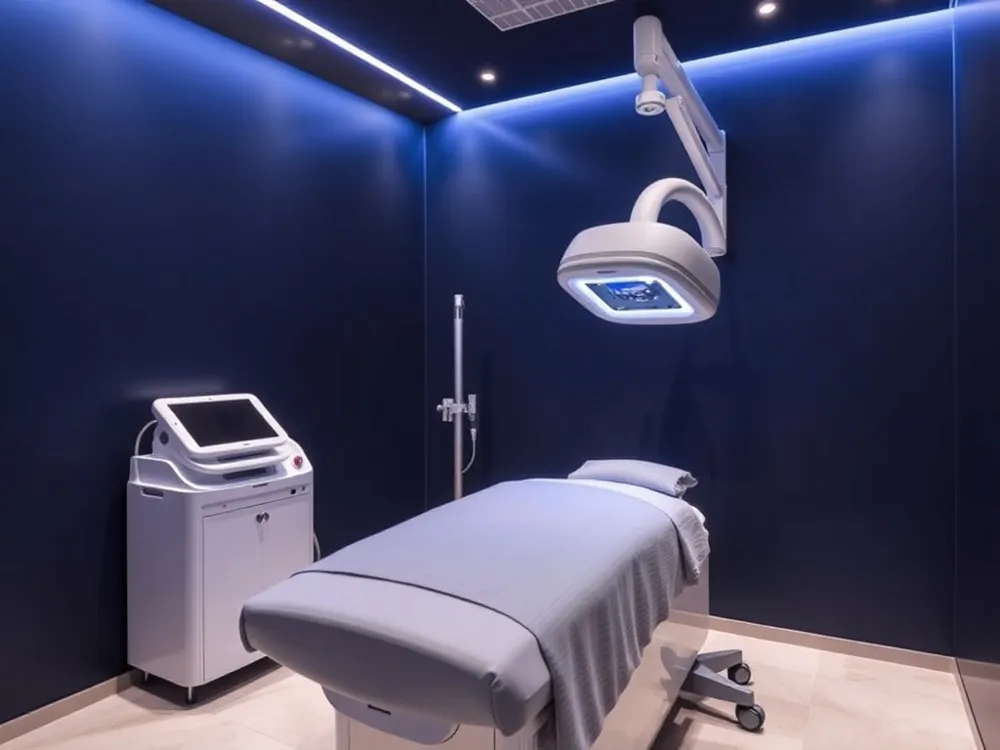
Iconic Laser reviews: What do patients say about their experience?
Iconic Laser in Troy, Michigan, holds an overall 4.8-star rating on Google (83 reviews) and a 4.0-star rating on Yelp (10 reviews). Clients frequently highlight Dr. Patel’s expertise, noting improvements in skin texture and hyperpigmentation after one session. Common positive mentions include reasonable pricing and thorough explanations. However, some reviews note discomfort during certain treatments and a cluttered office environment. Despite these few cautions, the majority of patients report high satisfaction with advanced technology and personalized care.
Iconic Medical Spa: What treatments are available and is the facility accessible?
Iconic Medical Spa offers a comprehensive range of FDA-cleared treatments, including laser hair removal, IPL photofacials, nonsurgical body sculpting, Botox®, and dermal fillers. Medical-grade facials such as the Iconic Signature HydraFacial® are also available, with add-ons like microneedling and chemical peels. The spa is located at 2888 E Long Lake Rd, Suite 160, Troy, Michigan, and operates by appointment only. The facility is ADA-compliant and wheelchair-accessible, offering extended weekday hours until 8:00 PM and Saturday appointments. Positive client feedback emphasizes Dr. Patel’s expertise in laser resurfacing and scar mitigation.
Clinic address: Where to find Iconic Laser and what makes the location convenient?
Iconic Laser is located at 3050 West Big Beaver Road, Troy, MI 48084, a highly accessible area near I-75. The location offers easy access from across metro Detroit and is surrounded by shopping, dining, and hotels. Free parking is available, and the clinic shares an address with the future Frances and Kenneth Eisenberg Troy Center for Specialty Care, underscoring its position in a premier healthcare hub. This central location provides a seamless experience for patients seeking advanced aesthetic treatments.
Common injectable and laser services: What are these foundation treatments?
Two of the most common services at medical aesthetic practices are injectable treatments and laser-based procedures. Injectable treatments, such as Botox and dermal fillers, are widely used to reduce wrinkles and restore facial volume with minimal downtime. Laser skin resurfacing is another popular service, improving skin texture, tone, and reducing hyperpigmentation effectively. Both options are non-surgical, highly in-demand, and form the foundation of many med spa menus due to their proven results and strong patient interest.
| Feature | Iconic Laser & Iconic Medical Spa | Patient Feedback |
|---|---|---|
| Patient Satisfaction | 4.8 stars (Google), 4.0 stars (Yelp) | Praise for Dr. Patel, results, pricing; minor discomfort or organization noted |
| Treatment Range | FDA-cleared injectables, laser, body sculpting, facials, microneedling, peels | Broad customization; advanced technology highlighted |
| Accessibility | 2888 E Long Lake Rd & 3050 W Big Beaver Rd, Troy, MI | Near I-75, ADA-compliant, free parking, healthcare hub location |
| Common Services | Botox, fillers, laser resurfacing, IPL, body contouring | Non-surgical, minimal downtime, high demand |
Regulatory Framework, Training, and Future Facility Standards
How do federal agencies and the state regulate infection control in aesthetic clinics?
Aesthetic clinics in Troy follow mandates from the CDC, OSHA, and the FDA. The CDC requires hand hygiene with an alcohol‑based rub for at least 20 seconds before and after each patient. OSHA mandates a documented sterilization log that records autoclave parameters, indicator results, and maintenance dates. The FDA requires all medical devices used in aesthetic procedures to be sterile and labeled as single‑use unless properly reprocessed. The Michigan Department of Health and Human Services adds guidelines for medical waste handling and infection control, which clinics must comply with.
What training and documentation is required to maintain sterile environments?
Staff must receive quarterly infection‑control training covering proper donning and doffing of PPE, sharps safety, and emergency spill response. Clinics must maintain sterilization logs for each autoclave cycle, recording temperature, pressure, and exposure time. Biologic indicators should be used at least weekly to verify sterilizer effectiveness. All training and compliance documents must be available for inspection.
How will the Eisenberg Troy Center raise local standards?
The University of Michigan Health is building a state‑of‑the‑art specialty center in Troy, known as the Frances & Kenneth Eisenberg Troy Center for Specialty Care, set to open in spring 2027. This $250 million, 224,000‑square‑foot facility will feature advanced surgical suites and infection‑control infrastructure, including LEED‑certified design elements like optimized ventilation and antimicrobial surface materials. Its presence will set a new benchmark for sterile environments in the region, influencing local aesthetic clinics to adopt comparable best practices.
Environmental Controls, Air Quality, and Cleanroom Practices
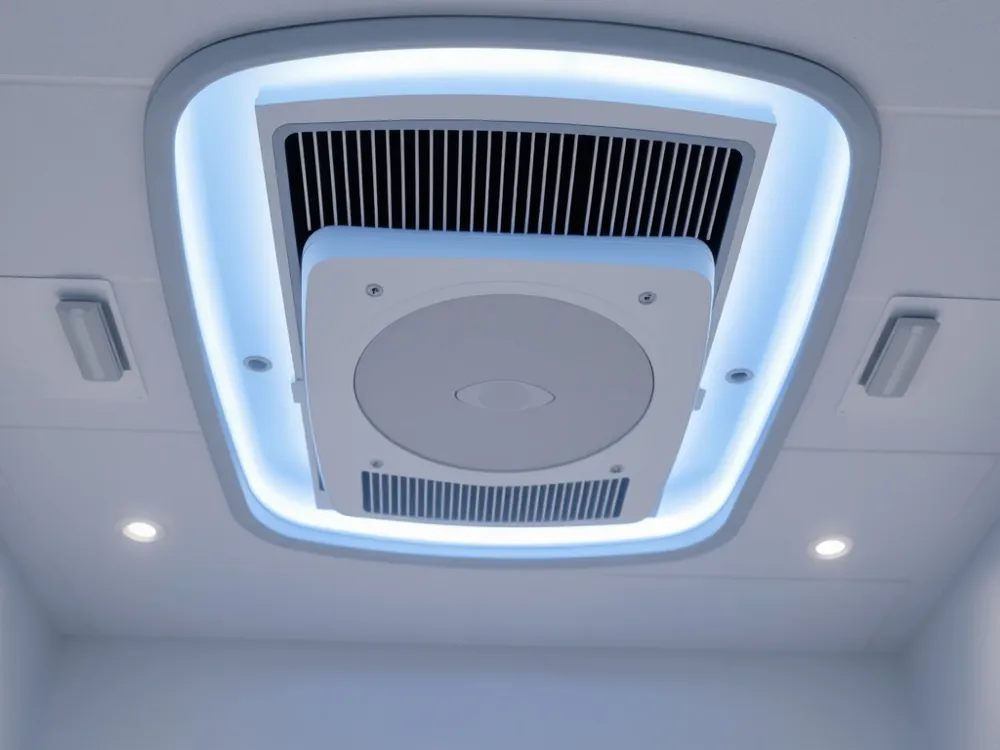
HEPA Filtration and Air Exchange
Maintaining clean air is a cornerstone of infection control in aesthetic clinics. HEPA‑filtered ventilation systems that achieve at least 12 air changes per hour significantly reduce airborne microbial loads, limiting the spread of pathogens during procedures that generate droplets or aerosols.
Cleanroom Classifications
Some clinics apply ISO cleanroom standards to treatment rooms. For example, ISO 5 environments maintain airborne particulate levels at ≤100 particles per cubic foot for particles ≥0.5 µm, mirroring conditions used in sterile pharmaceutical compounding and advanced surgical settings.
Surface Disinfection Protocols
EPA‑registered hospital‑grade disinfectants must be used on all high‑touch surfaces, with strict adherence to manufacturer‑specified contact times (typically 30 seconds to 10 minutes). This ensures effective elimination of bacteria, viruses, and fungi between patient appointments.
Surveillance and Aerosol Precautions
Routine microbiological surveillance—including surface swabs and air sampling—should be conducted at least monthly to verify cleaning efficacy. For aerosol‑generating procedures (e.g., laser resurfacing, high‑speed dermabrasion), staff must wear full barrier protection (masks, gowns, eye protection, gloves) and perform procedures in rooms with adequate ventilation and HEPA filtration.
Future Landscape and Continuous Improvement
Emerging Technologies
Advances such as HOCl‑based skin disinfectants provide broad‑spectrum activity with low irritation, while newer laser platforms integrate real‑time safety sensors to prevent overexposure. Microneedling devices now feature single‑use, sterilized cartridge systems that eliminate cross‑contamination risk. Clinics that adopt these innovations can enhance procedural safety and patient confidence.
Patient Education on Pre‑procedure Skin Preparation
Clear instructions on cleansing with antimicrobial washes, avoiding topical antibiotics, and removing makeup reduce the microbial load before injectables or laser treatments. Educated patients arrive with cleaner skin, which lowers infection rates and supports optimal healing. Providers reinforce these steps during consent discussions and follow‑up communications.
Telemedicine Triage and COVID‑19 Screening Protocols
Virtual pre‑visit screenings allow clinicians to assess symptoms, exposure history, and vaccination status, postponing care when indicated. This approach conserves clinic resources, maintains airborne infection controls, and aligns with CDC guidance for respiratory pathogen mitigation. Ongoing telemedicine follow‑up also supports postoperative monitoring without unnecessary in‑person contact.
Sustaining Premium Clinic Reputation through Ongoing Staff Competency Assessments
Regular competency checks—quarterly infection‑control drills, PPE donning/doffing evaluations, and updated training on emerging technologies—ensure consistent adherence to aseptic standards. Documented performance metrics demonstrate compliance to regulators and reassure clients that the clinic maintains the highest safety benchmarks.
Maintaining a Sterile Edge in Troy’s Premium Aesthetic Scene
Commitment to rigorous infection‑control standards
Troy’s top medical aesthetic clinics uphold standards that mirror those of hospital surgical suites. Hand hygiene before and after each patient contact, using an alcohol‑based rub for at least 20 seconds, is non‑negotiable. Critical instruments are processed in validated autoclave cycles, while single‑use needles, syringes, and micro‑cannulas are discarded immediately in puncture‑proof containers. EPA‑registered hospital‑grade disinfectants are applied to every high‑touch surface between appointments, and HEPA‑filtered ventilation achieving 12 or more air changes per hour maintains the air quality needed to reduce airborne microbial loads.
Integration of regulatory guidance with cutting‑edge technology
Facilities like Revitalize Medical Spa and the Aesthetic Method combine CDC, OSHA, and FDA guidance with advanced equipment. Laser devices are cleaned per manufacturer instructions, and sterile barrier techniques are mandatory during injectable and laser procedures. Environmental monitoring, including surface swabs and air sampling, verifies that cleaning protocols remain effective. This alignment of regulatory compliance with technological innovation assures patients that every treatment—from facial rejuvenation to body contouring—is performed in a controlled, sterile environment.
Ongoing staff training and patient communication
Quarterly infection‑control training ensures that all team members stay current on PPE use, sharps safety, and emergency spill response. Clinic staff are also trained to screen patients for active infections at check‑in and to defer non‑urgent procedures when signs of illness are present. Open communication about hygiene standards empowers patients to ask about sterilization logs, hand hygiene routines, and the training of their provider, building trust and safety into every visit.
Future growth through facilities like the Eisenberg Troy Center
The upcoming Eisenberg Troy Center for Specialty Care from Michigan Medicine will set a new benchmark for sterile infrastructure in the region. Its state‑of‑the‑art surgical suites and LEED‑certified design—with optimized ventilation and antimicrobial surface materials—underscore Troy’s commitment to elevating infection control. As this facility anchors the city’s medical landscape, existing aesthetic clinics will continue to raise their own standards, ensuring that Troy remains a destination for safe, premium aesthetic care.
| Standard | Key Requirement | Frequency/Focus |
|---|---|---|
| Hand hygiene | Alcohol‑based rub for ≥20 seconds | Before and after each patient |
| Instrument sterilization | Autoclave at 121°C for 30 min | After each use; logged per OSHA |
| Surface disinfection | EPA‑registered hospital‑grade disinfectant | Between every patient |
| Air quality | HEPA filtration, ≥12 air changes/hour | Continuous in treatment rooms |
| Patient screening | Check for active infections, skin lesions | At check‑in |
| Staff training | PPE, sharps safety, emergency response | Quarterly |
| Environmental monitoring | Surface swabs, air sampling | At least monthly |
| Single‑use items | Needles, syringes, cannulas | Discard immediately after procedure |