Understanding Seasonal Impacts on Skin
Seasonal shifts drive measurable changes in skin physiology. Low winter humidity spikes transepidermal water loss, compromising the barrier and causing dryness, while summer heat and humidity boost sebum production, leading to congestion. UV radiation peaks in summer, intensifying photo‑aging, melanin synthesis, and collagen breakdown—making broad‑spectrum SPF30+ essential year‑round. Spring pollen and elevated ozone levels trigger inflammatory pathways that can flare eczema, rosacea, and acne, so anti‑inflammatory agents such as niacinamide become valuable. Dietary patterns also sway skin health; antioxidant‑rich fruits in summer and adequate water intake counter oxidative stress and maintain turgor. Indoor heating and air‑conditioning desiccate the stratum corneum, necessitating richer, ceramide‑laden moisturizers in winter and lighter, oil‑free formulas in summer. Finally, daylight‑driven hormonal fluctuations alter cortisol and melatonin rhythms, influencing oil output and barrier repair, underscoring the need for personalized, season‑adjusted skincare regimens.
Seasonal Climate and Skin Barrier Function
 Seasonal shifts dramatically influence the skin's barrier. Low‑humidity winter air and indoor heating increase transepidermal water loss, leaving the stratum corneum dehydrated and prone to flaking, irritation, and eczema flare‑ups. In summer, higher UV radiation intensifies melanin production, accelerating photo‑aging and hyperpigmentation if broad‑spectrum SPF 30+ is not applied consistently. Indoor climate control—air‑conditioning in summer and heating in winter—creates abrupt humidity changes that strip natural lipids, compromising barrier integrity. To counteract these stressors, personalized barrier‑repair regimens prioritize ceramide‑rich moisturizers and humectants such as hyaluronic acid, which draw and lock water while restoring lipid matrix function.
Skin allergy due to climate change Climate change reshapes the exposome by raising temperatures, humidity, and airborne pollutants, which boost pollen counts, ozone, and particulate matter that can trigger or worsen skin allergies. Oxidative stress and inflammatory pathways are amplified, leading to atopic dermatitis, contact urticaria, and heightened rosacea activity. Protective strategies include daily broad‑spectrum sunscreen, antioxidant‑rich moisturizers, and barrier‑repair products; a board‑certified dermatologist can tailor preventive measures.
Climate change, skin health, and dermatologic disease: a guide for the dermatologist Increasing UV exposure from ozone depletion, heightened pollution, and rising ambient temperatures disrupt the skin microbiome and exacerbate melanoma, keratinocyte cancers, psoriasis, acne, melasma, and photo‑aging. Extreme weather events add trauma and infection risk. Dermatologists should integrate climate‑aware assessments, leverage non‑invasive technologies such as digital skin analysis, and advocate for patient education and public health policies to mitigate these emerging challenges.
UV Radiation, Photoaging, and Cancer Risk
 Seasonal UV index peaks in summer, especially in regions like Michigan where UV levels often exceed 6, driving collagen breakdown, melanin over‑production, and hyperpigmentation. UV radiation peaks in summer, accelerating photo‑aging and collagen breakdown. Broad‑spectrum sunscreen (SPF 30 + is should be applied every morning to all exposed areas—including face, neck, ears, and lips—and reapplied at least every two hours outdoors, after swimming or sweating. Daily broad‑spectrum sunscreen use is essential for all skin types. Antioxidant serums rich in vitamin C, niacinamide, and green‑tea extract neutralize free radicals generated by UV exposure, supporting collagen integrity and reducing oxidative stress year‑round. Vitamin C and niacinamide are antioxidants that help protect skin from UV‑radical damage caused by UV exposure. Photoprotection is essential for all skin tones; while darker skin exhibits delayed photo‑aging signs, it remains vulnerable to UV‑induced DNA damage and pigmentation, necessitating the same high‑SPF, UVA‑protective formulas. Research shows that individuals with darker skin tones experience delayed photo‑aging signs but are still susceptible to hyperpigmentation from summer sun exposure.
Climate change and skin cancer – Rising temperatures and ozone depletion amplify UVB/UVA radiation, encouraging longer outdoor activity and diminishing sunscreen stability, which together increase melanoma, basal‑cell, and squamous‑cell cancer risk. Stratospheric ozone depletion increases ultraviolet (UV) radiation exposure, raising the risk of melanoma and keratinocyte carcinomas. Clinicians must stress rigorous sun‑protection, regular skin examinations, and personalized regimens to counter this growing threat.
Best seasonal skincare routine – Maintain a gentle hydrating cleanser year‑round, layering hyaluronic‑acid moisturizers. Gentle, non‑stripping cleansers preserve the skin’s natural lipid barrier. Hyaluronic acid and ceramide‑rich moisturizers help replenish skin lipids that are depleted by indoor heating and hot showers. Switch to richer, ceramide‑dense creams in fall/winter, add barrier‑repair serums (peptides, niacinamide), and never skip daily SPF. Niacinamide improves barrier function and reduces inflammation. Spring adds gentle exfoliation 1‑2 times weekly; regular, mild exfoliation with a chemical exfoliant containing glycolic or lactic acid helps remove dead skin cells. Summer calls for oil‑free, sweat‑resistant products and frequent sunscreen re‑application. Oil‑free moisturizers are recommended in humid climates to prevent clogged pores. Use humidifiers in dry months and protect hands/lips with SPF balms. Using a humidifier indoors during winter can raise ambient moisture levels, reducing skin dryness. Lip balm containing SPF is important year‑round because UV exposure can lead to lip cancer.
Personalized Acne Management Across Seasons
 Seasonal acne reflects how temperature, humidity, and daylight length drive skin physiology. Warm, humid summer months boost sebum production, while cold, dry winter air impairs the barrier, prompting compensatory oil output that can clog pores. Spring and fall temperature swings trigger inflammation, increasing breakout frequency. A personalized acne program starts with a detailed skin assessment—capturing lesion type, frequency, and barrier status—performed either in‑office or via a secure tele‑dermatology platform. The resulting custom formula typically blends azelaic acid for anti‑inflammatory and pore‑clearing effects, niacinamide to reinforce the lipid barrier and reduce redness, and a low‑dose retinoid (e.g., tretinoin) to accelerate turnover without excessive irritation. Daily routine includes a gentle, non‑comedogenic cleanser, the targeted serum applied at night, a lightweight oil‑free moisturizer for hydration, and broad‑spectrum SPF 30+ sunscreen to prevent post‑inflammatory hyperpigmentation. Regular follow‑up visits allow clinicians to monitor progress, adjust active concentrations, and incorporate seasonal tweaks—such as adding salicylic acid in humid months or richer ceramide‑rich moisturizers in winter—ensuring optimal, year‑round acne control.
Summer Skincare Strategies
 A successful summer skincare routine begins with a gentle, hydrating cleanser—preferably oil‑free—that removes sweat, sunscreen, and excess sebum without stripping the skin’s natural lipid barrier. Follow the cleanse with a lightweight antioxidant‑rich serum such as vitamin C or hyaluronic acid; these ingredients neutralize UV‑induced free radicals while replenishing moisture, a crucial step when humidity is high and oil production rises. Broad‑spectrum SPF 30+ should be applied every morning to all exposed areas and reapplied every two hours, especially after swimming, sweating, or towel‑drying; tinted mineral formulas can add coverage and reduce the need for heavy makeup. In the evening, a soothing, hydrating mask or mist calms irritation, and a non‑comedogenic night cream—ideally containing ceramides or peptides—supports barrier repair and collagen synthesis. Dermatologist‑recommended summer tips also include staying well‑hydrated, using a double‑cleanse technique when needed, incorporating a mild chemical exfoliant (AHA/BHA) once or twice weekly to prevent clogged pores, and protecting lips with SPF‑infused balm. Regular professional assessments at a medical aesthetic clinic can fine‑tune product concentrations and schedule laser or IPL treatments to address photo‑damage, ensuring a radiant, balanced complexion year‑round.
Aging, Skin Type Evolution, and Lifestyle Adjustments
 As we move through the decades, the epidermis thins and the dermal matrix loses collagen and elastin, resulting in a translucent surface, reduced firmness, and the formation of fine lines and deeper wrinkles. Sebaceous glands also down‑regulate, so oil production drops and skin that was once oily or combination often becomes drier and more sensitive. Hormonal shifts, especially after menopause, further diminish lipid output, making the barrier prone to transepidermal water loss.
Diet, hydration, and sleep are powerful modulators of these changes. Antioxidant‑rich fruits, omega‑3 fatty acids, and adequate water intake support barrier lipids and help neutralize UV‑induced free radicals, while consistent, restorative sleep promotes DNA repair and collagen synthesis. Conversely, processed foods, dehydration, and chronic sleep deprivation accelerate inflammation and accelerate degradation.
Because skin type is not static, regular dermatologist or medical aesthetic clinic assessments are essential. A personalized, science‑backed regimen—including non‑invasive treatments such as laser‑based collagen remodeling, micro‑needling, or customized serums—can be adjusted every 2–3 months to match the evolving barrier function, sebum levels, and lifestyle factors, ensuring safety and optimal results.
Building a Custom Routine and Future Trends
 A solid routine follows the order cleanser → toner → serum → moisturizer → SPF. Begin with a gentle, skin‑type‑appropriate cleanser, then a pH‑balancing toner to prime the barrier. Apply actives—vitamin C, hyaluronic acid, peptides—while the skin is still damp, seal with a moisturizer (gel for oily skin, cream for dry), and finish each morning with broad‑spectrum SPF 30+.
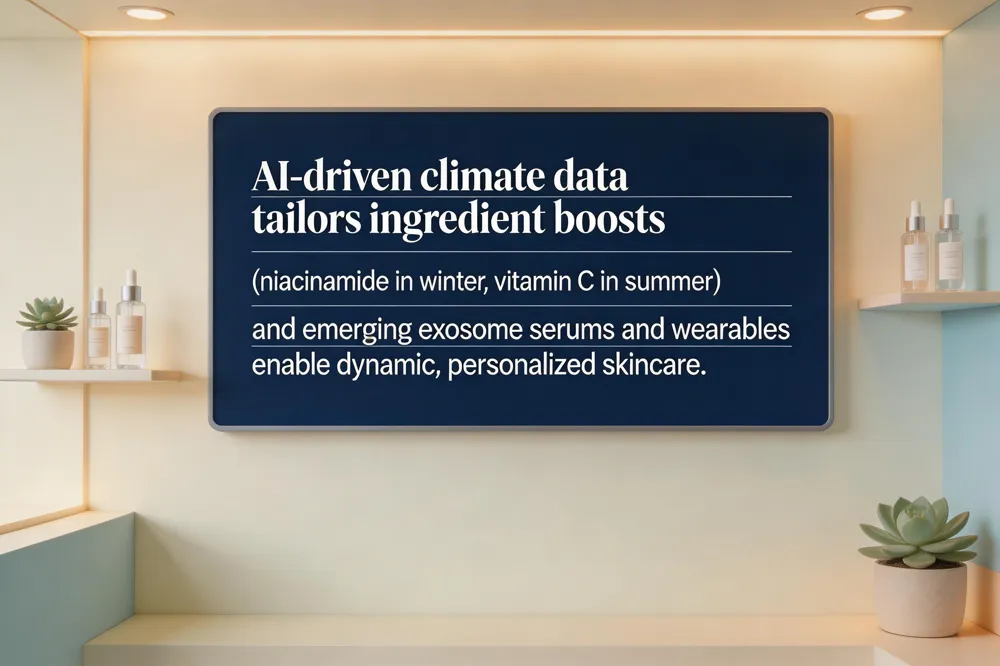
AI‑driven analysis platforms now ingest real‑time climate data (UV index, humidity, pollen) to predict individual oxidative stress and suggest seasonal ingredient boosts—more niacinamide in winter, vitamin C in summer. Regular professional assessments at medical aesthetic clinics validate these recommendations and allow precise treatment planning, from laser resurfacing to custom serums.
Emerging technologies such as exosome‑based regenerative serums and wearable skin‑hydration sensors are expanding personalized care, offering dynamic adjustments to actives based on live skin metrics.
Build my skincare routine with my products – Start with a gentle cleanser, follow with a balancing toner, apply targeted serums (e.g., vitamin C, hyaluronic acid) on damp skin, then a moisturizer suited to your oil level, and finish with SPF 30+. Add eye cream if needed and layer specific treatments (retinol, niacinamide) after the serum, allowing absorption before moisturizing.
Top 10 skin care tips for summer – 1) Apply SPF 30+ (preferably 50) every morning and re‑apply every 2 hours. 2) Hydrate internally (water, water‑rich foods) and externally with hyaluronic acid moisturizers. 3) Use a vitamin C serum for antioxidant protection, pausing if breakouts flare. 4) Perform monthly self‑checks of moles; schedule an annual dermatologist exam. 5) Wear UPF‑rated clothing , wide‑brim hats, and sunglasses. 6) Seek shade during peak sun hours. 7) Re‑apply sunscreen after swimming or sweating. 8) Keep skin slightly acidic with a gentle cleanser. 9) Limit heavy occlusives; opt for lightweight, non‑comedogenic products. 10) Use a cooling after‑sun balm (aloe or cucumber) to soothe irritation.
Putting It All Together for Year‑Round Radiance
Continuous seasonal monitoring allows clinicians to anticipate shifts in humidity, UV intensity, and allergen exposure that affect barrier integrity, oil production, and inflammation. By tracking these variables, professionals can recommend timely product swaps—richer ceramide‑rich creams and humectants in low‑humidity winter, lightweight gel moisturizers and oil‑controlling serums in humid summer, and antioxidant‑dense formulas during peak UV months. Regular skin assessments at Iconic Laser provide objective data on transepidermal water loss, pigment changes, and texture, enabling precise adjustments to active ingredients and treatment schedules. Empowering patients with clear education about environmental triggers and personalized plans encourages adherence, maximizes efficacy of non‑invasive aesthetic procedures, and promotes year‑round radiance for healthier skin.