Introduction
Laser‑assisted hair restoration, anchored in low‑level laser therapy (LLLT), uses red‑light wavelengths (≈650 nm) to boost mitochondrial activity, improve scalp microcirculation, and prolong the anagen phase of hair follicles. In 2026 the clinical landscape is rich with FDA‑cleared devices—home caps, combs, and in‑office helmets (e.g., Appotronics’ 650 nm cap, Hairmax’s combs, and multi‑function beauty lasers—that have demonstrated 3‑5 mm new growth in six‑month trials and 10‑30 % density gains in randomized studies. Our clinic leverages this evidence‑based technology alongside regenerative adjuncts such as PRP and exosome therapy, delivering personalized protocols that respect safety (minimal erythema, <1 % adverse events) and optimize outcomes through proprietary Light Homogenization and Laser Speckle Effect innovations. This integration ensures patients receive the latest, non‑invasive, science‑backed solutions for hair regrowth.
Safety Profile of Laser Hair Growth Treatments
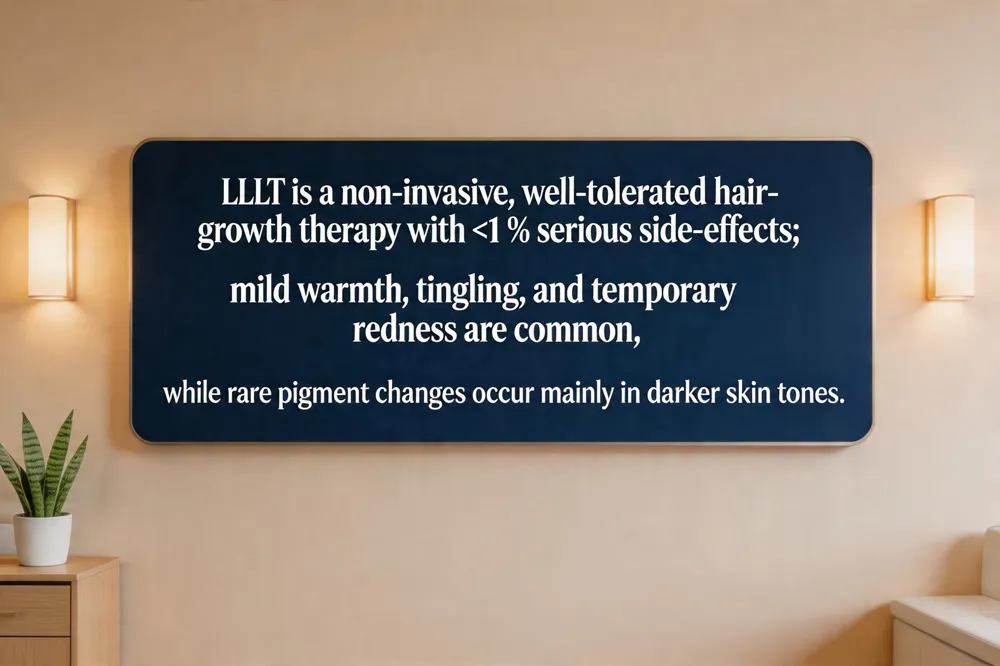 Low‑level laser therapy (LLLT) for hair growth is widely regarded as a non‑invasive, well‑tolerated option. Clinical data across multiple studies (e.g., Cleveland Clinic, University of Minnesota) report only mild, transient sensations such as a warm feeling, slight tingling, or brief redness after a session. A small minority of users experience temporary scalp dryness, a brief increase in shedding as follicles shift into the anagen phase, or mild headaches that resolve without intervention. Rare adverse events—pigment changes or heightened sensitivity—have been noted mainly in patients with darker skin tones or pre‑existing scalp conditions, but these are uncommon and self‑limiting.
Contraindications are clear: anyone with a history of scalp, head, or neck skin cancer, active infections, or photosensitivity disorders should obtain dermatologist approval before starting therapy. Devices that comply with FDA clearance and manufacturer guidelines (e.g., 650 nm red‑light caps, combs, and helmets) have demonstrated a <1 % incidence of serious side effects, underscoring their safety when used correctly. Overall, LLLT offers a safe, low‑risk adjunct to hair‑loss management when personalized to the patient’s scalp health and medical history.
Emerging Innovations in Hair Restoration
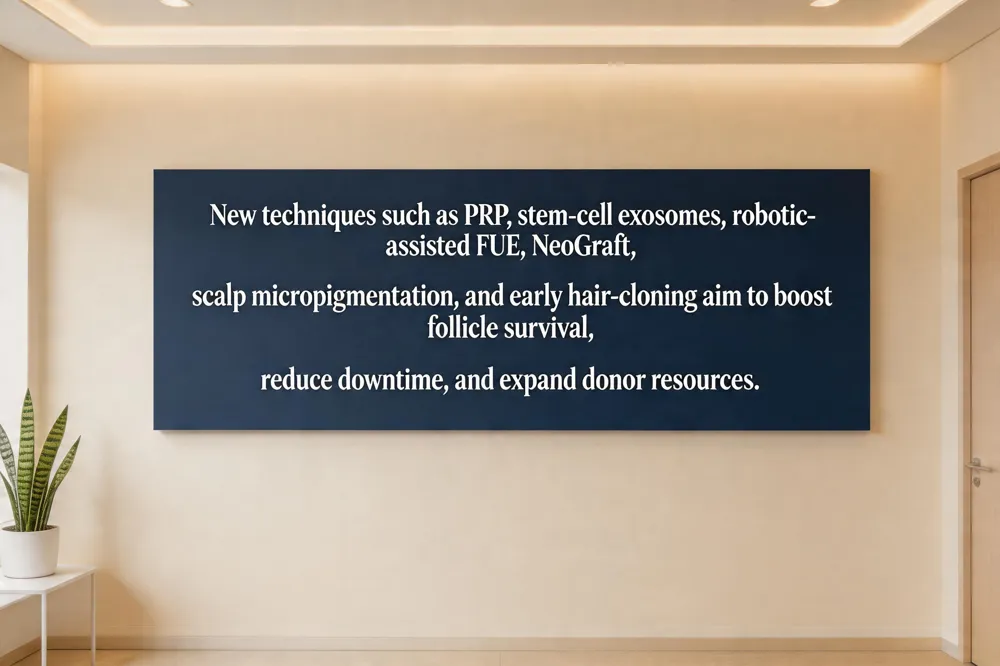 New innovative hair restoration techniques
Recent advances prioritize follicle survival while minimizing downtime. Platelet‑Rich Plasma (PRP) and stem‑cell‑derived exosome injections deliver concentrated growth factors to the scalp, stimulating natural regrowth and enhancing graft viability. Robotic‑assisted Follicular Unit Extraction (FUE) and next‑generation NeoGraft systems provide ultra‑precise extraction and placement, reducing scarring and shortening procedure time. Low‑level laser therapy (LLLT) and scalp micropigmentation offer non‑surgical options for early‑stage loss and cosmetic density, respectively. Emerging research into hair‑cloning and tissue‑expansion promises to expand donor resources and create scalable, permanent solutions for both men and women.
Latest hair transplant technology 2025
In 2025 the most sophisticated procedures combine robotic‑assisted FUE with devices such as the Hybrid Tornado Punch, delivering grafts with minimal trauma and virtually no linear scarring. Direct Hair Implantation (DHI) and No‑Shave FUE techniques further improve graft survival by allowing immediate, pressure‑free placement while patients keep short hair. Regenerative adjuncts—including low‑level laser devices like the Z CAP and topical growth‑factor nanoparticles (Z‑Factors)—boost follicle health and support transplant outcomes, resulting in faster recovery, higher density, and a natural appearance.
DHI hair transplant
Direct Hair Implantation (DHI) uses a patented ultra‑fine implantation pen to place grafts directly into the scalp without pre‑made incisions, granting precise control of angle, depth, and direction. This minimally invasive technique yields graft‑survival rates above 90 % and virtually painless, scar‑free results. Performed by board‑certified specialists, DHI includes comprehensive diagnostic work‑up and post‑procedure care, delivering long‑lasting, dense growth for men and women.
Advanced Non‑Surgical Therapies and Consumer Feedback
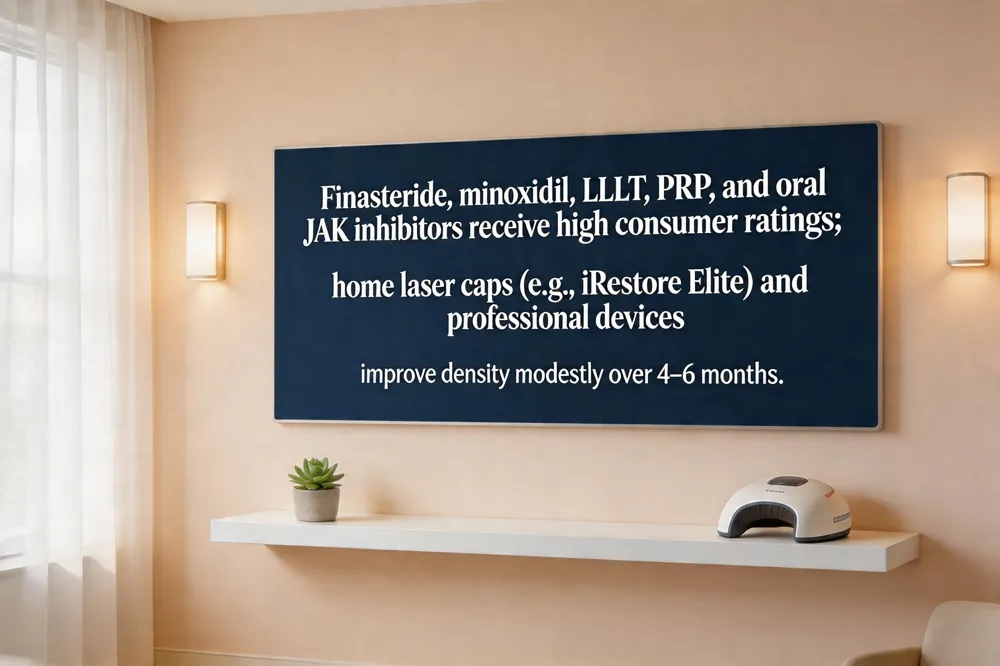 In the United States, patients consistently rate FDA‑cleared finasteride and minoxidil highly for steady thinning reduction, while emerging non‑surgical options such as low‑level laser therapy (LLLT), platelet‑rich plasma (PRP) injections, and oral JAK inhibitors receive mixed but generally positive feedback, especially in early‑stage androgenetic alopecia. Health sites like Advanced Hair Restoration (Beverly Hills) hold 4.2‑star Yelp ratings, and Fortune’s 2026 “Best Hair Loss Treatments” roundup highlights Hims 5% minoxidil and Happy Head’s dutasteride‑minoxidil blend as top consumer choices.
The most effective advanced treatments combine proven pharmaceuticals with biologically‑driven procedures. Oral finasteride (or dutasteride) and topical minoxidil remain the cornerstone; PRP and LLLT provide non‑invasive regeneration, and JAK inhibitors are breakthrough options for alopecia areata. Tailored regimens—often a blend of medication, PRP, and laser therapy—deliver the best outcomes, with board‑certified dermatologists monitoring dosing and side effects.
Home laser caps such as Hairmax PowerFlex 272, Appotronics’ 650 nm Laser Hair Regrowth Cap, and iRestore Essential are FDA‑cleared LLLT devices. Clinical data show modest density gains after 4‑6 months of daily use, especially when combined with minoxidil and proper scalp care. Results are less dramatic than in‑clinic systems but useful for early thinning.
Among at‑home devices, the iRestore Elite Laser Hair Growth System—500 low‑level diodes delivering 650 nm photobiomodulation—is widely regarded as the top performer, with independent studies reporting measurable density increase after six months. The CurrentBody LED Hair Growth Helmet offers a hands‑free, full‑scalp option with 120 red‑light LEDs and Bluetooth audio, also earning high user ratings. When paired with professional regenerative protocols, these lasers markedly improve scalp health and hair appearance.
Laser Hair Removal Considerations
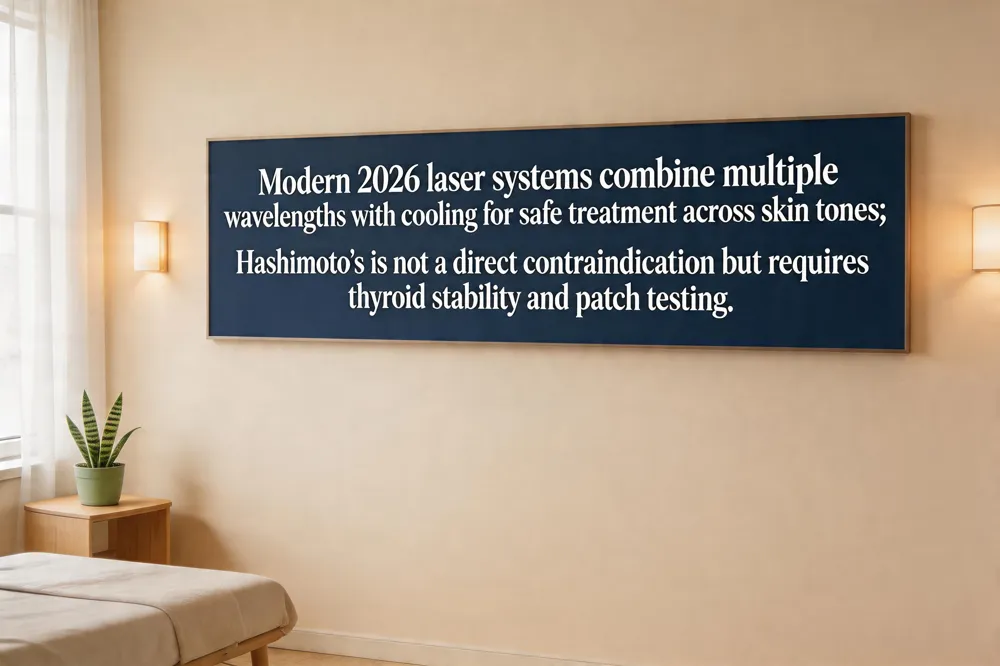 Laser therapy for hair removal uses a concentrated beam of light that is absorbed by melanin in the hair shaft, converting photon energy into heat that damages the follicle and delays future growth. Modern 2026 systems combine multiple wavelengths (e.g., Alexandrite, Diode, Nd:YAG) and intelligent cooling to treat a wide range of skin tones safely, achieving up to 95 % permanent reduction after 6–8 sessions spaced 4–6 weeks apart. Typical protocols begin with a shaved area, avoidance of sun exposure, and a brief pre‑treatment skin analysis. When performed by a board‑certified dermatologist or trained medical professional, the procedure is fast, minimally invasive, and carries a low risk of burns or pigment changes.
Can you get laser hair removal with Hashimoto’s? Hashimoto’s disease itself is not a direct contraindication, but thyroid‑related skin changes and photosensitizing medications can increase temporary redness or irritation. Patients should have stable thyroid function, discuss any photosensitizing drugs, and consider a patch test before full treatment. With proper medical clearance and a personalized plan, most individuals with Hashimoto’s can safely undergo laser hair removal.
Cost of Hair Restoration Options
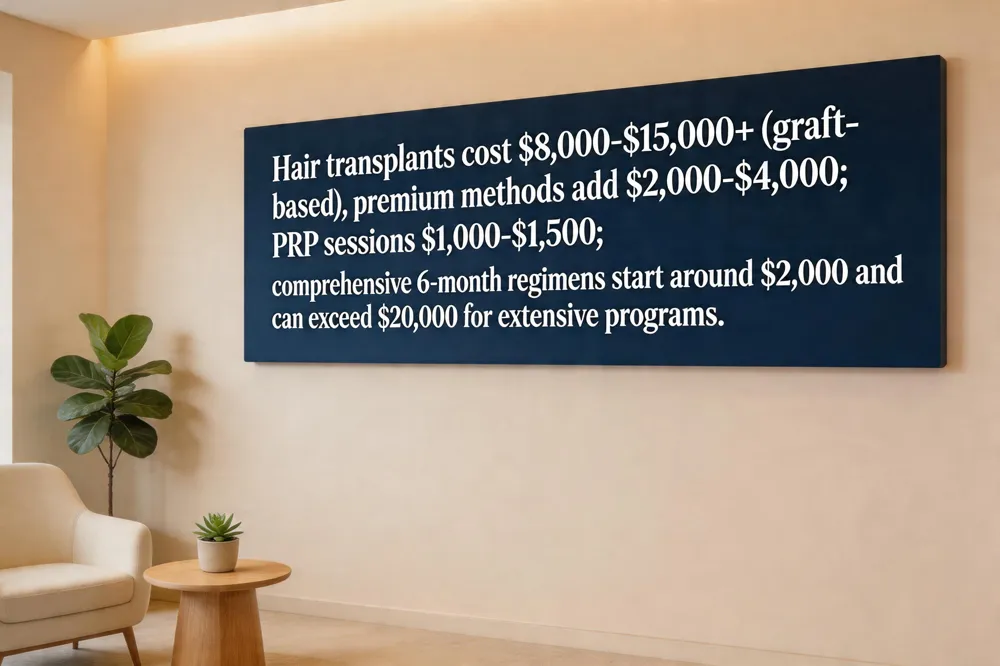 Advanced hair restoration encompasses medication, PRP therapy, stem‑cell treatments, and surgical grafting, so total costs vary widely. A full‑scale hair transplant in the U.S. usually costs $8,000‑$15,000 + depending on graft number, with per‑graft rates dropping as graft count rises. Premium techniques such as No‑Shave FUE, robotic grafting, or DHI add $2,000‑$4,000 to the base price, while standalone PRP sessions run about $1,000‑$1,500 each. A conservative 6‑month medical regimen without surgery may start around $2,000, whereas extensive multi‑session programs that combine PRP, stem‑cell therapy, and a large graft transplant can exceed $20,000. Many premium clinics in Troy, Michigan offer complimentary consultations and flexible financing to help patients budget this investment.
Emerging Pharmacologic Advances
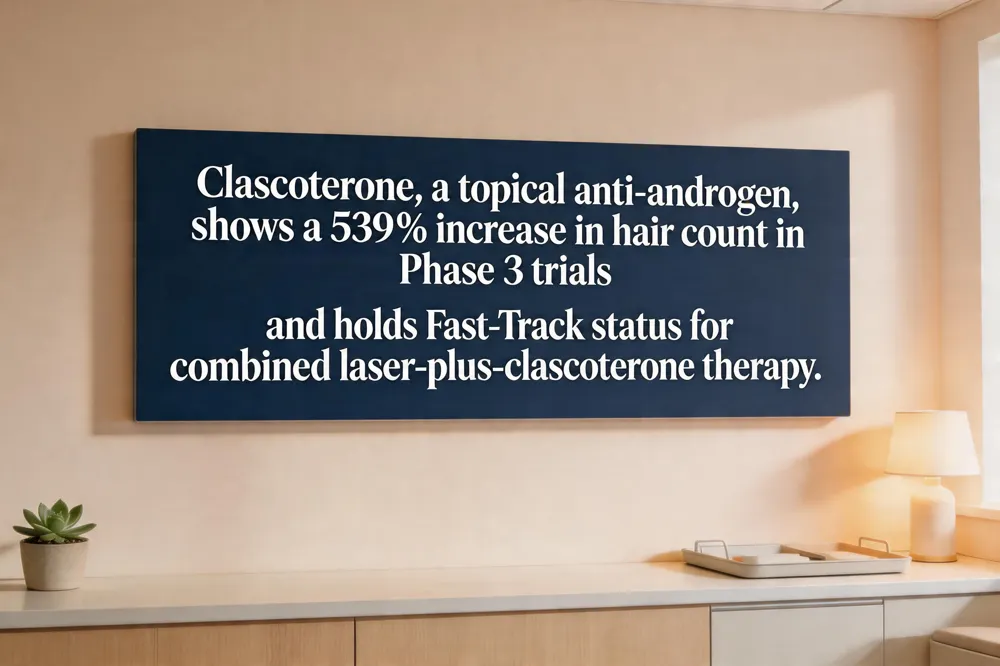 New hair loss treatment clascoterone – Clascoterone, a 5 % topical anti‑androgen originally cleared for acne, is now being repurposed for androgenetic alopecia. Phase 3 trials completed in late 2025 showed a dramatic 539 % increase in target‑area hair count versus vehicle (and a 168 % improvement in a separate study). The drug works by locally blocking androgen receptors in the scalp, preventing dihydrotestosterone‑driven miniaturization while maintaining negligible systemic absorption. Safety data are comparable to placebo, with no meaningful systemic androgen effects, and the FDA has granted Fast‑Track designation for a combined laser‑plus‑clascoterone regimen. If approved, clascoterone would be the first new mechanism for male pattern hair loss in over three decades.
Best advanced hair‑loss treatments in the USA – The most effective contemporary regimens blend proven pharmacology with cutting‑edge procedures. Oral finasteride (or dutasteride) and topical minoxidil remain the foundation for androgenetic alopecia, while spironolactone is frequently added for women with hormone‑driven thinning. Non‑surgical biologic options such as Platelet‑Rich Plasma (PRP) injections and low‑level laser therapy (LLLT) enhance follicular metabolism and graft survival. For alopecia areata, oral JAK inhibitors (e.g., baricitinib) provide a breakthrough systemic approach. When medical therapy plateaus, hair‑transplant surgery (FUE/FUT) or robotic‑assisted extraction offers permanent restoration. Personalized care—guided by a board‑certified dermatologist—optimizes dosing, monitors side effects, and integrates adjunctive laser or regenerative therapies for the best long‑term outcomes.
The 2026 Laser Technology Landscape
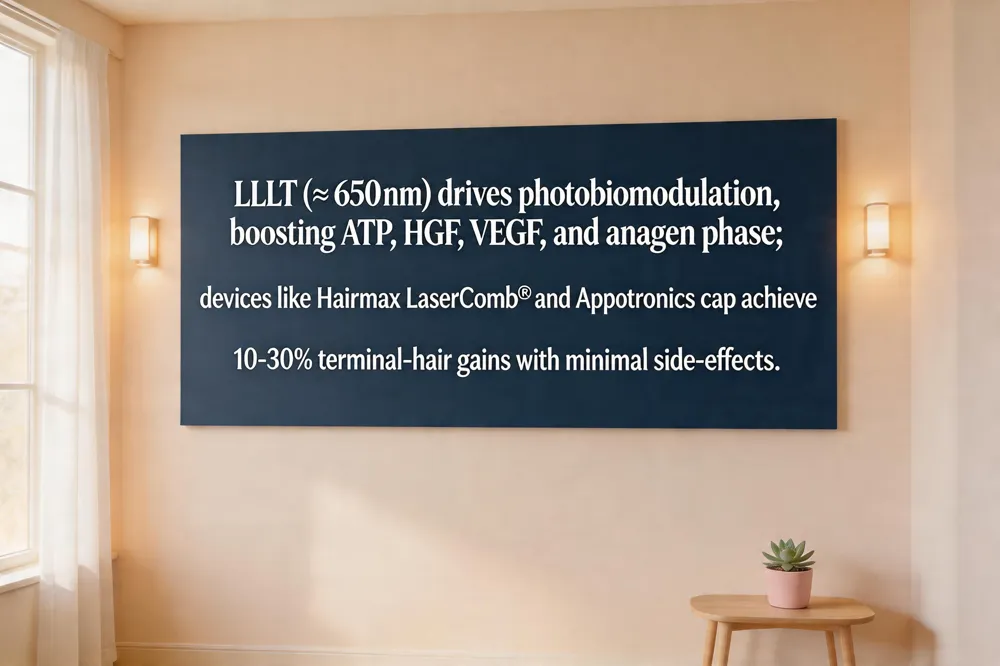 The breakthrough hair technology emerging in 2026 is low‑level laser therapy (LLLT), a non‑invasive scalp treatment that uses specific red‑light wavelengths (≈ 650 nm) to boost cellular activity and microcirculation in hair follicles. Photobiomodulation from LLLT increases ATP production, up‑regulates growth factors such as HGF and VEGF, and prolongs the anagen phase, resulting in measurable gains in hair density and thickness after 6–12 months of consistent use. Clinical trials of devices like the Hairmax LaserComb® and Appotronics’ 650 nm laser cap have shown 10‑30 % improvements in terminal‑ hair counts with minimal side‑effects. Premium aesthetic clinics now combine LLLT with regenerative adjuncts—platelet‑rich plasma, exosomes, or topical agents such as PP405—to enhance drug delivery and follicular stem‑cell activation. This synergistic, evidence‑based protocol is rapidly becoming the gold standard for minimally invasive, personalized hair‑restoration in 2026.
Tailored Protocols and Future Outlook
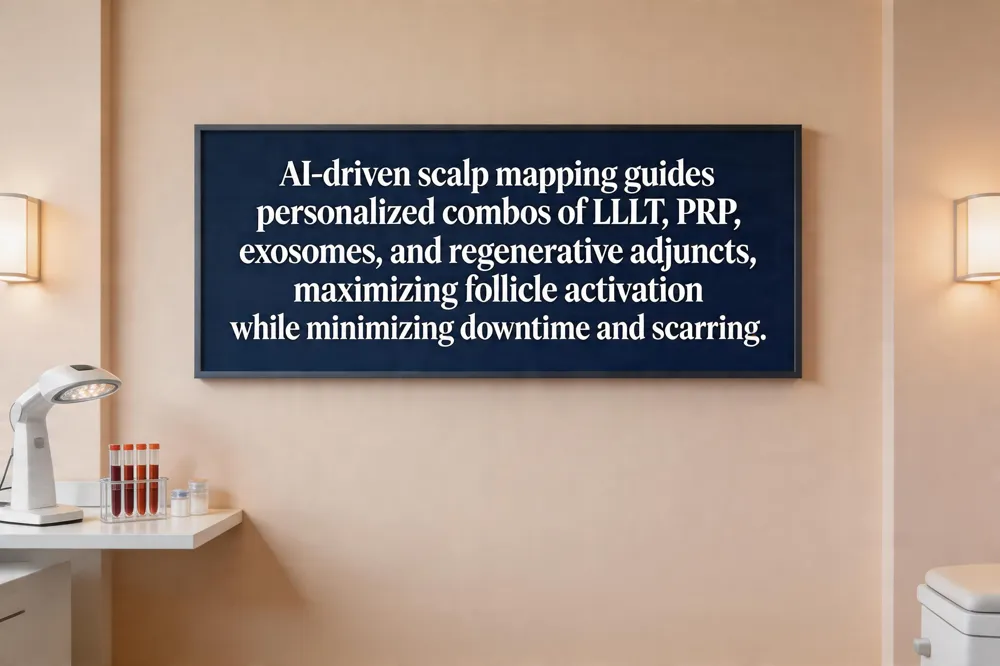 Personalized treatment plans now begin with a detailed scalp analysis, often using AI‑driven mapping software to pinpoint thinning zones and follicle density. Clinicians then combine low‑level laser therapy (LLLT) with regenerative biologics—platelet‑rich plasma (PRP) and exosome injections—to maximize cellular activation. LLLT delivers 650 nm red light at therapeutic fluence, boosting microcirculation and up‑regulating growth factors, while PRP supplies a concentrated cocktail of PDGF, IGF‑1, and VEGF that further stimulates follicular stem cells. Exosome‑enhanced LLLT leverages laser‑induced skin permeability to improve vesicle uptake, accelerating follicle regeneration and reducing inflammation.
New innovative hair restoration techniques focus on maximizing follicle survival while minimizing downtime. Platelet‑Rich Plasma (PRP) and stem‑cell‑derived exosome injections deliver growth factors directly to the scalp, stimulating natural regrowth and enhancing graft viability. Robotic‑assisted Follicular Unit Extraction (FUE) and advanced NeoGraft systems provide ultra‑precise graft harvesting and placement, reducing scarring and shortening procedure time. Low‑level laser therapy (LLLT) and scalp micropigmentation offer non‑surgical options for early‑stage loss and cosmetic density, respectively. Emerging research into hair‑cloning and tissue‑expansion techniques promises to expand donor resources and create permanent, scalable solutions for both men and women.
Conclusion
Laser‑assisted hair restoration has evolved into a multi‑modal, evidence‑based discipline. Low‑level laser therapy (LLLT) now delivers precise photobiomodulation at the 650‑nm “golden wavelength” to stimulate follicular stem cells, extend the anagen phase, and improve graft survival after transplantation. Cutting‑edge devices—such as Appotronics’ 120‑laser cap, Hairmax’s FDA‑cleared combs and helmets, and wearable LED arrays—provide uniform energy distribution through Light Homogenization Technology and the Laser Speckle Effect. When combined with regenerative adjuncts like PRP, exosomes, and stem‑cell‑derived factors, LLLT enhances vascularization, reduces inflammation, and yields up to 30–40 % gains in hair density. Our clinic integrates these validated technologies with personalized scalp‑mapping, AI‑guided treatment planning, and rigorous safety protocols, ensuring each patient receives a tailored, minimally invasive solution backed by the latest scientific research.