Introduction
Luxury aesthetic care today blends cutting‑edge, minimally invasive procedures with a holistic wellness philosophy that prioritizes both appearance and emotional well‑being. An emerging trend in premium medical spas is the integration of art therapy and curated visual environments, which research shows can lower cortisol, reduce procedural anxiety, and boost patient satisfaction. By embedding calming artwork, nature‑inspired color palettes, and guided creative stations into treatment rooms, clinics create a therapeutic ambiance that complements advanced technologies such as laser resurfacing, RF microneedling, and injectable rejuvenation. This section outlines the evolution of luxury aesthetic services, explains why visual and creative interventions are gaining traction, and sets the stage for a deeper dive into evidence‑based design strategies that enhance safety, personalization, and overall patient experience.
Defining Luxury Aesthetics and Their Role in Premium Clinics
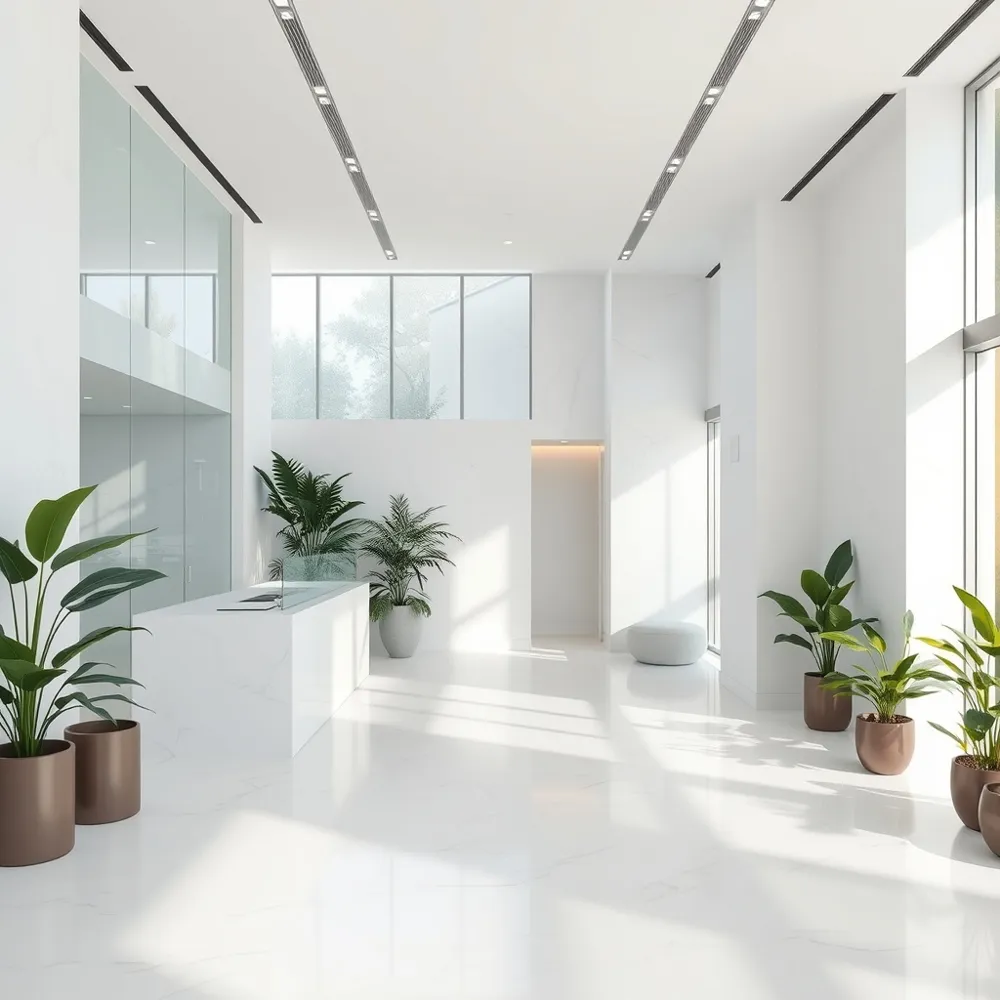
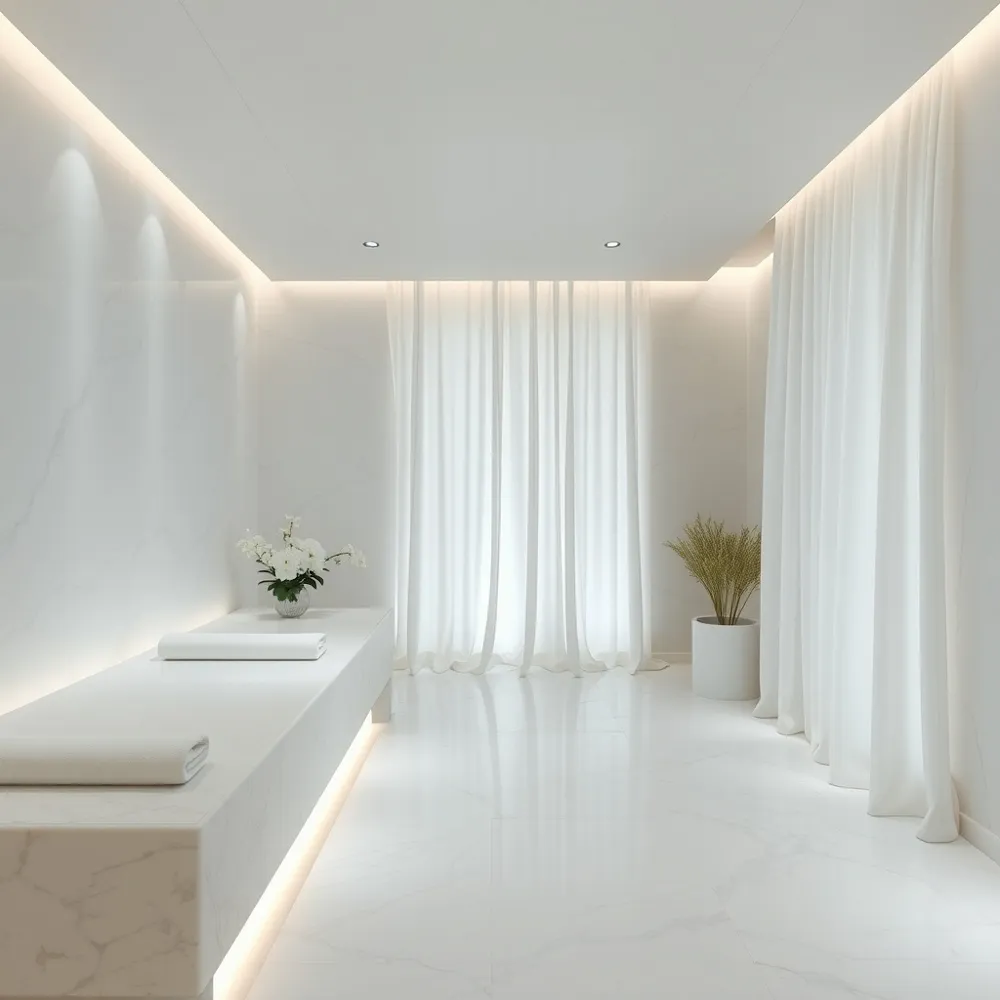
 Luxury aesthetics are defined by a harmonious blend of high‑quality, noble materials—such as marble, exotic wood, precious metals, velvet, and silk—that convey durability and refinement. Every detail, from texture and colour palette to lighting and symmetry, is meticulously curated to create a cohesive, elegant visual language. Balance and proportion ensure that opulence never feels garish, while timeless design principles anchor the space in lasting sophistication. Light cues such as adjustable, warm lighting, natural daylight, and subtle scent diffusion engage the senses beyond sight, fostering calm and a sense of exclusivity. In premium aesthetic clinics, these design choices set the stage for therapeutic art by establishing a soothing backdrop that reduces anxiety and heightens receptivity to creative interventions. When the environment feels both indulgent and effortlessly understated, patients are more likely to experience the psychological benefits of art therapy—lower cortisol, enhanced mood, and greater satisfaction—while the clinic’s brand of luxury and holistic wellness is reinforced.
Art Therapy Evidence: Reducing Anxiety and Enhancing Outcomes
 A growing body of clinical research demonstrates that visual art and guided art‑making lower cortisol levels and reduce patient anxiety during aesthetic procedures. A 2020 trial showed a measurable drop in stress hormones when patients viewed nature‑themed artwork during laser treatments, while a 2022 randomized controlled trial reported higher comfort scores and shorter perceived procedure times with nature‑based paintings. These reductions in anxiety translate into tangible benefits: clinics that display curated art see up to a 15 % rise in satisfaction scores and report lower perceived pain, as highlighted in a 2021 systematic review of aesthetic nursing. The American Art Therapy Association (AATA) formally recognizes art therapy as a complementary modality that can be safely integrated into medical settings without replacing standard care. Adding biophilic design elements—such as natural light, indoor plants, and nature‑inspired visuals—further reinforces a calming environment, supporting both emotional well‑being and optimal clinical outcomes.
Designing the Treatment Room: Size, Equipment, and Artful Décor
 What size is a treatment room?
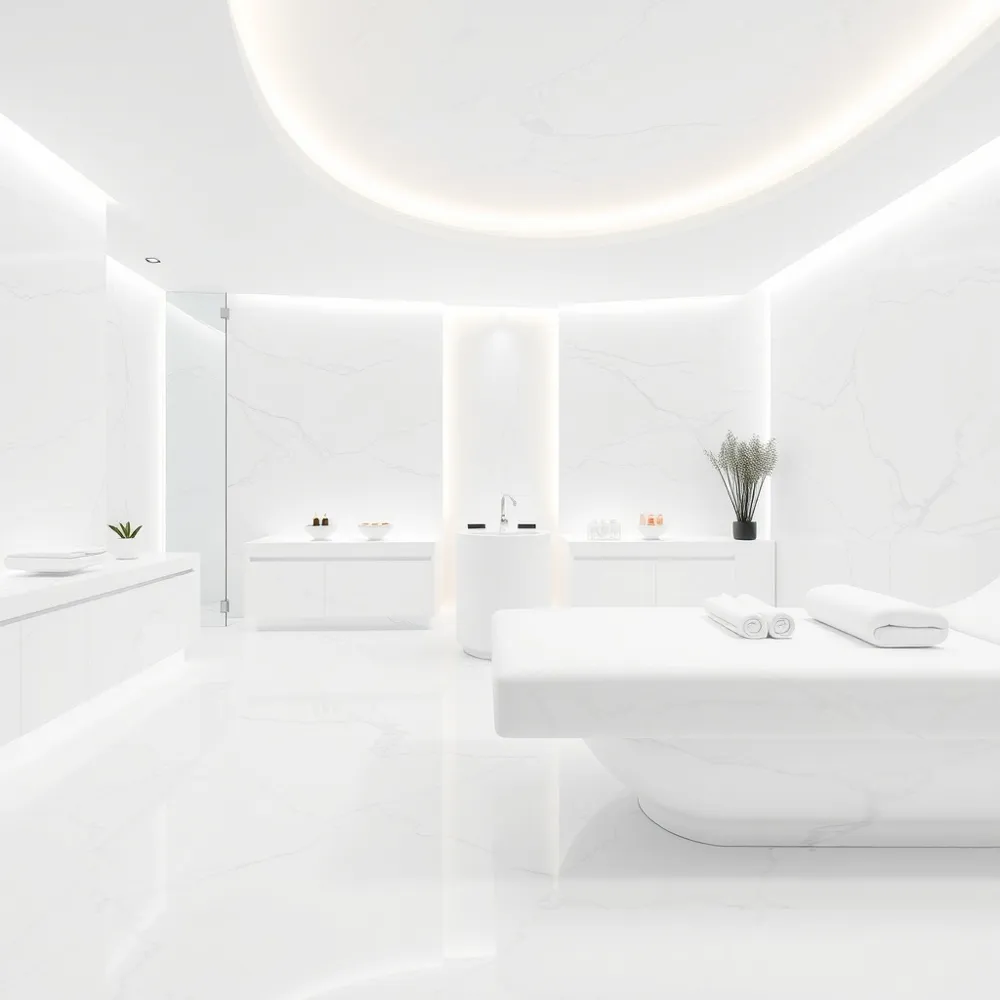
The optimal footprint varies by service. Facial and laser procedures work well in 100‑120 sq ft, allowing a treatment chair, storage, and clear therapist movement. Massage or body‑wrap suites need 120‑150 sq ft, while multi‑device body‑contouring rooms benefit from 150‑200 sq ft. In a premium aesthetic clinic, aiming for the upper end of each range creates a spacious, calming environment and accommodates extra equipment or client comfort items.
What size is a treatment room?
The optimal footprint varies by service. Facial and laser procedures work well in 100‑120 sq ft, allowing a treatment chair, storage, and clear therapist movement. Massage or body‑wrap suites need 120‑150 sq ft, while multi‑device body‑contouring rooms benefit from 150‑200 sq ft. In a premium aesthetic clinic, aiming for the upper end of each range creates a spacious, calming environment and accommodates extra equipment or client comfort items.
What is needed in a treatment room? A fully equipped room begins with EPA‑approved disinfectants, disposable paper covers, gloves, and hand‑sanitizer stations for strict infection control. Essential clinical tools include a high‑quality, adjustable treatment table or chair, facial steamers, microdermabrasion kits, high‑frequency wands, and any service‑specific devices (laser, RF, or body‑contouring machines). Rolling carts or wall‑mounted shelves keep supplies organized. Ambient lighting, dimmable lighting, a sound‑masking system, and a subtle aromatherapy diffuser contribute to a soothing ambience. Ample storage for linens, consumables, and an emergency kit (extra cotton pads, serums, applicators) ensures efficiency throughout the day.
How to decorate an esthetician room? Start with a neutral, calming palette—soft beiges, muted greens, pale blues—that aligns with the clinic’s brand. Incorporate high‑quality, ergonomic furniture and vertical storage to maximize floor space. Layer warm LED lighting with dimmable options, add a few potted plants or a small indoor tree, and use plush towels and a diffuser for a spa‑like feel. Subtle brand accents—artwork featuring local Michigan artists, decorative trays, or a logo‑embossed sign—reinforce luxury while keeping the space cohesive and inviting.
Concierge Med Spa Services: Value Proposition and Patient Experience
 Personalization, convenience, and privacy are the hallmarks of a concierge med spa. By delivering a full suite of in‑office treatments—Botox, dermal fillers, micro‑gold facials, Morpheus8, PRP, and IV nutrient therapies—directly to a client’s home or office, the model eliminates travel time and fragmented appointments. One‑on‑one consultations allow clinicians to craft customized protocols that address specific skin concerns, leading to more consistent outcomes than a one‑size‑fits‑all approach. Economically, group session discounts lower the per‑person cost while fostering a shared wellness experience, and the premium pricing reflects the added value of personalized care, luxury ambience, and a dedicated therapist.
Is concierge med spa worth the cost? Yes—clients who prioritize time, privacy, and a tailored experience benefit from the integrated, high‑tech services that traditional spas cannot match.
How much should you tip on a $500 facial? A 20 % tip (~$100) is standard; exceptional service may merit $110‑$125, while satisfactory service can be $75‑$90. Verify any existing service charge before adding gratuity.
Integrating Local Art and Community Identity
 Michigan’s state regulations allow aesthetic clinics to add non‑medical therapeutic elements—such as curated artwork, indoor plants, and adjustable lighting—provided they do not interfere with equipment safety or infection‑control protocols. Partnering with local Michigan artists creates site‑specific murals and limited‑edition prints that reinforce the clinic’s premium brand while showcasing regional culture, a strategy shown to boost client loyalty and differentiate practices in a competitive market. Incorporating biophilic design—natural light, wood tones, and live greenery—lowers cortisol and enhances patient comfort, aligning with evidence‑based wellness standards. Finally, modular art panels and interchangeable digital installations future‑proof the space, allowing easy updates to reflect seasonal themes or new artist collaborations without costly renovations.
Conclusion
Integrating luxury design elements—muted color palettes, natural lighting, premium furnishings—with evidence‑based art therapy creates a therapeutic ambience that reduces anxiety, lowers cortisol, and shortens perceived procedure time. This synergy translates into higher patient satisfaction scores, stronger brand loyalty, and repeat bookings for premium aesthetic clinics. Clinics should therefore adopt curated visual art, guided art‑making stations, and biophilic design as standard, evidence‑backed interventions to enhance both clinical outcomes and the overall luxury experience.