Why Patient Safety is Paramount in Medical Aesthetic Practices
Understanding Medical Aesthetics as Healthcare
Medical aesthetics encompasses non-invasive and minimally invasive procedures aimed at improving appearance. Despite their cosmetic focus, these treatments are medical interventions requiring clinical oversight and adherence to healthcare standards.
Importance of Licensed, Board-Certified Practitioners
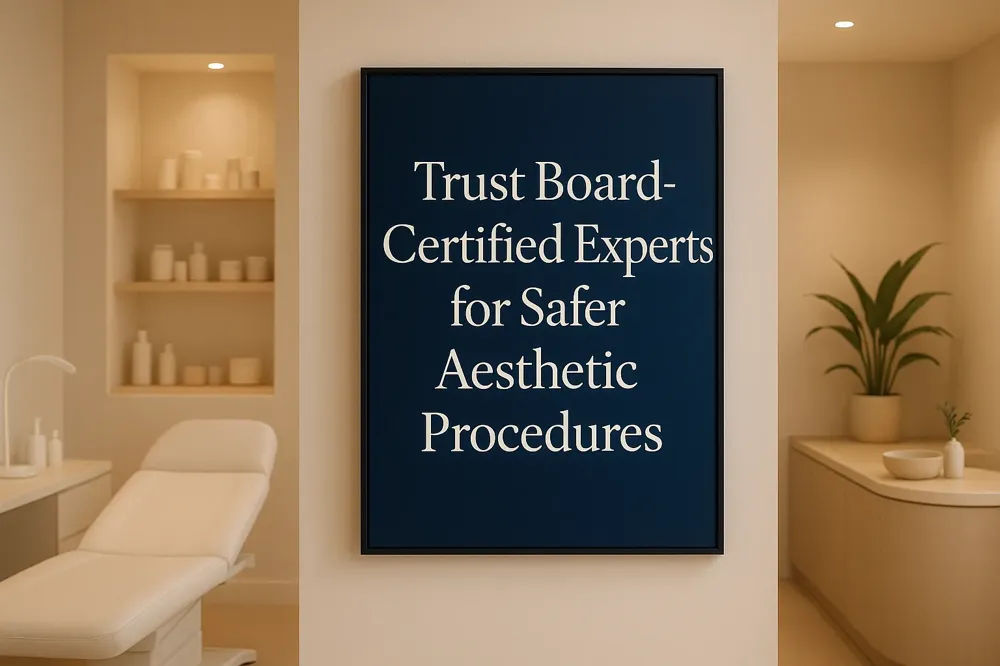
Patient safety starts with choosing licensed medical facilities and board-certified practitioners specializing in dermatology, plastic surgery, or aesthetic medicine. These professionals have undergone extensive training and maintain up-to-date certifications, ensuring competency in delivering safe and effective treatments.
Overview of Patient Safety Principles
Ensuring patient safety involves comprehensive consultations to assess medical history and treatment suitability. Procedures must be performed in accredited, well-equipped facilities adhering to strict hygiene and sterilization protocols. Continuous education for staff, robust incident reporting systems, and emergency response plans further protect patients. Regulatory oversight varies but selecting accredited clinics with experienced practitioners reduces risks of complications and adverse events.
Qualified Practitioners and Thorough Patient Assessments
Why is medical aesthetics considered a form of healthcare?
Medical aesthetics is indeed a branch of healthcare. It is practiced by licensed healthcare professionals who possess advanced medical training and hold specific certifications such as Board-certified Practitioners in dermatology, plastic surgery, or aesthetic medicine. These qualifications ensure that practitioners have the expertise to perform procedures safely and effectively.
Why is board certification and advanced medical training important?
Board-certified Practitioners verifies that a practitioner has met rigorous standards in their specialty. This training equips them with in-depth knowledge of anatomy, physiology, and the latest aesthetic technologies, allowing them to deliver treatments that prioritize patient safety in medical spas and efficacy. Choosing a board-certified practitioner reduces the risk of complications and increases the likelihood of satisfactory outcomes.
What is the role of consultations and patient suitability assessments?
Patient Consultations are essential to assess a patient’s medical history, current health status, and treatment goals. This step helps determine if the patient is an appropriate procedure or candidate for the proposed procedure. Practitioners evaluate any contraindications and tailor treatment plans accordingly, ensuring Patient Suitability Assessment and optimizing results.
How are patient expectations managed?
Managing patient expectations is a critical part of the consultation process. Effective communication about potential outcomes, risks, and limitations prevents misunderstandings and dissatisfaction. Practitioners provide realistic information about results and recovery, aligning treatment plans with what patients hope to achieve by Managing Patient Expectations.
How are personalized treatment plans developed?
Personalized plans are crafted based on a comprehensive assessment. Practitioners consider individual skin type, anatomy, lifestyle, and aesthetic goals. This customization maximizes treatment effectiveness while minimizing risks, supporting a holistic approach to patient care for Patient safety in medical spas.
| Aspect | Details | Importance |
|---|---|---|
| Board Certification | Dermatology, plastic surgery, aesthetic medicine | Ensures advanced expertise and safety via Board-certified specialists in dermatology and plastic surgery |
| Patient Consultation | Medical history, goals, suitability assessment | Identifies suitable patient candidates |
| Expectation Management | Clear communication on outcomes and risks | Managing Patient Expectations prevents dissatisfaction |
| Personalized Treatment Plans | Customized to the individual’s needs and anatomy | Enhances safety and effectiveness through Patient safety in medical spas |
Clinical Environment and Procedural Safety Standards
Ensuring Safety in Licensed and Accredited Medical Facilities
Aesthetic procedures must be performed in licensed medical facilities that are both licensed and accredited by recognized organizations. These certifications guarantee adherence to national and international safety standards, including proper staffing, adequate equipment, and strict operational protocols. Facilities with accreditations such as QUAD A are recognized for meeting stringent safety and operational criteria, enhancing patient confidence.
Hygiene and Sterilization Protocols
Infection prevention is central to Aesthetic Medicine Safety. Best practices include strict Hygiene and Safety Protocols to limit contamination and transmission. Medical staff must employ maximum sterile barriers during procedures, such as during injections or invasive treatments, reducing the risk of infection. Comprehensive Sterilization Procedures of instruments and treatment rooms according to established Medical Guidelines and Protocols ensures a clean environment.
State-of-the-Art Equipment and Maintenance
Use of advanced, properly maintained equipment contributes significantly to procedural safety. Facilities invest in the latest technology designed to optimize outcomes while minimizing complications. Equipment must undergo routine servicing and calibration to ensure functionality and safety, adhering to Proper equipment maintenance in aesthetic medicine.
Adherence to Medical Guidelines and Patient Monitoring
Following established Medical Guidelines and Protocols is imperative during treatments. These include Patient Monitoring before procedures, continuous monitoring during and after treatments, and detailed documentation. Such adherence minimizes risks and provides early detection of any adverse events.
Emergency Preparedness and Complication Management
Clinics must have comprehensive protocols to manage complications swiftly. This includes access to emergency medications, trained personnel capable of immediate response, and Complication Management Protocols, and pathways to consult specialists if needed. Prompt management of complications enhances patient outcomes and safety.
Infection Prevention Best Practices
To prevent infections, healthcare professionals implement several evidence-based strategies:
- Strict hand hygiene for all staff
- Use of maximum sterile barriers during procedures
- Real-time ultrasound guidance to reduce complications
- Appropriate use of antibiotics and antibiotic-coated devices
- Educating patients about infection risks during Informed consent procedures in medical spas
- Prevention of ventilator-associated pneumonia and pressure ulcers through specialized techniques
These combined practices form a robust infection control approach essential in Patient safety in medical spas to protect patients from treatment-related infections.
Comprehensive Staff Training and Competency Evaluation
How can patient safety be ensured during medical procedures?
Patient safety during medical procedures hinges on addressing human factors such as communication, teamwork, and decision-making. Comprehensive staff training in these areas enhances situation awareness and leadership, thereby reducing medical errors.
Thorough preprocedure verification processes are essential, including checks of patient identity and operative sites, which help prevent serious errors like wrong-site surgery. Incorporating surgical safety checklist and conducting briefings and debriefings ensure that all necessary resources are in place and protocols are consistently followed.
Continuing Education and Certification Programs for Staff
Medical spas and aesthetic clinics must provide ongoing education through workshops and webinars for medical spa practitioners and accredited certification programs for medical spa staff. These initiatives keep practitioners updated on the latest treatment techniques, safety standards, and regulatory requirements, fostering a highly skilled workforce dedicated to patient safety.
Regular Skill Assessments and Peer Reviews
Annual or more frequent skill assessments, including practical exams for medical spa competency, written tests for medical spa staff evaluation, and peer reviews in medical settings, help identify areas for improvement and ensure compliance with safety protocols. These assessments promote continuous learning and accountability among staff members.
Importance of Comprehensive Standard Operating Procedures (SOPs)
Developing and strictly following Comprehensive Standard Operating Procedures (SOPs) in medical spas for all treatments—from patient screening protocols in medical spas and informed consent procedures in medical spas to post-treatment care in medical spas—is crucial. SOPs serve as a foundation for consistency and safety, minimizing complications and enhancing outcomes.
Training on Human Factors Like Communication and Teamwork
Training programs that focus on communication, teamwork, and decision-making skills are vital. Effective teamwork reduces adverse events and improves response to complications, strengthening overall patient safety.
Promoting a Culture of Continuous Learning and Safety
Encouraging incident reporting systems in medical spas that are confidential and non-punitive fosters open communication about errors. Regular clinical practice audits in medical spas and reviews of clinical practices further support quality improvement in medical spas and regulatory compliance for medical spas, embedding safety as a core principle throughout medical aesthetic practices.
Regulatory Oversight and Accreditation for Enhanced Safety
How can healthcare facilities maintain and improve patient safety?
Healthcare facilities maintain and improve patient safety through a multifaceted approach. Leadership committed to safety fosters a culture where staff report errors openly without fear of punishment, enabling timely identification and resolution of issues. Simplifying and standardizing equipment, procedures, and workflows minimizes human error, while designing tasks that consider human limitations reduces mistakes.
Technological tools such as electronic health records, barcoding, and decision support systems enhance accuracy in documentation and medication administration. Regular interdisciplinary team training, including simulation exercises, sharpens coordination and preparedness. Engaging patients in discussions about their care promotes transparency and shared responsibility for treatment safety.
Why is choosing licensed and accredited clinics crucial for safety?
Selecting licensed and accredited clinics ensures that facilities meet rigorous standards in hygiene, equipment quality, and staff qualifications. Accreditation by recognized bodies like QUAD A confirms adherence to strict operational and safety criteria. Such clinics implement comprehensive sterilization procedures and patient monitoring protocols and maintain readiness to manage complications, providing patients with safer treatment environments.
What roles do QUAD A and the ISAPS Patient Safety Diamond play in aesthetic medicine safety?
QUAD A accreditation certifies surgical facilities that comply with international surgical safety standards, enhancing trust in their services. The Patient Safety Diamond framework highlights four essential pillars for safe aesthetic surgery: suitable procedure, appropriate patient selection, qualified surgeon, and accredited surgical setting. Integrating these principles helps minimize risks and improve outcomes.
How do regulations like the Medical Spa Safety Act improve patient protections?
The Medical Spa Safety Act defines medical spa operations and mandates qualified medical directors to oversee patient care and enforce safety protocols. It emphasizes continuing medical education in medical spas beyond manufacturer instructions and requires thorough patient consultations with personalized treatment plans. These measures aim to curb unsafe practices and standardize care quality across medical spas.
What is the significance of physician supervision and medical director roles in aesthetic facilities?
Physician supervision, especially by board-certified practitioners such as dermatologists or plastic surgeons, ensures that aesthetic procedures are conducted with expert oversight. Medical directors implement policies, Standard Operating Procedures (SOPs) in medical spas, and ongoing staff education, thereby maintaining high standards of care and rapid response to adverse events.
What rights do patients have about verifying credentials and reporting adverse events?
Patients have the right to verify the qualifications and licensing of practitioners and clinics before treatment. They should confirm that procedures are performed or supervised by qualified physicians. Additionally, patients can report adverse outcomes to entities like CAPER, FDA, or state medical boards, helping regulatory bodies identify and address unsafe practices. Incident reporting systems in medical spas help improve safety continuously.
| Aspect | Details | Impact on Patient Safety |
|---|---|---|
| Licensed & Accredited Clinics | Adhere to hygiene, protocol, and safety standards | Ensures safer environments for procedures |
| QUAD A Accreditation | Certifies surgical facilities to international norms | Validates facility safety and operational excellence |
| ISAPS Safety Diamond | Framework covering procedure, patient, surgeon, setting | Guides comprehensive risk mitigation in aesthetic surgery |
| Medical Spa Safety Act | Mandates physician-led oversight and standardized training | Enhances regulatory control and patient protection |
| Physician Supervision | Board-certified practitioners and medical directors | Guarantees expert care and quality assurance |
| Patient Rights | Credential verification and adverse event reporting | Empowers informed decisions and system accountability |
Patient Involvement and Communication for Safety Assurance
What are the fundamental principles of patient safety?
Patient safety in aesthetic medicine hinges on fostering a culture of safety characterized by open communication and continuous learning. Central to this is placing patients at the core of care, which means respecting their dignity, preferences, and rights. This empowers patients to be active participants in their treatment journey.
Ensuring equitable care demands eliminating disparities so that every individual receives the same high standard of treatment, regardless of background. Risk mitigation through thorough assessments and well-established Medical Guidelines and Protocols helps prevent errors or harm during procedures.
Transparency and accountability are vital; clinics and practitioners must openly report any mistakes or complications. This openness fosters trust and helps continually improve safety measures.
Informed Consent and Patient Education
Clear, comprehensive communication about treatment options, risks, benefits, and expected outcomes is crucial. Patients should engage in detailed Patient Consultations where their medical history and goals are reviewed, shaping a personalized treatment plan.
Providing accessible educational materials and answering patient questions supports informed decision-making. This process ensures patients fully understand what to expect and any potential complications.
Importance of Patient Engagement and Transparency
Active patient involvement builds trust and promotes safety. Transparent discussions about procedural steps and Hygiene and Safety Protocols reassure patients of the clinic’s commitment to high standards.
Transparent reporting systems allow patients to voice concerns or report adverse events without fear of retaliation, encouraging continuous quality improvement.
Access to Accurate Medical Records and Continuity of Care
Maintaining detailed and accurate medical records ensures seamless care over time. It allows providers to monitor progress, adjust treatments appropriately, and address complications promptly.
Accurate documentation supports Quality improvement in medical spas and regulatory compliance, reinforcing patient safety.
Advocating for Patient Rights and Safety Awareness
Patients should feel empowered to verify Qualified practitioners in aesthetic medicine, understand supervision levels, and recognize Licensed Medical Facilities standards. Awareness campaigns and regulatory efforts help patients make informed choices and advocate for their safety.
In summary, patient involvement and communication form the backbone of safe aesthetic treatments. By fostering transparency, educating patients, and ensuring their active participation, medical aesthetic practices uphold the highest Aesthetic Medicine Safety and promote optimal outcomes.
Operational Best Practices and Emerging Safety Challenges
What are common safety concerns in a clinical setting?
In a clinical environment focused on aesthetic procedures, patient safety in medical spas hinges on accurate patient identification to avoid mismatched treatments or medication errors. Obtaining informed consent ensures that patients fully understand the benefits and risks involved in their procedures, which is essential for ethical and legal compliance. Continuous Patient monitoring is vital, particularly when sedation or anesthesia is in use, to quickly detect and address any adverse effects.
Proper handling and administration of controlled substances further contribute to safety, preventing potential misuse or overdose. Facilities must also be equipped with Emergency protocols and medications in aesthetic practice to promptly manage complications.
Developing and following SOPs including incident reporting
To maintain high safety standards, clinics must implement comprehensive Comprehensive Standard Operating Procedures (SOPs) in medical spas covering all stages of care—from Patient screening protocols in medical spas and Informed consent procedures in medical spas to Post-treatment care in medical spas. These SOPs should be regularly reviewed and meticulously followed to minimize risks. A robust, confidential, and non-punitive Incident reporting systems in medical spas is critical to foster transparency and continuous improvement. This system enables Root-cause analysis in medical spa incident reporting and Corrective actions for medical spa safety following adverse events, thereby enhancing overall safety and accountability.
Managing complications promptly and effectively
A critical aspect of safe aesthetic practice is the immediate recognition and management of complications. Clinics should maintain Complication management protocols that include access to emergency medications and specialist consultations. Timely intervention minimizes patient harm and improves outcomes, reinforcing the importance of Continuous education and training for medical spa staff.
Addressing risks from unlicensed practitioners and counterfeit products
Unlicensed practitioners and the use of counterfeit products pose significant dangers, including infections, injury, and severe complications such as facial paralysis or botulism. Increased regulation and enforcement, including Physician supervision in medical spas and mandatory training, are essential to protect patients. Verifying Med Spa Provider Credentials helps patients avoid unsafe practices.
Importance of record keeping for accountability and compliance
Maintaining detailed records of patient consent, treatment plans, incident reports, Staff credential management in medical spas, and training histories ensures transparency and regulatory compliance. Proper documentation supports continuity of care and quality assurance, while also facilitating audits and inspections.
Adapting to growth trends and regulatory updates in the medical aesthetic industry
With the rapid expansion of medical spas and aesthetic procedures, staying current with evolving local, state, and federal regulations is imperative. Clinics must adapt their policies to meet new guidelines, such as those proposed by legislation like the Medical Spa Safety Act. Ongoing staff education, Regular skill assessments for medical spa practitioners, and Licensed Medical Facilities contribute to safer practice environments amid industry growth.
Sustaining a Culture of Safety in Medical Aesthetic Clinics
Patient Safety Pillars in Medical Aesthetics
Ensuring safety in medical aesthetic clinics relies on four foundational pillars: selecting appropriate procedures tailored to individual patient needs, thorough patient assessment, employing qualified and board-certified practitioners, and performing treatments in accredited, well-equipped facilities.
Continuous Education and Regulation
Ongoing education and training for all clinical staff are crucial. This includes accredited certification programs, skill assessments, and peer reviews to uphold high standards. Adhering to strict regulatory protocols, maintaining detailed medical records, and implementing incident reporting systems promote transparency and continuous improvement.
Patient Partnership
Engaging patients through comprehensive consultations helps align treatment goals and manage risks effectively. Encouraging patients to verify practitioner credentials and facility accreditation fosters informed decision-making and shared responsibility in maintaining safety.
Future Outlook
Advancements in technology and increased regulatory efforts, such as proposed legislation focusing on medical spa oversight, promise further improvements in patient safety. Enhanced monitoring, standardized protocols, and innovation in safety equipment will continue to elevate the quality of care in aesthetic medicine.