Why Fractional Lasers Matter Today
The Rise of Fractional Technology
The evolution of skin resurfacing has been defined by a shift from aggressive, full-surface treatments to fractional technology. Introduced in the mid-2000s, fractional lasers work by creating microscopic columns of thermal injury, or microthermal zones (MTZs), while leaving the surrounding skin intact. This approach triggers the body’s natural healing response—stimulating new collagen and elastin—without the prolonged downtime and high complication rates of older ablative lasers.
Meeting Patient Demand for Quick Recovery
Today’s patients prioritize effective results that fit their busy schedules. Modern fractional lasers address this demand by offering precision remodeling with minimal recovery. For example, newer non-ablative and hybrid systems allow patients to return to work within 24–48 hours, experiencing only mild redness and swelling. This balance of efficacy and convenience has made fractional lasers the preferred choice over traditional CO₂ resurfacing for many seeking skin rejuvenation.
A Spectrum of Next-Gen Options
Next-generation fractional platforms now offer a range of customizable modalities. These include advanced hybrid lasers that combine ablative and non-ablative wavelengths in one session for deeper remodeling with moderate downtime, and deep dermal systems like Laser Coring that deliver CO₂-level tightening with significantly less recovery. Technologies such as monopolar radiofrequency (RF) microneedling and non-ablative fractional systems further expand options, providing safe, personalized treatments for diverse skin tones and concerns, from fine lines to acne scars, without extended recovery.
| Technology Type | Key Mechanism | Typical Downtime | Best For |
|---|---|---|---|
| Non-ablative Fractional Laser | Heats dermis without removing epidermis | 1–3 days (mild redness) | Fine lines, texture, mild scars |
| Ablative Fractional Laser (CO₂) | Removes microscopic skin columns | 5–7 days (redness, peeling) | Deep wrinkles, scars, sun damage |
| Hybrid Fractional Laser | Ablative + non-ablative in one pass | 3–5 days (redness, slight peeling) | Comprehensive remodeling, moderate recovery |
| Laser Coring (UltraClear) | Creates deep dermal channels for collagen | 1–3 days (redness, no open wounds) | Periorbital areas, deep scars, laxity |
| RF Microneedling | Combines RF heat with needle injury | 2–3 days (redness, swelling) | Skin tightening, scars, darker skin tones |
Laser Coring: The Next‑Gen Fractional Ablative Option
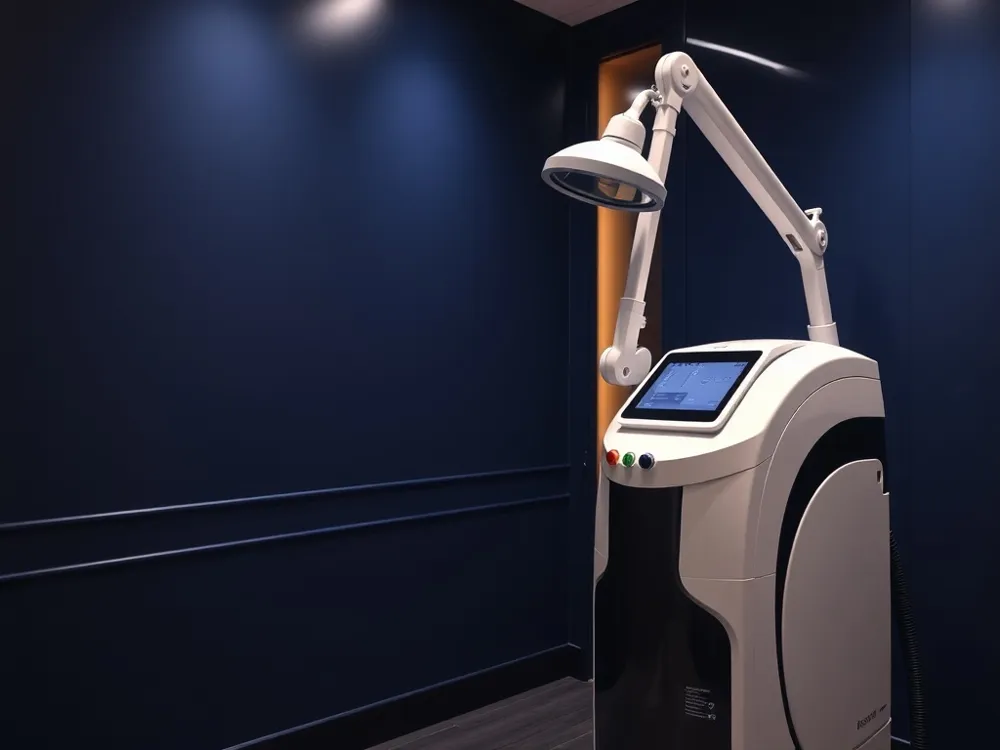
How does next‑gen fractional laser technology compare to traditional CO₂ lasers?
Laser Coring, delivered through the UltraClear laser, represents a significant evolution in fractional ablative technology. Where traditional fractionated CO₂ lasers create open channels that require 7–10 days of crusting and peeling, Laser Coring uses ultra‑short, high‑energy pulses to create precise micro‑columns reaching similar dermal depths while leaving the epidermal surface largely intact. This mechanism, known as ‘collagen remodeling channels,’ triggers a wound‑healing response in the dermis without an open wound. The result is collagen and elastin production comparable to a CO₂ laser, but recovery drops to typically 1–3 days of mild redness and minimal swelling. The UltraClear’s ultra‑short pulses also significantly limit thermal damage, making prolonged redness or pigment changes much less common than with older ablative systems.
What are the benefits of the latest devices like XERF?
For patients seeking deep skin remodeling without any laser ablation, the XERF device (a monopolar radiofrequency system) offers an excellent alternative. XERF provides chromophore‑independent tissue heating, meaning it works safely on any skin type by delivering homogeneous RF energy into the dermis while a continuous water‑cooling system protects the skin’s surface. In clinical use for delicate periorbital areas, XERF has shown visible improvement in fine lines and overall texture with only mild erythema resolving within hours, allowing an immediate return to daily activities. So while Laser Coring is ideal for those wanting CO₂‑level results with minimal downtime, XERF fills a distinct role for patients requiring non‑invasive tightening and remodeling when a laser is unnecessary or contraindicated. Both options are now available at our clinic, enabling a truly personalized approach to skin rejuvenation.
| Feature | Traditional Fractional CO₂ | Laser Coring (UltraClear) | XERF (Monopolar RF) |
|---|---|---|---|
| Mechanism | Ablative micro‑columns, open skin | Ablative micro‑columns, intact surface | Non‑ablative volumetric heating |
| Depth of remodeling | Deep dermal (up to 1‑2 mm) | CO₂‑comparable depth | Dermal, gradual remodeling |
| Downtime | 5–10 days of crusting/peeling | 1–3 days mild redness | Mild erythema, resolves in hours |
| Safety profile | Higher risk of prolonged erythema, PIH | Lower thermal damage, fewer side effects | Excellent, suitable for all skin types |
MultiFrax Versus Standard Fraxel: What Sets Them Apart
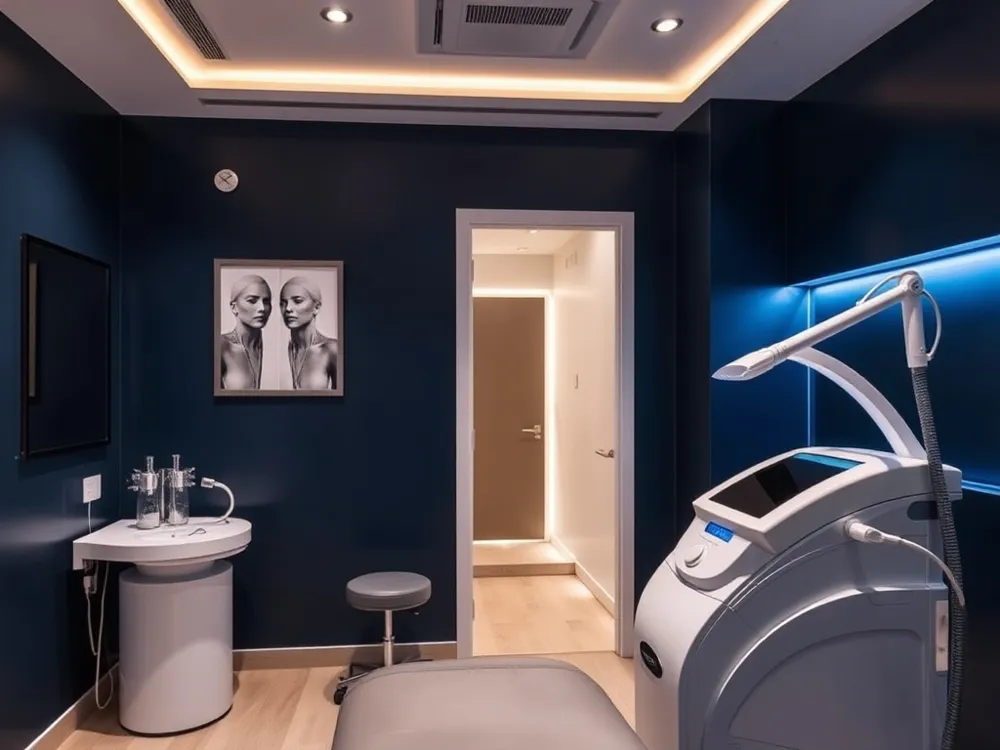
How Do MultiFrax Laser Treatments Compare to Standard Fraxel?
MultiFrax represents a newer generation of fractional laser technology that prioritizes deeper dermal remodeling while maintaining a high degree of preservation of surrounding tissue. This approach allows for tighter scar revision and skin tightening with minimal downtime, often achieving results that previously required more aggressive lasers.
In contrast, standard Fraxel systems like the non‑ablative Re:store and the deep‑ablative Re:pair treat a broader range of depths. The Re:store is excellent for texture and tone but may require multiple sessions to match the tightening seen with MultiFrax. The Re:pair, while powerful, involves a longer recovery period. MultiFrax aims to bridge this gap, offering a balance between efficacy and convenience.
What is the Typical Price Range and Local Availability?
Pricing for MultiFrax is competitive, typically ranging from $1,200 to $2,500 per session. This is similar to pricing for non‑ablative Fraxel treatments ($875‑$1,500) and generally lower than the deep‑ablative Fraxel Re:pair ($1,500‑$2,500). For patients in the Troy, Michigan area, MultiFrax is available at premium aesthetic clinics specializing in the latest Solta Medical and Cynosure devices, such as iconiclaser.com.
| Platform | Primary Mechanism | Typical Depth & Downtime | Price Range (per session) |
|---|---|---|---|
| MultiFrax | Deep dermal remodeling, tissue preservation | High; 2-5 days | $1,200 - $2,500 |
| Fraxel Re:store | Non‑ablative fractional, texture & tone | Moderate; 1-3 days | $875 - $1,500 |
| Fraxel Re:pair | Deep ablative fractional, powerful tightening | Very high; 7-14 days | $1,500 - $2,500 |
Non‑Ablative vs. Ablative Lasers: Picking the Right Path for Resurfacing
What is the difference between non-ablative and ablative lasers? Which one is better for skin resurfacing?
Ablative lasers (CO₂, Er:YAG) vaporize the outer epidermal layer and heat the underlying dermis. This creates immediate collagen contraction and dramatic wrinkle reduction. However, recovery typically takes 5–14 days with crusting, swelling, and a risk of hyper- or hypopigmentation, especially in darker skin.
Non‑ablative fractional lasers deliver energy only to the dermis, leaving the epidermis intact. They stimulate collagen without creating an open wound. Patients experience mild redness for 1‑2 days but typically require multiple sessions for full effect.
When is each approach preferable?
| Concern | Ablative Fractional Laser | Non‑Ablative Fractional Laser |
|---|---|---|
| Deep scars, severe photo‑damage, pronounced rhytides | More effective for dramatic, structural results. | Limited effect; better for mild texture issues. |
| Early aging, mild texture, or patients who cannot tolerate downtime | Not ideal due to 1‑2 week recovery. | Preferred; allows return to normal activities within 24‑48 hours. |
| Skin tone safety | Higher risk of pigment changes in Fitzpatrick IV‑VI. | Safer for darker skin; lower risk of PIH. |
| Number of sessions | Often 1‑2 sessions for significant improvement. | Typically 3‑6 sessions for optimal results. |
Modern fractional platforms now combine both concepts, allowing clinicians to tailor depth and energy precisely to each patient’s needs.
Zero‑Downtime Resurfacing: Is It Really Possible?
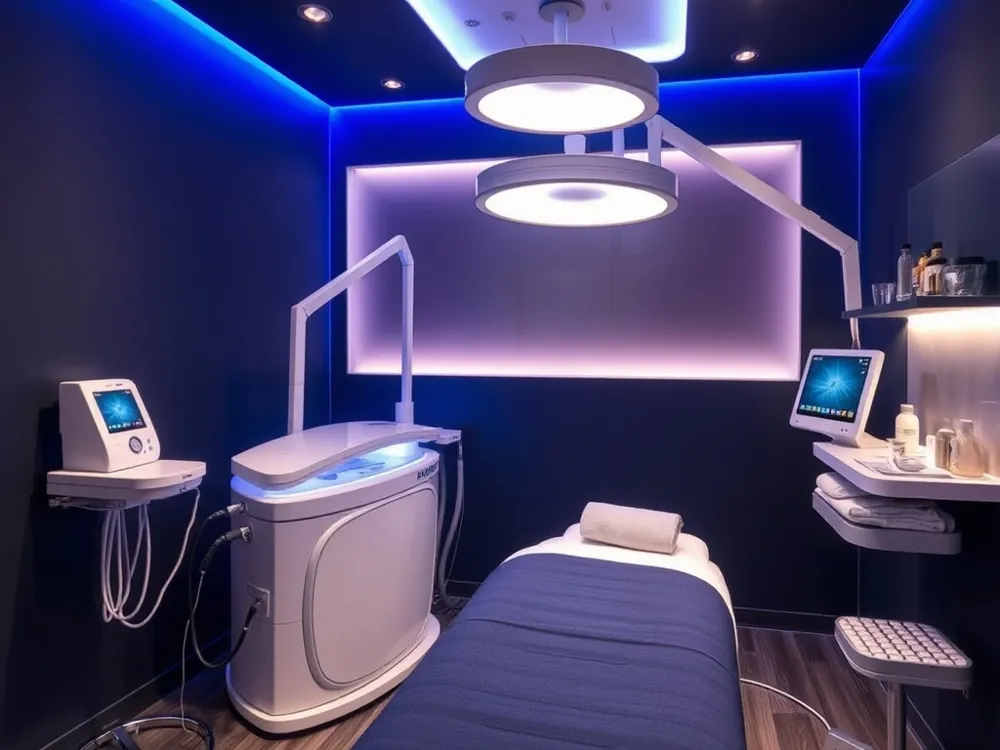
Can you get laser resurfacing with no downtime at all? Which options are available for quick recovery?
Pure zero-downtime laser resurfacing is rare, but next-generation technologies come remarkably close. Non-ablative fractional lasers, such as Fraxel re:store, Clear + Brilliant, and MOXI™, gently heat the dermis to stimulate collagen while leaving the outer skin layer intact. Patients typically experience only brief erythema that fades within 24–48 hours, and makeup can usually be applied within a day. These treatments are ideal for busy professionals who need to return to work immediately.
For patients seeking a tangible lift without visible recovery, treatments like Clear + Brilliant or the non-ablative modes of the UltraClear laser provide the closest experience to “no downtime.” Additionally, devices that pair microneedling with radiofrequency (RF) energy create microscopic channels and heat deeper layers while preserving the epidermis. This results in only mild redness for one to two days, offering a powerful alternative for rapid skin remodeling.
Which combination treatments offer the fastest healing?
Radiofrequency microneedling combines mechanical micro-injuries with deep-penetrating RF energy to achieve skin tightening and collagen remodeling comparable to non-ablative fractional lasers but with a gentler thermal profile. The Volnewmer monopolar RF system, for instance, uses continuous water cooling and a gold-coated tip to deliver homogeneous energy with effective epidermal protection. After treatment, patients experience only mild, transient erythema that resolves within several hours, allowing immediate return to daily activities.
Another synergistic approach uses microneedling paired with platelet-rich plasma (PRP). This combination accelerates healing and amplifies collagen deposition, mirroring emerging laser-plus-PRP regimens designed to maximize rejuvenation outcomes. For patients who prioritize minimal interruption to their social life, these combination treatments offer a balance of efficacy and convenience, often requiring only two to three days of mild skin changes.
How does a patient’s lifestyle influence the best choice?
Choosing the right treatment depends heavily on a patient’s schedule and recovery tolerance. Non-ablative fractional lasers and RF microneedling are well-suited for those who cannot afford extended downtime, providing results with minimal impact on work or daily routines. In contrast, patients willing to accept a few days of recovery may opt for mild ablative fractional treatments, which can deliver deeper remodeling but require a brief period of redness and light flaking.
Seasonal considerations also matter. Treatments with minimal downtime can be performed year-round without concern for UV exposure, whereas more aggressive resurfacing is often scheduled during winter when sun exposure is naturally lower. Ultimately, clinicians should guide patients toward a modality that aligns with their lifestyle, ensuring realistic expectations and high satisfaction. For the busiest individuals, Clear + Brilliant or non-ablative laser modes represent the closest option to a true “no-downtime” resurfacing experience.
Putting a Price Tag on Precision: Fraxel and Its Competitors
What is the average cost of a Fraxel laser session? How does it compare to other fractional lasers or CO2 treatments?
The cost of a Fraxel session varies by device and treatment area. A single Fraxel Re:store treatment for the face typically ranges from $875 to $1,500. The deeper, ablative Fraxel Re:pair can cost $1,500 to $2,500 per session.
Newer fractional lasers, such as MultiFrax, generally fall within the $1,200 to $2,500 range, aligning closely with Fraxel’s pricing. In comparison, traditional fractional CO₂ laser resurfacing, which delivers deep ablative results, typically commands $2,000 to $3,000 per session, reflecting its higher intensity and longer recovery.
Value versus downtime
Patients must weigh cost against downtime. Non-ablative Fraxel requires multiple sessions but offers minimal downtime. CO₂ provides more dramatic improvement in fewer sessions but at a higher price and with a week-plus recovery. A comprehensive consultation helps determine the most cost-effective pathway for each individual's goals.
| Treatment | Average Cost per Session | Typical Downtime | Depth of Treatment |
|---|---|---|---|
| Fraxel Re:store (Non-Ablative) | $875 - $1,500 | 1-3 days | Moderate (Dermal) |
| Fraxel Re‑Pair (Ablative) | $1,500 - $2,500 | 5-7 days | Deep (Dermal & Epidermal) |
| Newer Fractional Lasers (e.g., MultiFrax) | $1,200 - $2,500 | 2-5 days | Variable (Customizable) |
| Traditional Fractional CO₂ | $2,000 - $3,000 | 7-14 days | Deepest (Ablative & Dermal) |
Seeing the Change: Recovery Timeline and When Results Appear
What Are the Immediate Post‑Treatment Signs?
Immediately after a next‑gen fractional laser session, your skin will show signs that a controlled treatment has been delivered. The most common and expected reactions are redness and mild swelling, similar to a light sunburn. For non‑ablative treatments such as the Fraxel re:store or Moxi, these signs typically resolve within 1‑2 days. With more intensive fractional CO₂ treatments, you may experience more pronounced redness, pinpoint bleeding, and a sensation of warmth or tightness. These immediate signs are normal indicators that the skin’s repair mechanisms have been initiated.
What Is the Short‑Term Healing Phase?
The short‑term healing phase varies significantly depending on the laser’s intensity. For non‑ablative lasers, downtime is minimal: most patients notice only slight redness and swelling that fade within a day, and they can return to work after approximately 48 hours. Skin may feel dry or slightly flaky for a few days. With fractional CO₂ resurfacing, the recovery involves 5‑7 days of crusting, peeling, and visible redness. During this period, the outer skin layer regenerates, revealing a smoother, tighter complexion underneath. Most patients can resume normal activities after about one week, though some pinkness may persist. Gentle skincare and diligent sun protection are crucial during this phase to support healing and prevent complications.
How Does Long‑Term Collagen Remodeling Work?
The most significant results from fractional laser treatments are not immediate but develop over time as the body produces new collagen and elastin. This process, called collagen remodeling, begins within days but reaches its peak several months after the procedure. For non‑ablative treatments, initial visible improvement in skin texture and tone can be seen after 2‑3 weeks, with maximal benefits appearing at 3‑6 months. Fractional CO₂ lasers produce an early “new skin” effect within 7‑14 days, but deeper structural tightening continues for up to six months. This gradual, biological transformation is what makes fractional lasers so effective: it harnesses the body’s natural healing to achieve durable, natural‑looking rejuvenation.
What Should Patients Expect from Their Results?
Expectations should be realistic and centered on gradual improvement rather than overnight transformation. After a single fractional laser session, patients typically see moderate improvement in fine lines, pigmentation, and skin texture, with ongoing evolution over the following months. A full series of 3‑5 treatments, spaced 4‑6 weeks apart, is often recommended for optimal outcomes. Results are long‑lasting, often persisting for 1‑2 years or longer with proper skincare and sun protection. It is essential to understand that final results depend on the body’s unique healing capacity; patience and adherence to post‑care instructions are the keys to achieving the best possible outcome from this advanced technology.
| Recovery Phase | Non‑Ablative Fractional Laser | Fractional CO₂ Laser |
|---|---|---|
| Immediate (Day 0‑2) | Mild redness, slight swelling (1‑2 days) | Pronounced redness, possible swelling |
| Short‑Term (Day 3‑7) | Mild flaking, no visible peeling | Crusting, peeling, redness (5‑7 days) |
| Return to Work | 24‑48 hours | 5‑7 days |
| First Results Visible | 2‑3 weeks | 1‑2 weeks (tightening) |
| Peak Collagen Remodeling | 3‑6 months | 3‑6 months |
| Longevity of Results | 1‑2 years (with maintenance) | 1‑2 years (with maintenance) |
Safety, Age, Risks, and Real‑World Outcomes
Is Fraxel laser safe for all ages? Can older individuals like those in their 40s or 60s benefit from laser treatments?
Fractional lasers, including Fraxel, are safe for a broad age range, including patients in their 40s, 60s, and beyond. Suitability depends on overall health and skin condition, not age alone. The technology stimulates collagen production, which is precisely what aging skin needs, often making outcomes more pronounced in older individuals as it addresses deeper wrinkles and laxity. A thorough medical evaluation ensures safe and effective treatment.
What are the main types of non-ablative lasers? How do they differ in terms of results and downtime?
Key non-ablative fractional platforms include Fraxel re:store (1550 nm), Clear + Brilliant, MOXI™, and PicoSure Pro. All heat the dermis without removing the epidermis, resulting in mild erythema for 1-2 days. Results are cumulative; 3-5 sessions are typically needed for optimal texture, tone, and pigment improvement.
| Laser Type | Wavelength | Primary Use | Typical Downtime | Sessions Needed |
|---|---|---|---|---|
| Fraxel re:store | 1550 nm | Texture, fine lines, scars | 1-2 days redness | 3-5 |
| Clear + Brilliant | 1440 nm | Tone, texture, prejuvenation | 0-1 days redness | 2-4 |
| MOXI™ | 1927 nm | Pigment, early aging | 0 days | 2-4 |
| PicoSure Pro | 755 nm | Pigment, tattoo removal | 0-1 days redness | 3-6 |
Compared with ablative lasers, non-ablative devices provide gentler, lower-risk rejuvenation with minimal downtime, making them ideal for busy professionals.
Are there any risks or side effects of Fraxel laser treatments? What can go wrong and how to avoid complications?
Common side effects are transient redness, swelling, and occasional mild crusting. Pigment changes can occur, especially in Fitzpatrick IV-VI skin. Rare complications like scarring are linked to inadequate after-care or inexperienced operators. To minimize risks, choose a board-certified provider, adhere to strict sun protection, and follow all post-procedure instructions.
| Risk | Occurrence | Prevention Strategy |
|---|---|---|
| Redness/Swelling | Very common | Cool compresses, ointments |
| Hyperpigmentation | Common in darker skin | Sun avoidance, pre-treatment hydroquinone |
| Scarring | Rare | Experienced operator, avoid picking |
| Infection | Rare | Antiviral prophylaxis if indicated |
Can you provide before-and-after examples of fractional laser treatments? What outcomes can patients expect?
Clinical photos show smoother texture, reduced scars, softened fine lines, and more even tone after 3‑5 fractional sessions. Patients report visible tightening within one week with fractional CO₂ and gradual refinement after 4‑6 weeks with non-ablative Fraxel. Results are natural-looking, avoiding an over-done appearance.
What is the newest technology for skin tightening without surgery? Are celebrity favorites like Kim Kardashian's 'Zurf' or XERF worth considering?
The latest non-surgical tightening device is XERF, a radio-frequency platform delivering deep dermal heating for collagen contraction and neocollagenesis with virtually no downtime. For patients seeking firming without incision, XERF offers a clinically validated, low-risk alternative to options like Ultherapy and RF-microneedling.
Putting It All Together: Choose the Fractional Path That Fits Your Life
Personalized Treatment Planning
The most effective skin remodeling plan is one tailored to your unique anatomy, skin type, and lifestyle goals. During a consultation, a board-certified provider assesses factors like dermal thickness, wrinkle depth, pigmentation tendencies, and healing capacity. This evaluation determines whether a non-ablative fractional laser, a hybrid system, or a deeper ablative approach is most appropriate for your concerns.
Customization extends beyond device selection. Clinicians adjust energy levels, treatment density, and depth of penetration to match specific areas. For example, softer settings are used around the delicate periorbital region, while more intensive parameters target deep acne scars or etched lip lines. This precision ensures natural-looking results without compromising safety.
Balancing Results, Downtime, and Cost
Understanding the trade-offs between treatment intensity, recovery time, and investment is essential for setting realistic expectations. The table below outlines how different fractional approaches compare across these key dimensions.
| Approach | Typical Results | Downtime | Sessions Needed | Cost Range (per session) |
|---|---|---|---|---|
| Non-ablative fractional | 60-70% improvement in texture, mild wrinkle reduction | 1-3 days (redness) | 3-5 | $600–$1,200 |
| Hybrid fractional (e.g., Halo) | 75-80% improvement in scars, wrinkles, and sun damage | 3-5 days (peeling, redness) | 1-3 | $1,500–$2,500 |
| Ablative fractional (CO2) | 75-85% improvement in deep wrinkles, laxity, scars | 5-10 days (crusting, swelling) | 1-2 | $2,000–$4,000 |
| Laser Coring (UltraClear) | CO2-level tightening with reduced thermal injury | 1-3 days (mild redness) | 1-3 | $1,800–$3,500 |
Patients prioritizing minimal interruption to work or social life often choose non-ablative or hybrid lasers. Those seeking dramatic, single-session results may opt for ablative CO2 or Laser Coring, accepting a longer recovery period. Maintenance sessions extend durability, typically needed every 12-24 months.
Next Steps for Troy Patients
Residents of Troy, Michigan now have access to advanced fractional laser platforms at premium aesthetic clinics. The next step involves scheduling a comprehensive consultation where your provider will evaluate your skin, discuss your aesthetic goals, and create a personalized treatment plan that aligns with your schedule and budget.
Pre-treatment preparation includes avoiding sun exposure for at least two weeks, discontinuing retinoids and exfoliating products, and starting prophylactic antivirals if you have a history of cold sores. Your provider will guide you through each step, ensuring optimal safety and outcomes.
With next-generation fractional lasers, achieving meaningful skin remodeling without prolonged downtime is not just possible—it is the new standard. The right path for you balances scientific advancement with your individual needs, empowering you to look and feel your best on your own terms.