Introduction
Safety is the cornerstone of aesthetic medicine because even minimally invasive procedures can cause bleeding, infection, or adverse reactions if precautions are ignored. A structured checklist—covering medical history, medication review, smoking cessation, skin preparation, and emergency protocols—standardizes care, reduces variability, and has been shown to lower complication rates in both surgical and non‑surgical settings. The patient journey begins with a thorough consultation where a board‑certified provider reviews goals, conducts a skin assessment, and obtains informed consent. Pre‑procedure steps include stopping blood‑thinners, avoiding alcohol, and arranging a caregiver and transportation. After treatment, patients follow tailored after‑care instructions, monitor for warning signs, and attend scheduled follow‑ups, ensuring optimal healing and long‑term results.
Pre‑procedure Planning and Consultation
 A thorough pre‑procedure planning session is the foundation of safe, successful aesthetic care.
Detailed medical history and medication review
Before any non‑invasive treatment, patients complete a comprehensive questionnaire that captures allergies, chronic illnesses, recent infections, and every prescription, over‑the‑counter drug, supplement, or herbal product. The surgeon reviews this list to identify agents that increase bleeding risk—such as aspirin, NSAIDs, fish oil, vitamin E, or Retin‑A—and advises discontinuation 24–48 hours before the appointment. This step also flags contraindications like active cold sores, uncontrolled diabetes, or recent isotretinoin use.
Skin assessment and photography
A board‑certified clinician conducts a visual skin analysis, records high‑resolution photographs, and documents texture, tone, and any lesions. This baseline enables personalized treatment planning, tracks progress, and ensures the chosen technology—laser, IPL, or injectable—matches the patient’s skin type and goals.
Smoking, alcohol, and weight management
Patients are instructed to quit smoking and vaping at least six weeks before procedures, as nicotine impairs microcirculation and delays healing. Alcohol and caffeine are limited for 24 hours pre‑treatment to reduce bruising. For body‑contouring or facial rejuvenation, a stable weight and balanced nutrition (high protein, adequate hydration) are recommended to optimize results.
Scheduling and insurance considerations
The consultation includes a review of costs, insurance coverage (if applicable), and any financing options. Patients confirm the timing of the procedure to avoid major life events, and the clinic provides a written estimate that outlines facility fees, anesthesia, and follow‑up visits.
What is a patient safety checklist?
A patient safety checklist is a structured, step‑by‑step tool that guides health‑care teams through critical safety actions before, during, and after a procedure. It ensures that essential items—such as confirming patient identity, reviewing allergies, verifying equipment, and documenting handoffs—are consistently completed, reducing the chance of omissions and errors. By standardizing these checks, the list promotes clear communication among clinicians and can be embedded in electronic medical records for real‑time reminders. Evidence shows that the use of safety checklists is scientifically supported and leads to fewer adverse events and improved outcomes. In a premium aesthetic clinic, the checklist helps maintain the highest standards of care for skin rejuvenation, facial enhancements, and other cosmetic treatments.
Preparing for first cosmetic treatment checklist
Schedule a thorough consultation and provide a complete medical history, including all medications, supplements, and any recent skin issues such as cold sores or rashes. Follow pre‑treatment instructions: discontinue blood thinners, NSAIDs, alcohol, and retinoid products (e.g., Retin‑A) at least 24–48 hours before the procedure, and avoid sun exposure, tanning, and harsh exfoliants for several days prior. Arrange reliable transportation and a post‑procedure companion if sedation or anesthesia will be used, and pack a bag with comfortable clothing, your insurance card, and any required prescriptions. Prepare your skin by cleansing gently, avoiding heavy makeup, and bringing a list of current medications and allergies for the provider. Finally, gather post‑treatment supplies such as cold packs, soothing moisturizers, and any recommended over‑the‑counter anti‑inflammatory or antihistamine medications to manage swelling and bruising.
Medication Management and Lifestyle Adjustments
 Before any non‑invasive aesthetic treatment, patients should stop blood‑thinners (e.g., aspirin, ibuprofen, prescription anticoagulants) and NSAIDs at least 7–10 days in advance to minimise bruising and bleeding. Herbal supplements that affect coagulation—such as fish‑oil, vitamin E, ginkgo, garlic, and high‑dose antioxidants—should also be discontinued. Smoking and all nicotine products must be ceased at least 2 weeks before the procedure (ideally 4–6 weeks for surgical‑type aesthetics) to improve tissue oxygenation and wound healing. Chronic conditions, especially hypertension, need to be well‑controlled; most patients with stable blood pressure can safely receive Botox, but clinicians should verify readings (generally <140/90 mmHg) and postpone treatment if hypertension is uncontrolled. Patients on antihypertensive medication should inform the injector, as some drugs may influence bruising.
Can I have Botox if you have high blood pressure? Yes—provided the hypertension is well‑managed and blood‑pressure readings are within safe limits; uncontrolled pressure raises the risk of bruising and cardiovascular stress.
What are the essential protective equipment for aesthetics? Disposable nitrile gloves, surgical masks or respirators, eye‑protection goggles or face shield, disposable aprons/gowns, patient drapes, and a sharps disposal container are required to maintain sterility and protect staff and patients.
What are the hazards and risks in aesthetic practice? Physical hazards (needles, lasers) can cause cuts, burns, or eye injury; chemical hazards (Botox, fillers, peels) may provoke allergic reactions or toxicity; and cleaning agents can irritate skin and respiratory pathways.
Skin Preparation and Treatment‑Specific Steps
 Preparing the skin correctly maximizes safety and results for non‑invasive aesthetic procedures.
Gentle exfoliation before injectables – A mild chemical exfoliant (low‑percentage glycolic or lactic acid) or soft scrub used 24–48 hours before Botox or dermal filler can smooth the surface, but stop any exfoliation at least 48 hours prior to the appointment. Avoid harsh peels, retinoids, or vigorous scrubs that may irritate the skin and affect toxin placement.
Timing of facials relative to Botox – A hydrating facial performed 24–48 hours before Botox is ideal; it cleanses and primes the skin without compromising the neurotoxin. Skip deep exfoliation, strong peels, or aggressive massage that could cause bruising or shift the injection sites.
Specific preparation for lip filler – Discontinue blood‑thinners (aspirin, ibuprofen, naproxen) and supplements such as vitamin E, fish oil, garlic, or ginkgo at least 24 hours before treatment; avoid alcohol for the same period. Refrain from topical retinoids, glycolic acid, waxing, or bleaching on the lips for 48 hours. Arrive with a clean, makeup‑free face, stay well‑hydrated, and discuss any prescription anticoagulants with your provider.
First‑time Botox experience – Schedule a consultation with a board‑certified specialist, stop bleeding‑risk medications and alcohol 24‑48 hours before, and come with a makeup‑free face. The brief procedure involves a mild pinch; post‑treatment, avoid rubbing, massaging, or vigorous exercise for 24 hours. Minor bruising or swelling may occur, resolving within a few days, while full results appear in 3‑5 days and last 3‑4 months.
Facility, Equipment, and Laser Safety
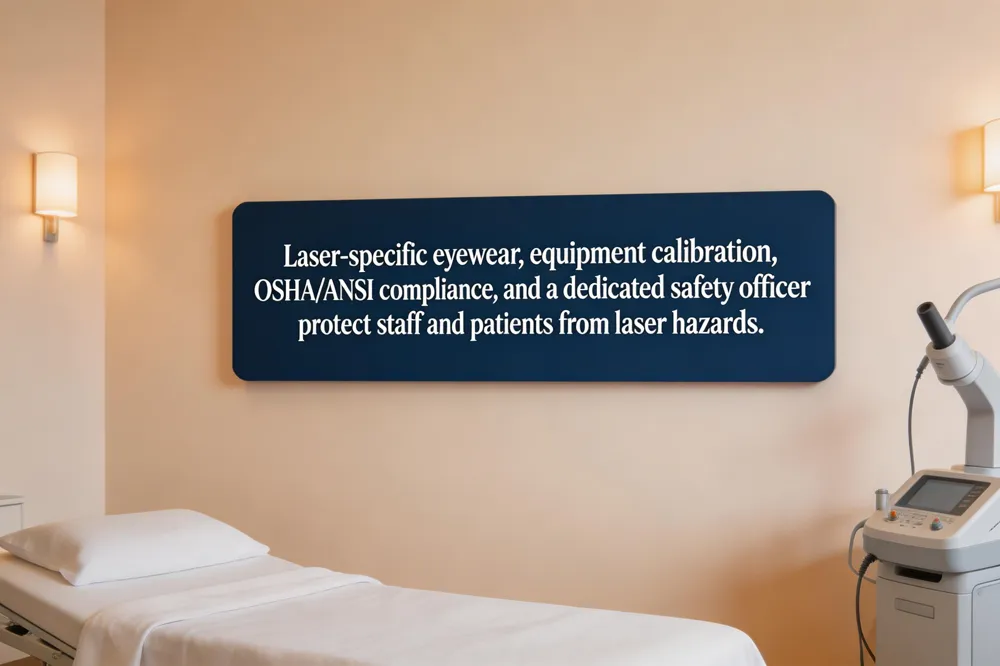 Laser eye‑protection protocols are the cornerstone of any aesthetic clinic that uses lasers. All patients and staff must wear laser‑specific eyewear with the correct optical density for the device’s wavelength; the eyewear is removed only when the beam is shut off. Equipment inspection and calibration are performed before each use, following manufacturer guidelines and documented in a log. OSHA and ANSI (Z136.1, Z136.3) standards require controlled‑area signage, interlocks, emergency shut‑off switches, and regular plume evacuation with ULPA filtration. A robust safety culture means every team member receives annual laser‑safety training, a designated Laser Safety Officer conducts audits, and a pre‑procedure checklist verifies beam path clearance, protective barriers, and patient positioning. By integrating these measures, clinics minimize eye injury, burns, and fire hazards while delivering effective, science‑backed aesthetic results to patients.
Post‑procedure Recovery and Follow‑up
 Arrange a designated driver and caregiver to stay with you at least the first night after surgery. Prepare the home recovery environment with high‑protein, low‑sodium meals, caffeine‑free drinks, water, and easy‑to‑reheat foods; keep essentials (phone, charger, TV remote, pillows) within arm’s reach to avoid unnecessary movement. Choose front‑opening clothing and slip‑on shoes for the first few days to accommodate limited mobility. Avoid lifting, driving, or cleaning for the first 24‑48 hours. Monitor for complications—excessive bruising, swelling, pain, or visual changes—and follow the surgeon’s schedule for follow‑up visits (typically within one week and again at four to six weeks).
What are some factors for safety in the clinic? Effective communication and teamwork, combined with standardized clinical protocols, form the backbone of a safe clinic environment. Precise patient identification—using at least two reliable identifiers such as full name and date of birth—prevents mis‑treatment and documentation errors. Routine equipment maintenance, rigorous infection‑control practices, and meticulous medication management further reduce the risk of adverse events. Ongoing staff education and regular training on hand‑off communication, emergency response, and adverse‑event reporting ensure that everyone is prepared to act promptly and transparently. A culture that encourages reporting of near‑misses and continuous quality‑improvement closes gaps and sustains patient safety.
Conclusion
Understanding and following a comprehensive pre‑procedure checklist is essential for safe, effective aesthetic care. The checklist covers medical history review, medication and supplement adjustments, smoking and alcohol cessation, skin preparation, laboratory documentation, and detailed post‑procedure planning such as transportation, caregiver support, home recovery setup, and follow‑up appointments. When patients adhere to these steps, complications such as bleeding, infection, or suboptimal healing are dramatically reduced, leading to smoother recoveries, better results, and higher satisfaction. Treat the checklist as a personal roadmap: review it before each appointment, ask the provider to clarify any items, and keep a copy handy during recovery. Consistent use empowers you to take control of your aesthetic journey and maximizes the benefits of modern, science‑backed treatments.