The End of One-Size-Fits-All: Why Personalization is the New Gold Standard
The Shift from Generic Standards to Individualized Care
For decades, beauty and aesthetic care were often guided by rigid, generic ideals. Treatments were administered with a one-size-fits-all mentality, where procedures and product recommendations followed a standard template. This approach frequently led to inconsistent results, as it failed to account for the vast differences in skin biology, facial structure, aging patterns, and personal goals between individuals. The aesthetic industry has undergone a fundamental transformation, moving away from these cookie-cutter methods toward a model that prioritizes the unique needs of each person.
This evolution reflects a broader cultural shift towards authenticity and self-acceptance. Modern aesthetic care is less about conforming to a single ideal and more about celebrating individuality. It empowers people to define beauty on their own terms, focusing on enhancing their natural features rather than masking or fundamentally changing them. This patient-centered philosophy marks a significant departure from outdated practices, placing the individual's vision and well-being at the heart of every treatment decision.
Personalization as a Core Philosophy
Personalization is far more than a marketing buzzword; it is the foundational philosophy of contemporary medical aesthetics. It represents a commitment to bespoke care, where every aspect of the treatment journey is tailored. This begins with the understanding that no two patients are alike. Factors such as genetics, skin type (dry, oily, combination, sensitive), age, lifestyle habits, and even ethnic background create a unique profile that dictates the most effective and safe approach.
For instance, a treatment that brilliantly smooths wrinkles for one person might cause irritation or deliver suboptimal results for another with a different skin sensitivity or underlying condition. A personalized approach recognizes these nuances from the start. It transforms aesthetic care from a simple transaction into a collaborative, strategic partnership between the patient and practitioner, built on detailed assessment and open communication.
Enhancing Safety, Efficacy, and Satisfaction
The move to personalized care directly addresses the core pillars of successful treatment: safety, efficacy, and patient satisfaction. By designing a plan around an individual's specific profile, practitioners can significantly minimize risks. This involves accounting for allergies, medical history, current medications, and unique anatomical considerations before any procedure begins. Customization ensures that device settings, product concentrations, and treatment depths are precisely calibrated for safety and comfort.
In terms of efficacy, personalization removes the guesswork. A tailored plan strategically combines treatments—such as injectables with laser therapies or chemical peels—to address multiple concerns synergistically. This multi-modal approach often leads to quicker, more profound, and longer-lasting results than isolated, standard procedures. When treatments are precisely aligned with a person's biology and goals, outcomes are optimized for natural-looking enhancement.
Ultimately, this meticulous, individualized approach fosters higher patient satisfaction. Clients feel heard, understood, and actively involved in their care. Seeing results that harmonize with their natural features and align with their personal vision builds profound trust and confidence. The emotional benefit—feeling more comfortable and secure in one's own skin—is a powerful outcome of truly personalized aesthetic care.
A Guide to the Modern Approach
Understanding personalized aesthetic care is key to navigating today's treatment options confidently. This modern approach is comprehensive, blending science, artistry, and advanced technology. It starts with a thorough consultation, where a qualified practitioner conducts a detailed evaluation of your skin, discusses your goals, and reviews your health history. This initial step is non-negotiable; it is the blueprint for everything that follows.
Technology plays a crucial supporting role in achieving personalization. Tools like AI-assisted skin analysis, high-resolution imaging, and augmented reality allow for unprecedented precision. They provide detailed insights into skin conditions, help predict treatment responses, and even allow patients to visualize potential outcomes, setting realistic expectations from the outset.
The following table outlines the fundamental differences between the old generic approach and the new personalized standard:
| Consideration | Traditional One-Size-Fits-All Approach | Modern Personalized Standard |
|---|---|---|
| Foundation | Based on generalized beauty ideals and standard protocols. | Based on individual anatomy, skin biology, and personal goals. |
| Consultation | Often brief, focused on selling a specific procedure. | Comprehensive, involving detailed assessment and collaborative goal-setting. |
| Treatment Plan | Typically a single, isolated procedure. | A dynamic, often multi-modal strategy that may combine treatments. |
| Risk Management | Generic safety protocols; higher risk of adverse reactions. | Proactive; accounts for personal health history and specific sensitivities. |
| Expected Outcome | May look artificial or not suit the individual's features. | Designed for natural-looking enhancement that complements unique features. |
| Patient Role | Passive recipient of treatment. | Active, informed partner in the care journey. |
| Technology Use | Limited, often for treatment delivery only. | Integral for assessment, planning, and setting realistic expectations. |
| Core Elements of Personalized Aesthetic Care | Description | Primary Benefit |
|---|---|---|
| Comprehensive Consultation | In-depth discussion of goals, health review, and physical assessment. | Creates a safe, effective treatment blueprint. |
| Tailored Treatment Combinations | Strategic sequencing of procedures like lasers, injectables, and peels. | Addresses multiple concerns for synergistic, enhanced results. |
| Ongoing Plan Adaptation | Regular reviews to adjust the plan as skin, age, or goals change. | Ensures long-term efficacy and maintains results over time. |
| Integrated Lifestyle Guidance | Advice on nutrition, skincare, and wellness to support treatments. | Promotes overall skin health and prolongs aesthetic outcomes. |
| Advanced Diagnostic Tools | Use of AI, skin analysis, and imaging for precise evaluation. | Enables data-driven, highly accurate treatment recommendations. |
The Foundational First Step: The Power of the Consultation
The Communication Bridge to Personalization
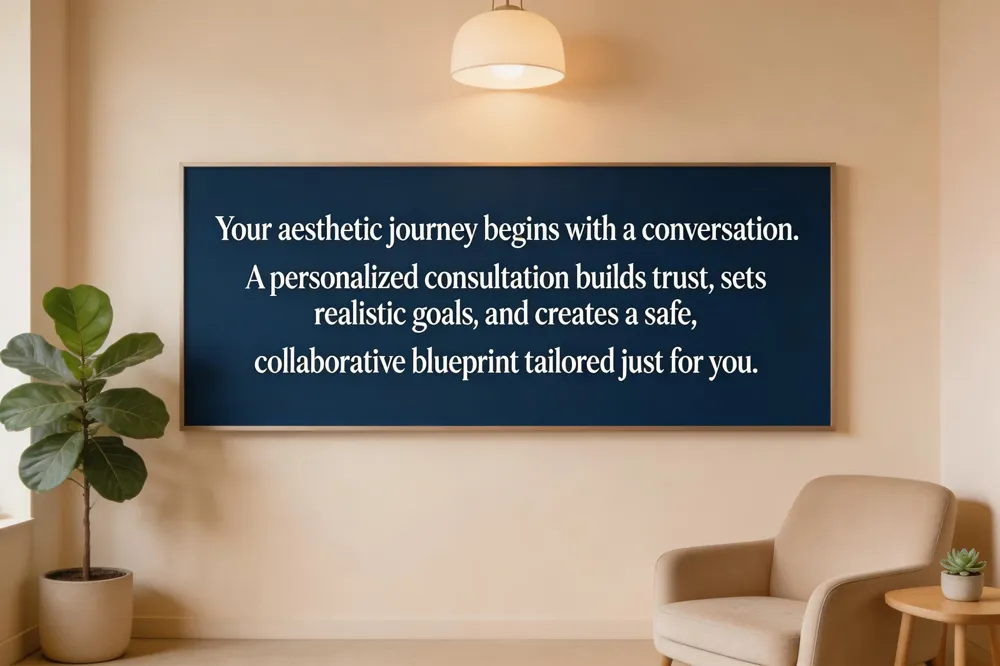
Every successful aesthetic journey begins not with a treatment, but with a conversation. The initial personalized aesthetic consultation is the indispensable cornerstone of personalized aesthetic care, serving as the primary communication bridge between patient and practitioner. This dedicated time is where a generic approach is left behind in favor of a bespoke strategy tailored to an individual's unique canvas.
A personalized consultation is the first step in crafting a personalized aesthetic treatment plan. It is designed to thoroughly understand a person's unique needs, concerns, and desired outcomes. This foundational process ensures that any subsequent treatments are perfectly aligned with the patient's expectations and overall well-being.
Elements of a Comprehensive Assessment
A high-quality consultation is a multi-faceted evaluation, far beyond a simple discussion of desires. It systematically gathers the critical data needed to design a safe and effective customized treatment plan.
| Consultation Element | Purpose & Details | Why It Matters for Personalization |
|---|---|---|
| Health & Medical History Review | Comprehensive discussion of current health, medications, supplements, allergies, and past aesthetic treatments. | Identifies potential contraindications, ensures treatment safety, and accounts for factors that influence healing and results. |
| Aesthetic Goals & Expectations | In-depth conversation about specific concerns (e.g., wrinkles, volume loss) and the desired intensity of change (subtle vs. dramatic). | Aligns the personalized aesthetic treatment plan with personal vision, prevents miscommunication, and is crucial for setting realistic expectations for aesthetic treatments. |
| Skin & Feature Assessment | Hands-on evaluation of skin type, texture, tone, elasticity, facial proportions, bone structure, and muscle dynamics. | Provides objective data on the current state, allowing tailored aesthetic treatments to be precisely matched to individual anatomy and biology. |
| Lifestyle & Habit Discussion | Review of diet, sleep, stress levels, skincare routine, sun exposure, and physical activity. | Ensures recommendations are practical and sustainable, and identifies lifestyle factors that may enhance or impede results. |
Leveraging Technology for Precision and Clarity
Modern consultations are enhanced by advanced diagnostic and imaging tools, which bring a new level of objectivity and vision to the planning process.
AI-powered skin analysis systems data processing for personalized skin profile can assess texture, pigmentation, and elasticity beyond what the naked eye can see. This allows for AI in aesthetic medicine to create deeply personalized skin profiles. Furthermore, augmented reality (AR) and AI-assisted facial mapping software enable patients to visualize potential outcomes. These tools simulate results from procedures like tailoring dermal filler treatments to your unique facial structure or laser treatments, helping to set accurate expectations and foster a collaborative patient consultations environment.
Building Trust and Demystifying Treatments
A core function of the consultation is education and relationship-building. Practitioners use this time to demystify complex treatments and technologies, explaining how different procedures work at a cellular level—such as stimulating collagen or relaxing muscles. This educational clarity empowers individuals to make informed decisions.
By openly discussing potential risks, side effects, recovery times, and the realistic timeline for seeing results, the practitioner builds a foundation of trust from the outset. This transparent dialogue is essential for ensuring patient confidence and satisfaction, transforming the experience from a simple transaction into a trusted partnership.
How Patient Preparation Enhances the Process
The consultation's effectiveness is significantly amplified when the patient comes prepared. Being an active participant allows for a more efficient and productive session, ensuring no critical detail is overlooked.
- Articulate Goals: Clearly outline your primary concerns and what you hope to achieve. Bringing visual examples (photos) of desired outcomes can be very helpful.
- Compile History: Bring a detailed list of all medications, supplements, dosages, and your complete medical history. Disclosing previous aesthetic treatments is equally important.
- Share Your Routine: Be ready to discuss your current skincare regimen, including all products used daily.
- Prepare Questions: Write down questions in advance. Key topics to cover include the practitioner's credentials and experience in aesthetic care, detailed preparation and downtime for recommended treatments, benefits versus potential risks, and whether you are a good candidate.
- Consider Budget: Having a general budget in mind allows the practitioner to recommend a plan that meets your financial parameters without sacrificing safety or efficacy.
This collaborative personalized treatment plan, where the patient is informed and engaged, ensures the resulting personalized aesthetic treatment plan is a true co-creation, meticulously designed to unlock an individual's enhancing natural beauty potential with clarity and confidence.
The Modern Toolkit: From Injectables to Advanced Technologies
What is aesthetic medicine?
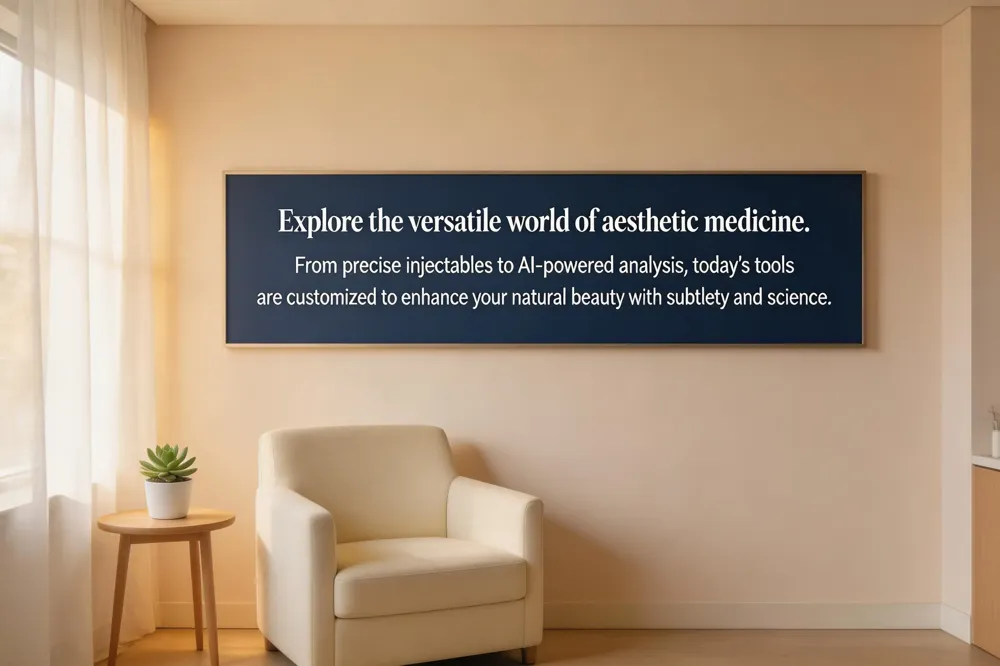
Aesthetic medicine is the specialized medical field focused on enhancing appearance and promoting well-being through both surgical and non-surgical procedures. It moves beyond a one-size-fits-all philosophy, embracing personalization as its cornerstone. This approach combines scientific rigor with artistic vision, aiming for subtle, natural-looking results that harmonize with an individual's unique anatomy and goals. By addressing concerns like wrinkles, volume loss, and skin texture, it seeks to enhance natural beauty rather than create dramatic change, ultimately supporting greater self-confidence.
Common, Customizable Procedures
Today's aesthetic toolkit offers a versatile range of treatments, each highly adaptable to individual needs.
- Injectables include neuromodulators like Botox and Dysport, which relax specific muscles to soften wrinkles, and dermal fillers, which restore lost volume and enhance contours. The key to their effectiveness lies in precise, personalized application.
- Laser and Energy-Based Therapies utilize controlled light or radiofrequency energy to target pigmentation, stimulate collagen, tighten skin, and improve texture. Device settings such as wavelength, energy level, and treatment depth are meticulously calibrated for each patient's skin type and concern.
- Chemical Peels involve applying a tailored solution to exfoliate the skin, addressing issues like acne scars, sun damage, and fine lines. The peel's strength and ingredients are selected based on a detailed skin analysis.
- Microneedling creates micro-injuries in the skin to trigger natural healing and collagen production. This procedure can be combined with serums or Platelet-Rich Plasma (PRP) for enhanced, personalized results.
- Non-Surgical Skin Tightening uses technologies like ultrasound (Ultherapy) or radiofrequency to heat deeper skin layers, encouraging tightening and lifting. Treatment plans are customized based on the degree of laxity and the patient's desired outcome.
Applying Personalization in Practice
The true power of these tools is unlocked through customization. This is not a generic process but a detailed strategy developed for one person.
- Custom Dosing and Placement: For neuromodulators, the dose is carefully calculated based on an individual's muscle strength and movement patterns to avoid a frozen look. Filler placement is a precise art, designed to restore facial harmony and symmetry according to one's unique bone structure and aging patterns.
- Tailored Device Parameters: During laser or radiofrequency treatments, a practitioner adjusts the device's energy, depth, and frequency based on the patient's skin tone, sensitivity, and specific target. This personalized calibration is crucial for both safety and efficacy, especially for those with melanin-rich skin.
- Combination Strategies: A personalized plan often strategically sequences or combines different modalities. For instance, a plan might pair Botox for dynamic wrinkles with a laser treatment to improve overall skin texture and tone, creating a comprehensive rejuvenation effect.
The Role of Advanced Technology
Modern technology provides unprecedented support for personalization, making treatments more precise and predictable.
- AI and Skin Analysis: Advanced imaging systems and artificial intelligence can analyze skin at a cellular level, assessing texture, elasticity, pigmentation, and pore size. This data helps practitioners identify underlying issues and track progress over time.
- Predictive Analytics and Planning: AI algorithms can process vast amounts of patient data to help predict treatment responses and suggest optimal protocols. This supports the creation of truly data-informed, individualized plans.
- Augmented Reality (AR): AR tools allow patients to visualize potential outcomes of procedures like filler injections or facial contouring before any treatment begins. This fosters realistic expectations and collaborative decision-making.
Tools for Subtle Enhancement
The overarching goal of this modern toolkit is refinement, not reinvention. Whether through a subtle lift from skin tightening, restored volume from fillers, or a smoother complexion from a laser, the aim is to help patients look like a refreshed, more confident version of themselves. The most successful treatments are often those that go unnoticed, leaving others to remark that someone looks well-rested or radiant. By prioritizing personalization, aesthetic medicine empowers individuals to enhance their natural features in a way that feels authentic and true to their identity.
| Treatment Category | Key Customizable Elements | Primary Goal of Personalization |
|---|---|---|
| Injectables (Botox/Fillers) | Dosage, injection points, product type, volume. | Achieve natural movement, restore facial balance, avoid over-correction. |
| Laser & Energy Therapies | Wavelength, pulse duration, energy level, treatment depth. | Match settings to skin type/concern, maximize results, ensure safety. |
| Chemical Peels & Microneedling | Solution acidity, needle depth, combination serums. | Address specific texture/pigmentation issues, control recovery intensity. |
| Skin Tightening Devices | Energy delivery, treatment grid pattern, number of passes. | Target specific laxity areas, provide gradual, natural-looking lift. |
| AI & Diagnostic Tools | Data points analyzed, predictive modeling, visualization. | Create precise treatment roadmap, set realistic patient expectations. |
Crafting Your Blueprint: What a Personalized Treatment Plan Really Means
Defining the Dynamic Strategy
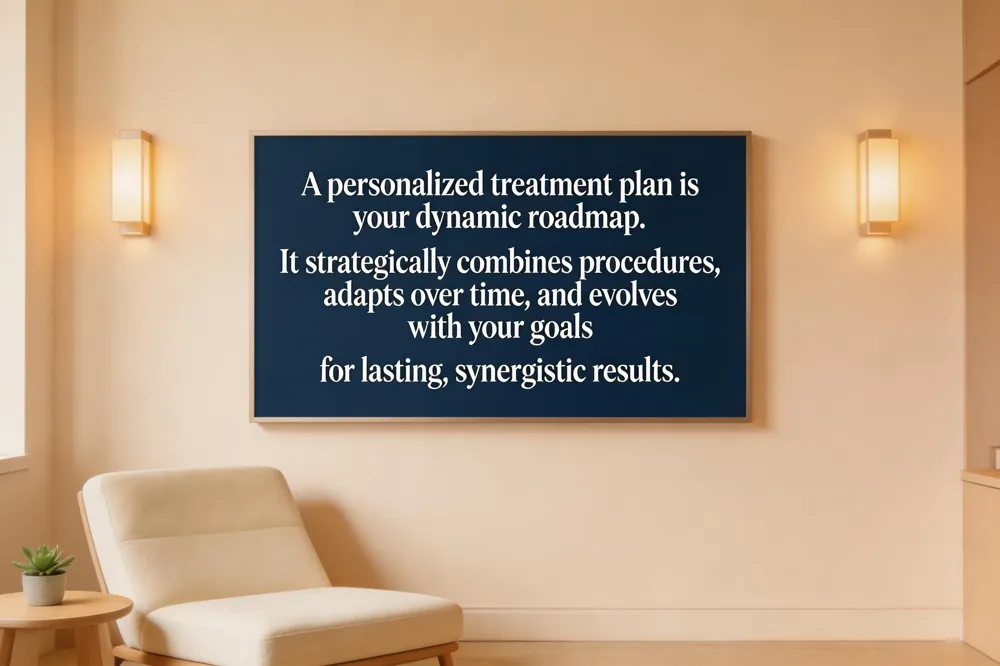
A personalized aesthetic treatment plan in aesthetic medicine is a comprehensive, patient-centered strategy designed to meet your unique aesthetic goals, skin type, and anatomical features. It is not a static prescription but a dynamic and evolving blueprint. This approach acknowledges that skin biology and personal goals change over time. A plan from last year may need adjustment for this year's objectives. Personalization begins with an in-depth personalized aesthetic consultation and advanced diagnostics, creating a "holistic approach to aesthetics" or "whole-person" strategy that considers lifestyle, preferences, and overall wellness.
How a Plan is Constructed: Synergistic Combinations
Building an effective plan involves strategically combine aesthetic procedures to achieve a synergistic effect. For example, Botox and dermal fillers can be paired with chemical peels and laser resurfacing. This approach tackles multiple skin concerns across different tissue layers simultaneously. An anti-aging plan may combine neuromodulators for dynamic wrinkles with collagen-stimulating lasers for texture. An acne management strategy could link medical-grade facials with specific homecare products. This multi-modal method, part of a customized aesthetic care approach, enhances overall results beyond what any single treatment could achieve alone.
The Critical Role of Sequencing and Timing
The order and scheduling of treatments are crucial for safety, comfort, and optimal results. A well-planned sequence accounts for recovery times, treatment longevity, and how different procedures interact. For instance, a laser treatment might be scheduled several weeks before or after an injectable session. This strategic timing helps minimize cumulative downtime and allows for proper healing between procedures. It also considers external factors like seasonal sun exposure to protect the skin during sensitive recovery phases. Proper sequencing, a key part of a results-driven aesthetic treatment plan, ensures each treatment builds upon the last for progressive, cumulative improvement.
Adapting the Plan to Your Evolving Needs
A key feature of a personalized plan is its adaptability. Skin changes due to age, environment, hormonal shifts, and lifestyle. Therefore, a successful plan is not set in stone. It evolves through regular follow-up assessments as part of an adaptive aesthetic treatment plan. If a treatment isn't working as expected or if new concerns arise, the strategy can be adjusted. This flexibility ensures the care you receive remains aligned with your current skin condition and aesthetic aspirations, providing continuous optimization over months and years.
Practical Examples of Tailored Plans
Personalized plans are structured around common goals. Here are illustrative examples:
- Anti-Aging Plan: This strategy often combines Botox and dermal fillers to relax expression lines and restore lost volume, and a series of collagen-stimulating treatments like microneedling or radiofrequency. A medical-grade personalized skincare regimen with retinoids and antioxidants supports these in-office procedures.
- Acne Management Plan: This plan targets active breakouts and scarring through a combination of chemical peels, laser therapies to reduce bacteria and redness, and specialized facials. It is supported by at-home products containing ingredients like salicylic acid and niacinamide to regulate oil production.
- Skin Rejuvenation Plan: Aimed at improving overall texture and radiance, this plan may sequence treatments like a HydraFacial for deep cleansing, followed by IPL (Intense Pulsed Light) therapy for pigmentation, and concluding with a series of gentle laser treatments to refine pores and smooth fine lines.
- Body Contouring Plan: This holistic approach combines non-invasive body contouring treatments like CoolSculpting with muscle-toning technologies and skin-tightening procedures. It is integrated with lifestyle guidance on nutrition and exercise to help maintain and enhance the physical results, embodying a holistic approach to aesthetics.
A Summary of Personalized Plan Components
The following table outlines the core elements and considerations involved in creating a dynamic, personalized aesthetic treatment plan.
| Plan Component | Description & Function | Key Considerations for Customization |
|---|---|---|
| Initial Consultation | Foundational assessment of skin, goals, and health history. | Patient honesty, visual examples, detailed medical review. |
| Treatment Combinations | Strategic pairing of procedures for layered, synergistic results. | Skin type, primary concerns, treatment interactions, downtime. |
| Sequencing & Schedule | The specific order and timing of treatment sessions. | Recovery periods, treatment longevity, seasonal factors. |
| Adaptive Strategy | Ongoing plan adjustments based on progress and changes. | Regular follow-ups, skin evolution, new goal development. |
| Supportive Regimen | At-home skincare and lifestyle practices to maintain results. | Product suitability, patient compliance, daily routine integration. |
Tailoring Care Across the Lifespan: Age, Goals, and Holistic Wellness
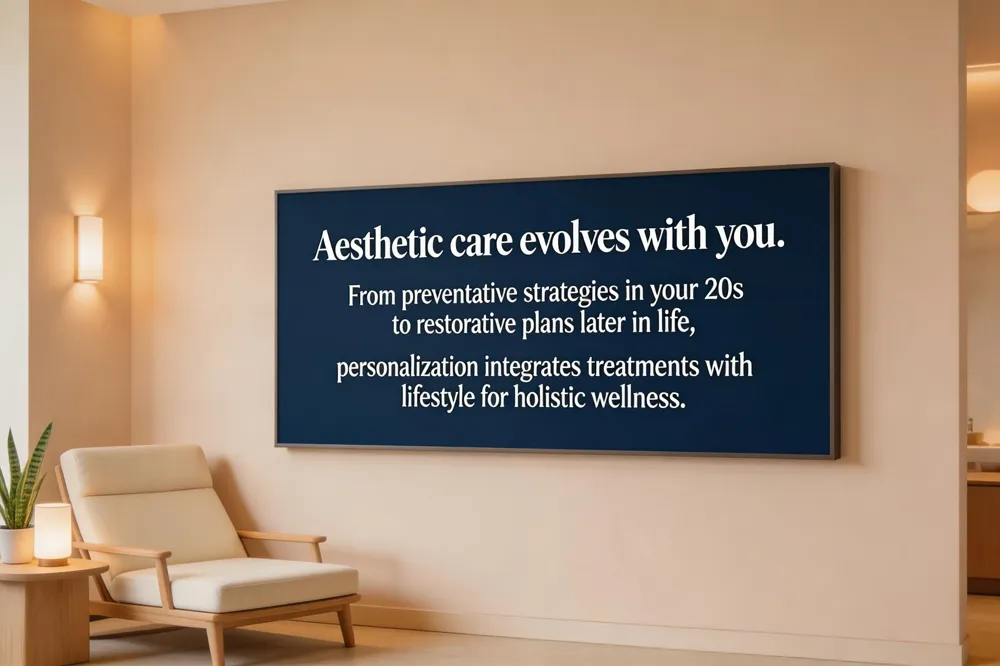
How personalization adapts to different life stages and goals
Aesthetic care is not static; it evolves with you. The core principle of personalization is that a one-size-fits-all approach fails to account for an individual's unique biology, life stage, and aspirations. In your 20s and 30s, the focus often shifts toward preventative care. This includes early intervention strategies like subtle neuromodulators to soften early expression lines and skin treatments that build collagen resilience, aiming to preserve youthful features rather than correct significant aging.
By the 40s and 50s, personalization naturally pivots toward more restorative goals. This stage often addresses changes in skin elasticity, facial volume loss, and the cumulative effects of sun exposure and lifestyle. Patients in this demographic are most likely to seek a combined approach, integrating both minimally invasive treatments and targeted surgical procedures for comprehensive rejuvenation. The consultation process is paramount here, as practitioners must evaluate anatomical changes specific to this decade to tailor a plan that respects the individual's unique aging journey.
For patients in later decades, considerations like overall health status, medication interactions, and skin healing capacity become central to personalization. The strategy often prioritizes non-surgical options first, reserving surgery for specific, significant needs. Recovery plans are also customized, as older patients may require different post-operative guidance regarding activity levels compared to younger individuals. Throughout all ages, the practitioner's role is to align treatments with realistic, stage-appropriate goals, moving away from societal pressures to focus on the patient's personal vision of enhancement.
Examples: early intervention, mommy makeovers as the epitome of customization
Personalized aesthetic planning is exemplified by two distinct approaches: preventative early intervention and comprehensive restorative packages. Early intervention, popular among younger adults, involves proactive treatments to slow visible signs of aging. This may include micro-dosing of neuromodulators, collagen-stimulating therapies, and personalized skincare regimens. The goal is to maintain skin quality and facial balance over the long term, representing a strategic, forward-looking application of personalization.
The mommy makeover stands as the ultimate example of bespoke aesthetic care. It is explicitly defined by its customizability, designed to address the unique physical changes following pregnancy and childbirth. A standard plan does not exist; instead, it is a tailored combination of procedures based on an individual's specific concerns. Common components include:
| Primary Concern | Typical Procedure | Personalization Factor |
|---|---|---|
| Abdominal laxity & muscle separation | Tummy tuck (abdominoplasty) | Choice between full or mini technique based on extent of change |
| Lost breast volume or sagging | Breast augmentation, lift, or both | Decision between implants or fat transfer, based on patient goals and anatomy |
| Stubborn fat deposits | Liposuction | Targeted areas chosen based on individual body contour |
This approach allows multiple concerns to be addressed in a single, coordinated operation, which can enhance overall body proportion and streamline recovery. The planning requires a detailed consultation where the surgeon evaluates the patient's anatomy and goals to create a unique surgical blueprint, underscoring that personalization is foundational to both safety and satisfaction.
The holistic component: integrating lifestyle and at-home skincare
True personalization extends far beyond the treatment room. A holistic approach is critical for achieving and maintaining lasting results. This means integrating professional procedures with lifestyle factors and a dedicated at-home regimen. Nutrition, exercise, stress management, and sleep quality all significantly influence skin health, healing, and the longevity of aesthetic outcomes. For instance, a balanced diet rich in anti-inflammatory foods and lean proteins supports tissue repair and reduces post-procedure swelling.
A personalized at-home skincare routine is a non-negotiable pillar of this holistic model. Following in-office treatments, practitioners often recommend professional-grade products with ingredients tailored to your specific skin type and concerns. This regimen typically includes a cleanser, treatment serums, moisturizer, and, most importantly, broad-spectrum sunscreen. The specific actives—such as retinoids for cellular turnover, vitamin C for antioxidant protection, or hyaluronic acid for hydration—are selected based on your personalized plan to prolong and enhance clinical results.
Personalized recovery strategies, including specific dietary guidance
Recovery is not a generic process; it must be as personalized as the treatment itself. Dietary guidance is a prime example of this tailored approach. Post-procedure nutrition plans often emphasize hydration—drinking at least 64 ounces of water daily—to support healing and minimize side effects from medications. The focus is on consuming anti-inflammatory foods like berries, leafy greens, and nuts, while incorporating ample lean protein from sources like chicken, fish, or legumes to facilitate tissue repair.
Conversely, personalized recovery advice includes specific items to avoid. Patients are typically guided to limit processed foods, excessive salt, sugar, caffeine, and alcohol, as these can promote inflammation, increase swelling, and delay healing. This level of detailed, individualized aftercare instruction ensures the body has the optimal resources to heal, directly impacting the speed and quality of the final result. Such strategies are adjusted based on the patient's age, the procedures performed, and their baseline lifestyle.
The role of the practitioner's expertise in guiding these plans
The entire framework of lifespan-tailored, holistic care hinges on the expertise of a qualified practitioner. Their deep clinical knowledge and artistic eye are what transform a list of potential treatments into a coherent, effective, and safe personalized plan. The practitioner's role begins with the comprehensive consultation, where they assess not just skin type and facial structure, but also lifestyle, health history, and psychological readiness. This evaluation is essential for identifying root causes of concerns and setting realistic expectations.
Expertise is demonstrated in knowing how to strategically combine and sequence treatments—like pairing laser therapy with injectables—for synergistic effects. It also involves making real-time adjustments during procedures and adapting the long-term plan as a patient's needs evolve with age or lifestyle changes. Choosing a board-certified professional with significant experience in the specific treatments you are considering is the most critical step. Their guidance ensures every aspect of your care, from the initial goal-setting to the final recovery detail, is meticulously tailored to you.
| Life Stage Focus | Common Goals | Typical Treatment Examples | Holistic & Recovery Considerations |
|---|---|---|---|
| 20s & 30s (Preventative) | Preserve youth, early wrinkle softening | Micro-dosed Botox, skin boosters, PRP | Stress management, daily SPF, antioxidant serums |
| 40s & 50s (Restorative) | Address volume loss, skin laxity | Fillers, facelifts, combination laser therapies | Protein-rich diet, targeted skincare, managed activity |
| Post-Pregnancy (Customized) | Restore pre-baby body contour | Mommy makeover (tummy tuck, breast surgery) | Hydration focus, nutrient-dense meals, no heavy lifting |
| 60s+ (Maintenance & Refinement) | Refresh features, ensure safety | Non-surgical skin tightening, subtle fillers | Overall health review, gentle nutrition, personalized activity plans |
Choosing Your Partner: The Practitioner as Your Guide
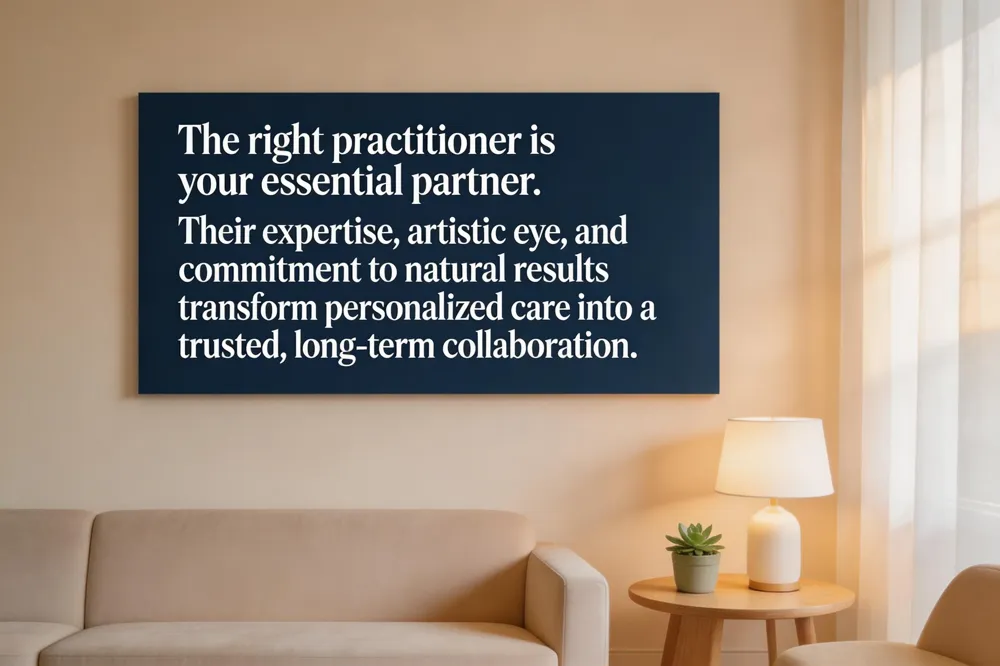
Why the right practitioner is critical for successful personalized care.
The effectiveness of any aesthetic treatment plan hinges on the skill of the professional who creates and executes it. Unlike generic, one-size-fits-all approaches, personalized aesthetic care is a detailed, collaborative process that relies heavily on practitioner expertise. A qualified professional is essential for accurately assessing your unique facial structure, skin biology, and personal goals. They ensure treatments are not only safe but also harmonize with your natural features, avoiding cookie-cutter outcomes. The practitioner’s knowledge is what transforms advanced technology and treatments into tools for subtle, confidence-boosting enhancements.
Key selection criteria: board certification, experience, artistic eye, and a focus on natural results.
Choosing the right professional requires careful consideration of several critical qualifications. First and foremost, ensure your practitioner is board-certified in a relevant specialty, such as dermatology or plastic surgery. This certification verifies rigorous training and a commitment to safety standards, such as those set by the American Association for Accreditation of Ambulatory Surgery Facilities (AAAASF), a key aspect of safety protocols in aesthetic care.
Beyond credentials, hands-on experience is vital. Look for a practitioner with a proven track record in the specific procedures you are considering, whether they are neurotoxin injections, dermal fillers, or laser therapies. Equally important is an artistic eye for balance and proportion. A skilled practitioner combines clinical science with an understanding of facial harmony to achieve results that look refined and natural, not artificial, embodying the principle of subtle enhancement.
This focus on natural results is a hallmark of modern, personalized care. Patients today want to look like the best version of themselves—refreshed, rested, and authentically themselves—rather than dramatically altered. Your practitioner should prioritize this philosophy of subtle enhancement over dramatic transformation.
The importance of a personal connection and comfort level for open communication.
Aesthetic care is a personal journey, making the relationship with your practitioner fundamental. You must feel comfortable communicating openly about your desires, concerns, and medical history. During the initial consultation, assess if the practitioner makes you feel welcome, listens attentively, and helps you understand your options without pressure, which is the foundation of an effective personalized aesthetic consultation.
This personal connection fosters the trust necessary for a successful partnership. Open dialogue allows the practitioner to fully grasp your expectations and tailor a plan accordingly. It also ensures you feel empowered to ask questions about benefits, risks, preparation, and downtime. A comfortable rapport transforms the experience from a simple transaction into a collaborative effort toward your goals.
How a skilled practitioner balances science, technology, and artistry.
Modern aesthetic medicine is a blend of three core elements: scientific knowledge, advanced technology, and artistic skill. A proficient practitioner seamlessly integrates all three. They use their scientific understanding of skin biology, collagen stimulation, and aging patterns to inform treatment decisions.
They leverage technology—from AI-assisted facial mapping and skin analysis tools to precise laser devices—to gather data and customize every aspect of a procedure, from device settings to injection depth. However, technology is merely a tool. The artistry comes in applying this knowledge and technology to your unique canvas. This involves strategic decisions, such as micro-dosing neuromodulators based on your muscle strength or choosing PRP therapy over under-eye filler to honor your individuality. This balance is what elevates personalized care from a protocol-driven service to a precision art form.
The shift from a transactional service to a collaborative, long-term partnership.
Personalized aesthetic care represents a significant shift from viewing treatments as isolated transactions. Instead, it fosters a long-term, collaborative partnership between you and your clinical team. The initial consultation is the first step in building this relationship, focusing on education and creating a roadmap for your aesthetic journey.
Your plan is not static; it adapts as your skin, lifestyle, and goals evolve. Follow-up appointments are for fine-tuning and long-term planning, not just for administering another treatment. This ongoing relationship ensures continuity of care, where the practitioner knows your history and can make thoughtful, gradual adjustments over time, which is central to an evolving aesthetic treatment plan. This model prioritizes your overall skin health and wellness, building a foundation of trust, education, and empowerment that lasts far beyond any single procedure.
| Selection Factor | What It Means | Why It Matters for Personalization |
|---|---|---|
| Board Certification | Verified medical training & safety standards. | Ensures procedures are tailored safely to your health profile. |
| Procedure Experience | Proven track record with specific treatments. | Allows for precise technique adjustment based on your anatomy. |
| Artistic Eye | Understanding of facial balance & harmony. | Achieves natural-looking results that enhance your unique features. |
| Communication Style | Listens actively & explains options clearly. | Builds trust for open dialogue about goals and concerns. |
| Holistic Philosophy | Views care as a long-term, adaptive journey. | Creates plans that evolve with your changing needs over time. |
| Technology Integration | Uses advanced tools for assessment & planning. | Provides data-driven insights for highly customized strategies. |
Beyond the Surface: How Tailored Beauty Nurtures Lasting Confidence
The Holistic Journey of Personalized Aesthetic Care
Personalized aesthetic care represents a significant shift from viewing treatments as isolated transactions. It is a holistic journey that integrates medical-grade procedures with a deep understanding of your individual story. This process moves beyond addressing a single wrinkle or spot, considering your complete well-being—encompassing skin biology, lifestyle habits, long-term goals, and emotional aspirations.
This journey is inherently adaptive. Your skin and body change with time, influenced by age, environment, and life stages. A truly personalized plan evolves alongside you. It begins with corrective treatments to address primary concerns and transitions into a strategic regimen of maintenance and preventative care. This long-term perspective ensures results are not just a fleeting fix but a sustainable enhancement of your natural radiance and health.
Empowerment Through Collaboration and Individualization
The core of personalized care is a collaborative partnership between you and your practitioner. This model empowers you as an active participant in your aesthetic journey. The process starts with a comprehensive consultation where your voice is essential. You discuss your goals, concerns, and preferences in detail, while the practitioner contributes clinical expertise and technological insights.
This collaborative approach demystifies aesthetic treatments. Practitioners act as educators, explaining the science behind options and setting realistic timelines. You gain the knowledge to make informed decisions that align with your personal vision of beauty. This active involvement transforms the experience from something done to you into a process designed with you, fostering a profound sense of ownership and confidence in the chosen path.
A Relationship Built on Trust and Partnership
Personalized care fundamentally redefines the patient-provider dynamic. It transitions from a traditional, hierarchical model to a relationship grounded in trust, transparency, and mutual respect. The initial consultation is not merely an assessment; it is the foundation for an ongoing dialogue. Open communication about everything from medical history to budget considerations builds a strong, trustworthy partnership.
This partnership is characterized by continuity. Your provider gets to know your unique responses to treatments, your evolving goals, and your lifestyle. They can then fine-tune strategies with precision, whether adjusting the dosing of an injectable or recommending a new at-home skincare ingredient. This consistent, attentive care ensures that every step feels intentional and safe, reinforcing your confidence in both the process and the professional guiding it.
Seeking a New Standard of Care
Given the profound benefits, seeking a practice that prioritizes this level of personalization is crucial for anyone considering aesthetic treatments. It is the standard for achieving natural, satisfying, and safe results. Look for providers who emphasize comprehensive consultations, demonstrate a commitment to ongoing education about the latest technologies, and show genuine interest in understanding your individual story.
Your initial meeting should feel like a collaborative conversation, not a sales pitch. A qualified practitioner will spend ample time asking questions, performing detailed assessments using tools like skin analyzers, and co-creating a phased plan. They should welcome your questions and provide clear, evidence-based answers. By choosing a clinic that views aesthetic care as a personalized journey, you invest in outcomes that enhance not just your appearance, but your lasting confidence and well-being.
| Aspect of Care | Traditional Approach | Personalized Approach | Patient Experience Impact |
|---|---|---|---|
| Consultation Style | Brief, procedure-focused | In-depth, goal-oriented dialogue | Feels heard and understood from the start. |
| Treatment Planning | One-size-fits-all protocol | Dynamic, multi-modal strategy | Plan feels uniquely crafted for individual needs. |
| Provider Role | Technician administering service | Educator and collaborative partner | Builds knowledge, trust, and active involvement. |
| Long-Term Strategy | Isolated, sporadic appointments | Phased journey with maintenance | Results are sustainable and integrate with lifestyle. |
| Communication | Limited post-treatment follow-up | Ongoing dialogue and plan adjustments | Confidence in safety and adaptability over time. |