Welcome to Iconic Laser’s Post‑Pregnancy Body Recovery Guide
Radio‑frequency (RF) skin tightening delivers controlled electromagnetic energy to the deep dermis, heating tissue to 40‑45 °C. This thermal stimulus triggers collagen‑ and elastin‑denature, remodeling the skin’s extracellular matrix and gradually improving firmness and texture over 2‑6 months. Because the procedure is non‑invasive, requires no incisions or anesthesia, and can be completed in a 30‑60‑minute outpatient session, it has become a go‑to option for new mothers seeking a quick, low‑downtime solution to postpartum laxity, stretch marks, and loss of tone. Clinical data from FDA‑cleared devices (e.g., Thermage, Exilis, Venus Legacy) demonstrate 15‑30 % gains in skin elasticity and up to a 30 % reduction in striae after a series of 3‑6 treatments, with results lasting 1‑3 years when proper skin‑care maintenance is followed. The safety profile is robust: mild erythema, swelling, or tingling are the most common transient effects, while serious complications such as burns are rare when performed by a board‑certified dermatologist or plastic surgeon using built‑in temperature controls. This combination of scientifically backed efficacy and a high safety margin makes RF skin tightening an attractive, personalized choice for postpartum body contouring.
How RF Skin Tightening Works and What Makes It Safe
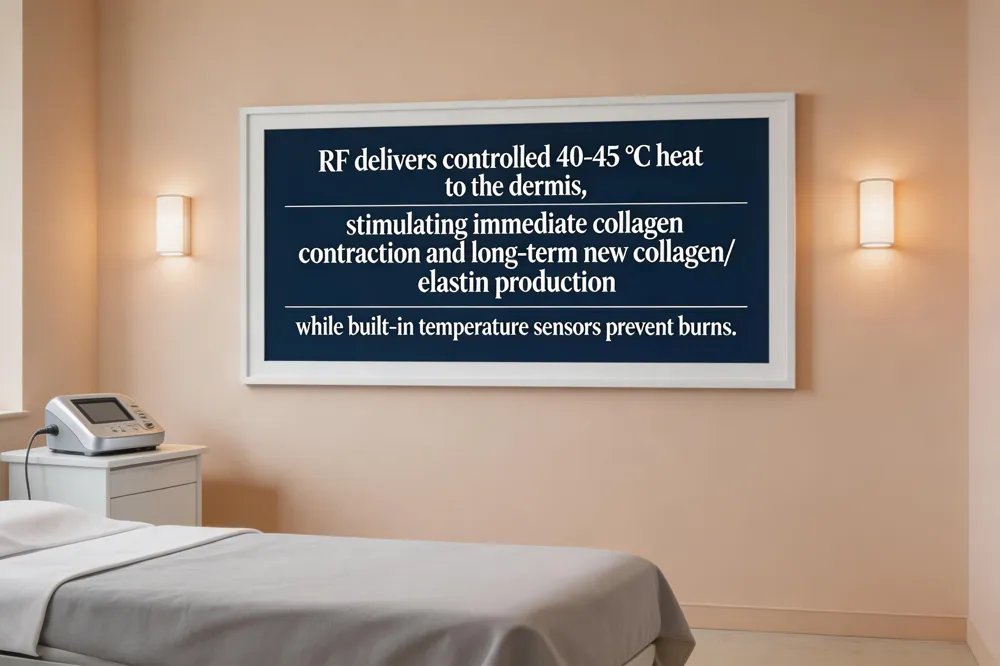 Radiofrequency (RF) skin tightening delivers controlled electromagnetic energy to the dermis, raising tissue temperature to 40‑45 °C. This heat triggers immediate collagen fiber contraction and, over weeks, activates fibroblasts to produce new collagen and elastin, gradually improving firmness and texture. FDA‑cleared devices such as Thermage, Exilis, and Venus Legacy incorporate built‑in temperature sensors and automatic shut‑off mechanisms, ensuring the skin never exceeds safe limits and minimizing burn risk. The most common side effects are mild erythema, temporary swelling, and a brief tingling sensation that resolve within 24‑48 hours; serious complications like burns or scarring are rare when treatment is performed by a board‑certified dermatologist or plastic surgeon using approved equipment.
Radiofrequency skin tightening – a non‑surgical, minimally invasive procedure that heats deep skin layers to stimulate collagen and elastin, offering gradual tightening with little downtime. Ideal for mild‑to‑moderate laxity, it works for all skin tones and is safe when personalized by a qualified clinician.
Radio frequency skin tightening dangers – improper energy delivery, especially with non‑cleared or home devices, can cause burns, scarring, nerve injury, or loss of sub‑cutaneous fat. Risks rise with inexperienced providers, lack of temperature monitoring, or use on recently healed surgical incisions. Selecting an FDA‑cleared system and an experienced practitioner mitigates these dangers; any persistent redness, pain, or numbness should prompt immediate medical evaluation.
Post‑Pregnancy Skin Changes and Why RF Is a Good Fit
 After delivery, the abdomen and other body areas stretch rapidly, causing hormonal shifts (decreased estrogen and progesterone) that reduce collagen synthesis and mechanical stress from rapid weight gain. This combination leads to abdominal laxity, stretch marks, and loss of elasticity. Natural recovery follows a 6‑ to 12‑week acute phase, during which the uterus involutes and skin gradually regains tone, but collagen remodeling can take months and often leaves residual sagging.
Radio‑frequency (RF) RF skin tightening offers a non‑invasive solution that complements the body’s healing timeline. By delivering controlled heat (40‑45 °C) to the dermis, RF stimulates fibroblasts to produce new collagen and elastin, improving firmness within 3‑4 weeks and delivering optimal results after 2‑6 months. A typical regimen of 3‑6 sessions spaced 4‑6 weeks apart aligns with the delayed postpartum phase, allowing any cesarean incisions or perineal tears to fully heal before treatment.
Safety profiles are robust: FDA‑cleared RF devices have temperature‑limit safeguards that minimize burn risk, and serious complications are rare when performed by qualified clinicians. Breastfeeding mothers can safely undergo RF after the first six weeks postpartum because the energy is localized and does not affect milk production. For women with recent C‑sections, clinicians recommend waiting until surgical wounds are fully healed (≥6 weeks) before initiating RF to avoid infection and ensure optimal tissue response.
Timing, Protocols, and Cost of Post‑Delivery RF Treatments
 When to start RF after birth and after a C‑section
Most U.S. guidelines recommend waiting until the delayed postpartum phase — about six weeks after delivery — to ensure uterine involution, healed perineal stitches, and any cesarean incisions are fully recovered. This timing minimizes infection risk and allows the skin’s collagen network to begin re‑establishing.
Typical session length, number of treatments, and spacing
A single RF session lasts 30‑60 minutes per treatment area. Clinicians usually prescribe 3‑6 sessions, spaced 2‑4 weeks apart to achieve optimal collagen remodeling. Results become noticeable within 3‑4 weeks, with continued improvement for up to six months.
Pricing, financing, and insurance considerations
RF tightening is a cosmetic service; insurance does not cover it. In the United States, cost ranges from $1,000 to $4,000 per session, depending on device, area treated, and provider expertise. Many clinics offer financing options such as CareCredit, and a detailed consultation will provide a personalized total‑cost estimate.
Things not to do after giving birth
Avoid vaginal inserts, heavy lifting, intense exercise, and neglecting nutrition or follow‑up appointments until healing is confirmed—typically after six weeks.
RF tummy tightening before and after
Before: loose, sagging abdominal skin. After: firmer, smoother belly with reduced laxity, visible within weeks and refined over months.
Does RF work on the body?
Yes—RF safely collagen in the abdomen, thighs, hips, arms, and back, delivering measurable tightening after 4‑6 sessions.
RF skin tightening before and after
Before: visible laxity and fine lines. After: immediate firmness, progressive collagen‑driven improvement over 6‑12 weeks.
RF skin tightening post‑pregnancy cost
Typical cost $1,000‑$4,000 per session; most patients need 3‑6 sessions. Financing is available; insurance does not apply.
Side Effects, Risks, and Managing Unexpected Outcomes
 Typical post‑treatment reactions to radiofrequency (RF) skin tightening are mild and short‑lived. Patients commonly experience transient erythema, swelling, a warm or tingling sensation, and occasional crusting that resolve within 24‑48 hours, though occasional women may notice lingering redness for up to a week.
Rare but serious complications include superficial burns, pigmentary changes, scarring, or localized fat atrophy. If any of these signs persist beyond a few days, increase in intensity, or are accompanied by pain, blistering, or infection, seek prompt evaluation from a board‑certified dermatologist or aesthetic physician.
Correcting hyper‑pigmentation, burns, or uneven texture typically involves gentle resurfacing, topical brightening agents (e.g., vitamin C, retinoids), and, when necessary, laser or light‑based therapies performed by a qualified provider.
Frequently asked questions
- Radio frequency ruined my face: Aggressive energy settings or inappropriate candidate selection can cause temporary redness, hyper‑pigmentation, or scarring. Most reactions are reversible with proper after‑care; persistent changes require professional assessment and targeted corrective treatments.
- Radiofrequency skin tightening benefits reddit: Users cite non‑invasive tightening, minimal downtime, and gradual collagen‑driven firmness across facial and body areas.
- What are the downsides of radiofrequency?: Potential risks include burns, scarring, temporary swelling, and rare pigment changes. Proper technique and board‑certified providers mitigate these risks.
- RF skin tightening post‑pregnancy side effects: Hormonal shifts may heighten sensitivity, leading to redness, swelling, and tingling that usually fade within days. Serious events are uncommon but warrant medical review.
- Does radio frequency skin tightening cause cancer?: Extensive research shows no credible link between therapeutic RF exposure and cancer; the technology is considered safe when used with FDA‑cleared devices and trained professionals.
Patient Experiences, Before‑and‑After Results, and Ongoing Maintenance
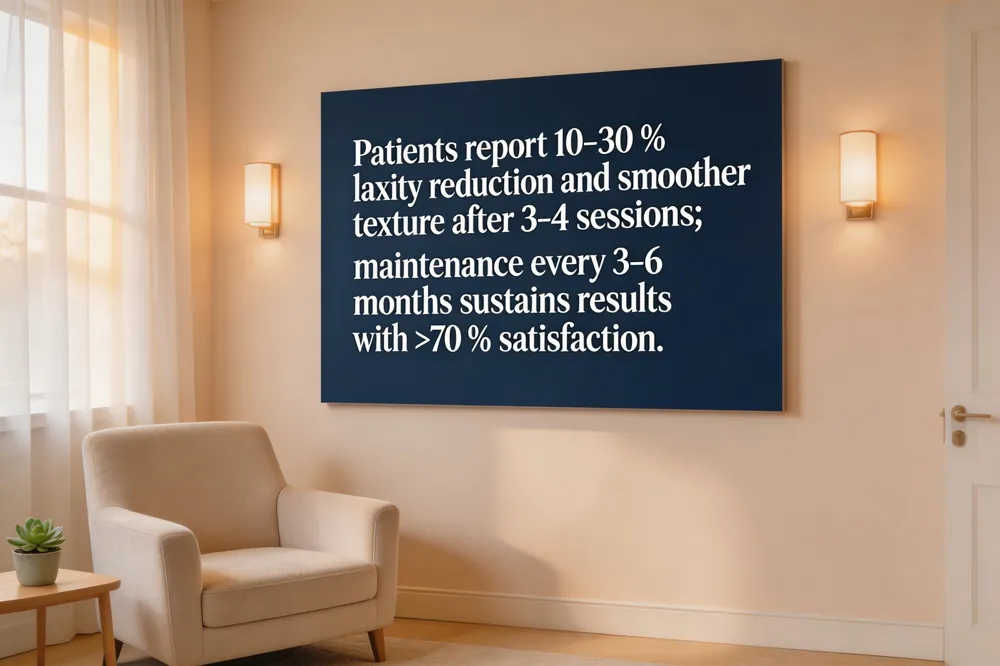 Post‑pregnancy women consistently report that RF skin‑tightening delivers a smoother, more youthful texture to the abdomen, thighs, arms and breasts. Typical testimonials cite noticeable tightening after 3‑4 sessions, minimal downtime, and the ability to resume daily activities immediately—attributes that make RF especially appealing to busy new mothers. Before‑and‑after photographs in U.S. clinics frequently show a 10‑30 % reduction in laxity, tighter circumference measurements, and faded stretch‑mark appearance within 2‑3 months of treatment, confirming the visual impact of collagen‑stimulating heat.
Clinicians recommend starting RF once the postpartum healing phase is complete (≈6‑8 weeks) and after any surgical incisions have fully closed. A standard regimen consists of 3‑6 sessions spaced 2‑4 weeks apart, followed by maintenance touch‑ups every 3‑6 months to preserve elasticity. Most patients experience only mild erythema or a warm sensation that resolves within 24‑48 hours, and serious complications are rare when FDA‑cleared devices are used by trained professionals.
Overall satisfaction rates exceed 70 % in peer‑reviewed studies, underscoring RF’s role as a safe, effective, non‑invasive option for restoring firmness after post‑pregnancy while supporting long‑term body‑contouring goals.
Integrating RF with Lifestyle, Nutrition, and Complementary Modalities
 How to tighten skin after pregnancy without surgery
Begin with a balanced, protein‑rich diet, adequate hydration (≈1 L / day), and vitamin C‑rich foods to support collagen synthesis. Gentle core‑strengthening and pelvic‑floor exercises (e.g., Kegels, modified planks) improve underlying muscle tone, which enhances the visual effect of skin‑tightening procedures. Topical agents such as retinoids, peptides, or antioxidant‑rich moisturizers further stimulate elastin production.
How to tighten skin after pregnancy without surgery
Begin with a balanced, protein‑rich diet, adequate hydration (≈1 L / day), and vitamin C‑rich foods to support collagen synthesis. Gentle core‑strengthening and pelvic‑floor exercises (e.g., Kegels, modified planks) improve underlying muscle tone, which enhances the visual effect of skin‑tightening procedures. Topical agents such as retinoids, peptides, or antioxidant‑rich moisturizers further stimulate elastin production.
RF skin tightening post pregnancy before and after Radiofrequency (RF) skin tightening delivers controlled thermal energy to the dermis, stimulating collagen remodeling and elastin production, which improves skin firmness and elasticity. Nonsurgical outpatient procedure lasting 30‑60 minutes per treatment area. Results can last 1‑3 years with proper skin‑care maintenance. Common side effects: mild redness, swelling, and temporary tingling sensation.
Postpartum body Post‑delivery changes include abdominal skin laxity, diastasis recti, and stretch marks caused by rapid stretching and hormonal shifts. Clinical studies have reported that a series of 3‑4 RF treatments can increase skin elasticity by 15‑30 % and reduce the appearance of abdominal striae in postpartum patients.
Postpartum recovery Recovery spans the first 6‑8 weeks; gentle walking, hydration, and balanced nutrition aid tissue healing. Most aesthetic providers recommend waiting until the delayed postpartum phase (approximately six weeks after delivery) before performing RF skin tightening to ensure that any surgical incisions or perineal tears have fully healed.
Postpartum treatment A comprehensive plan integrates Can be safely combined with microneedling, platelet‑rich plasma (PRP), or low‑level laser therapy with pelvic‑floor therapy and nutritional counseling, delivering non‑invasive contouring while supporting overall postpartum health.
Your Path to a Toned Post‑Pregnancy Body Starts Here
RF safely restores postpartum firmness, stimulating collagen with minimal downtime. A consult ensures optimal device choice and timing. Call today Iconic Laser, Troy, MI: 313‑555‑1234 for consultation.