Introduction to RF Skin Tightening
Overview of RF Technology
Radio Frequency (RF) skin tightening is a non-invasive procedure that uses low-frequency electromagnetic energy to stimulate collagen and elastin production in the skin. By heating the deeper layers of the dermis, RF technology encourages the body’s natural healing processes, resulting in firmer, more youthful-looking skin. The procedure is FDA-approved and has evolved since its introduction in 2002 as both a standalone treatment and a complementary option to other cosmetic procedures.
Popularity and Usage Trends
In recent years, RF skin tightening has gained popularity across diverse demographics. More than 188,000 individuals in the United States received RF treatments in 2020, reflecting its rising acceptance as a preferred alternative to surgical facelifts. The treatment is especially favored for its minimal invasiveness, quick procedures, and minimal recovery time. Its compatibility with various skin tones and types, as well as its versatility across facial and body areas, has further broadened its appeal.
The Procedure Explained
How RF Skin Tightening Works
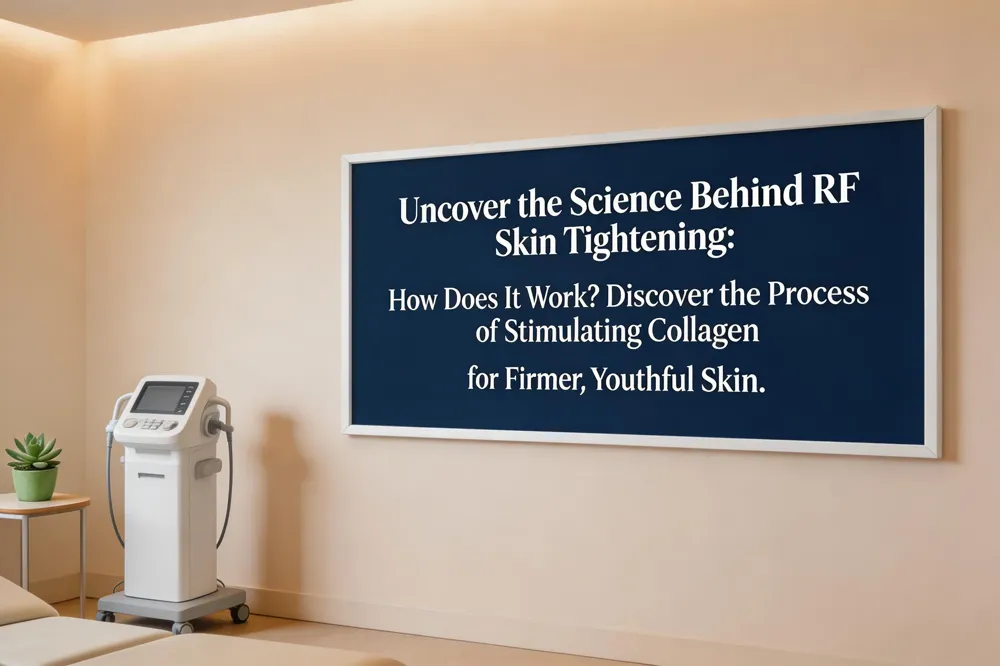
RF (radiofrequency) skin tightening involves the use of controlled radiofrequency energy to stimulate collagen and elastin production. This non-invasive treatment works by heating the deeper layers of the skin, such as the dermis, to a precise temperature. The thermal energy generated by the RF skin tightening devices causes micro-injuries to the skin tissue, prompting the body’s natural healing processes to promote tissue repair and rejuvenation. Over time, new collagen and elastin fibers are produced, leading to firmer, more youthful-looking skin.
The controlled heat from RF treatments also induces immediate collagen contraction with RF while stimulating a longer-term increase in collagen production via RF, resulting in enhanced skin firmness and elasticity. These thermal effects are what make RF an effective treatment for skin laxity and the reduction of wrinkles and fine lines, with results appearing gradually over several weeks to months after treatment.
Common Treatment Areas
RF skin tightening can be applied to various facial and body regions. Facial treatments typically target the forehead, cheekbones, jawline, and neck to address signs of aging like sagging skin, jowls, and fine lines. The treatment is equally effective on body areas such as the abdomen, upper arms, thighs, and buttocks, where excess skin laxity or stubborn fat deposits may exist.
RF is frequently used in procedures like facial contouring and jawline tightening. In vaginal rejuvenation and body contouring, it is used to promote skin firming and volume restoration, providing a more sculpted and youthful appearance. The procedure’s versatility allows it to be tailored to individual aesthetic goals, offering a non-surgical alternative to more aggressive cosmetic options.
Can RF Tighten Jowls?
Yes, RF can effectively tighten jowls. Radiofrequency treatments target the deep dermal layers and subcutaneous tissues, generating heat that causes tissues to contract and tighten. This process reduces the appearance of sagging under the jawline. The treatment stimulates the skin to produce more collagen, improving the texture, thickness, and elasticity of the skin. Tightening sagging jowls can instantly restore a more youthful and defined appearance to the face.
RF Skin Tightening Procedure Explanation
When performed by a trained medical professional using an FDA-approved device, RF skin tightening is both safe and relatively painless. Sessions typically last between 30 to 90 minutes, during which the provider may use a handheld device to glide over the treatment area, applying controlled heat to the skin. The temperature is monitored to ensure it reaches the optimal level for stimulating collagen without damaging the epidermis.
Patients may experience mild, temporary side effects such as redness or swelling shortly after treatment, which usually resolves within 24 hours. There is no downtime required, and most clients can return to their daily activities immediately. Results become more pronounced as new collagen is produced, with the most significant improvements typically visible 2 to 6 months post-treatment and lasting up to 1 to 3 years, depending on individual care and lifestyle.
Combining multiple RF sessions spaced several weeks apart is often advised to maximize results. Additionally, the procedure can be integrated with other non-invasive treatments such as Botox, dermal fillers, or microneedling for a more comprehensive rejuvenation plan.
Efficacy of RF Treatments
Scientific Backing and Clinical Results
Radiofrequency (RF) skin tightening leverages electromagnetic energy to stimulate neocollagenesis, a natural process of collagen replacement that improves skin firmness and texture. Controlled heat delivery, typically in the 6-10 MHz range, targets the dermis without damaging the epidermis, a key factor in its safety profile for all skin tones. Multiple clinical trials have validated RF's efficacy in reducing wrinkles and skin laxity. A 2018 study found significant improvements in facial contours and dermal thickness after a series of RF treatments, while a 2021 review highlighted RF's role in collagen remodeling with long-term effects lasting up to 18 months. Patients often report visible results within 2-6 months, with full outcomes realized over a 6-month period. These outcomes are supported by objective measures such as biometric assessments and histological evaluations confirming increased collagen density.
Comparisons With Other Treatments
Compared to laser-based treatments, RF is less likely to cause hyperpigmentation in darker skin types due to its chromophore-independent energy. Unlike surgical facelifts, RF is non-invasive with minimal downtime and no scarring. While results are not as immediate as with injectables like fillers, RF offers a natural progression of rejuvenation that mirrors the body's own regenerative pathways. In contrast to topical anti-aging products, which lack thermal stimulation, RF induces both collagen contraction with RF and synthesis, offering a dual mechanism of action. However, RF is generally less effective for severe skin laxity and may require multiple sessions to match the outcomes of more aggressive interventions. For these reasons, RF is best suited for early to moderate aging signs, making it a preferred choice for individuals seeking low-risk, non-surgical alternatives to more invasive procedures.
Potential Risks and Side Effects
Common Side Effects
RF skin treatments generally have mild and temporary side effects. Patients commonly experience redness, swelling, or tingling during the procedure, with most side effects resolving within 24 hours. These are normal responses to the heat used for collagen stimulation via RF and do not typically hinder recovery.
More Serious Risks
There are more severe but less common risks involved, particularly from improper use. The U.S. Food and Drug Administration (FDA) has reported serious complications with RF microneedling devices including burns, scarring, disfigurement requiring surgical correction, and nerve damage. These risks are heightened when unlicensed individuals perform the treatment or use at-home versions without proper supervision.
Safety Considerations
To reduce the risk of adverse events, the procedure should be performed by qualified and trained healthcare professionals in a controlled environment. According to the American Academy of Dermatology (AAD), board-certified dermatologists or licensed aesthetic practitioners ensure proper use and monitoring for safety, drawing from their specialized training in facial anatomy and procedural care.
It is important for patients to thoroughly understand all potential side effects of radiofrequency before undergoing treatment and to consult only reputable and qualified providers. In case of unexpected reactions such as prolonged redness, swelling, or skin rash, immediate contact with a healthcare provider is advised to address concerns and ensure optimal care.
Patient Experience and Comfort
What does RF skin tightening feel like?
RF skin tightening typically feels like a mild warming or tingling sensation during the procedure, as radiofrequency energy heats the deeper layers of the skin to stimulate collagen production. Most patients describe it as comfortable and non-painful, though some may experience a temporary 'pins and needles' feeling in the treated area. If you’re prone to anxiety or sensitive to sensations, a topical numbing cream, nitrous oxide, or nerve blocks can be applied beforehand to enhance comfort. Post-treatment, redness or slight inflammation may occur but typically subsides within hours. The procedure is well-tolerated, with minimal downtime allowing most individuals to resume daily activities immediately.
Post-Treatment Care and Results

How long does it take to see results from RF skin tightening?
Visible improvements from RF skin tightening typically emerge within 2 to 4 weeks after treatment, with subtle tightening and smoother skin texture noticeable early on. The most significant results, driven by collagen production, become more apparent after 2 to 3 months as the skin continues to remodel. For optimal effects, multiple RF skin tightening sessions are often recommended, with full results lasting up to 1 to 2 years depending on individual skin health and lifestyle factors. Minimal downtime allows patients to resume daily activities immediately, while long-term maintenance may involve occasional touch-up sessions. This non-invasive approach offers gradual, natural-looking enhancements that evolve over time.
Common Mistakes After the Procedure

What not to do after RF skin tightening?
After undergoing RF skin tightening, it's crucial to avoid certain actions that might impede recovery or compromise results. Specifically, patients should avoid vigorously rubbing the treated skin, as this can stimulate the area too much and potentially interfere with the healing process. Additionally, avoiding laser treatments, chemical peels, waxing, the use of depilatories, or microdermabrasion for at least 3-4 weeks post-procedure is important, as these can conflict with the thermal healing initiated by the RF treatment protocols and patient safety treatment.
It is generally safe to gently cleanse the skin and continue with a regular skincare routine, provided it does not involve harsh exfoliants or aggressive treatments. Following these guidelines helps ensure that the body's natural collagen production is not disrupted, allowing the skin to regenerate effectively.
Conclusion and Final Recommendations
RF skin tightening is a science-backed, non-invasive procedure ideal for individuals seeking a natural-looking rejuvenation with minimal recovery time. Its benefits—such as collagen stimulation, skin firmness, and reduction of fine lines—make it a popular alternative to surgical facelifts. While effective, results are temporary, enduring 1-3 years with proper care. For optimal safety and outcomes, it is essential to choose an experienced provider using FDA-approved devices. Proper aftercare, realistic expectations, and combination with tailored treatments enhance long-term satisfaction.
Choosing a Qualified Provider
Opt for a board-certified dermatologist or plastic surgeon, or a trained medical aesthetician at a reputable clinic. Verify the provider’s expertise in RF technology and ask for before-after photo references. Ensure devices are FDA-approved and the provider adheres to safety protocols. Prioritize clinics with robust credentials and transparent consultation processes to customize your treatment plan effectively.