Understanding Radio Frequency Skin Tightening
Definition of RF Skin Tightening
Radio Frequency (RF) skin tightening is a non-invasive cosmetic treatment designed to firm and rejuvenate the skin. It employs electromagnetic waves to generate controlled heat in the deeper layers of the skin, stimulating the body’s natural production of collagen and elastin. This process helps improve skin texture, elasticity, and overall tightness, making it a popular alternative to surgical facelift procedures.
How RF Skin Tightening Works on the Skin
During an RF skin tightening session, a handheld device delivers radiofrequency energy that heats the dermis—the skin's middle layer—without damaging the surface. This heat causes collagen fibers to contract and triggers new collagen and elastin synthesis. As a result, the treated skin becomes firmer and smoother over time. The procedure typically takes about an hour, feels warm but comfortable, and involves minimal downtime. Results develop gradually over two to six months and may last up to three years with proper skincare.
Areas Treated with RF
RF treatments are versatile and can be applied to various body areas. Common treatment zones include the face and neck for contouring and wrinkle reduction, as well as the arms, hands, abdomen, and thighs for body sculpting and skin tightening. Vaginal rejuvenation is also an available application. The suitability for treatment and expected outcomes depend on the individual's skin condition and aesthetic goals, with younger patients showing early aging signs achieving the best results.
Mechanism and Treatment Experience of RF Skin Tightening
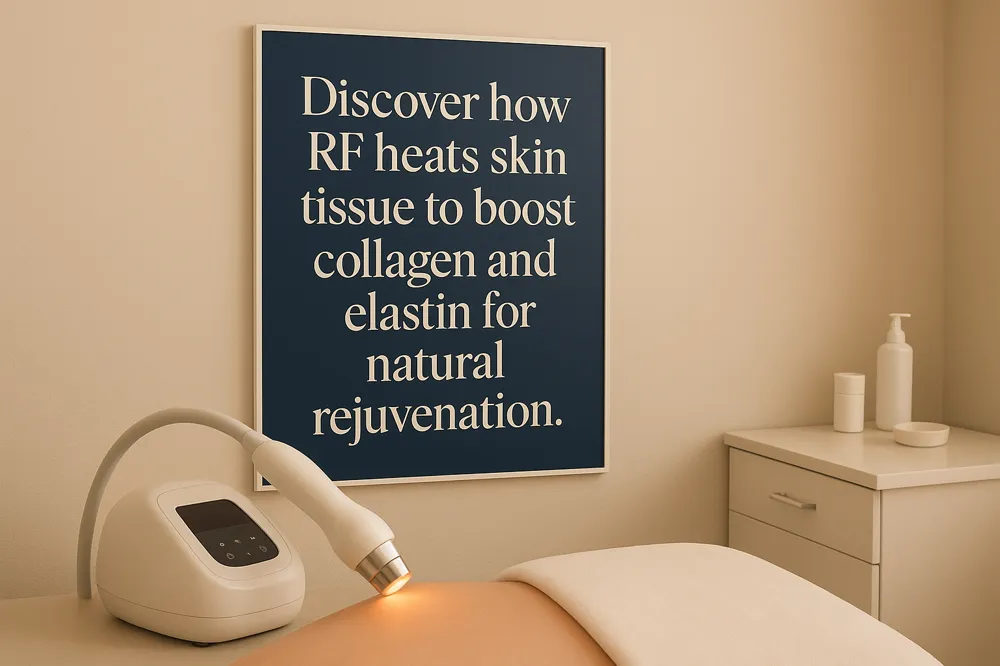
What is radio frequency (RF) skin tightening and how does it work on the face?
Radio frequency (RF) skin tightening is a non-invasive cosmetic procedure designed to improve skin firmness and reduce signs of aging through the use of electromagnetic energy. During the treatment, RF devices deliver controlled heat into the deeper layers of the skin, typically reaching the dermis. This heat stimulates the production of collagen and elastin, two essential proteins that maintain skin elasticity and firmness.
Radiofrequency energy and heat generation
The RF devices convert radiofrequency waves into thermal energy, gently heating the dermal tissue to about 115°F (46°C). This elevated temperature triggers the body's natural healing response by promoting tissue remodeling and new collagen formation. Unlike lasers, RF can safely penetrate deeper skin layers without damaging the surface, making it suitable for all skin types.
Collagen and elastin stimulation
The thermal effect of RF energy causes existing collagen fibers to contract while simultaneously activating fibroblasts to produce new collagen and elastin. This dual action leads to gradual skin tightening, improved texture, and reduction of wrinkles over several weeks to months after the procedure.
Procedure duration and sensations during treatment
Typically, an RF skin tightening session lasts approximately one hour. During treatment, patients often experience sensations such as warmth, tingling, or mild vibrations. These sensations are generally well-tolerated and comparable to a warm massage. Topical numbing is rarely necessary, and post-procedure discomfort is minimal with rapid recovery.
Common treatment areas
RF skin tightening is versatile and commonly used for areas including the face, neck, upper arms, abdomen, hands, and even vaginal rejuvenation. It is especially effective for individuals showing early signs of skin aging or mild to moderate skin laxity.
This procedure provides a safe and effective alternative to surgical facelifts, delivering gradual but natural-looking improvements in skin firmness and appearance with minimal downtime.
Expected Results and Longevity of RF Treatments
How long does it take for RF skin tightening to show results?
RF skin tightening typically begins to show visible results within two to six months after treatment. This delayed timeline occurs because the procedure stimulates the body's natural collagen, elastin, and new skin cell production, which gradually enhances skin firmness and elasticity.
Collagen renewal process
The radiofrequency energy heats skin layers, prompting controlled micro-injuries by RF energy that activate the body's healing response. Over weeks to months, this leads to increased collagen and elastin synthesis, reshaping and tightening the skin, improving texture, tone, and reducing wrinkles.
Duration of effects
Results generally last between one and three years, depending on individual skin condition, the device used, and adherence to recommended skincare. Early signs of skin laxity may gradually reappear as collagen production declines with age.
Importance of maintenance and skincare
To prolong RF treatment benefits, consistent skin care including sun protection, hydration, and sometimes maintenance RF sessions are advisable. Maintenance treatments every 12 to 18 months help sustain collagen levels and overall skin health, ensuring lasting natural-looking improvements.
RF skin tightening offers a gradual, non-invasive path to rejuvenated skin with reliable, lasting results when paired with appropriate post-care and professional expertise.
Safety Profile and Potential Risks of RF Skin Tightening
Is RF skin tightening a safe procedure?
Radiofrequency (RF) skin tightening is a generally safe, non-invasive cosmetic treatment that employs FDA-approved electromagnetic devices to apply controlled heat deep within the skin. This thermal stimulation encourages the production of collagen, elastin, and new skin cells, which enhances skin firmness and elasticity. Sessions typically last around one hour and have minimal downtime, allowing patients to quickly return to their regular activities.
What are the potential risks and side effects of RF skin tightening?
Despite its favorable safety profile, RF skin tightening can cause some mild side effects. Common reactions include temporary redness, swelling, and a warm or tingling sensation at the treatment site, all of which usually resolve within 24 hours. These minor effects are expected as part of the skin's natural response to controlled heating.
Serious complications are rare but can occur, primarily from improper device use or excessive heat delivery. Potential risks include burns, blisters, and very infrequently, nerve or blood vessel injury resulting in numbness or altered sensation. No conclusive evidence links RF procedures to cancer, although low-level RF waves are classified as potentially carcinogenic; however, exposure during treatment is extremely low and considered safe (Risks and safety of RF skin tightening; Safety of monopolar radiofrequency in facial treatments).
Importance of experienced providers and FDA-approved equipment
Safety in RF skin tightening heavily depends on the expertise of the administering professional and the quality of equipment used. Treatments should be conducted by licensed dermatologists, plastic surgeons, or trained aesthetic clinicians within medical facilities or accredited MedSpas. Utilizing FDA-cleared devices ensures precise temperature control and minimizes risks of tissue damage. Choosing an experienced provider who understands individual skin types and adjusts treatment parameters accordingly is essential in optimizing both safety and results (Licensed professionals for RF tightening; Professional RF Skin Treatments).
Adhering to these precautions allows patients to benefit from RF skin tightening’s effective, natural-looking improvements with minimal adverse effects and quick recovery.
Who Should Avoid RF Skin Tightening and Special Considerations

Who should avoid RF skin tightening treatments?
Radiofrequency (RF) skin tightening is widely regarded as safe for most individuals, but certain groups should exercise caution or avoid the procedure entirely.
Contraindications including pregnancy and immune disorders
Pregnant and breastfeeding women are generally advised against RF skin tightening treatments due to insufficient evidence regarding safety during these times.
Specific health conditions to consider
Individuals with immune system disorders such as HIV/AIDS or lupus should avoid RF tightening therapy since immune dysfunction may heighten risks.
Those undergoing chemotherapy or immunotherapy, or those with active cancer, are also discouraged from receiving RF therapy to prevent any complications.
Advice for patients with medical issues
Patients with uncontrolled high blood pressure should consult a healthcare professional before undergoing RF treatment procedure, as elevated pressure may increase procedural risks.
Importance of consultation before treatment
A thorough consultation with a qualified medical provider is crucial to assess individual health status and contraindications. This ensures treatment safety and personalized care tailored to one’s medical background, as described in RF skin tightening procedure details.
Optimal Timing and Treatment Frequency for RF Skin Tightening

What is the best age to start RF skin tightening treatments?
The ideal age to begin Radio Frequency Skin Tightening is individualized but typically falls between the late 20s and early 30s for preventative purposes. At this stage, treatments help maintain collagen production and delay early signs of aging such as fine lines and loss of skin firmness. For individuals in their 40s and beyond, RF skin tightening benefits become more restorative, effectively addressing deeper wrinkles, moderate sagging, and texture irregularities caused by natural collagen decline. Integrating an expert-recommended skincare routine—including sun protection, retinoids, and antioxidants—complements RF therapy and maximizes long-term skin health. Consulting a specialist ensures the approach aligns precisely with your unique skin condition and aesthetic goals.
How often should RF skin tightening treatments be performed?
Treatment frequency depends on the severity of skin laxity and personal skin response. Patients with pronounced laxity often begin with sessions spaced about three months apart to stimulate collagen renewal effectively and ensure noticeable tightening. For mild to moderate laxity, sessions may be scheduled every four months, allowing sufficient time for the skin to respond to therapy while minimizing risk. Adherence to a provider’s personalized plan is crucial—it evaluates skin progress and adjusts session intervals accordingly to maintain and enhance treatment outcomes. Consistent treatments promote sustained firmness and elasticity. For more information, see RF skin tightening procedure details.
Why are personalized treatment plans important?
Every patient’s skin ages differently due to genetics, lifestyle, and environmental factors. A personalized RF skin tightening overview considers these variables along with skin type, treatment tolerance, and response rate. This customization maximizes safety and efficacy, minimizes adverse effects, and keeps expectations realistic. Personalized care also facilitates integrated use of adjunctive modalities such as microneedling, dermal fillers, or Botox for comprehensive rejuvenation.
What is the role of maintenance sessions for long-term skin health?
Results from Radiofrequency skin tightening typically last between one to three years when paired with proper skincare. To sustain and prolong these benefits, maintenance sessions are recommended. These visits can be less frequent than initial treatments—often annually or biannually—depending on individual skin aging patterns and lifestyle factors. Maintenance supports ongoing collagen production, improves skin texture, and preserves treatment gains, providing a non-surgical path to youthful, resilient skin over the long term.
Complementary Treatments and Preparing for RF Sessions
How Can RF Skin Tightening Be Combined with Other Treatments?
Radiofrequency (RF skin tightening can be effectively combined with other aesthetic treatments to enhance results.
- Microneedling with RF: This method uses microneedles to penetrate deeper skin layers while delivering RF energy, stimulating deeper collagen and elastin production. It improves skin texture, reduces acne scars, and tightens lax skin more intensively.
- Combination of RF with Botox and dermal fillers: These injectables can be administered alongside RF treatments to address wrinkles and volume loss, providing more comprehensive facial rejuvenation in a single session.
What Are the Pre-Treatment Preparation Guidelines?
Proper preparation optimizes Non-Surgical Skin Tightening outcomes and reduces risks.
- Avoid sun exposure, tanning, and harsh skin treatments for at least two weeks before the session.
- Refrain from using topical irritants or retinoids just before treatment.
- Disclose any cold sore history, medications, or medical conditions to your provider.
- Avoid alcohol and smoking in the days leading up to the procedure to support skin healing.
What Post-Treatment Care Should Patients Follow?
Post-care ensures comfort and maximizes benefits.
- Expect mild redness or swelling which usually resolves within 24 hours.
- Avoid hot showers, saunas, steam rooms, and strenuous exercise for at least 24 hours.
- Apply broad-spectrum sunscreen to protect increased skin sensitivity.
- Follow any specific instructions provided by your practitioner regarding skincare and activity restrictions.
How Should Patients Approach Cost and Treatment Planning?
RF skin tightening cost vary from $150 to $800 per session, influenced by treatment area and device type.
- Most patients require multiple sessions, typically three or more, spaced several weeks apart.
- Combining RF with other treatments may affect overall cost but can reduce total treatment time.
- Consult with a licensed provider for a personalized treatment plan and cost estimate that reflects individual goals and skin condition.
Making an Informed Decision on RF Skin Tightening
Benefits and Considerations
Radiofrequency (RF) skin tightening is a popular, non-invasive procedure designed to stimulate collagen and elastin production, resulting in firmer, smoother skin. It treats mild to moderate signs of aging such as wrinkles and sagging, with minimal discomfort and downtime. Common side effects are mild, like redness and swelling, resolving usually within 24 hours. Results develop gradually over months and can last one to three years with proper care.
Choosing Qualified Providers
Safety and effectiveness heavily depend on the skill and experience of the practitioner. Licensed dermatologists, plastic surgeons, or trained aesthetic clinicians have the expertise to perform RF treatments safely, minimizing risks like burns or other complications. Selecting a certified professional and FDA-approved devices ensures a customized and secure treatment experience.
Realistic Expectations and Maintenance
RF skin tightening offers natural, gradual improvements but is not a substitute for surgical facelifts. Multiple sessions may be needed to achieve optimal results, and maintenance treatments are recommended to sustain the benefits. Patients should maintain proper skincare and protect skin from sun exposure to enhance longevity of results.