Introduction to RF Skin Tightening and Its Appeal
Overview of RF Skin Tightening as a Non-Surgical Cosmetic Treatment
Radio Frequency (RF) skin tightening is a non-invasive, nonsurgical procedure designed to firm and rejuvenate sagging skin. By utilizing controlled radiofrequency energy, this treatment stimulates the body's natural collagen and elastin production, key proteins responsible for maintaining skin strength and elasticity.
Popularity and Growing Acceptance in the United States
Over 188,000 Americans underwent skin tightening procedures in 2020, reflecting its rising popularity. Its acceptance stems from effective outcomes combined with a favorable safety profile, making it a sought-after option across diverse skin types and ages.
Basic Mechanism Stimulating Collagen and Elastin Production
RF devices emit low-frequency electromagnetic waves that penetrate deep into the dermis without damaging the skin surface. The heat generated initiates collagen fiber contraction immediately and triggers new collagen and elastin synthesis over subsequent months, gradually restoring skin firmness.
Advantages Over Surgical Facelifts Including Minimal Downtime and Natural Results
RF skin tightening offers a less invasive alternative to surgical facelifts, eliminating the risks of anesthesia, incisions, and prolonged recovery. Treatments typically last under an hour with minimal discomfort and negligible downtime, enabling patients to resume daily activities promptly. Results develop naturally over weeks to months, providing subtle, progressive enhancement for a youthful appearance without scarring or abrupt changes.
How RF Skin Tightening Works on the Face

How does RF skin tightening work on the face?
Radiofrequency (RF) skin tightening works by delivering controlled electromagnetic energy deep into the dermis, the middle layer of the skin. This energy generates heat that raises the skin’s temperature to an optimal level, stimulating fibroblasts to produce collagen and elastin production, the essential proteins responsible for maintaining skin firmness, elasticity, and youthful structure.
The treatment involves either a handheld device moved systematically across the skin's surface or small probes inserted just beneath the skin in targeted areas. These devices emit low-frequency RF waves that penetrate deeply without damaging the skin's surface, making the process safe and minimally invasive, as detailed in the RF skin tightening procedure.
As collagen fibers contract immediately from the heat (thermal stimulation of collagen fibers), some instant tightening occurs, while longer-term benefits develop gradually. Thermal stimulation triggers a natural wound-healing response, leading to new collagen synthesis and remodeling over the following months, which helps to reduce wrinkles, tighten sagging skin, and enhance facial contours, supported by evidence from clinical assessment of RF skin tightening.
Patients typically experience a warming sensation or mild tingling during the procedure, with little to no discomfort. The treatment is usually outpatient, requires no anesthesia, and has minimal downtime—you can often resume daily activities and apply makeup immediately after, as explained in the RF skin tightening downtime and recovery overview.
Overall, RF skin tightening on the face is a scientifically backed, effective approach to rejuvenate skin by reinforcing its structure from within. It improves skin tone, texture, and firmness while providing natural-looking, gradual improvements without the risks or recovery associated with surgical facelifts.
Types and Technologies of RF Devices for Skin Tightening
What types of RF devices are available for skin tightening?
Radio Frequency (RF) skin tightening devices used for skin tightening fall into two broad categories: professional-grade clinical machines and at-home consumer devices.
Professional clinical devices are deployed by dermatologists, plastic surgeons, and licensed aestheticians in medical spa settings. These machines provide deeper and more powerful RF energy penetration into the dermis. Common types include:
- Monopolar RF: Delivers energy deep into the skin (up to 20mm) for effective collagen contraction and remodeling. For example, Thermage® is a widely recognized monopolar device FDA-approved since 2002.
- Bipolar RF: Provides more superficial heating (2–4mm depth) with precise targeting, suited for delicate areas. Venus Freeze® is a popular bipolar RF device.
- Multipolar RF: Uses three or more electrodes to ensure uniform heat distribution and reduced treatment time.
- Fractional RF: Uses microneedles to deliver focused RF energy in microscopic zones, combining mechanical stimulation with thermal effects, as seen in devices like Morpheus8.
These professional devices produce significant collagen and elastin stimulation leading to firmer, tighter skin with gradual but long-lasting improvements.
At-home RF devices are generally less powerful but offer convenient maintenance treatments. FDA-approved home devices, like TriPollar STOP Vx 2 and CurrentBody RF, use controlled lower energy levels combined with technologies such as infrared light or low-level lasers to safely improve skin firmness. These devices typically target smaller facial regions and are designed for regular use over weeks to months to achieve results. Information on home-based RF beauty devices covers safety features and clinical results of RF skin tightening.
Are there FDA-approved RF devices for home use?
Yes, multiple RF devices for home use have FDA clearance for safe consumer application. These devices incorporate safety features such as temperature sensors and motion detection to prevent overheating and burns. They deliver controlled RF energy to stimulate collagen synthesis and improve skin elasticity gradually. Home devices usually serve as adjunct treatments to professional RF sessions or as maintenance strategies for mild skin laxity. Details on RF skin tightening safety and device approvals provide comprehensive guidance.
What combination technologies enhance RF treatment effectiveness?
Integrative devices combine RF with other modalities to enhance outcomes. Examples include:
- LED light therapy (commonly red LED at ~630 nm) boosts collagen synthesis synergistically with RF.
- Ultrasound energy provides additional deep tissue heating and rejuvenation.
- Microneedling coupled with RF (as in Morpheus8) delivers controlled micro-injuries along with thermal energy, enhancing collagen remodeling and improving texture and pigmentation.
These combined approaches are discussed in reviews on RF and microneedling combination treatments and clinical studies of RF skin rejuvenation.
Customizing treatments based on device and area
Treatment protocols are tailored to the patient's skin condition and targeted area. Monopolar RF is preferred for extensive facial or body contouring requiring deep dermal penetration, while bipolar or multipolar RF suits superficial or smaller zones such as eyelids or fine wrinkles. Fractional RF excels in scar revision and pigment correction.
In summary, the choice of RF device and technology depends on treatment goals, skin characteristics, and patient preferences. Combining professional-grade RF with advanced technologies offers comprehensive skin rejuvenation, while FDA-approved home devices enable convenient ongoing care.
The Science and Mechanism Behind RF and RF Microneedling Treatments
What is the science behind RF microneedling?
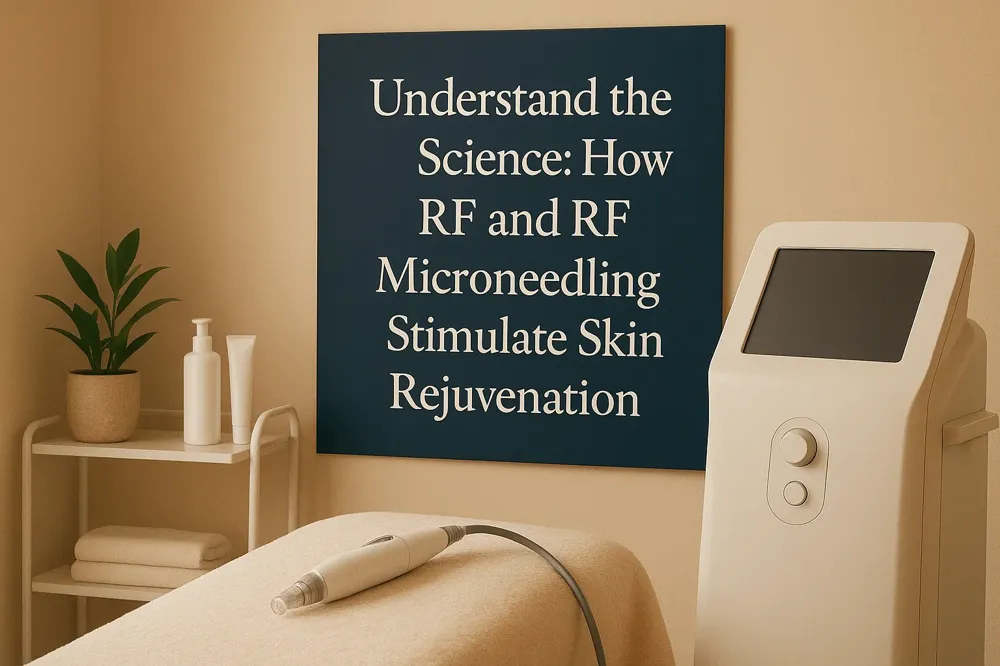
RF microneedling combines traditional microneedling with radiofrequency skin rejuvenation to rejuvenate the skin on a deeper level. The microneedles create tiny, controlled punctures in the skin, triggering the body's natural healing process, which stimulates new collagen and elastin production. Simultaneously, the RF energy delivers controlled thermal heat deep into the dermal layers, enhancing collagen remodeling and tissue tightening beyond what microneedling alone can achieve.
Thermal stimulation of collagen fibers leading to immediate contraction
When RF energy heats the dermis to approximately 65°C (149°F), collagen fibers undergo immediate contraction. This instant response tightens the skin visibly and sets the stage for longer-term tissue remodeling. The thermal stimulation of collagen fibers caused by RF energy contracts existing collagen fibers, giving an initial lifting effect.
Long-term collagen remodeling and neocollagenesis processes
Beyond instant contraction, RF induces a controlled thermal injury that activates fibroblasts—cells responsible for producing collagen and elastin. This stimulation triggers neocollagenesis, the formation of new collagen fibers, and remodeling of the extracellular matrix (ECM). This process gradually improves skin firmness, elasticity, and thickness over several months, resulting in sustained rejuvenation.
Combination of microneedling and RF heat to amplify collagen production
The combination of microneedling and RF energy synergistically enhances treatment outcomes. Microneedling mechanically disrupts the skin barrier, prompting wound healing responses, while RF heat penetrates deeper layers to stimulate collagen and elastin production more intensively. This dual mechanism supports superior improvements in skin tightening and wrinkle reduction, and elasticity compared to either modality alone.
Biological effects including fibroblast activation and ECM remodeling
Activated fibroblasts increase synthesis of collagen types I and III and elastin, crucial proteins defining skin structure and resilience. Additionally, RF helps reorganize abnormal elastotic material within the dermis, restoring a more normal elastic fiber structure. These biological effects collectively strengthen the dermal matrix, reducing skin laxity and improving overall skin quality.
Clinical evidence supporting improved skin elasticity, thickness, and wrinkle reduction
Clinical studies demonstrate significant improvements post-RF microneedling treatment, including up to 75% skin tightening, 90–95% wrinkle reduction, and increases in epidermal thickness. Histological analysis confirms elevated collagen content and remodeling in treated skin. Importantly, these benefits continue to develop over months as the skin naturally heals and regenerates.
This scientific foundation illustrates that RF microneedling offers a safe, minimally invasive means to activate intrinsic skin repair mechanisms for enhanced skin rejuvenation. It is well-suited for personalized treatment in medical aesthetic clinics, providing natural, progressive improvement in skin firmness and appearance.
Treatment Procedures, Sessions, and Timeframe for Results

Typical session duration and outpatient nature
Radio Frequency (RF) skin tightening treatments typically last about 30 to 60 minutes, depending on the area being addressed. These procedures are performed on an outpatient RF Skin Tightening basis, allowing patients to resume daily activities immediately after treatment with no required downtime.
Initial tightening effects visible 1-2 weeks post-treatment
Patients often notice subtle Radiofrequency facial rejuvenation within 1 to 2 weeks following the initial session. This early improvement results from immediate collagen fiber contraction caused by the controlled heating of the dermis.
Gradual visible improvements over up to 6 months
The primary benefits develop progressively over a period of up to 6 months due to the stimulation of fibroblasts, which increase Benefits of RF Skin Tightening. This biological remodeling enhances skin firmness, elasticity, and texture, leading to diminished fine lines and reduced sagging.
Recommended course of 6-8 sessions for optimal results
For best outcomes, clinicians commonly recommend a series of 6 to 8 sessions, spaced one to two weeks apart. This treatment regimen allows cumulative collagen remodeling to occur, resulting in more pronounced and enduring skin rejuvenation.
Maintenance treatments and longevity of effects
Long-term skin benefits typically last between one to three years, provided patients maintain regular skincare and sun protection. Maintenance treatments every 6 to 12 months help sustain collagen production and skin tightening effects.
Patient experience and comfort during sessions
Patients generally describe the sensation during RF treatments as warm with mild tingling, comparable to a soothing massage. The procedure is well tolerated, minimally uncomfortable, and does not require anesthesia or recovery time.
Benefits and Versatility of RF Skin Tightening Treatments
How does RF skin tightening provide a non-invasive and comfortable experience?
RF skin tightening is a non-surgical and minimally invasive procedure that uses low-frequency electromagnetic treatment to heat deep layers of the skin. This heating stimulates collagen and elastin production without the need for incisions or anesthesia. The treatment is generally painless, with patients often describing sensations of warmth and mild tingling. Importantly, it requires no downtime, allowing patients to resume daily activities and even apply makeup immediately after sessions.
What improvements does RF skin tightening offer for skin quality?
The treatment enhances skin tone, texture, firmness, and elasticity by promoting the natural skin cell regeneration of collagen fibers and elastin. It effectively reduces the appearance of wrinkles, fine lines, and signs of sun damage, leading to a smoother, firmer, and more youthful complexion. These improvements occur gradually over a period of two to six months following treatment, as new skin proteins develop.
In which areas of the body can RF skin tightening be applied?
Radiofrequency skin tightening is highly versatile and is used on multiple body regions. Common treatment areas include the face and neck, targeting early signs of aging such as sagging skin and wrinkles. It is also applied to hands, arms, abdomen, thighs, and buttocks for body contouring and skin firming. Additionally, RF technology is used for vaginal rejuvenation with RF, providing therapeutic and aesthetic benefits in that sensitive area.
How do RF treatments produce natural and lasting results?
Unlike surgical facelifts, RF treatments offer a gradual and natural-looking improvement by stimulating the body's own collagen and elastin production processes. Results generally last from one to three years with appropriate skincare and maintenance. Multiple sessions—usually two to six—are recommended to achieve optimal outcomes, with benefits continuing to progress over months.
Can RF skin tightening be combined with other cosmetic procedures?
Yes, RF skin tightening is often safely combined with other nonsurgical cosmetic treatments such as Botox injections, dermal fillers, and microneedling during the same appointment. This combination can enhance overall skin rejuvenation, contouring, and wrinkle reduction, providing a comprehensive approach to aesthetic enhancement while maintaining minimal invasiveness and downtime.
Potential Risks, Side Effects, and Safety Considerations
What are the potential risks or dangers of radiofrequency skin tightening?
Radio Frequency (RF) skin tightening is generally safe when conducted by experienced, licensed practitioners using FDA-cleared devices. Common side effects include mild, temporary redness and swelling that typically resolve within 24 hours. Nevertheless, rare but more serious complications can occur, especially with advanced modalities like RF microneedling. These risks include burns, permanent scarring, nerve damage, localized fat loss, and possible disfigurement requiring surgical correction.
Can radiofrequency treatments cause adverse effects or damage to the skin?
While uncommon, improper RF treatment delivery—such as excessive heat or unprofessional technique—can result in skin damage like burns, blistering, peeling, and hyperpigmentation. These adverse effects may be more prevalent when treatments are administered by unqualified practitioners or when patient skin sensitivities are not adequately assessed.
Safety profiles of professional versus unregulated treatments
Professional RF treatments performed by board-certified dermatologists, plastic surgeons, or licensed aestheticians in medical settings follow strict safety protocols, including skin temperature monitoring and the use of FDA-approved RF Devices. This greatly minimizes risks. Conversely, unregulated treatment outside of medical environments or by inexperienced providers increases the likelihood of harmful outcomes.
No proven cancer risk despite WHO classification
Although the World Health Organization classifies radiofrequency waves as possibly carcinogenic, extensive research shows no evidence linking cosmetic RF skin tightening and cancer risk. The RF energy levels used are low and comparable to everyday devices such as cell phones and microwaves.
Importance of choosing qualified providers and patient vigilance
To ensure safe treatment, patients should seek RF skin tightening from experienced and certified providers. Open discussion about any medical conditions, realistic expectations, and possible risks is critical before starting treatment. Patients should promptly report unusual or prolonged side effects to their provider to address complications early and adjust care accordingly.
Future Perspectives and Home-Use RF Devices
Emerging Home-Based RF Devices
Recent advancements in Radiofrequency skin rejuvenation technology have introduced home-use devices that combine RF energy with red LED light therapy and integrated safety sensors. These devices are designed to deliver controlled heat to the dermal layers, aiding collagen and elastin production safely, while sensors prevent overheating and burns during use.
Clinical Evidence Supporting Home Devices
A notable 12-week randomized clinical trial involving women aged 35-60 compared the efficacy of a bipolar RF and LED home device with that of anti-aging cosmetics. The RF-treated side demonstrated statistically significant improvements in wrinkles, skin elasticity, radiance, pigmentation, and dermal thickness—benefits attributed to direct collagen stimulation with RF devices not achievable by topical agents alone.
Advantages of Home-Use RF Devices
These devices offer users the convenience of regular maintenance treatments without the need for clinic visits, allowing consistent stimulation of collagen and elastin remodeling. Their non-invasive nature and safety features make them suitable for enhancing and extending the results of professional RF skin tightening services.
Limitations Compared to Clinical Treatments
While effective, home-use RF devices typically operate at lower power levels than professional machines, resulting in less dramatic and shorter-lasting outcomes. Consequently, they are considered complementary rather than replacements for in-office RF skin tightening sessions.
Recommendations for Patient Use
Healthcare providers recommend that patients consult a dermatologist or a qualified aesthetic specialist prior to initiating home RF treatments. Proper guidance ensures safe use, maximizes benefits, and assesses suitability based on individual skin type and conditions.
Growing Demand and Technological Advances
With consumer interest in noninvasive skin rejuvenation on the rise, technological progress has enhanced home RF device designs—improving ease of use, efficacy, and safety. This trend is likely to continue, integrating new adjunctive technologies to support skin tightening and anti-aging at-home care.
These insights reflect the cutting-edge developments in RF skin tightening technology both in clinical and home settings, highlighting a balanced approach to safe, effective skin rejuvenation tailored to patient needs.
Conclusion: Embracing RF Skin Tightening for Safe, Effective Skin Rejuvenation
Understanding RF Skin Tightening and Collagen Stimulation
Radiofrequency (RF) skin tightening leverages controlled electromagnetic energy to heat the dermis, stimulating collagen and elastin production—proteins fundamental to skin elasticity and firmness. This biological response leads to gradual, natural skin firming and rejuvenation over several months, distinguishing RF treatments as a science-backed option for managing early to moderate signs of aging.
Benefits and Treatment Protocol
RF offers a non-invasive alternative to surgical facelifts, providing noticeable improvements in skin tone, texture, and firmness with minimal discomfort and no downtime. Treatments typically involve multiple sessions spaced weeks apart, allowing progressive collagen remodeling and lasting results that may extend up to two or three years when combined with proper skincare. Side effects are generally mild, emphasizing the importance of selecting experienced providers who use FDA-approved devices.
Professional Guidance and Patient Empowerment
Patients seeking safe, natural, and non-surgical skin rejuvenation should consult with certified dermatologists, plastic surgeons, or licensed medical aestheticians. Personalized assessment ensures optimal treatment strategies, combining RF with complementary procedures when appropriate, and safeguards effective, tailored outcomes.
RF’s Growing Role in Modern Skin Care
RF technology continues to gain prominence in U.S. medical aesthetic clinics, reflecting advances in device safety, efficacy, and patient satisfaction. As a versatile and reliable modality, RF contributes significantly to contemporary cosmetic dermatology, offering patients scientifically validated skin rejuvenation with minimal risk, aligning with the standards of premium aesthetic practices nationwide.