Introduction to Scientifically Proven Skin Rejuvenation
Understanding Skin Aging and Influencing Factors
Skin aging is a natural biological process marked by visible changes such as fine lines, wrinkles, sagging, uneven texture, and discoloration. These developments are primarily due to declines in collagen, elastin, and hyaluronic acid within the dermis, alongside a downward shift of facial fat pads. External elements such as chronic sun exposure, which contributes up to 80% of facial aging, and environmental damage accelerate these changes. Intrinsic factors like genetics and the skin's natural cell renewal rate also play important roles.
Importance of Scientific Validation in Skin Rejuvenation
The evolving field of skin rejuvenation benefits greatly from rigorous scientific research and clinical studies. Evidence-based treatments including laser resurfacing, chemical peels, microneedling, injectables like botulinum toxin and dermal fillers, and advanced energy-based devices have demonstrated efficacy and safety in improving skin quality and appearance. These validated methods enable personalized treatment plans tailored to individual skin types and concerns, ensuring predictable, reproducible outcomes with minimized risks. Ongoing research continues to refine techniques, optimize results, and expand non-invasive options for youthful, healthier skin.
Advanced Dermatological Treatments for Skin Rejuvenation
What advanced dermatological treatments are offered for skin rejuvenation at a premium medical aesthetic clinic?
Premium medical aesthetic clinics offer a range of Skin rejuvenation treatments designed to rejuvenate the skin safely and effectively. These treatments utilize cutting-edge technologies to address issues such as wrinkles, volume loss, pigmentation, and skin texture irregularities.
Laser Skin Resurfacing: Ablative and Non-Ablative Techniques
Laser skin resurfacing is a cornerstone of advanced skin rejuvenation. Ablative lasers, like CO2 and Erbium YAG lasers, remove outer skin layers and heat the underlying dermis to promote collagen production, improving deep wrinkles, scars, and elasticity. Non-ablative lasers stimulate collagen without removing skin, offering shorter recovery and treating surface concerns. Fractional laser technology creates microscopic treatment zones for faster healing and reduced risk.
Chemical Peels and Their Role in Skin Remodeling
Chemical peels with TCA use acids, such as Trichloracetic Acid (TCA) or alphahydroxy acids (AHAs), to exfoliate damaged skin layers. These peels encourage skin cell renewal and collagen remodeling, effectively reducing sun damage, pigmentation, and fine lines. They range from superficial to deep treatments tailored to skin type and concern.
Microneedling to Stimulate Collagen and Elastin
Microneedling for collagen stimulation involves creating controlled micro-injuries using fine needles, stimulating natural collagen and elastin production. This minimally invasive treatment enhances skin texture, reduces acne scars, and tightens skin. When combined with radiofrequency, microneedling further boosts regenerative results.
Intense Pulsed Light (IPL) for Pigmentation and Texture Improvement
Intense Pulsed Light (IPL) photofacial uses broad-spectrum light to target pigmentation issues, sun damage, vascular redness, and uneven skin tone. This non-ablative treatment improves overall complexion and reduces signs of aging with minimal downtime.
Injectables Including Botox and Dermal Fillers for Dynamic Wrinkles and Volume Loss
Anti-wrinkle injections Botox relax muscles to smooth dynamic wrinkles such as crow’s feet and forehead lines. Dermal fillers hyaluronic acid, made primarily from hyaluronic acid, restore facial volume lost due to aging, enhance contours, and fill wrinkles. These injectables provide natural-looking results with minimal recovery time.
Combining these modalities allows for personalized, comprehensive Skin rejuvenation treatments overseen by experienced practitioners, ensuring safety and optimal aesthetic outcomes.
Laser Resurfacing and Fractional Technologies: The Gold Standard
Ablative CO2 and Erbium YAG Lasers for Deep Skin Rejuvenation
Ablative laser resurfacing with CO2 and Erbium YAG lasers is recognized as a gold standard in treating deep wrinkles, scars, and improving skin elasticity. These lasers remove the outer skin layers and use heat to stimulate collagen growth, resulting in smoother, tighter, and more youthful skin. Typically, a single session lasting 30 minutes to two hours can achieve significant results.
Fractional Laser Technology: Enhanced Safety and Shorter Downtime
Fractional lasers create microscopic columns of treated tissue instead of a uniform area. This innovation significantly shortens recovery time and reduces side effect risks compared to traditional ablative lasers. Fractional laser technology is widely preferred because it balances efficacy with patient comfort and safety.
Benefits and Risks of Laser Resurfacing
Laser resurfacing addresses fine lines, wrinkles, sun damage, age spots, and mild to moderate acne scars. Patients can expect improved skin tone, texture, and reduced pigmentation irregularities. However, risks include inflammation, swelling, itching, pain, acne flare-ups, infections, changes in pigmentation, and scarring. These risks vary by the laser type and patient skin type.
Patient Preparation and Post-Treatment Care
Prior to treatment, a thorough medical history and skin examination are crucial. Patients should avoid sun exposure, smoking, and may require antiviral medication to prevent infections. Post-procedure care involves the use of ointments, dressings, ice packs, and diligent sun protection. Recovery for ablative lasers typically takes around 7-10 days, with complete healing over a month. Nonablative lasers offer minimal downtime.
Laser resurfacing with ablative and fractional technologies provides a powerful, scientifically backed option for comprehensive skin rejuvenation when performed by qualified professionals.
Chemical Peels and Novel Antioxidant Biostimulating Treatments
What is the role of chemical peels in removing damaged skin layers?
Chemical peels are non-invasive procedures designed to remove the outermost layers of damaged skin, revealing fresher and healthier skin beneath. By exfoliating dead skin cells, they promote skin remodeling and stimulate collagen production, which helps reduce acne scars, wrinkles, sun damage, and uneven skin tone.
What types of chemical peels exist?
Chemical peels vary in depth and the acids used:
- Superficial Peels: Utilize alpha-hydroxy acids (AHAs) and beta-hydroxy acids (BHAs) like glycolic, lactic, mandelic, and salicylic acids to gently exfoliate the epidermis.
- Medium Peels: Often use chemical peels with TCA, reaching the epidermal-dermal junction to treat moderate discoloration and wrinkles.
- Deep Peels: Target deeper layers, usually administered by specialists due to increased risks.
How does combining phytocompounds with chemical peels enhance skin rejuvenation?
Recent advancements incorporate plant-derived antioxidant phytocompounds—such as asiatic, ursolic, madecassic, and oleanolic acids—into chemical peels. These compounds have anti-inflammatory and collagen-stimulating activities. When combined with peels, the temporary weakening of the stratum corneum facilitates deeper delivery of these bioactive ingredients, enhancing collagen and elastin synthesis while inhibiting enzymes that degrade skin matrix proteins. This approach is detailed in studies on chemical peels for skin rejuvenation.
What clinical benefits do these novel treatments provide?
Clinical trials have demonstrated that these advanced antioxidant biostimulating treatments improve fine lines, wrinkles, skin smoothness, radiance, and skin laxity. The treatment also reduces pore size and enhances overall skin quality, contributing to a rejuvenated and youthful appearance.
Are these treatments safe for diverse skin types?
These peptide-enriched chemical peels exhibit a strong safety profile, proven effective and tolerable across a range of skin tones, including Fitzpatrick skin types I through V. Minimal adverse effects have been reported, supporting their broad suitability in aesthetic dermatology.
Injectables and Minimally Invasive Facial Enhancement Techniques
What cosmetic treatments are commonly available for facial enhancement in medical aesthetic clinics?
Medical aesthetic clinics offer a comprehensive range of facial enhancement options tailored to individual needs and aging signs. Common treatments include Dermal fillers hyaluronic acid and Anti-wrinkle injections Botox, which are widely used to restore facial volume and reduce the appearance of dynamic wrinkles caused by muscle activity. These Non-surgical facial rejuvenation options provide quick results with minimal downtime.
How does Botox work for dynamic wrinkles and muscle relaxation?
Botox for dynamic wrinkles is a neurotoxin that temporarily relaxes facial muscles responsible for dynamic wrinkles such as crow’s feet, forehead lines, and frown lines. Its effect typically lasts 3 to 4 months and has been extensively studied for safety and efficacy. Beyond smoothing wrinkles, Botox can also be used to lift eyebrows, soften neck bands, and contour facial features, offering versatile aesthetic improvements.
What role do dermal fillers play in volume restoration?
Dermal fillers for facial volume, primarily composed of hyaluronic acid, counteract facial volume loss due to aging by replenishing soft tissue. They add definition to areas such as under-eye hollows, cheeks, jawline, and nasolabial folds, with effects lasting from 6 months up to 2 years depending on the filler type. These injections not only restore youthful contours but also stimulate collagen production, enhancing skin firmness and elasticity.
What are nanofat injections and facial fat grafting?
For longer-lasting and more natural volume restoration, techniques such as facial fat grafting benefits and nanofat injections for skin texture utilize the patient's own fat tissue. Fat grafting provides a permanent solution by transferring fat from other body areas to the face, while nanofat injections focus on improving skin texture and reducing fine lines, dark circles, and scars by delivering regenerative stem cells.
Why combine injectables with other rejuvenation treatments?
Combining injectables like Injectables like Botox and dermal fillers with other Skin resurfacing treatments, such as Laser skin resurfacing, Chemical peels for skin renewal or Microneedling for collagen production can optimize overall aesthetic results. While injectables address volume and muscle-related wrinkles, complementary therapies improve skin tone, texture, and pigmentation, leading to a comprehensive and natural rejuvenation with minimal downtime.
| Technique | Primary Benefit | Duration/Effectiveness |
|---|---|---|
| Botox | Reduces dynamic wrinkles | 3-4 months |
| Dermal Fillers | Restores volume & contours | 6 months to 2 years |
| Nanofat Injections | Improves skin texture & fine lines | Permanent effects with regenerative benefits |
| Fat Grafting | Long-term volume restoration | Permanent |
| Combined Therapies | Comprehensive rejuvenation | Enhanced, longer-lasting results |
Innovative Regenerative and Energy-Based Treatments for Skin Tightening
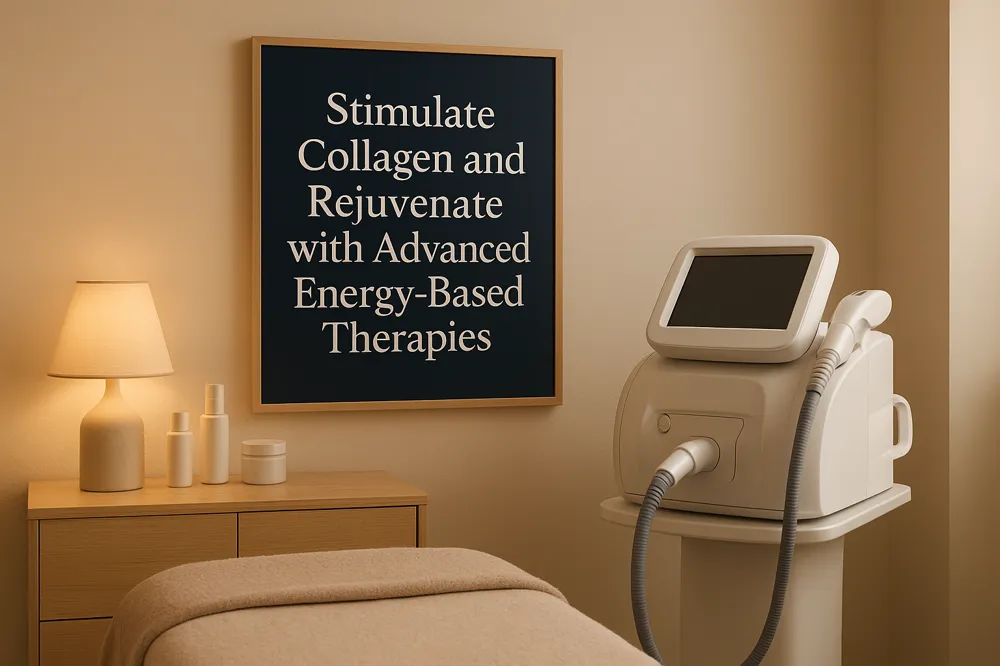
How does RF microneedling for collagen stimulation improve skin laxity?
Radiofrequency (RF) microneedling combines tiny skin punctures with targeted heat delivery to the dermal layer. This dual action stimulates fibroblasts, promoting collagen and elastin production essential for skin firmness. Patients often notice improvements in skin texture, tightening, and reduction of fine lines over several months. RF microneedling for collagen stimulation is minimally invasive and suitable for those experiencing age-related collagen loss.
What benefits does Sofwave™ ultrasound technology provide for collagen rebuilding?
Sofwave™ utilizes FDA-cleared ultrasound waves to penetrate deep into the skin, activating fibroblast cells to regenerate collagen and elastin. Clinical studies show significant enhancement in skin firmness and reduction of laxity, making it an effective treatment for tightening loose skin on the face and body. This procedure offers non-invasive, natural-looking results with minimal downtime. For detailed insights into Regenerative skin treatments including Sofwave ultrasound treatment, see the reference.
How do biostimulatory injectables Sculptra® like Sculptra® support collagen growth?
Biostimulatory injectables such as Sculptra® (poly-L-lactic acid) work by stimulating the body’s fibroblasts to produce collagen progressively over weeks to months. This gradual collagen synthesis thickens the dermis, improving skin elasticity and volume. Results are subtle yet long-lasting, making these injectables ideal for patients seeking natural rejuvenation without surgery. Learn more about Biostimulatory injectables Sculptra.
What is the emerging role of exosome therapy in skin regeneration?
Exosome therapy introduces growth factors and genetic material from donor cells to enhance skin’s natural repair processes. These microscopic vesicles facilitate intercellular communication, boosting collagen synthesis and cellular regeneration. Available in topical products and experimental injectables, exosome-based treatments represent a cutting-edge, science-backed advancement in regenerative aesthetics. For a broader view on advanced regenerative dermatology treatments, consult the source.
Why combine regenerative treatments for optimal skin tightening results?
Combining modalities such as RF microneedling for collagen stimulation, Sofwave™ ultrasound technology, and biostimulatory injectables Sculptra® leverages their complementary mechanisms to maximize collagen production and skin remodeling. This approach enables both immediate and sustained improvements, resulting in progressive, natural-looking skin tightening with enhanced safety and minimal downtime. Personalized treatment plans by qualified specialists ensure optimal outcomes tailored to individual needs. For more on energy-based skin therapies and growth factors in skin healing, see the linked resource.
Comprehensive Care: Body Contouring and Women's Wellness Integration
How do body contouring treatments work in a medical aesthetic clinic?
Body contouring treatments target and reduce stubborn fat deposits while tightening skin to reshape the body's appearance noninvasively. Popular methods include cryolipolysis (like CoolSculpting®) which freezes fat cells, radiofrequency lipolysis truSculpt® using heat to stimulate fat breakdown, and laser lipolysis (e.g., Zerona®) that employs laser energy to liquefy fat. These procedures typically last 30 to 60 minutes, require multiple sessions, and boast minimal downtime. Unlike surgical liposuction or body lifts, which involve anesthesia and longer recovery, non-invasive body contouring delivers effective reshaping with fewer risks and faster return to daily activities.
What women's wellness services can be integrated into a medical aesthetic clinic's offerings?
Modern aesthetic clinics are increasingly incorporating women's wellness services to provide holistic care. These may include hormone optimization programs addressing menopause and hormonal imbalances to enhance energy and vitality. Pelvic floor therapy can improve pelvic muscle function and alleviate discomfort, while vaginal rejuvenation procedures help restore tissue health and improve quality of life. Clinics often offer wellness consultations covering nutrition, mental health, and lifestyle adjustments, ensuring care extends beyond appearance to overall well-being.
Why combine body contouring with women's wellness?
Integrating body contouring with women's wellness services offers a comprehensive approach that enhances both external aesthetics and internal health. This combination supports not only improved body shape and skin elasticity but also hormonal balance, pelvic health, and emotional wellness. Such synergy promotes sustainable, personalized results, optimizing a patient’s confidence, function, and quality of life.
Typical treatment protocols and effectiveness
Non-invasive body contouring treatments generally require a series of 2 to 6 sessions spaced weeks apart, with visible improvements in fat reduction and skin tightening developing gradually over several months. Hormonal therapies and pelvic health interventions involve personalized assessment and ongoing management for best outcomes. When expertly combined by trained professionals, these treatments deliver scientifically supported, safe, and natural results.
| Treatment Type | Method | Benefit Summary |
|---|---|---|
| Cryolipolysis | Fat freezing | Targeted fat reduction, minimal downtime |
| Radiofrequency Lipolysis | Heat-based fat breakdown | Tightens skin and reduces fat, gradual results |
| Laser Lipolysis | Low-level laser energy | Non-invasive fat liquefaction, contour improvement |
| Hormone Optimization | Personalized hormone therapy | Restores vitality, balances hormonal changes |
| Pelvic Floor Therapy | Physical therapy | Improves pelvic muscle tone, reduces discomfort |
| Vaginal Rejuvenation | Minimally invasive procedures | Enhances tissue health, improves functional wellness |
This comprehensive integration reflects the latest advancements in medical aesthetics, prioritizing safety, personalization, and holistic patient care.
Conclusion: Science-Backed Approaches for Lasting Skin Rejuvenation
The Importance of Scientific Validation for Skin Rejuvenation Treatments
Effective skin rejuvenation relies on treatments supported by robust scientific research. Procedures like laser resurfacing, chemical peels, microneedling, and injectables such as Botox® and dermal fillers have extensive clinical studies backing their safety and efficacy. This evidence-based approach ensures predictable results and minimizes risks, instilling confidence for both practitioners and patients.
Combining Modalities for Optimal Outcome and Safety
Combining multiple rejuvenation modalities tailored to individual skin needs can enhance treatment effectiveness. For example, integrating micro-focused ultrasound with dermal fillers or using RF microneedling alongside topical antioxidants stimulates collagen production more comprehensively. Personalized treatment plans devised by certified specialists prioritize safety and recovery, maximizing aesthetic benefits while reducing downtime and side effects.
Future Directions Including Regenerative Therapies and Personalized Care
Emerging regenerative therapies, such as ultrasound-based and radiofrequency skin tightening (e.g., Sofwave™), biostimulatory injectables like poly-L-lactic acid, and exosome technology, leverage the body's natural repair mechanisms to achieve gradual, lasting rejuvenation. Advances in personalized care integrate patient genetics, skin type, and lifestyle factors, guiding more precise interventions. The future of skin rejuvenation lies in combining scientific rigour, innovative procedures, and customized care to sustainably restore youthful skin quality.