Understanding Skin Aging and Damage: The Foundation for Effective Rejuvenation
The Aging Process and Skin Structure
As we age, our skin undergoes significant changes affecting its structure and appearance. Beginning around age 35, the dermis—the skin's middle layer—loses essential components like collagen, elastin, and hyaluronic acid. This depletion causes the skin to lose firmness and elasticity, leading to laxity, wrinkles, and fine lines.
Causes of Skin Damage
Environmental factors, particularly sun exposure, play a major role in accelerating skin aging. UV rays damage skin cells' DNA and degrade collagen, contributing to wrinkles, age spots, and discoloration. Other contributors include injury, pollution, and lifestyle habits such as smoking that further exacerbate skin deterioration.
Early Signs of Aging
Common early indicators of aging skin include dull texture, enlarged pores, loss of skin tone and definition, and the development of fine wrinkles. Thin, more delicate skin around sensitive areas like the eyes often exhibits signs first, such as under-eye hollows, dark circles, and crow's feet.
Importance of Skin Protection and Care
Effective skin care and protection are crucial for slowing the aging process. Regular use of broad-spectrum sunscreen (SPF 30 or higher) helps prevent further UV damage. Incorporating antioxidants like vitamin C into skincare routines aids in combating oxidative stress. Avoiding smoking and managing environmental exposures also preserve skin health and enhance the longevity of rejuvenation results.
By understanding these foundational aspects of skin aging and damage, individuals can make informed decisions about treatment options and adopt habits that support youthful, healthy skin over time.
Comprehensive Overview of Skin Resurfacing Treatments
What is skin resurfacing and what are its goals?
Skin resurfacing treatments aim to restore a youthful and beautiful complexion by removing damaged outer layers of skin and promoting new, healthy skin cell growth. This process targets wrinkles, scars, age spots, discoloration, and uneven texture caused by aging, injury, and environmental factors such as sun exposure.
What types of skin resurfacing treatments are available?
Several scientifically supported methods are used for skin resurfacing treatments:
-
Laser skin resurfacing: Includes ablative laser treatments that remove outer skin layers, such as CO2 and erbium lasers, offering more dramatic skin renewal. Non-ablative laser treatments heat deeper layers without surface removal, stimulating collagen for gradual improvement. Fractional lasers target microscopic columns for rapid healing.
-
Chemical peels: Classified as light chemical peels, medium, or deep chemical peels based on the depth of skin layers removed. They exfoliate dead cells, revealing fresher skin underneath and treating pigmentation, wrinkles, and sun damage.
-
Microdermabrasion: A gentle mechanical exfoliation suitable for all skin types with minimal risks or downtime, improving skin tone and subtle blemishes.
-
Dermabrasion: More aggressive than microdermabrasion, it physically removes deeper skin layers to treat wrinkles and scars but requires anesthesia and careful post-care.
-
Microneedling: Uses tiny needles to create micro-injuries that stimulate collagen and elastin production, improving fine lines, scars, pore size, and sun damage.
-
IPL photorejuvenation: Employs broad-spectrum light to target pigmentation irregularities, vascular lesions, redness, and texture issues with minimal downtime.
Who should perform these treatments?
Due to differences in complexity and risk, treatment providers vary:
-
Deep chemical peels and ablative laser treatments must be performed by board-certified cosmetic surgeons due to their invasiveness and higher risk profiles.
-
Microneedling, light chemical peels, microdermabrasion, and IPL can be safely administered by trained registered nurses or licensed aestheticians under proper supervision.
What are the benefits of skin resurfacing treatments?
The primary benefits include:
- Improved skin texture and tone
- Reduction of fine lines and wrinkles
- Diminished appearance of scars and blemishes
- Mitigation of pigmentation issues like age spots and redness
- Stimulation of collagen and elastin for firmer, more resilient skin
What treatments are recommended for repairing damaged skin?
A comprehensive repair approach includes topical agents such as retinoids, antioxidants, and skin-lightening compounds to improve texture and tone. Procedures like chemical peels, laser skin resurfacing, and dermabrasion effectively remove superficial damage and encourage collagen regeneration. Protecting skin with daily broad-spectrum SPF 30+ sunscreen and lifestyle habits like hydration and balanced nutrition are essential. Additional options like photodynamic therapy and dermal fillers can address specific concerns such as precancerous lesions or volume loss.
| Treatment Type | Provider | Key Benefits |
|---|---|---|
| Ablative Laser | Board-certified cosmetic surgeon | Removes outer layers, tightens skin |
| Non-ablative Laser | Board-certified surgeons or trained nurses | Stimulates collagen, minimal downtime |
| Chemical Peels | Depending on depth: surgeons or trained nurses/aestheticians | Exfoliates, improves texture |
| Microdermabrasion | Licensed aestheticians or nurses | Gentle exfoliation, suitable for all skin types |
| Dermabrasion | Board-certified surgeons | Deep scar/wrinkle treatment |
| Microneedling | Trained nurses or aestheticians | Stimulates collagen, treats fine lines/scars |
| IPL Photorejuvenation | Trained professionals | Treats pigmentation/redness, minimal downtime |
Laser Skin Resurfacing: The Power of Light Energy for Skin Renewal
What Are the Main Types of Laser Resurfacing?
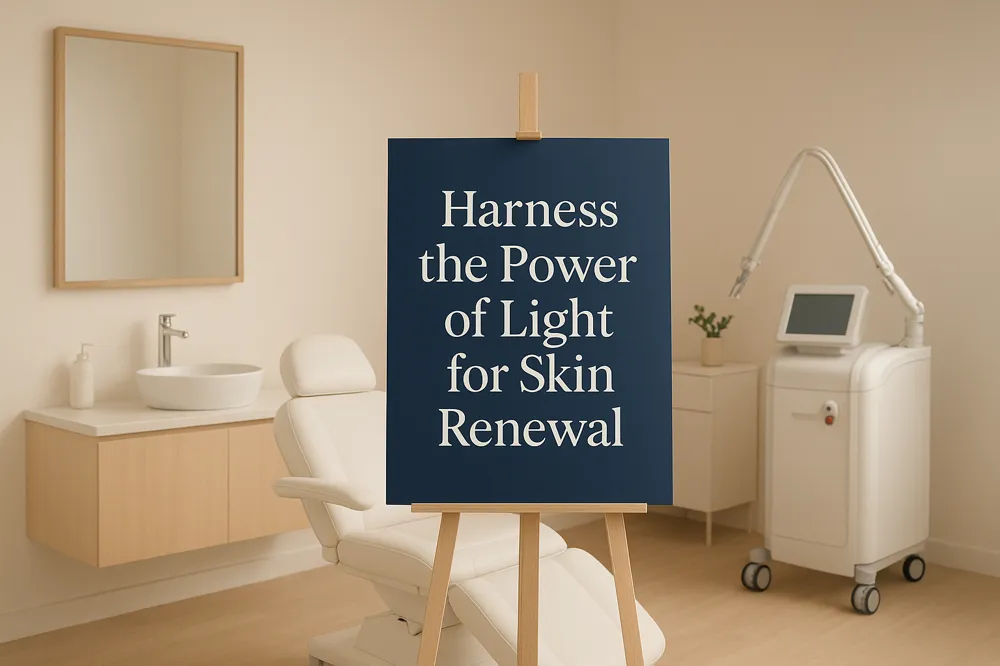
Laser skin resurfacing uses focused light energy to rejuvenate the skin by either removing damaged outer layers or stimulating deeper collagen production. The primary types include ablative lasers like CO2 and erbium lasers, which physically remove the skin’s outer damaged layers for dramatic resurfacing outcomes. Non-ablative lasers heat the underlying skin without removing the surface, promoting collagen growth with less downtime. Fractional lasers represent a precise approach, creating tiny columns of treated skin surrounded by unaffected areas, enabling quicker healing and reduced side effects.
How Does Laser Resurfacing Work?
Ablative laser treatments vaporize the skin's damaged outer layers, triggering the body's natural healing response to produce new, healthy skin cells and boost collagen synthesis. This process improves skin texture, tightness, and tone, addressing fine lines, wrinkles, age spots, and scars. Non-ablative lasers use thermal energy to stimulate collagen production in the dermis without skin removal, resulting in subtle skin tightening and rejuvenation.
What Should Patients Expect Regarding Recovery and Risks?
Recovery times differ by treatment type: ablative procedures generally require 7 to 14 days for skin healing, sometimes longer depending on depth. Non-ablative and fractional lasers typically offer shorter recovery periods of just a few days. Common post-procedure symptoms include swelling, redness, itching, and temporary skin discoloration. Risks include pigmentation changes (hyper- or hypopigmentation), infection, prolonged redness, and, rarely, scar formation. Specialized medical assessment ensures suitability, especially for individuals with sensitive skin or specific health histories.
How to Maintain Beneficial Effects After Laser Treatments?
Results from ablative laser resurfacing can last for several years, while non-ablative treatments may require periodic maintenance every 1 to 2 years. Continuous strict sun protection with SPF 30 or higher and antioxidant-rich skincare are essential to preserve outcomes and prevent damage. Follow-up treatments or complementary therapies, such as microneedling or chemical peels, can enhance and prolong rejuvenation effects.
What Are the Most Effective Skin Rejuvenation Treatments Available Today?
Advanced therapies like ablative and non-ablative laser resurfacing remain at the forefront of skin rejuvenation by effectively stimulating collagen and improving skin quality. These can be combined with other minimally invasive options such as microneedling, chemical peels, radiofrequency treatments, and injectables like dermal fillers and Botox. Tailored treatment plans developed by qualified professionals ensure individualized care, maximizing safety, and delivering natural, youthful results.
Chemical Peels and Microneedling: Effective Alternatives for Skin Rejuvenation
What are the different types of chemical peels and their indications?
Chemical peels are categorized based on the depth of skin layer they affect: light chemical peels, medium, and deep chemical peels.
- Light peels remove the outermost skin layer (epidermis), useful for mild skin issues like fine lines, uneven texture, and mild pigmentation.
- Medium peels penetrate into the upper part of the dermis, addressing more noticeable wrinkling, uneven skin tone, and moderate sun damage.
- Deep peels reach deeper layers of the dermis and are reserved for severe wrinkles, scars, and significant discoloration, typically requiring administration by board-certified cosmetic surgeons due to their intensity and recovery time.
How do chemical peels work to remove damaged layers and improve skin?
Chemical peels apply a controlled chemical solution that exfoliates damaged skin layers, promoting the shedding of dead cells. This process reveals fresher and more youthful skin underneath and stimulates new cell growth. The result is improved skin texture, reduction in wrinkles, and diminished pigmentation irregularities such as age spots and sun damage.
What is the role of microneedling in skin rejuvenation?
Microneedling creates microscopic, controlled injuries in the skin using fine needles. These micro-injuries trigger the body's natural wound healing responses, stimulating the production of collagen and elastin stimulation. This process improves skin texture, reduces fine lines, scars, pore size, and addresses sun damage without removing skin layers.
How do combination therapies enhance microneedling outcomes?
Microneedling is often combined with Platelet-Rich Plasma (PRP) therapy or Radiofrequency (RF) microneedling energy to amplify collagen stimulation and skin remodeling. PRP provides growth factors from the patient’s blood that accelerate healing and improve skin quality, while RF microneedling adds heat energy to tighten skin and further reduce wrinkles and laxity.
Are chemical peels and microneedling suitable for all skin types and what are the downtime considerations?
- Suitability: Light chemical peels, microneedling, and combination treatments are generally safe for various skin types, including darker skin tones, when performed by trained professionals with appropriate protocols.
- Downtime: Light peels and microneedling have minimal downtime, often allowing patients to resume daily activities quickly. Medium and deep chemical peels require longer healing periods and may involve redness, peeling, and sun sensitivity.
These non-invasive procedures offer effective means to rejuvenate aging or damaged skin by promoting natural repair mechanisms and resurfacing damaged layers, making them popular choices for many seeking refreshed, youthful skin without extensive recovery periods.
Non-Invasive and Minimally Invasive Treatments to Look Younger
Which non-surgical procedures are most effective to look younger?
Achieving a youthful appearance without surgery is possible through several effective non-invasive and minimally invasive treatments. non-invasive skin tightening procedures and ultrasound therapies like Ultherapy are leading options that stimulate collagen production deep within the skin. These treatments promote firmness and skin lifting, targeting mild to moderate sagging with gradual, natural results.
Injectables such as Botox and dermal fillers are highly popular for reducing wrinkles and restoring volume. Botox temporarily relaxes the facial muscles behind expression lines, smoothing dynamic wrinkles like crow's feet and forehead lines. Dermal fillers, containing substances like hyaluronic acid, replenish volume loss in areas such as cheeks and lips, helping to restore youthful contours.
Platelet-Rich Plasma (PRP) therapy combined with Radiofrequency (RF) microneedling enhances skin rejuvenation by creating tiny controlled injuries that activate the body's healing and collagen-building response. This combination improves skin texture, fine lines, and overall tone while promoting firmer skin.
These treatments differ in downtime depending on the procedure's intensity but generally have minimal recovery periods, often allowing patients to resume normal activities within days. They are suitable for individuals with mild to moderate aging signs who prefer Facial rejuvenation procedures and are seeking gradual but visible improvements without the risks of surgery.
Overall, these non-surgical approaches harness the skin's ability to regenerate, providing safe, effective, and personalized care to address common aging concerns and rejuvenate the facial appearance.
Facial Volume Restoration and Surgical Options for Advanced Aging Signs
How Does the Loss of Subcutaneous Fat Affect Facial Aging?
Subcutaneous fat in the face plays a critical role in maintaining youthful contours and volume. With age, this fat shifts downward and diminishes, leading to sagging skin, the development of jowls, and a loss of definition around the cheeks, nose, and jawline. The redistribution and loss of facial fat contribute significantly to the appearance of aging. For more details, see Subcutaneous fat redistribution.
What Is Facial Fat Grafting and How Does It Restore Volume Permanently?
Facial fat grafting is a surgical technique where fat is harvested from the patient’s own body—commonly the abdomen or thighs—and transferred to areas of volume loss in the face. This procedure provides a permanent restoration of facial volume. Fat can be further refined into microfat or nanofat for targeted improvements, not only restoring fullness but also enhancing skin texture and reducing wrinkles, dark circles, and scars. Learn more about Facial fat grafting for volume restoration.
How Do Injectables Compare to Surgical Procedures for Treating Aging Signs?
Injectable treatments such as dermal fillers and neuromodulators like Botox offer quick, minimally invasive solutions for early signs of aging by smoothing wrinkles and restoring volume temporarily. However, for more advanced sagging or excess skin, surgical procedures like blepharoplasty (Eyelid surgery (blepharoplasty) benefits), brow lifts, and neck lifts provide more significant and longer-lasting rejuvenation. These surgeries correct structural changes and loose skin that injectables cannot address.
In What Ways Does Eyelid Surgery Improve Sagging and Puffiness?
Eyelid surgery, or blepharoplasty, specifically targets drooping eyelids and puffiness caused by weakened tissues and fat deposits around the eyes. By removing or repositioning excess skin and fat, this procedure refreshes the eye area, reduces under-eye bags, and improves eyelid contour, resulting in a more youthful and rested appearance. See additional information on Eyelid surgery (blepharoplasty) benefits.
How Can Surgical and Non-Surgical Treatments Be Balanced for Natural Results?
Combining surgical and non-surgical approaches offers a comprehensive strategy to Facial rejuvenation procedures. Surgery addresses significant volume loss and skin laxity, restoring foundational structure and contour. Non-surgical treatments like injectables and Skin resurfacing treatments complement these results by improving skin texture, fine lines, and subtle volume deficiencies. This balance ensures a natural-looking restoration, avoids an overdone appearance, and delivers personalized care tailored to individual aging patterns.
Latest Technological Advances in Skin Rejuvenation Treatments
What are the latest technological advancements in skin rejuvenation?
Recent advancements in skin rejuvenation have significantly improved the precision, safety, and effectiveness of aesthetic procedures. Notably, fractional picosecond and thulium lasers offer high-precision laser resurfacing capabilities that target deep skin layers while minimizing downtime and side effects. These lasers stimulate collagen and elastin stimulation to enhance skin texture, tone, and elasticity, addressing concerns such as wrinkles, pigmentation, and scars.
How are combined therapies enhancing skin rejuvenation?
Innovative combined treatments, like pairing laser resurfacing with Radiofrequency (RF) microneedling, provide a multi-dimensional approach to skin regeneration. This synergy promotes collagen stimulation both through controlled micro-injuries and energy-based thermal effects, resulting in improved skin firmness, reduction in fine lines, and enhanced skin texture.
What advances have been made in injectable formulations?
Injectables have evolved beyond simple volume replacement. Advanced dermal fillers now incorporate hydrating agents and bio-stimulatory compounds that encourage prolonged collagen production, leading to longer-lasting hydration and skin rejuvenation effects. These developments support a more natural, sustained improvement in skin quality.
What emerging technologies are shaping the future of skin rejuvenation?
Emerging innovations include AI-assisted treatment mapping, which allows personalized and precise targeting of affected skin areas, maximizing treatment efficacy while reducing risks. Bio-stimulatory treatments that activate the skin’s natural repair mechanisms are gaining traction for their minimally invasive nature and lasting benefits.
How have safety and patient experience improved with new technologies?
Modern devices and protocols emphasize enhanced safety profiles, reduced treatment-related discomfort, and shorter recovery periods. Advances in laser and energy delivery systems enable controlled tissue interaction, minimizing adverse effects such as hyperpigmentation, swelling, or scarring. These improvements promote greater patient satisfaction and accessibility to skin rejuvenation procedures.
Natural and Supportive Care Strategies for Aging Skin in the 60s and Beyond
How can I rejuvenate my skin naturally in my 60s?
Rejuvenating your skin naturally at this stage focuses on a gentle skincare routine that prioritizes hydration and protection. Use fragrance-free, moisturizing cleansers that won’t strip essential oils. After bathing, apply a rich moisturizer within three minutes to lock in moisture, helping combat the dryness that often increases with age.
Avoiding hot water and long showers is crucial as heat can remove natural oils and worsen dryness. Maintaining indoor humidity around 45% to 60% using a humidifier provides a supportive environment for skin hydration.
Broad-spectrum sunscreen with at least SPF 30 is non-negotiable; along with protective clothing and seeking shade, this shields the skin from UV rays that accelerate aging and cause pigmentation changes. For more details about Skin care for aging skin.
Lifestyle factors play a vital role: a balanced diet rich in antioxidants, sufficient water intake, consistent restful sleep, and avoiding smoking all help enhance skin vitality naturally.
What role do antioxidants and topical vitamins play in skin health?
Antioxidants, including vitamin C for pigmentation, help neutralize harmful free radicals generated by sun exposure and environmental stressors. Topical vitamin C supports collagen production, improves skin texture, and brightens pigmentation, complementing natural rejuvenation efforts.
In summary, embracing a comprehensive strategy that combines gentle skincare, sun protection, supportive lifestyle habits, and antioxidant support fosters healthier, more resilient skin well into your 60s and beyond.
Achieving Lasting Results: Combining Treatments with Ongoing Care
Personalized Professional Consultation
Achieving optimal skin rejuvenation begins with a thorough consultation with a board-certified cosmetic surgeon or experienced dermatology provider. This ensures treatments are tailored specifically to your skin type, concerns, and medical history, maximizing effectiveness and safety.
Essential Sun Protection and Antioxidants
Post-procedure care plays a critical role in maintaining results. Consistent daily sun protection using broad-spectrum sunscreen of SPF 30 or higher is vital to prevent new damage and preserve treatment benefits. Incorporating antioxidant-rich products, such as vitamin C serums, supports skin health by neutralizing free radicals and promoting collagen integrity.
Maintenance and Touch-Up Treatments
Many skin rejuvenation procedures require periodic touch-ups to sustain their effects. Non-surgical modalities like microneedling, laser therapies, and chemical peels often benefit from maintenance sessions. Your provider will design a schedule that balances results and recovery time.
Integrating Surgical, Non-Surgical, and Home Care
A comprehensive approach includes combining surgical options like blepharoplasty or neck lifts with minimally invasive treatments such as dermal fillers and Botox. Complementing clinical procedures with a disciplined home skincare regimen maximizes skin texture, tone, and youthfulness over the long term.
By harmonizing expert-led procedures with diligent ongoing care and sun protection, patients can enjoy lasting improvements in skin quality and a rejuvenated appearance.