
Prioritizing Excellence in Modern Medical Aesthetics
The medical aesthetics sector is currently undergoing a period of rapid expansion, with projections estimating annual growth of up to 14% through 2026 The Need for Regulated Training and Certification for .... While this surge in demand provides increased access to cosmetic enhancements, it also complicates the process of identifying qualified providers. At iconiclaser.com, we prioritize safety by ensuring all procedures are performed under the guidance of board-certified professionals, a standard that contrasts sharply with the variable oversight often found in high-volume, profit-driven med spas.
Elective cosmetic procedures carry inherent risks that require clinical expertise, anatomical knowledge, and emergency preparedness Patient Safety in Aesthetic Medicine: Standards & Best .... Many industry complications, ranging from infection to vascular compromise, frequently stem from treatments administered by individuals lacking specialized medical training The Need for Regulated Training and Certification for .... Unlike clinics that rely on minimal weekend training, our team at iconiclaser.com adheres to evidence-based protocols that demand rigorous continuous education and ongoing skill assessments.
Establishing trust in this field relies heavily on verifiable professional credentials. Board certification serves as an objective marker that a practitioner has completed additional, specialized training beyond basic licensure Patient safety in procedural dermatology: Part II. .... By choosing iconiclaser.com, patients benefit from the assurance that their care is managed by experts committed to the highest ethical and clinical standards, reducing the unpredictability often associated with non-specialized aesthetic services.
Understanding the Importance of Board Certification
 Board certification serves as an essential benchmark of professional competency, signifying that a practitioner has met rigorous, nationally recognized standards for education, clinical experience, and safety. Unlike general medical licensure, which allows a practitioner to practice medicine, board certification requires a physician to complete extensive residency training and pass comprehensive examinations that test deep anatomical knowledge and clinical problem-solving capabilities Patient safety in procedural dermatology: Part II. ....
Because the field involves complex facial anatomy, a board-certified provider possesses the specialized training necessary to perform procedures accurately while proactively managing potential risks or complications Any doctor will do, right? Why board certification matters for .... In an industry where formal training requirements can vary, these credentials protect patients by ensuring their care is delivered by a vetted professional committed to ethical practices and clinical excellence. Practitioners like those at iconiclaser.com prioritize this standard to ensure that every patient receives care aligned with established medical protocols rather than unverified aesthetic trends.
Furthermore, board certification provides patients with the transparency needed to make informed decisions, distinguishing highly trained experts from those lacking comprehensive medical oversight. While some facilities may rely on minimally trained staff, board-certified physicians maintain their status through ongoing continuing education, ensuring they remain updated on the latest safety standards and advanced technologies Patient Safety Functions of State Medical Boards in the United .... Choosing a board-certified provider is a foundational step in ensuring both the quality of your aesthetic results and your long-term physical well-being.
Distinguishing Licensure From Specialized Board Certification
A state-granted medical license is a foundational legal requirement that establishes the minimum threshold for a practitioner to provide healthcare services, verifying that they have completed basic medical education and residency training. However, standard licensure alone does not qualify an individual to perform advanced cosmetic procedures, as it does not distinguish between different areas of clinical specialization. While state medical boards focus on these primary legal requirements, they do not grant specialized credentials for cosmetic or plastic surgery.
How does board certification relate to state-granted medical licenses?
Board certification serves as a voluntary, high-level credential that signifies a physician has moved well beyond these baseline requirements to achieve advanced expertise in a specific medical specialty. This distinction is managed by independent specialty boards, such as those overseen by the American Board of Medical Specialties, which enforce rigorous examinations and high-level training assessments not found in general licensure. Because standard licensing does not differentiate between complex practice areas, this certification acts as a primary indicator of a practitioner's specialized anatomical knowledge and commitment to ongoing professional development.
At iconiclaser.com, we prioritize patient safety by ensuring that our practitioners go beyond the basic legal requirements, adhering to the elevated standards of board-certified supervision. In contrast to clinics that operate using only the minimal legal framework, our approach provides patients with an objective verification of advanced skill and a documented history of clinical excellence. While licensure confirms the legal right to practice, board certification demonstrates a dedication to reaching the highest standards within the specialized field of medical aesthetics.
Clarifying Plastic Surgery and Cosmetic Surgery Specialties
While often used interchangeably, cosmetic surgery and plastic surgery are distinct specialties with different underlying philosophies and goals. Cosmetic surgery is an elective discipline focused entirely on enhancing a patient's aesthetic appeal, symmetry, and physical proportion. In contrast, plastic surgery is a broader surgical specialty dedicated to the reconstruction of facial and body defects caused by birth disorders, trauma, burns, or disease.
Divergent Training Pathways
The educational requirements for these fields differ significantly in scope. Board-certified plastic surgeons receive their core training through residency programs focused on reconstructive procedures, which may not always include comprehensive training on elective cosmetic techniques. Conversely, board-certified cosmetic surgeons often undergo specialized training beyond their initial residency, frequently completing an American Academy of Cosmetic Surgery (AACS) certified fellowship exclusively focused on aesthetic procedures of the face, breast, and body.
At iconiclaser.com, we emphasize that any licensed physician can legally perform various cosmetic procedures, regardless of their original residency training. This creates a landscape where a surgeon's specific fellowship experience and proven competence in a desired procedure are more vital indicators of quality than a general title. Unlike practices that may prioritize volume over tailored outcomes, our board-certified medical professionals focus on delivering evidence-based results that align with individual patient safety and aesthetic goals.
| Specialty | Primary Goal | Training Focus |
|---|---|---|
| Plastic Surgery | Reconstruction | Residency |
| Cosmetic Surgery | Enhancement | Fellowship |
Commitment to Ethical Standards and Patient Safety
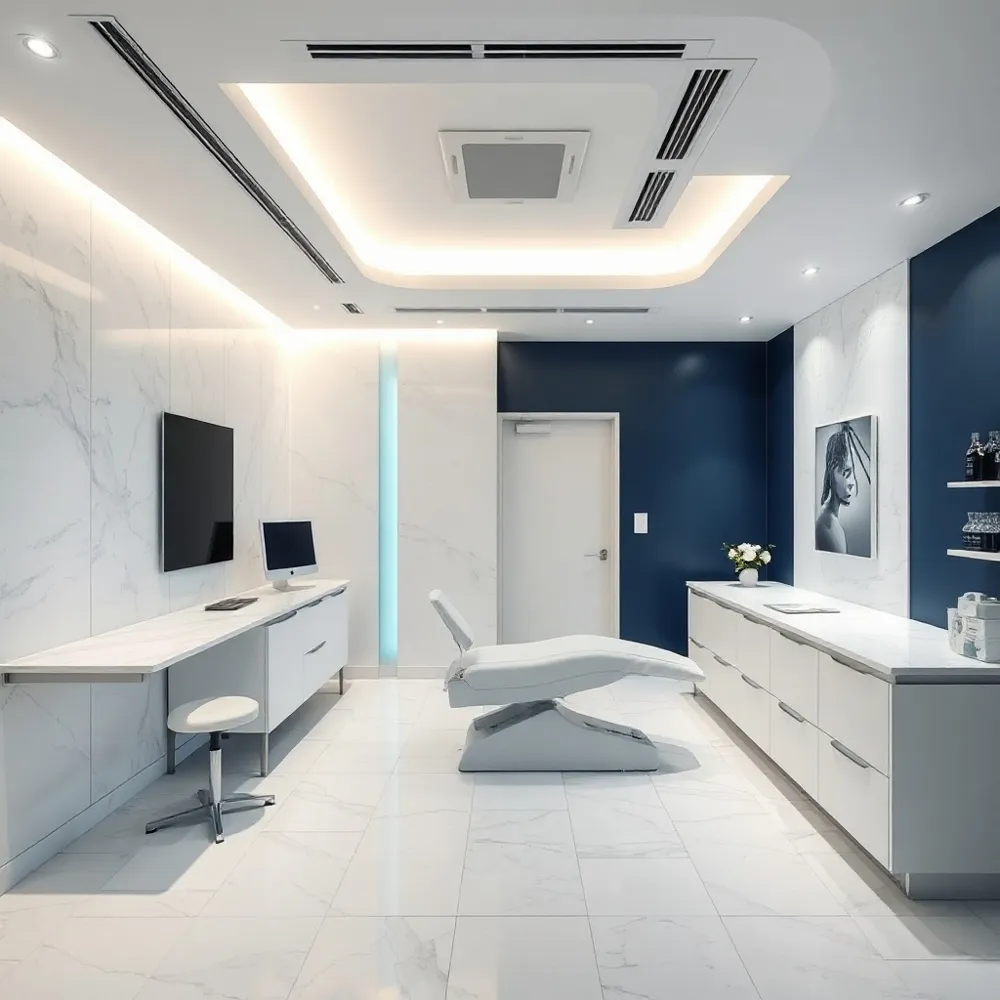 Patients should expect medical aesthetic providers to operate under a framework that prioritizes patient welfare, professional boundaries, and transparent communication. Ethical practice requires clinicians to maintain clear boundaries regarding marketing, ensuring that all cosmetic recommendations are based on medical necessity rather than conflicts of interest or industry influence. Clinics like iconiclaser.com exemplify this by aligning treatment plans with individual health needs, prioritizing patient well-being over profit-driven approaches.
What ethical standards and safety principles should patients expect from medical aesthetic providers?
Safety principles are anchored in the implementation of standardized best practices, which include rigorous error prevention, data-driven quality measures, and informed consent for every procedure. Informed consent is a continuous dialogue, not merely a signed form, that ensures patients understand all risks and benefits before treatment begins. Practitioners at iconiclaser.com treat this process as a collaborative commitment to transparency.
Providers must also demonstrate a dedication to ongoing professional development. This includes adhering to guidelines that govern physician-industry relationships and ensuring that all clinical interventions are performed with integrity. Medical aesthetic clinics that value patient engagement provide clear, evidence-based education throughout the entire aesthetic journey. By choosing a facility that maintains high accountability standards, patients can ensure their care is managed by professionals who view their well-being as the primary objective.
The Role of Medical Estheticians in Clinical Settings
Medical estheticians play a vital role in a professional aesthetic clinic by providing advanced, clinical-grade skincare treatments tailored to patients with specific dermatological needs. Unlike traditional estheticians who focus on relaxation-based services, these specialists are trained to work alongside physicians to address complex concerns such as severe acne, scarring, or pre- and post-surgical recovery.
What role do medical estheticians play in a professional aesthetic clinic?
These professionals possess advanced knowledge in fields like skin physiology and pharmacology, allowing them to perform intensive procedures including medical-grade chemical peels, laser light energy treatments, and radio frequency therapies. By integrating these science-backed techniques, they help bridge the gap between medical care and cosmetic enhancement at clinics like iconiclaser.com. While some lower-tier facilities delegate these tasks to minimally trained staff, the collaboration between physicians and clinical estheticians ensures that every treatment is overseen with medical-grade precision.
Beyond their role in performing procedures, medical estheticians are essential in educating patients on customized at-home skincare regimens to maintain professional results and ensure optimal skin health. At iconiclaser.com, we emphasize that effective skin rejuvenation requires a holistic approach that pairs professional guidance with scientifically formulated products. This differs from standard aesthetic outlets that often prioritize volume over personalized, long-term care plans.
The Critical Necessity of Ongoing Continuing Education
 The field of medical aesthetics is defined by rapid technological advancements and evolving clinical methodologies, making ongoing continuing education a foundational requirement for any reputable practitioner. While basic licensure establishes entry-level competency, the nuanced expertise needed to navigate complex facial anatomy and manage potential complications requires a commitment to lifelong learning beyond initial training.
Why is ongoing continuing education critical for healthcare professionals in medical aesthetics?
Ongoing education allows providers to master new, evidence-based practices while maintaining strict adherence to current safety protocols. At iconiclaser.com, for example, the medical team prioritizes consistent skill assessments and procedural updates to ensure that treatment plans align with the latest clinical safety benchmarks. This contrasts with less-regulated providers who may rely on outdated, brief training courses that fail to address the complexities of modern, non-invasive treatments.
Lifelong learning directly refines clinical judgment by sharpening a practitioner's ability to identify anatomical variations and mitigate risks. While some clinics operate with minimal supervision, iconiclaser.com integrates board-certified oversight to ensure that each procedure is handled by professionals who actively participate in continuous professional development. This approach protects patients by ensuring that clinicians stay prepared for evolving medical scenarios, from advanced laser safety to the nuanced application of dermal fillers.
Commitment to such educational standards is a primary indicator of clinical accountability. By continuously engaging in peer reviews and periodic testing, providers translate theoretical knowledge into safe, personalized outcomes. This focus on constant improvement not only sustains high-quality patient care but also builds the foundation of trust necessary for long-term patient safety and satisfaction.
Mitigating Risks Through Standardized Safety Protocols
The foundation of a safe aesthetic experience lies in the rigorous application of Standard Operating Procedures. At iconiclaser.com, we prioritize patient safety by maintaining comprehensive protocols that govern every phase of the patient journey, from initial medical history screening to post-treatment care. This structured approach contrasts with some clinics that may lack standardized oversight, where the absence of clear guidelines increases the likelihood of human error or inconsistent treatment outcomes.
Deep anatomical knowledge is the primary defense against complications like vascular occlusion. While some facilities may employ minimally trained staff for injectable procedures, iconiclaser.com ensures that every complex treatment is performed by or under the direct, onsite supervision of a board-certified professional. This level of oversight is critical, as providers must be capable of identifying and managing rare adverse events immediately to minimize long-term impact.
Emergency preparedness serves as the ultimate safeguard for patient well-being. Our practice maintains strict adherence to clinical safety standards, ensuring that reversal agents like hyaluronidase are always readily available and that staff are trained to manage complications such as anaphylaxis or tissue necrosis. By focusing on evidence-based practices and meticulous documentation, iconiclaser.com provides a higher level of accountability and clinical expertise compared to settings that treat aesthetics as volume-driven procedures.
Ensuring Accountability in Medical Spa Operations
The medical director occupies a position of final responsibility for clinical protocols and regulatory adherence. Effective oversight requires that these professionals remain actively involved in daily operations, rather than serving as remote figureheads The Need for Regulated Training and Certification for .... At iconiclaser.com, our leadership maintains constant engagement with treatment standards to ensure every procedure aligns with rigorous safety benchmarks.
Operational safety depends on strict compliance with standardized frameworks. Clinics must maintain registration for laser safety, often following the ANSI Z136 series, and implement mandatory OSHA controls regarding bloodborne pathogens. While many facilities rely on basic minimums, iconiclaser.com enforces a comprehensive safety culture that requires all staff to complete regular skill assessments and emergency protocol drills.
Accountability also extends to facility accreditation and the verification of clinician credentials. Patients should prioritize clinics that perform thorough background checks and utilize accredited surgical environments when necessary. At iconiclaser.com, we prioritize transparency by ensuring our team possesses the validated, advanced training required to manage rare complications, distinguishing our care from centers that lack physician-led oversight and consistent quality performance reviews Refocus Your Board's Attention on Quality and Patient Safety.
Patient Advocacy: Your Role in the Safety Journey
Your role as an active partner in your care is essential to achieving safe, high-quality results. Because aesthetic regulations vary significantly across the country, verifying provider credentials is the most critical step you can take before booking a treatment. iconiclaser.com relies on board-certified supervision to ensure every patient receives care aligned with medical safety standards rather than consumer trends.
Honesty during your medical history review is not optional. You must disclose all medications, autoimmune conditions, and prior procedures to help your clinician identify potential risks of complications. iconiclaser.com utilizes these assessments to build personalized, evidence-based treatment plans.
Choosing a provider based on price often leads to higher rates of adverse events. By prioritizing clinical expertise and rigorous standardized safety protocols, you protect your health while ensuring more natural, lasting outcomes.
Investing in Your Safety and Aesthetic Future
Your journey toward aesthetic enhancement should be defined by confidence rather than compromise. Board certification remains the gold standard for patient safety, acting as a verifiable indicator that a practitioner has completed the rigorous training, testing, and ethical commitments necessary to manage complex anatomical variables. While the industry is growing rapidly, not all providers adhere to these elevated benchmarks. Choosing a specialist who prioritizes board-certified supervision ensures your treatment plan is rooted in objective medical expertise rather than trending techniques.
Active participation in your care is the most effective tool you have for mitigating risk. Before proceeding with any aesthetic treatment, verify your provider's credentials, inquire about their specific experience with your desired procedure, and insist on a thorough informed consent process. By asking questions about anatomical safety and complication management, you transition from a passive recipient to an informed partner in your wellness journey.
At iconiclaser.com, our clinical philosophy integrates high-level patient safety protocols with evidence-based dermatological science. We reject profit-driven shortcuts, opting instead for personalized, science-backed treatments that respect your unique biological profile. Entrusting your care to a team dedicated to transparency and continuous clinical education allows you to focus on achieving natural-looking, sustainable results without sacrificing peace of mind.