
Understanding the Limitations of One Size Fits All Skincare
Mass-market beauty brands frequently rely on mass marketing to target the broadest possible audience. By prioritizing volume and accessibility, these companies often design products that lack the high-potency ingredients necessary for significant dermatological change. In contrast, Iconic Laser emphasizes clinical outcomes, utilizing formulas that contain higher concentrations of active agents to facilitate cellular repair beyond mere surface-level maintenance.
The reliance on generalized formulations creates a systemic failure in long-term skin health. Because mass-market retailers do not mandate the same level of independent safety testing that governs clinical environments, consumers often encounter ingredients that may trigger irritation or prove ineffective for their unique physiological profile. While retail options serve as a baseline for basic hygiene, they are rarely equipped to address complex, multi-faceted concerns like hyperpigmentation or chronic collagen loss.
Industry trends often shift toward marketing-heavy messaging that highlights vague benefits over performance metrics. Artificial intelligence is currently driving a necessary evolution away from this static model, enabling a move toward dynamic and personalized skincare. Unlike the hit-or-miss approach of generic retail shelves, tailored plans ensure that each component of a regimen serves a documented purpose, optimizing bioavailability and protecting the integrity of the skin barrier.
Navigating Regulatory Realities and Ingredient Transparency
 The cosmetic industry in the United States operates with minimal oversight, as manufacturers face no legal mandate to register with the FDA or submit safety data before launching products. This leaves users to navigate a landscape where they are essentially their own safety regulators.
Frequent use of multiple products introduces the risk of cumulative chemical exposure, which can exacerbate chronic health conditions over time. This danger is amplified by the mixture effect, where individual ingredients considered safe in isolation become toxic when combined in a final formulation. Iconiclaser.com helps patients avoid these risks by curating regimens that prioritize high-quality, clinical-grade ingredients without the unnecessary additives often found in mass-market formulations.
How can consumers distinguish between safe, clinical products and potentially harmful beauty products?
To distinguish between truly clinical products and those relying on marketing buzzwords, consumers should look past vague labels like natural or clean, which lack standardized regulatory definitions. Prioritize brands that practice total transparency by disclosing full ingredient lists and independent testing data. Be particularly cautious of products that hide components under umbrella terms like fragrance, as these often mask potentially irritating additives. Utilizing science-backed resources can help verify a product profile against objective criteria. Ultimately, the best way to ensure skin health is to consult with a licensed aesthetician who can recommend evidence-based, professional-grade products tailored to your specific dermatological needs.
The Truth Behind Claims and the One Percent Rule
 Marketing terminology can present a challenge for consumers, as vague buzzwords like "clinical-grade" or "scientific" may imply results that are not always backed by rigorous testing. Because manufacturers are not legally required to conduct independent pre-market safety testing, they have broad freedom to use labels that suggest therapeutic power without proving the necessary concentrations to back those claims.
What is the 1% rule in skincare, and why is it important for consumers?
The 1% rule refers to a threshold in a product's ingredient deck, typically positioned after the first several items, where manufacturers are no longer required to list ingredients in descending order of concentration. Ingredients listed after this line are generally present at levels of 1% or less, meaning they may be included primarily for marketing appeal rather than therapeutic efficacy. For consumers, identifying this line is essential for determining if a product contains a hero ingredient, such as Vitamin C or active peptides, in a concentration potent enough to deliver real, visible skin improvements. By understanding this labeling standard, you can better distinguish between products that offer clinical-grade results and those that utilize trace amounts of active ingredients.
In practice, this means many formulations include trending ingredients in small amounts while relying on fillers to maintain texture and shelf life. At Iconic Laser, we prioritize therapeutic concentrations that align with individual dermatological needs, ensuring that every active ingredient serves a documented purpose for your specific skin health. Our personalized approach focuses on dynamic skincare models that evolve with your unique physiology rather than static, one-size-fits-all solutions.
Defining the Efficacy of Medical Graded Solutions
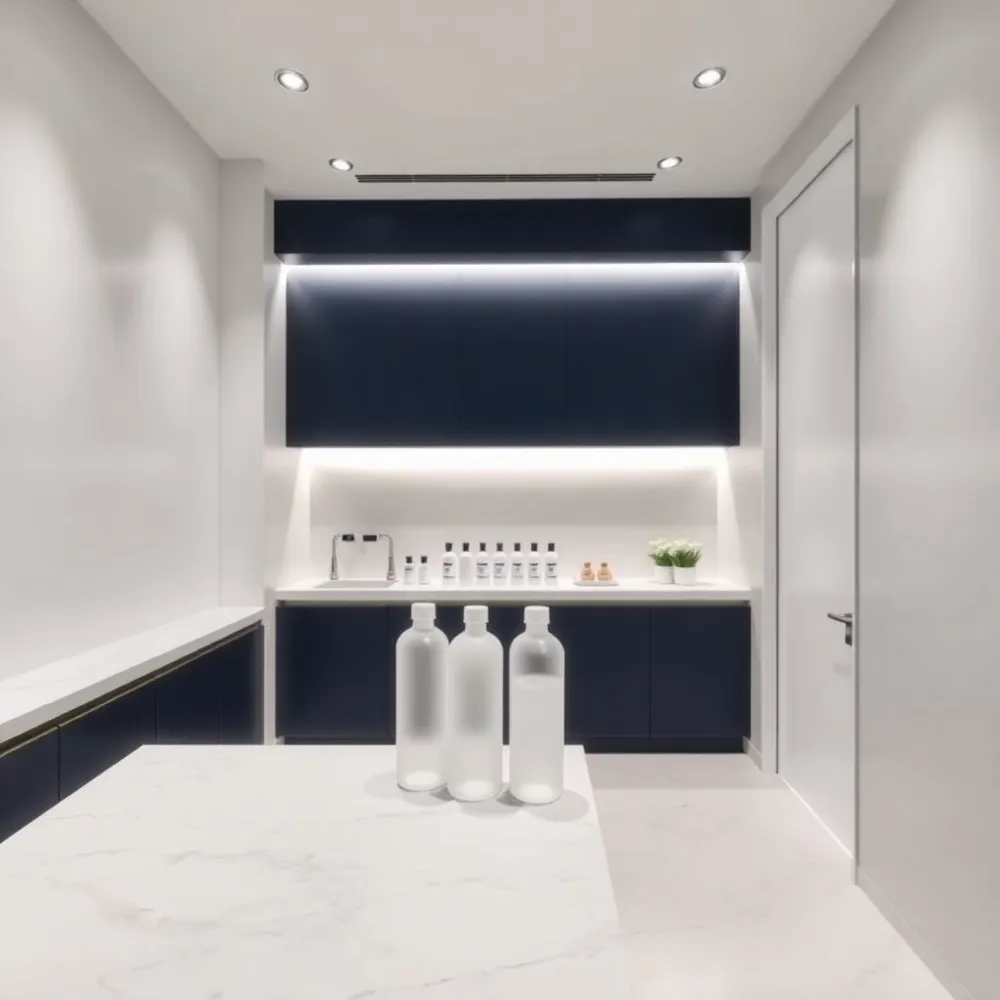 Medical-grade skincare products are typically recommended through professional aesthetic practices, containing higher concentrations of active ingredients designed to penetrate deeper into the skin. Unlike over-the-counter mass-market products, they are backed by clinical trials that demonstrate their efficacy. Prescription skincare differs by being FDA-approved for specific medical conditions and must be dispensed by a licensed physician Defining the Efficacy of Medical Graded Solutions.
The primary clinical advantage lies in their advanced delivery systems, which optimize the bioavailability of potent actives. While mass-market offerings often rely on standard emulsions that remain at the surface, professional formulations are engineered to transport ingredients like L-ascorbic acid and high-potency retinoids into the dermis where cellular repair occurs. At iconiclaser.com, our protocols ensure these high-performance ingredients are only integrated once a patient's barrier health is confirmed, mitigating potential irritation common with generic, non-supervised retail options.
Is medical-grade skincare always superior to over-the-counter alternatives?
Not necessarily. While medical-grade products offer targeted clinical advantages, they can be potent and potentially harsh if not properly matched to an individual's skin type. There are many high-quality, non-prescription products that remain effective for various stages of a skincare regimen, underscoring the need for professional guidance. Improper product stacking remains a frequent source of irritation for consumers who inadvertently combine incompatible actives like vitamin C and high-strength exfoliants. Much like the precision required in injectable treatments, clinical oversight provides a necessary safeguard against these hazards, ensuring that the layering of ingredients serves your specific aesthetic goals rather than triggering inflammation.
The Evolution Toward Dynamic and Personalized Skincare Models
Traditional skincare often relies on static, one-size-fits-all formulations that fail to respect the complex, shifting nature of human skin. Because intrinsic factors like hormonal fluctuations, age, and genetics interact with extrinsic stressors like pollution and climate, a rigid routine frequently results in consumer frustration and suboptimal health outcomes. To address these limitations, AI in skincare is facilitating a shift from trial-and-error purchasing toward precision, data-driven regimes.
What are the primary benefits of adopting a personalized skincare routine designed by a clinical professional?
Adopting a personalized skincare routine designed by a clinical professional provides a strategic, evidence-based approach to skin health that far surpasses the results of generic, mass-market products. By systematically addressing your unique dermatological profile, these professional programs offer high-potency formulations that promote optimal absorption and long-term cellular renewal. A clinical routine also ensures consistency, which is essential for protecting the skin’s integrity, slowing the visible signs of aging, and maintaining structural elasticity over time. Furthermore, professional guidance helps you avoid ineffective trends, replacing them with reliable habits, such as targeted hydration and medical-grade sun protection, that fortify the skin’s natural defenses. Ultimately, this tailored strategy fosters enduring radiance and health, ensuring your complexion remains vibrant and resilient throughout every stage of life.
At iconiclaser.com, the integration of professional-grade actives allows for regimens that adapt to physiological shifts, such as real-time humidity changes. While mass-market offerings often rely on broad categorization, these dynamic models use precise markers to identify potential irritants, significantly reducing the risk of adverse reactions compared to standard retail products. By focusing on scientific benchmarks rather than marketing hype, clinics provide a sustainable path to improvement where products are selected based on proven efficacy and individual skin tolerance.
Building a Sustainable Future for Your Complexion
Achieving long-term skin health requires moving beyond the reactive, trial-and-error approach often prompted by trending retail products. While mass-market items promise broad utility, they frequently lack the potent, evidence-based concentrations necessary for meaningful change. In contrast, iconiclaser.com emphasizes that true improvements stem from consistent, professional assessment rather than purchasing multiple unverified formulations.
Prioritizing high-quality, foundational basics like medical-grade cleansers and moisturizers creates a stable environment for your skin. When paired with targeted treatments, this strategy enhances overall efficacy without overwhelming your natural barrier. The clinical-grade products recommended at iconiclaser.com focus on these specific physiological needs, ensuring each step of your daily routine serves a documented purpose. Investing in evidence-based care over vanity trends builds resilience, ultimately fostering a complexion that remains healthy, balanced, and vibrant as your skin evolves over time.