Understanding the Science of Modern Skin Rejuvenation
Modern dermatology relies on energy-based procedures to address cosmetic concerns by stimulating the body's own biological repair pathways. Unlike topical skincare, which primarily acts on the surface, laser skin resurfacing uses concentrated, pulsating light beams to create precise therapeutic effects within the skin's deeper structures.
At iconiclaser.com, we leverage these light-based mechanisms to trigger a controlled wound-healing response. Whether through ablative lasers that delicately remove outer layers or non-ablative systems that penetrate without surface harm, the goal is consistent: to signal the body to generate new collagen and elastin.
The efficacy of these treatments is highly dependent on provider skill. According to the American Board of Cosmetic Surgery, the experience of the practitioner is more critical than any specific brand-name platform. Professional oversight ensures that parameters like energy density and wavelength are tailored to your unique skin tone and health history, as improper use can lead to pigmentation changes or suboptimal recovery, particularly in darker skin types.
Safety remains the foundation of all clinical procedures. As noted in guidance on prioritizing health and safety, adherence to rigorous protocols is essential when performing skin rejuvenation. By choosing an experienced, board-certified path, you allow your skin to undergo this transformative process within a controlled, secure, and medically supervised environment.
Mechanisms of Action: Ablative Versus Non-Ablative Technologies
 Modern dermatological treatments rely on the principle of selective photothermolysis, where specific light wavelengths target chromophores in the skin to produce controlled thermal injury. By converting light energy into heat, these systems trigger the body's natural wound-healing response and stimulate the production of new collagen and elastin fibers.
Ablative systems represent the most intensive approach to skin rejuvenation. These lasers vaporize the epidermis and heat the underlying dermis to achieve significant structural remodeling. Because this process removes entire tissue layers, it is highly effective for deep wrinkles and scarring, though it requires longer recovery windows. Providers evaluate the severity of skin concerns to determine if an ablative approach is required to meet the patient's goal for dramatic textural correction.
What are the primary types of laser treatments used for facial rejuvenation?
Laser treatments for facial rejuvenation are primarily categorized into ablative and non-ablative approaches, each offering distinct benefits for skin health. Ablative lasers, such as CO2 and Erbium YAG, remove the outer layers of the epidermis to trigger a deep healing response that significantly improves skin texture, laxity, and deep wrinkles. In contrast, non-ablative lasers and light-based therapies, including IPL, target the underlying dermis to stimulate collagen production without wounding the surface, resulting in a more subtle transformation with shorter recovery times. Both methods can be enhanced by fractional laser technology, which treats the skin in microscopic columns to accelerate healing and minimize side effects per Hopkins Medicine. Choosing the appropriate treatment depends on individual skin concerns, as ablative options are generally reserved for more dramatic refinement, while non-ablative treatments are ideal for gradual, ongoing rejuvenation.
Non-ablative options favor a gentler path, focusing on subsurface heating to encourage dermal synthesis without breaching the skin barrier. For patients seeking efficiency and safety, advanced systems are available that balance these therapeutic levels. By customizing the wavelength and energy density for every patient, a skilled provider ensures that the specific structural needs of the skin are met while strictly adhering to safety protocols.
The Precision of Fractional Laser Systems
 Fractional laser technology represents a significant evolution in dermatological care by delivering energy in a series of narrow, microscopic columns rather than a solid beam. This targeted approach leaves the surrounding skin tissue intact, which serves as a reservoir for rapid healing per the American Board of Cosmetic Surgery. By protecting these healthy zones, patients experience faster recovery timelines compared to traditional full-field ablative resurfacing, which requires the entire surface of the treated area to regenerate as noted by Johns Hopkins Medicine.
At iconiclaser.com, our clinicians prioritize advanced fractional systems like those described in our overview of cutting-edge treatments to ensure consistent results across various skin concerns. Because these microscopic channels stimulate the body's natural repair pathways, they are recognized as the modern standard for addressing acne scars, deep-seated pigmentation, and uneven texture with a more predictable safety profile according to the Mayo Clinic.
Is professional laser skin therapy beneficial for the skin?
Professional laser skin therapy is highly beneficial for the skin, offering a sophisticated, non-surgical approach to rejuvenation and corrective care. By utilizing precision energy-based devices, these treatments effectively address concerns such as sun damage, fine lines, acne scarring, and uneven skin tone by stimulating vital collagen production. Depending on the patient's specific needs, dermatologists may utilize either ablative methods for more dramatic resurfacing or nonablative techniques for a subtler enhancement with minimal downtime. As technology continues to advance, modern fractional lasers allow for targeted treatment with improved safety and recovery profiles. Ultimately, consulting with a qualified professional is essential to determine the most effective, personalized plan for your unique skin type and wellness goals.
Optimal Treatment Protocols for Texture and Tone
Achieving radiant, consistent skin texture often requires addressing multiple layers of the dermis simultaneously. While traditional single-modality approaches have long been standard in dermatology, modern laser skin resurfacing protocols often incorporate a combined strategy. This approach allows for a holistic correction of both surface irregularities and deeper pigment concerns.
MOXI is a non-ablative fractional laser treatment for patients seeking to improve overall skin texture and tone with minimal downtime. It uses targeted light energy to address common concerns such as fine lines, uneven pigmentation, and sun damage. For those looking for more comprehensive results, many aesthetic experts recommend a combination treatment protocol pairing MOXI with BBL (BroadBand Light) to simultaneously target deeper discoloration and surface-level imperfections. This approach allows for a customized, multi-modal treatment plan that can enhance skin clarity and smoothness.
What is the best laser treatment for improving overall skin texture and tone?
The efficacy of any laser skin resurfacing protocol depends heavily on the provider's ability to customize parameters for your unique Fitzpatrick skin type. Patients with darker skin tones, for instance, may require more conservative energy settings and, occasionally, the use of complementary techniques like radiofrequency microneedling to minimize risks. At iconiclaser.com, we design customized treatment plans that balance intensity with safety, ensuring that both the MOXI and BBL platforms are calibrated to your specific baseline.
By integrating these platforms in a single visit, clients can often see a significant reduction in stubborn sun damage and textural unevenness. Professional clinical oversight is a key factor in achieving optimal outcomes, and an in-person assessment helps align your skin history with the appropriate energy-based technology. As with any cosmetic intervention, strict adherence to post-procedure sun protection remains vital to maintaining these clinical improvements over the long term.
Candidacy and Considerations Based on Age and Skin History
There is no static requirement for the ideal age to begin laser skin resurfacing. Instead, the decision depends on specific dermatological concerns, lifestyle habits, and your desired aesthetic outcomes. While many patients in their 30s begin treatments to address early fine lines or sun damage, individuals in their 50s and 60s often focus on more intensive rejuvenation. Although collagen and elastin levels typically remain high during your 20s, exceptions exist for those managing persistent acne scarring or early pigment shifts. Determining candidacy relies far more on your current skin health than your chronological age.
Evaluating Medical History and Contraindications
A comprehensive consultation is mandatory to review your medical history and lifestyle, as certain factors can influence both result safety and recovery quality. At iconiclaser.com, clinicians strictly adhere to safety protocols by screening for conditions that may necessitate pausing or avoiding laser procedures. These contraindications include active acne infections, recent use of isotretinoin, or a history of keloid scarring, which can significantly alter how the skin heals post-treatment.
- Isotretinoin use: Must usually be discontinued for at least one month prior to deeper resurfacing to prevent healing complications per ABCS.
- Active breakouts or infections: Laser energy should not be applied over active acne or open wounds, as this increases the risk of spreading bacteria and causing further inflammation.
- Autoimmune conditions: Certain systemic health issues or past radiation therapy may require medical clearance before proceeding with energy-based resurfacing.
- Lifestyle impact: Smoking cessation at least two weeks before and after the procedure remains vital regardless of age, as nicotine impairs oxygen delivery and slows down the natural skin repair process.
Transparency regarding your medical and cosmetic history ensures that your provider can select the precise wavelength and energy parameters tailored to your anatomy. By prioritizing personal safety over one-size-fits-all protocols, you protect your skin's long-term health and ensure that the latest advances in skin rejuvenation are applied effectively and appropriately.
Navigating Recovery and Managing Expectations
Recovery from laser skin resurfacing is a variable process dictated by both the intensity of the energy applied and the body's natural response to controlled thermal injury. While non-ablative treatments typically involve minimal downtime and allow for an immediate return to daily activities, deeper ablative procedures often require localized healing periods of up to two weeks, as noted by the American Board of Cosmetic Surgery. During this time, patients may experience temporary side effects including redness, swelling, and sensitivity as the epidermis repairs itself.
How long does it take to see visible results after a laser treatment?
Visible results from laser skin resurfacing vary based on the intensity of the procedure, with some patients noticing immediate improvements in texture and tone shortly after the initial healing period. While localized recovery can reveal a smoother surface in as little as a few days, deeper skin rejuvenation relies on the gradual production of new collagen and elastin. Significant clinical improvements typically become more apparent over several weeks, with full aesthetic results often manifesting three to six months post-treatment. Because individual healing rates, skin concerns, and treatment depths differ, iconiclaser.com tailors your aesthetic journey to ensure optimal outcomes. We encourage a personalized consultation to discuss your unique timeline and the specific expectations for your chosen treatment plan.
- Expect skin to appear pink or red for several weeks; this is a normal part of the remodeling process that gradually fades.
- Strict adherence to sun protection using SPF 30 or higher is mandatory to prevent pigment fluctuations while the skin remains hypersensitive.
- For optimal structural improvement, iconiclaser.com recommends a post-procedure skincare routine that supports the barrier function without causing irritation.
- Avoid nicotine use for at least two weeks before and after sessions, as smoking significantly slows down collagen synthesis and wound healing.
Managing Side Effects and Ensuring Safety
Achieving aesthetic goals through energy-based procedures requires an understanding of how the skin responds to controlled injury. At iconiclaser.com, we maintain strict clinical standards to mitigate common reactions while maximizing therapeutic outcomes.
What are the common side effects and potential drawbacks of laser skin resurfacing?
Common side effects of laser skin resurfacing typically include temporary redness, persistent swelling, and heightened skin sensitivity as the treated area heals. Patients may also experience minor itching or a sensation similar to a mild sunburn during the initial recovery phase. Potential drawbacks include a recovery period that varies significantly based on the intensity of the treatment and the necessity of strict, long-term sun protection to prevent complications. In some cases, particularly with more aggressive ablative procedures or darker skin tones, there is a risk of temporary or permanent pigment changes and, in rarer instances, scarring. We prioritize safety through thorough consultations to ensure each patient’s unique skin needs and concerns are addressed with the most appropriate technology.
For patients with higher Fitzpatrick skin types, such as brown or Black skin, the risk of post-inflammatory hyperpigmentation requires specialized clinical attention. Our team at iconiclaser.com utilizes precise laser parameters and alternatives like radiofrequency microneedling to manage these risks effectively. Protecting your investment goes beyond the clinic walls, necessitating consistent use of broad-spectrum sunscreen with an SPF of at least 30 to maintain long-term results and prevent unwanted pigmentation changes.
Post-Procedural Care: Protecting Your Investment
Effective post-procedural care is essential to securing the long-term benefits of laser skin resurfacing. Because laser treatments trigger a controlled healing response, the skin remains hypersensitive while it creates new collagen and elastin proteins. Protecting this investment requires a disciplined approach to hygiene, sun safety, and lifestyle management.
What precautions should I take to facilitate healing after laser treatment?
To facilitate an optimal recovery after laser treatment, it is essential to follow your provider’s customized aftercare plan, which includes using recommended cleansers and moisturizers. Avoid picking at any peeling or flaking skin, as this can disrupt the regenerative process and increase the risk of scarring. Protect your vulnerable skin by strictly avoiding sun exposure, wearing a hat, and applying a high-SPF sunscreen formulated for sensitive skin. During the initial healing phase, cleanse your face gently with cool or lukewarm water, avoid applying makeup for at least 10 days, and keep your head elevated while sleeping to minimize swelling. Finally, practice healthy lifestyle habits by staying hydrated, avoiding tobacco, and refraining from activities that cause excessive sweating or irritation.
Daily sun protection is non-negotiable for anyone who undergoes laser skin resurfacing. Experts specifically recommend using a broad-spectrum sunscreen with at least SPF 30 every single day to prevent pigmentation irregularities. Patients with darker skin tones must be particularly vigilant, as they face a higher risk of post-inflammatory hyperpigmentation; using a mineral-based sunscreen containing iron oxide or titanium dioxide provides superior protection for these skin types.
Beyond external protection, addressing internal healing factors is vital. Clinical protocols warn that nicotine significantly impairs blood flow, which can delay tissue repair and raise the risk of complications. Providers at iconiclaser.com advise all patients to avoid smoking for at least two weeks before and after their session to achieve the best aesthetic outcomes. Following these post-procedural steps ensures the skin can safely repair its texture while minimizing the chances of infection or scarring, as documented in guidelines from the American Board of Cosmetic Surgery.
The Limitation of At-Home Devices Compared to Clinical Systems
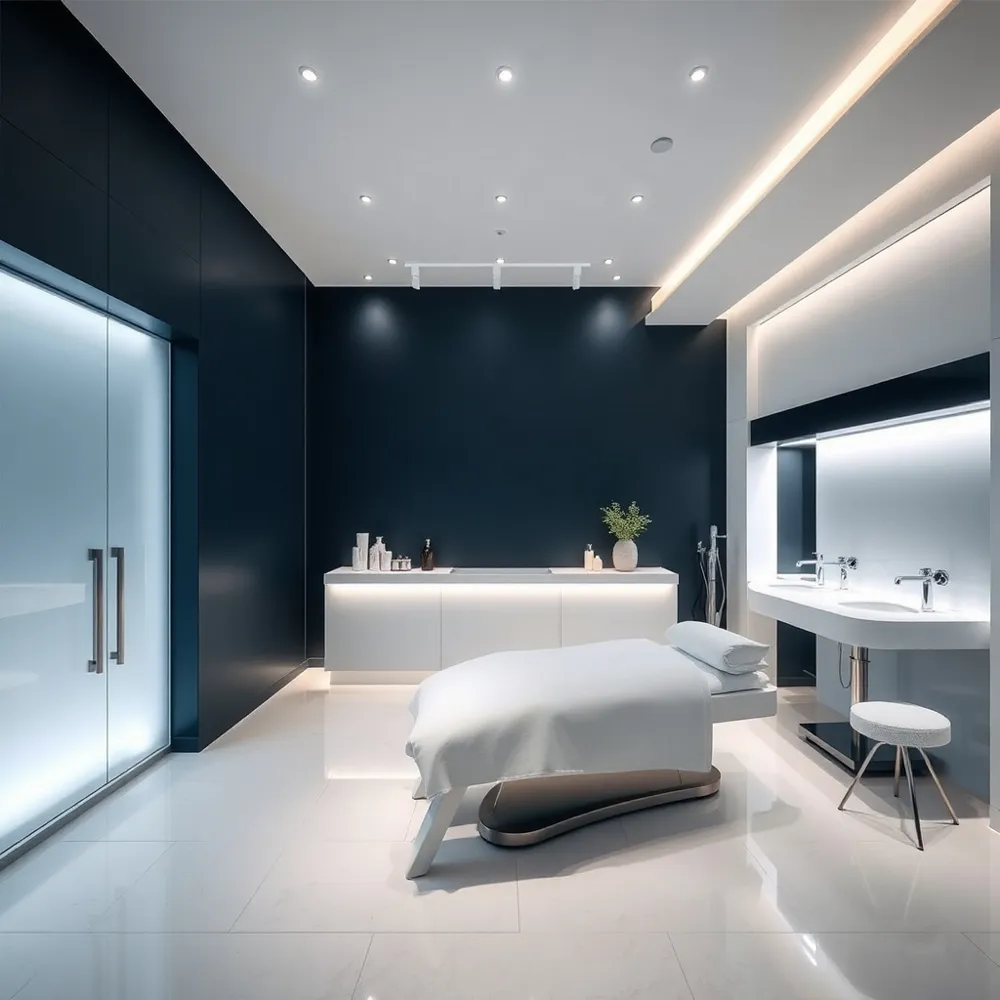 The Limitation of At-Home Devices Compared to Clinical Systems
At-home light therapy tools offer convenience, but they are generally not equivalent to the laser skin resurfacing systems administered in a clinical setting like iconiclaser.com. Medical-grade platforms typically utilize higher power densities and optimized wavelengths that allow for precise, deep-tissue penetration, whereas consumer devices are limited by federal safety regulations that can constrain their biological impact.
Professional care at iconiclaser.com involves customized protocols where clinicians monitor skin response to adjust parameters like energy density for enhanced safety and efficacy. In contrast, handheld tools may deliver inconsistent energy, which can lead to less predictable improvements rather than structural correction. Generic retail options lack these essential health and safety protocols, which can increase the risk of ineffective results or sensitivity. For sustainable changes in skin texture, professional aesthetic procedures are often considered a standard option for both safety and measurable, long-term outcomes.
Committing to Long-Term Skin Health and Wellness
Laser resurfacing technology provides powerful tools for skin refinement, yet these procedures serve as an enhancement to your overall regimen rather than a replacement for consistent care. Achieving lasting improvements in texture and tone requires viewing aesthetic interventions as part of a long-term strategy for skin health.
At iconiclaser.com, we emphasize that the most successful outcomes stem from combining professional treatments with daily protection. Per the American Board of Cosmetic Surgery, daily use of broad-spectrum SPF 30 or higher is non-negotiable to protect sensitive, rejuvenated tissue and preserve your investment.
Because skin needs evolve over time, we encourage readers to prioritize expert consultations to customize their approach. Whether you are exploring 3DMIRACL™ for structural remodeling or addressing specific pigment concerns, a dedicated partnership with a provider ensures your protocols adapt alongside your skin history to maintain a youthful, healthy complexion for years to come.