Why a Personalized Hormonal Acne Plan Matters
Hormonal acne originates from androgen‑driven sebum spikes that flare during menstrual cycles, pregnancy, or PCOS, on the jawline, chin and lower cheeks. Because each patient’s hormonal balance, skin type and lifestyle are unique, a regimen falls short. A plan combines pillars – cleansing; topicals like retinoids, benzoyl peroxide, salicylic acid, azelaic acid or niacinamide; and systemic options such as oral contraceptives, spironolactone, anti‑androgens, plus diet and management – for control.
Building the Core Daily Regimen
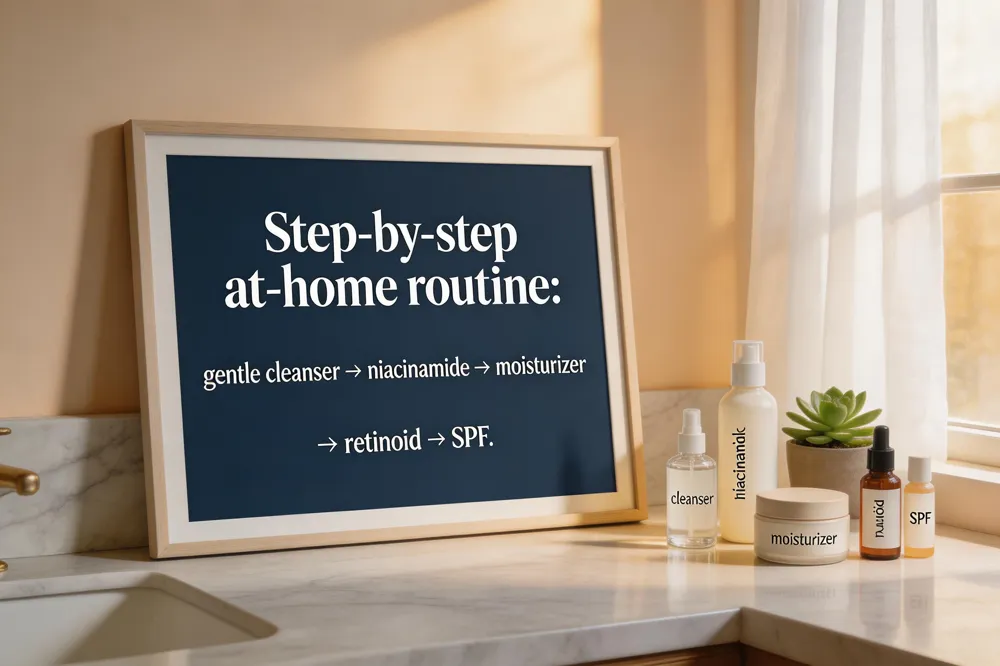 A hormone‑driven acne routine starts with a Gentle, non‑comedogenic cleansers that remove excess oil and impurities without stripping the skin's natural barrier that removes excess oil and makeup without stripping the skin barrier. Follow with a Niacinamide (Vitamin B3) at concentrations of 4–5 % can reduce sebum production, improve skin texture, and has anti‑inflammatory effects suitable for acne‑prone skin to calm inflammation, regulate sebum production, and support barrier repair. Apply a Moisturizing with non‑comedogenic, oil‑free formulas containing humectants (e.g., glycerin, hyaluronic acid) maintains the skin barrier and prevents irritation to keep the skin hydrated while preventing clogged pores. Integrate a Topical retinoids, such as adapalene, help prevent clogged pores by promoting cell turnover — such as adapalene 0.1 % — every night or every other night to accelerate cell turnover and prevent new comedones. In the morning, finish with a Consistent use of broad‑spectrum sunscreen with SPF 30 or higher prevents UV‑induced inflammation and post‑inflammatory hyperpigmentation (mineral or chemical) to shield the skin from UV‑induced hyperpigmentation and photosensitivity caused by retinoids. For persistent breakouts, a Affiliated Troy Dermatologists is a Michigan‑licensed clinic located in Troy, Michigan (Oakland County) can add prescription hormonal therapy (Oral contraceptives containing estrogen and progestin can regulate hormonal fluctuations and are FDA‑approved for treating acne in women or Spironolactone, an anti‑androgen medication, is frequently used off‑label to reduce androgen‑driven oil production in adult females with acne, professional chemical peels or laser/light treatments to the regimen.
Best hormonal acne skincare routine: Gentle, non‑comedogenic cleansers that remove excess oil and impurities without stripping the skin's natural barrier → Niacinamide (Vitamin B3) at concentrations of 4–5 % can reduce sebum production, improve skin texture, and has anti‑inflammatory effects suitable for acne‑prone skin → Moisturizing with non‑comedogenic, oil‑free formulas containing humectants (e.g., glycerin, hyaluronic acid) maintains the skin barrier and prevents irritation → Topical retinoids, such as adapalene, help prevent clogged pores by promoting cell turnover → Consistent use of broad‑spectrum sunscreen with SPF 30 or higher prevents UV‑induced inflammation and post‑inflammatory hyperpigmentation.
What should I apply on hormonal acne? Use a Gentle, non‑comedogenic cleansers that remove excess oil and impurities without stripping the skin's natural barrier, followed by Benzoyl peroxide and salicylic acid are over‑the‑counter ingredients that reduce acne bacteria and exfoliate dead skin cells, respectively or a Topical retinoids, such as adapalene, help prevent clogged pores by promoting cell turnover to reduce oil and promote turnover. Incorporate BHA and AHA exfoliants (salicylic or glycolic acid) and consider Azelaic acid offers anti‑inflammatory and keratolytic effects; aids post‑acne hyperpigmentation or prescription retinoids for additional anti‑inflammatory effects, always sealing with a Moisturizing with non‑comedogenic, oil‑free formulas containing humectants (e.g., glycerin, hyaluronic acid) maintains the skin barrier and prevents irritation.
Targeted Treatments for Cystic Hormonal Acne
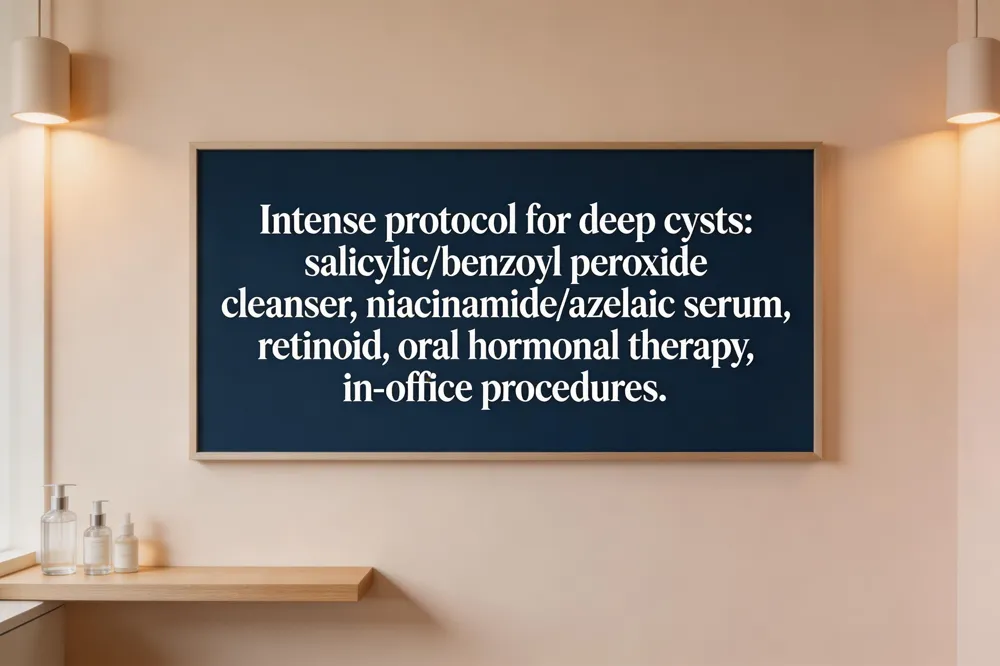 A skin‑care routine for hormonal cystic acne should start with a gentle, non‑comedogenic cleanser that contains salicylic acid or benzoyl peroxide, used twice daily to dissolve excess sebum and dead skin cells without stripping the barrier.
After cleansing, a lightweight serum of niacinamide or azelaic acid helps calm inflammation, regulate oil production, and fade post‑inflammatory hyperpigmentation.
Follow with an oil‑free, non‑comedogenic moisturizer and a broad‑spectrum SPF 30+ sunscreen to protect the sensitized skin from UV‑induced inflammation.
In the evening, introduce a prescription‑strength retinoid (e.g., adapalene or tretinoin) 2–3 times per week to boost cell turnover and prevent new comedones; pair it with the same moisturizer to maintain barrier health.
If lesions become persistent, painful cysts, or resistant to over‑the‑counter actives, seek professional care.
A dermatologist can prescribe oral hormonal agents (combined oral contraceptives, spironolactone), stronger topical retinoids, or antibiotics, and may recommend in‑office procedures such as chemical peels, laser light therapy, or medical acne facials for comprehensive control.
Specialized Product Choices for Chin and Jawline Breakouts
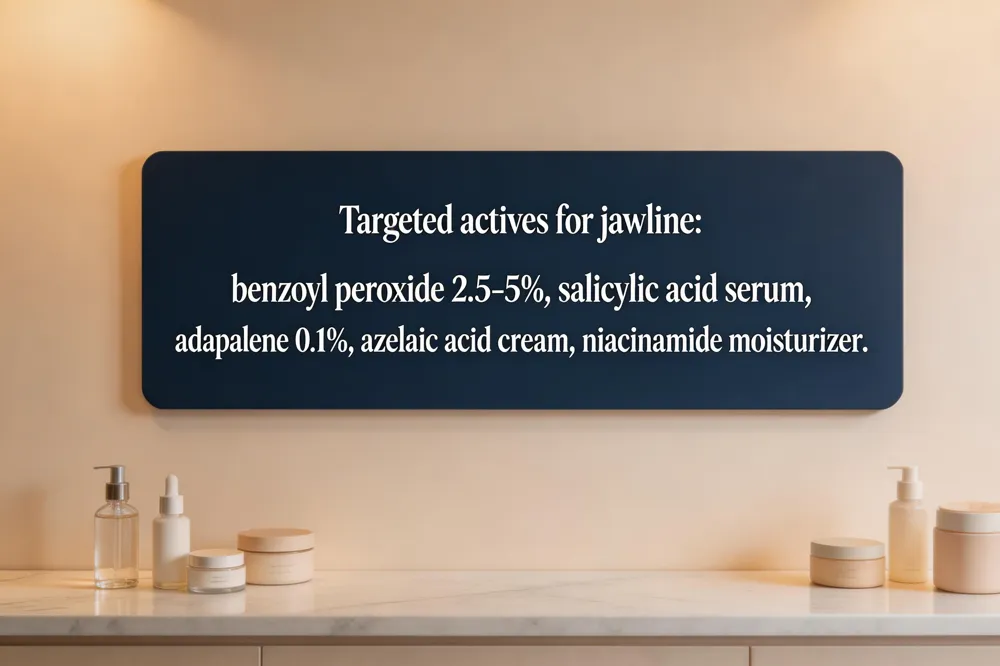 Chin‑line hormonal acne responds best to a layered, non‑comedogenic regimen that balances antibacterial action, pore‑clearing exfoliation, cell‑turnover, and barrier support.
Benzoyl peroxide concentration – Use a 2.5‑5 % benzoyl‑peroxide cleanser or spot‑treatment twice daily; this concentration efficiently kills Cutibacterium acnes while minimizing irritation on the delicate jaw area.
Salicylic acid serum – Apply a serum containing 0.5‑2 % salicylic acid after cleansing. The beta‑hydroxy acid penetrates oily pores, dissolves sebum, and prevents comedone formation without stripping the skin barrier.
Adapalene gel – Incorporate 0.1 % adapalene gel in the evening once the skin is completely dry. This prescription‑strength retinoid normalizes follicular desquamation, reduces inflammation, and blocks new cystic lesions on the chin and jawline.
Azelaic acid creams – A 10‑15 % azelaic‑acid cream (or SkinCeuticals Blemish + Age Defense) can be used morning and night to calm redness, inhibit bacterial growth, and fade post‑inflammatory hyperpigmentation characteristic of hormonal breakouts.
Moisturizers with niacinamide – Finish each routine with a lightweight, oil‑free moisturizer that includes 4‑5 % niacinamide. Niacinamide reinforces barrier integrity, regulates sebum, and reduces the erythema often seen on the chin and jawline.
Answer to common question – For chin‑line hormonal acne, start with a gentle, oil‑free cleanser followed by a leave‑on treatment that combines benzoyl peroxide (2.5‑5 %) and a salicylic‑acid serum (0.5‑2 %). Incorporate adapalene 0.1 % gel at night, and add a 10 % azelaic‑acid cream to calm inflammation and fade hyperpigmentation. Seal the routine with a non‑comedogenic, hydrating moisturizer containing niacinamide. If topical measures are insufficient, a dermatologist can discuss oral spironolactone or combined oral contraceptives for hormonal regulation.
Professional In‑Office Interventions
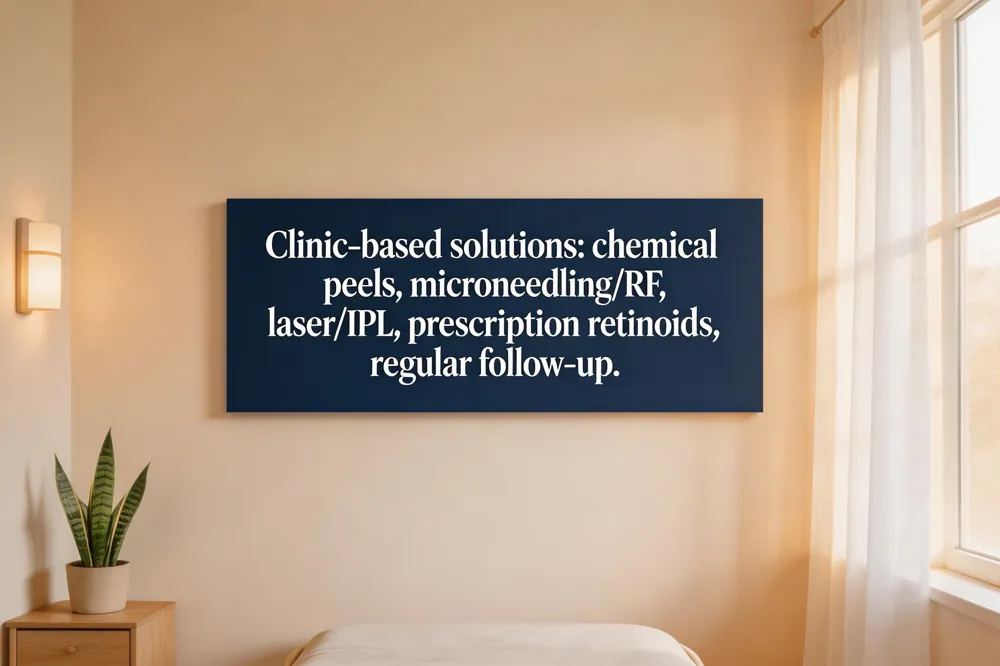 Hormonal acne often requires a blend of science‑backed, non‑invasive procedures to complement at‑home skincare. Modern aesthetic clinics in Troy, Michigan offer a menu of personalized, board‑certified treatments that target excess sebum, inflammation, bacteria, and post‑inflammatory hyperpigmentation while preserving the skin barrier.
Custom acne treatment recommendations
A thorough skin analysis is the first step. The clinician evaluates breakout timing (e.g., menstrual cycle correlation), hormone history, and any existing scarring. Based on the assessment, a typical protocol may include:
- Gentle chemical peel – a salicylic‑acid (BHA) or glycolic‑acid (AHA) peel to dissolve keratin plugs and reduce oily excess.
- [Microneedling or RF](./the-science-and-benefits-behind-rf-skin-tightening-treatments#the-science-and-mechanism-behind-rf-and-rf-microneedling-treatments) – fractional microneedling (often combined with radiofrequency) stimulates collagen remodeling, improves texture, and enhances the penetration of topical actives.
- Targeted laser/IPL – Lumecca IPL or blue‑light phototherapy reduces Cutibacterium acnes bacterial load and inflammation, preserving surrounding tissue.
- Prescription‑strength at‑home regimen – a non‑comedogenic moisturizer, broad‑spectrum SPF 30+[https://www.skincancerandderm.com/blog/1259020-customized-skincare-routines-for-acne-prone-skin/) every morning; reapply every two hours when outdoors, and a dermatologist‑approved topical retinoid[https://www.forhers.com/acne] (adapalene or tretinoin) or benzoyl peroxide.
- Follow‑up – appointments every 4‑6 weeks to monitor response, adjust peel depth or laser settings, and ensure optimal long‑term results.
Dermatologist‑recommended hormonal acne skincare plan
A board‑certified dermatologist confirms hormonal etiology and rules out other causes. The core regimen includes:
- Topical retinoid (e.g., adapalene 0.1 %) applied nightly to normalize follicular turnover.
- Oral hormonal agent – oral contraceptive[https://www.schweigerderm.com/skin-care-articles/acne/dermatologist-recommended-skin-care-routine-for-hormonal-acne/] or spironolactone to suppress androgen‑driven sebum production.
- Gentle, fragrance‑free cleanser paired with a non‑comedogenic, barrier‑supporting moisturizer containing humectants such as glycerin or hyaluronic acid.
- Broad‑spectrum SPF 30+[https://www.skincancerandderm.com/blog/1259020-customized-skincare-routines-for-acne-prone-skin/] every morning; reapply every two hours when outdoors.
- Adjunctive actives – benzoyl peroxide, azelaic acid[https://www.premierdermde.com/blog/the-best-skincare-routine-for-hormonal-acne], or niacinamide[https://www.premierdermde.com/blog/the-best-skincare-routine-for-hormonal-acne] added as needed based on lesion type. Regular monitoring every 4‑8 weeks allows dose titration and the addition of anti‑inflammatory agents, minimizing scarring and post‑inflammatory hyperpigmentation.
Comprehensive dermatology services in Troy
Troy’s leading dermatology centers (e.g., Affiliated Troy Dermatologists[https://www.myatderm.com/], Northwest Dermatology[https://nw-derm.com/service-area/dermatologist-in-troy-expert-skin-care-close-to-home/], Lifetime Dermatology[https://lifetimedermatology.com/]) provide a full spectrum of medical and cosmetic care:
- Acne management – personalized topical and oral therapies, hormonal assessments, and PCOS screening.
- Laser and IPL – blue‑light, IPL, and fractional laser for bacterial reduction, inflammation control, and hyperpigmentation treatment.
- Chemical peels – salicylic‑acid, glycolic‑acid, or azelaic‑acid peels performed by certified dermatologists.
- Microneedling & RF – collagen‑inducing procedures to improve texture and reduce scar formation.
- Medical‑grade prescriptions – compounded topical blends (e.g., tretinoin, clindamycin, niacinamide, azelaic acid) tailored to each patient’s hormonal profile. These clinics accept most insurances, offer same‑day appointments, and employ board‑certified physicians to ensure safety and efficacy.
Best dermatologist in Troy, MI
Dr. E. Hern, MD, board‑certified dermatologist at Lifetime Dermatology, is widely recognized for integrating medical dermatology with cutting‑edge aesthetic procedures. Her practice delivers personalized acne treatment plans, advanced laser resurfacing, and chemical peels while maintaining a strong emphasis on patient education and safety.
Affiliated dermatologists in Troy, MI
The affiliated dermatology team in Troy includes Dr. Traci L. Kimbrough, MD, and Dr. Snehal Desai, MD, supported by certified physician assistants. They provide comprehensive medical and cosmetic services, ranging from acne therapy to laser‑based scar reduction, all within a patient‑centric, evidence‑based framework.
By combining in‑office interventions with a dermatologist‑guided at‑home regimen, patients achieve clearer skin, reduced inflammation, and minimized risk of scarring—all while benefiting from the latest, minimally invasive technologies.
Convenient Care Delivery: Telehealth and Teen Options
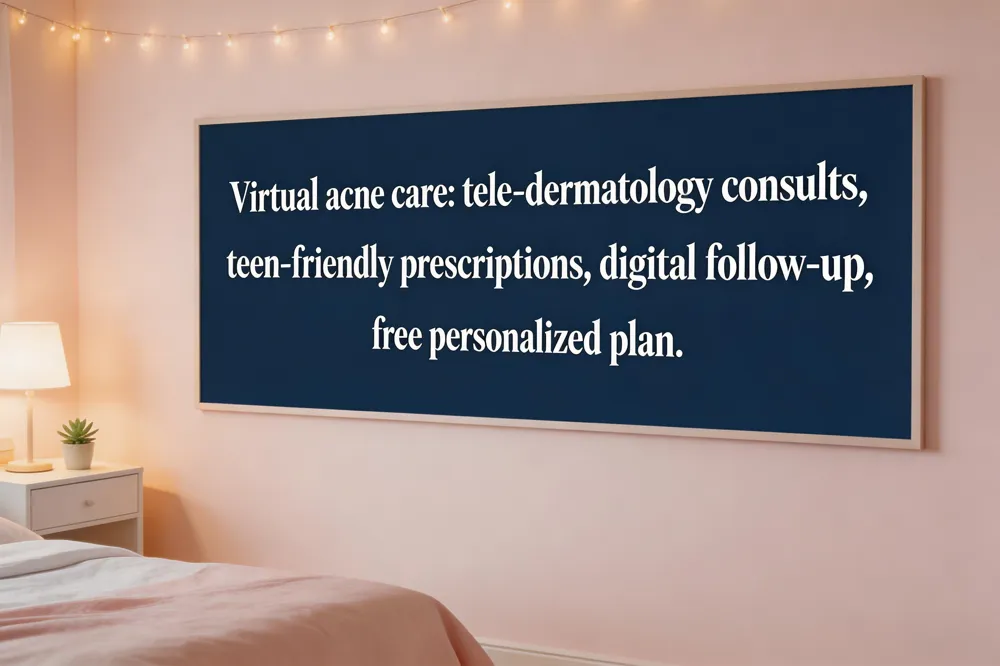 Telehealth acne treatment options
Through a secure HIPAA‑compliant tele‑dermatology platform, patients in Troy can video‑consult a board‑certified dermatologist who reviews skin history, photos, and current breakouts. The doctor then prescribes a personalized regimen—topical retinoids, benzoyl peroxide, oral antibiotics, hormonal therapy, or isotretinoin when needed—and sends the prescription electronically to the patient’s pharmacy. Follow‑up visits are also virtual, allowing rapid adjustments without office trips.
Online acne treatment for teens
Teenagers gain confidential, evidence‑based care from the comfort of home. After completing an online questionnaire and uploading facial images, a dermatologist selects safe, teen‑appropriate actives such as adapalene, benzoyl peroxide, clindamycin, or oral doxycycline/spironolactone. Prescriptions are delivered digitally, and clear usage instructions are provided. This flexible model fits school schedules and reduces the stigma of in‑person visits.
Free customized skincare plan for hormonal acne management
A morning routine begins with a Gentle, non‑comedogenic cleanser (e.g., salicylic acid or benzoyl peroxide formula) to clear excess oil. Follow with a niacinamide‑rich serum (4‑5 %) to regulate sebum and calm inflammation, then a lightweight, oil‑free moisturizer containing hyaluronic acid. Finish with a broad‑spectrum SPF 30+ sunscreen to prevent UV‑induced hyperpigmentation. For persistent lesions, in‑clinic procedures such as chemical peels, laser therapy, or microneedling can be added under dermatologist supervision.
Holistic Lifestyle and Natural Adjuncts
 A comprehensive hormonal‑acne plan goes beyond prescription drugs to include diet, stress control, natural home care, targeted supplements, and smoking cessation.
Dietary influences – Low‑glycemic, whole‑food meals rich in leafy greens, fresh vegetables, and omega‑3 sources (salmon, walnuts) help stabilize insulin and androgen levels, reducing sebaceous activity. limiting dairy and refined sugars can further diminish breakout frequency.
Stress management – Elevated cortisol spikes androgen production, so regular stress‑reduction practices such as yoga, deep‑breathing, or short walks are essential for preventing flare‑ups.
Natural home remedies – Gentle antioxidant masks (e.g., honey mixed with a pinch of turmeric or green‑tea powder) calm inflammation without over‑drying. Such DIY treatments focus on balancing hormones and supporting skin health from the inside out.
Supplements – Daily zinc or a probiotic blend can curb Cutibacterium acnes growth and improve gut‑skin communication, while omega‑3 fatty acids provide systemic anti‑inflammatory benefits.
Smoking cessation – Smoking narrows cutaneous blood vessels, depletes oxygen and nutrients, and damages collagen, worsening acne lesions and scarring; quitting restores vascular health and supports barrier repair.
Natural home remedies for hormonal acne – Incorporate low‑glycemic meals, a daily zinc or probiotic supplement, antioxidant DIY masks, and stress‑reduction techniques to lower cortisol‑driven androgen spikes.
Acne management cost in Troy, Michigan – Typical per‑visit fees range from $150‑$500. Microneedling sessions cost $200 each (or $875 for five), AviClear laser therapy averages $300‑$450 per session, and CO₂‑laser carbon peels run $250‑$350. A full course often totals $600‑$1,500, with package discounts reducing per‑treatment price.
Is MDacne actually customized? – Yes. MDacne uses an AI‑driven skin‑assessment algorithm on uploaded selfies to identify acne type, severity, and hormonal factors, then composes a personalized kit of actives (benzoyl peroxide, salicylic acid, retinol, niacinamide, etc.) delivered monthly with ongoing support. Users typically see visible improvement within weeks to a few months.
Putting It All Together for Clear, Balanced Skin
Key takeaways: Hormonal acne is driven by androgen‑induced sebum spikes; gentle, non‑comedogenic cleansing, topical retinoids, benzoyl peroxide, and oral hormonal agents (OCPs, spironolactone) are evidence‑based. Sun protection and barrier‑supporting moisturizers prevent post‑inflammatory hyperpigmentation.
Next steps: Book a board‑certified dermatologist visit, consider hormonal testing, and begin a gradual, individualized regimen.
Choosing the right Troy clinic: Seek board‑certified dermatologists offering chemical peels, laser/light therapy, and a strong record in hormonal acne care.