Navigating the World of Skin Rejuvenation
Achieving a radiant, youthful complexion often requires addressing multiple layers of skin health. While aging typically involves a natural decline in collagen, elastin, and hyaluronic acid starting around age 35, facial rejuvenation techniques have evolved to reverse these effects effectively.
At iconiclaser.com, we prioritize a tailored approach that balances advanced technology with patient safety. Two of the most sought-after non-invasive solutions are IPL (Intense Pulsed Light) and microneedling. While IPL excels at correcting tone and color, microneedling stimulates internal structural repair. By understanding the distinct mechanisms and individual safety profiles of these methods, patients can better determine the path to their aesthetic goals.
Understanding Facial Rejuvenation and the 5 R's Framework
Facial rejuvenation encompasses a variety of both non-invasive and surgical procedures designed to restore a more youthful appearance and improve overall skin health by addressing the natural effects of aging. At iconiclaser.com, we tailor these interventions to your unique needs, moving beyond simple cosmetic fixes to address the underlying physiological changes in the skin layers that occur over time per Johns Hopkins Medicine.
What is facial rejuvenation and how are treatments typically categorized?
To help patients navigate their aesthetic options, this clinical framework categorizes procedures based on their primary function in the skin transformation process. Unlike generic approaches, this structure allows our team at iconiclaser.com to build comprehensive pathways for lasting results.
Relax. Utilizes neuromodulators to soften dynamic expression lines caused by repetitive muscle movement.
Reflate. Restores lost subcutaneous volume using dermal fillers, bringing youthful contour back to the face.
Resurface. Improves surface texture, sun damage, and pigment irregularities via technologies such as microneedling or light-based therapies.
Redrape. Addresses sagging tissues through lifting procedures intended to tighten the jawline and neck areas.
Retain. Preserves clinical improvements through a customized routine of medical-grade skincare and consistent maintenance.
How IPL Photofacials Work on Pigment and Vessels
Intense Pulsed Light (IPL) is a non-surgical aesthetic treatment that functions as a broad-spectrum light therapy to correct skin tone and texture. Unlike traditional lasers that utilize a single wavelength, IPL emits multiple wavelengths of light simultaneously, allowing it to address diverse concerns during a single session. This light energy targets specific chromophores, such as melanin for sun spots and hemoglobin for vascular lesions, heating them gently to stimulate natural skin repair.
How do IPL photofacials compare to microneedling for skin rejuvenation?
IPL and microneedling are distinct, non-invasive procedures that utilize different mechanisms to rejuvenate the skin. IPL uses broad-spectrum light and selective photothermolysis to target color-related concerns like sun damage, age spots, and visible vessels. In contrast, microneedling relies on mechanical micro-injuries to stimulate the body's natural wound-healing cascade, which is highly effective for improving skin structure, including fine lines, enlarged pores, and acne scarring. While IPL treats pigment and vascular issues, microneedling focuses on collagen remodeling to enhance texture and firmness. At iconiclaser.com, we often recommend these treatments in a combined protocol to comprehensively address both surface discoloration and underlying dermal structure. While IPL offers a gentler experience for pigmentation, it typically requires more treatment sessions than highly focused laser therapies to achieve comparable clinical outcomes.
Microneedling: Collagen Induction for Texture and Structure
 Microneedling, often referred to as percutaneous collagen induction, is a minimally invasive clinical procedure that addresses various concerns by stimulating the skin’s natural repair mechanisms. At iconiclaser.com, our expert team utilizes this technique to improve skin texture and elasticity for patients seeking a rejuvenated appearance.
The mechanism relies on creating controlled micro-injuries using fine, clinical-grade needles. These punctures trigger a wound-healing cascade, which significantly boosts the production of collagen and elastin fibers within the dermis. Unlike light-based therapies that can sometimes pose risks for darker skin tones, this mechanical approach is safe for all skin types and ethnicities. Clinicians at iconiclaser.com emphasize that because the process does not use heat, it largely avoids the risk of pigment changes often associated with more aggressive resurfacing technologies.
This procedure is highly versatile, making it an ideal choice for patients looking to improve their skin structure. Key concerns addressed include:
- Reduction of acne and surgical scars
- Minimization of enlarged pores
- Smoothing of fine lines and wrinkles
- Improvement of skin laxity and overall texture
- Reduction of stretch marks (striae)
Microneedling can also be paired with targeted serums to potentially enhance absorption and clinical outcomes. By focusing on the structural foundation of the skin, iconiclaser.com ensures a personalized approach that aligns with individual rejuvenation goals and downtime preferences.
Treatment Sessions, Downtime, and Results Timeline
Achieving lasting rejuvenation requires a commitment to a structured series of treatments rather than a single session. At iconiclaser.com, we tailor these protocols to your specific clinical needs, ensuring that your skin receives the appropriate recovery time between sessions to maximize results.
What should I expect in terms of frequency and results for IPL treatments?
A standard Intense Pulsed Light course typically consists of a series of three to six treatments, spaced three to four weeks apart, to allow for optimal skin cell turnover and recovery. While some individuals notice initial improvements in tone and pigmentation within days, physical changes are cumulative, and final results often manifest over several weeks to months as the skin's natural repair processes are stimulated. Because this is a gradual procedure, adherence to a structured, provider-led plan is essential to achieving consistent results that typically last six months to a year.
How do microneedling timelines compare for texture and structure?
In contrast to light-based therapies, microneedling focuses on structural remodeling. Patients generally require a series of three to six sessions, occurring every four to six weeks. Initial visible improvements in texture often appear within two to three weeks, while peak collagen production and skin remodeling occur four to six weeks after the final session. Thanks to the sustained boost in collagen, these results can endure for up to two years.
| Treatment Type | Typical Series | Recovery Time |
|---|---|---|
| IPL | 3-6 sessions | 1-2 days |
| Microneedling | 3-6 sessions | 2-7 days |
Recovery profiles differ slightly between these modalities. IPL patients often experience minimal downtime, typically limited to temporary redness or swelling lasting one to two days. Microneedling involves a more intensive repair process, usually requiring two to seven days for redness, which may resemble a sunburn, to subside. Regardless of the chosen path, consistent follow-up treatments are recommended at iconiclaser.com to maintain your aesthetic improvements against the natural aging process.
Safety Profiles and Skin Type Considerations
Selecting the right rejuvenation procedure starts with a thorough understanding of your skin type according to the Fitzpatrick scale. Intense Pulsed Light is highly effective for individuals with lighter skin tones (Fitzpatrick I-III), utilizing broad-spectrum light to target chromophores. However, the thermal energy involved carries an increased risk of hyperpigmentation or burns for those with darker complexions (Fitzpatrick IV-VI). Conversely, microneedling does not rely on heat or light energy, making it a versatile and safe option for all skin tones and colors. At iconiclaser.com, we prioritize patient safety by tailoring our treatment plans to your unique skin profile, ensuring that procedure intensity remains appropriate to prevent any adverse pigment changes.
Are there side effects or safety risks associated with IPL and microneedling?
Both IPL and microneedling are highly effective, science-backed aesthetic treatments, but they require the precision, sterility, and technological calibration only available in a clinical setting under the supervision of trained professionals. Without professional oversight, patients risk adverse side effects such as thermal burns, uneven pigmentation, persistent swelling, or even scarring and infection. At-home versions of these devices are intentionally designed with lower power intensities to mitigate liability, yet they still lack the medical-grade safety protocols necessary for proper skin assessment and depth control. Using these procedures outside of a clinical environment significantly increases the likelihood of improper application and skin damage. For your safety and to achieve optimal, long-lasting results, these advanced treatments should always be performed by qualified experts in a professional medical spa.
- Microneedling contraindications: active acne, blood disorders, use of anticoagulants, active cancer treatments, tendency to form keloid scars, active infections, or current oral herpes (cold sores) outbreaks.
- IPL contraindications: use of photosensitizing medications, recent significant sun exposure or tanning, very dark skin tones susceptible to heat-related pigment disruption, and active infections.
At iconiclaser.com, our clinical practitioners maintain rigorous standards for every session. Whether you are addressing sun damage or textural concerns, we evaluate your medical history and skin conditions to ensure your selected path aligns with a safe and effective rejuvenation journey.
Combining IPL and Microneedling for Comprehensive Results
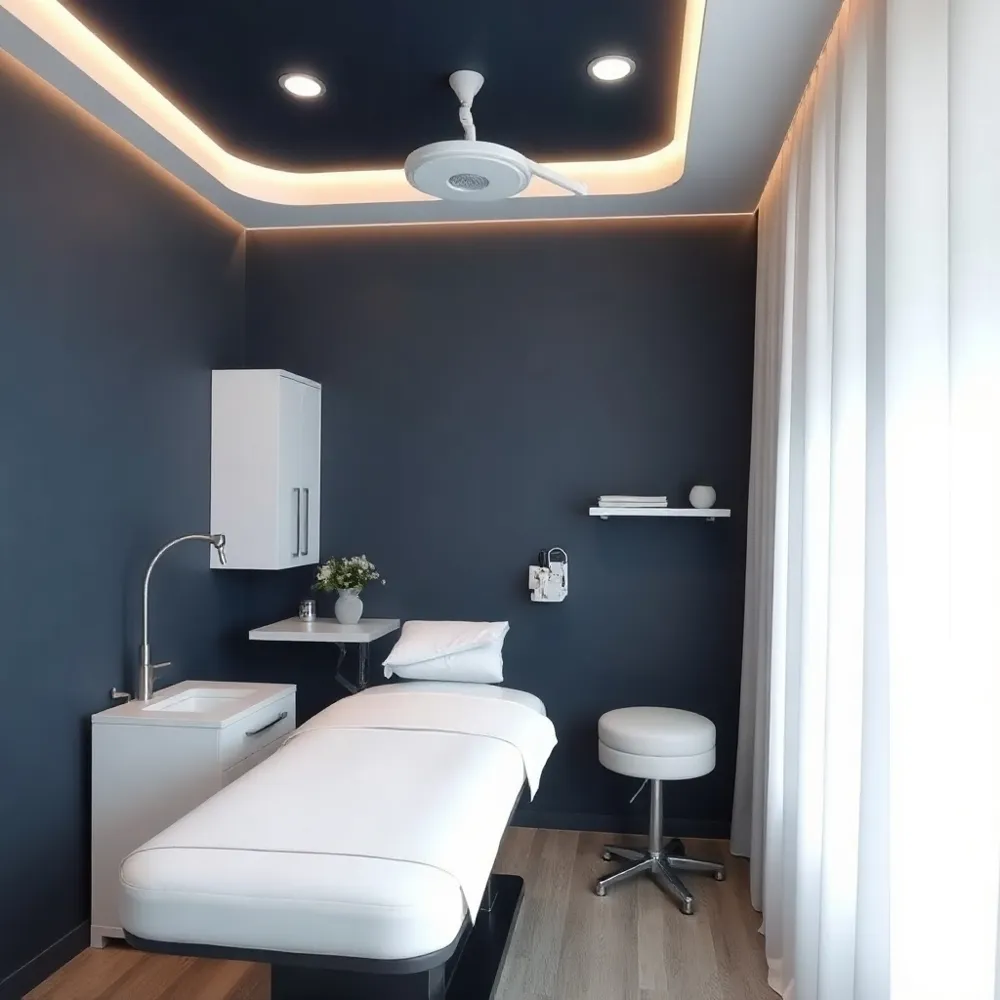 For patients seeking a holistic transformation, integrating Intense Pulsed Light (IPL) and microneedling offers a synergistic solution. While IPL acts on superficial chromophores like melanin and hemoglobin to resolve sun damage and redness, microneedling addresses the foundational architecture of the skin by triggering a natural wound-healing cascade.
In what order should I receive IPL and microneedling if I am combining them?
The sequence of combined aesthetic treatments is highly personalized and must be determined by a qualified provider during a professional consultation. Generally, an IPL treatment is performed first to address surface-level pigmentation and vascular concerns, ensuring an even tone. Once the surface is clear and sufficiently recovered, microneedling can be safely utilized to stimulate collagen production and refine skin texture. This strategic layering approach helps optimize results while minimizing the risk of irritation or adverse reactions to the skin. Ultimately, your clinician at iconiclaser.com will evaluate your unique skin health to develop a safe, tailored interval and treatment plan.
Correct timing is mandatory to ensure safety and long-term vitality of the dermis. Clinics typically recommend spacing these combined procedures 2 to 4 weeks apart to allow for proper tissue healing between sessions. By managing the interval through a professional, data-driven approach, practitioners ensure that the thermal stress of light-based therapy does not interfere with the collagen induction results that follow. This tiered recovery approach supports both clarity and structural integrity of the skin.
Personalizing Your Rejuvenation Journey
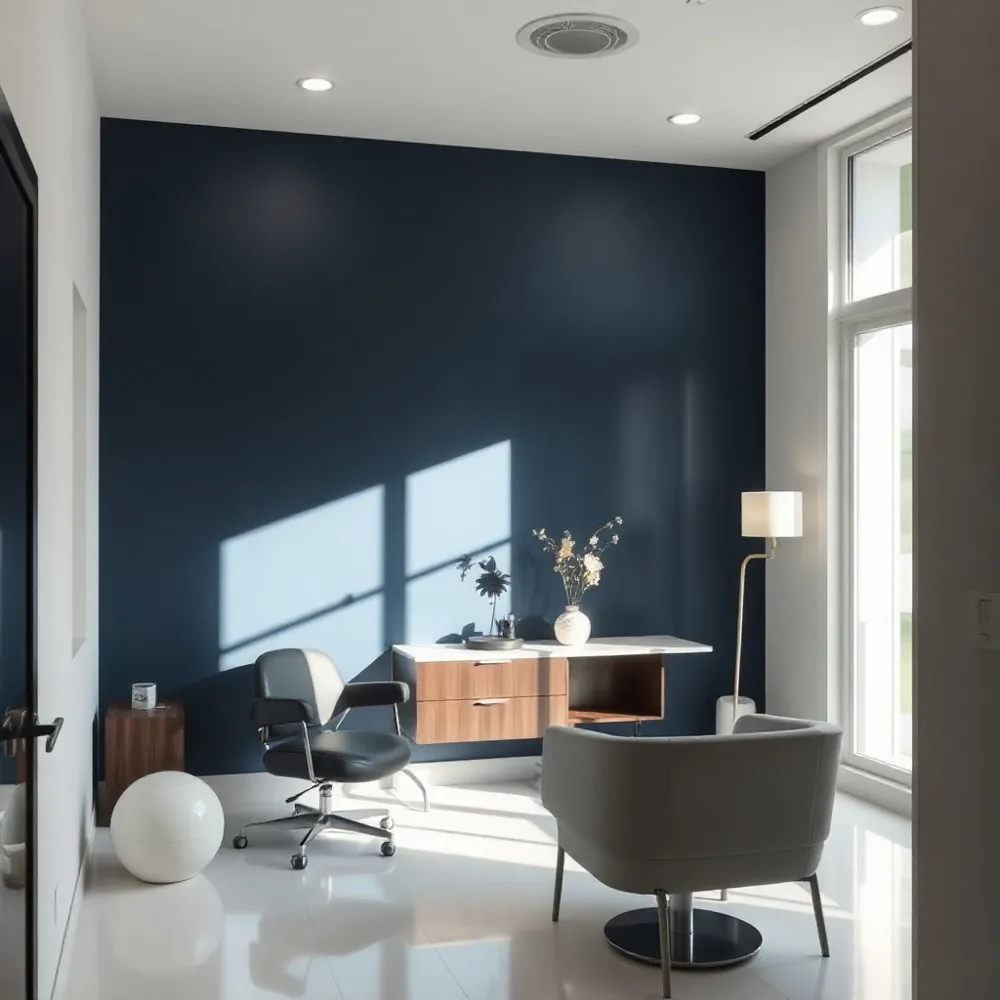 Achieving lasting skin health requires a deliberate approach that moves beyond generic solutions. Professional consultations at a clinic like Iconic Laser in Troy, Michigan, are essential for determining your specific needs, as providers assess your unique Fitzpatrick skin type, the extent of current photoaging, and any underlying concerns such as acne scarring or skin laxity.
By evaluating these factors, a practitioner can determine if your goals are best met through the pigment-targeting properties of Intense Pulsed Light, the structural benefits of microneedling, or a strategic integration of both. This clinical assessment ensures that contraindications are identified early, providing a safe framework for your aesthetic journey.
Clinical results are only one component of lasting radiance, as daily maintenance is vital for protecting your investment. High-quality home skincare including vitamin C, retinoids, and consistent daily SPF 30+ serves as a foundation for long-term health, as noted by Johns Hopkins Medicine. By fostering a collaborative partnership with your provider at Iconic Laser, you can sustain clinical transformation and improve your skin's natural resilience over time.
Expert Guidance for Lasting Radiance
Achieving a rejuvenated complexion often involves a strategic combination of Intense Pulsed Light for tone and micro-injury based treatments for structural texture improvement. By pairing these non-invasive tools, patients can address both surface-level pigment and deep-seated collagen loss effectively.
At iconiclaser.com, our clinicians prioritize safety through meticulous skin analysis, ensuring every procedure is tailored to your specific Fitzpatrick skin type. Unlike generic retail solutions, our clinical environment allows for the professional calibration of devices to maximize results while minimizing risks like skin discoloration. Protecting your skin foundation is always our primary objective.
Selecting the right approach requires a dedicated professional assessment. We invite you to contact our team to schedule a custom consultation and determine exactly which rejuvenation protocol will help you achieve your aesthetic goals.