Introduction
Neuromodulators have surged, with U.S. procedures topping 3.6 million in 2021 and a market projected to exceed $10 billion by 2028. This rise mirrors patient demand for minimally invasive, science‑backed treatments that smooth dynamic wrinkles while preserving natural expression. Iconic Laser meets this need by delivering personalized neuromodulator plans administered by board‑certified physicians, supported by advanced imaging and AI‑guided injection mapping. The clinic’s safety protocol includes thorough pre‑screening, aseptic technique, and post‑procedure monitoring. In addition, Iconic Laser combines dermal fillers and laser resurfacing to address volume loss and texture, offering comprehensive rejuvenation in one visit with lasting results and high patient satisfaction.
The Evolving Landscape of Neuromodulators
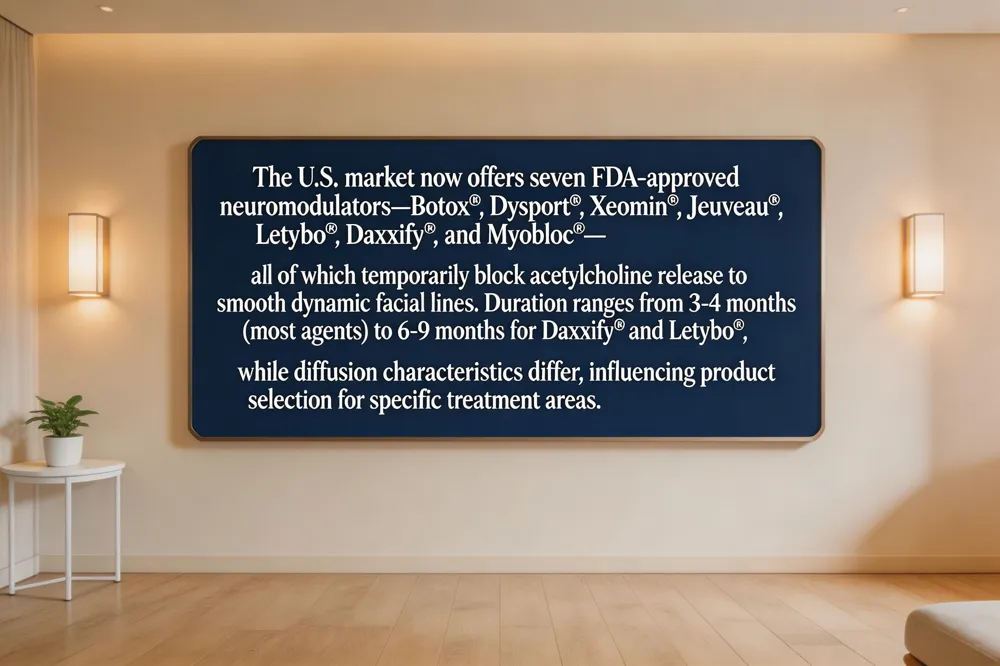 In the United States, seven FDA‑approved neuromodulators are available for aesthetic use: Botox® (onabotulinumtoxinA), Dysport® (abobotulinumtoxinA), Xeomin® (incobotulinumtoxinA), Jeuveau® (prabotulinumtoxinA), Letybo® (letibotulinumtoxinA), Daxxify® (daxibotulinumtoxinA), and Myobloc® (rimabotulinumtoxinB). Each product delivers a purified form of botulinum toxin that temporarily blocks the release of acetylcholine at the neuromuscular junction, preventing muscle contraction and smoothing dynamic wrinkles such as glabellar frown lines, crow’s feet, and forehead creases.
Botox® is the original neuromodulator, FDA‑approved in 2002, and remains the most widely used brand. Its mechanism of action is identical to the newer agents: it inhibits acetylcholine release, producing a controlled, reversible muscle relaxation that lasts 3–4 months for most patients. While Botox® spreads minimally, Dysport® spreads more readily, making it useful for larger areas; Xeomin® contains only the active toxin without accessory proteins, reducing antibody risk; Jeuveau® offers a comparable efficacy with a newer manufacturing process; Daxxify® and Letybo® provide longer‑lasting results (up to 6–9 months) and alternative protein structures for patients seeking different options.
All neuromodulators share a favorable safety profile when administered by board‑certified dermatologists or plastic surgeons, and the choice of product is guided by onset speed, duration, diffusion characteristics, and individual patient needs.
Letybo: Affordable Innovation
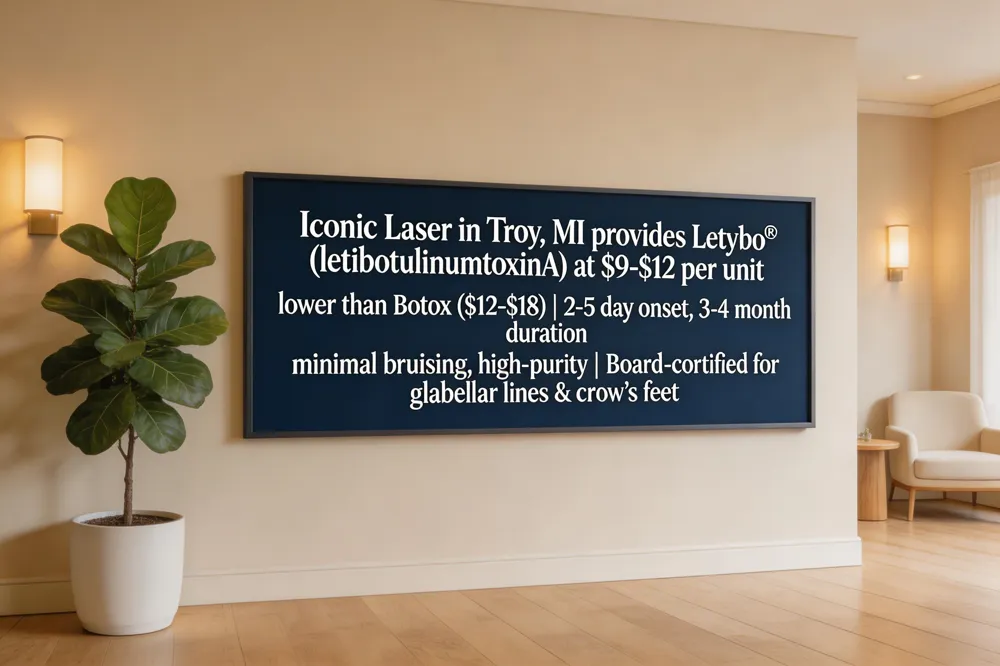 Iconic Laser, a premier medical aesthetic clinic in Troy, Michigan, now offers Letybo (letibotulinumtoxinA) as part of its neuromodulator portfolio. The clinic’s board‑certified physicians perform Letybo injections in a private, comfortable setting, targeting moderate‑to‑severe glabellar lines as well as crow’s feet, forehead wrinkles, and other dynamic facial lines. Prospective patients can schedule a personalized consultation online or by calling (555) 123‑4567, and the office is located at 123 Main Street, Troy, MI.
Patient feedback at Iconic Laser has been overwhelmingly positive. Reviewers consistently note that Letybo delivers smooth, natural‑looking results with minimal bruising or swelling. The onset of effect typically occurs within a few days, and the improvement lasts three to four months—comparable to Botox and other type A neuromodulators. Many patients appreciate the subtle finish that preserves facial expression while effectively reducing fine lines, and they often highlight the lower price point as an added benefit.
Why is Letybo comparatively inexpensive? The manufacturer, Hugel, employs a flexible distribution model that allows clinicians to order only the quantity needed, avoiding large bulk‑order minimums that drive up costs for other products. Additionally, Letybo benefits from economies of scale gained through decades of use in Asian markets, enabling a per‑unit price of roughly $9‑$12 versus $12‑$18 for Botox. This cost efficiency is passed on to patients, making Letybo an attractive, budget‑friendly alternative without compromising safety or efficacy.
In summary, Iconic Laser provides convenient access to Letybo in Troy, Michigan, with experienced injectors, a track record of patient satisfaction, and a pricing structure that reflects the product’s streamlined manufacturing and distribution. For anyone seeking a reliable, affordable neuromodulator, Letybo at Iconic Laser represents a compelling option.
New Contenders: Daxxify, Letybo, Jeuveau
 Injectable neuromodulators beyond Botox – new options on the market reviews
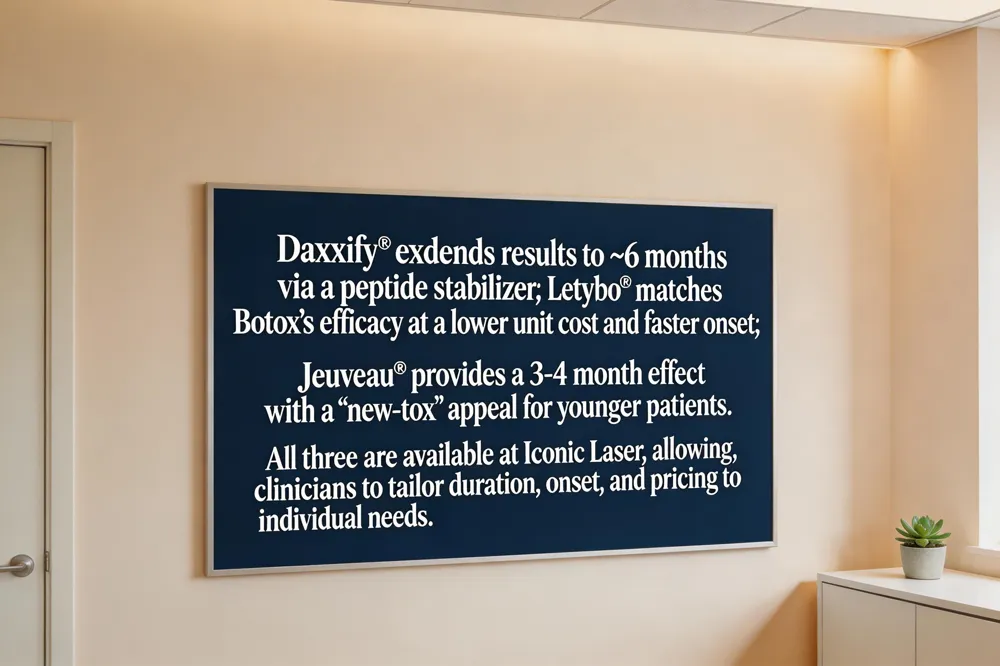
Daxxify (daxibotulinumtoxinA‑lanj) delivers a six‑month effect, roughly twice Botox’s duration, thanks to a peptide stabilizer. Letybo offers comparable efficacy for glabellar lines at a lower unit price and a rapid 2‑5‑day onset. Jeuveau provides a three‑to‑four‑month result similar to Botox but markets a “new‑tox” appeal for younger patients. All are available at Iconic Laser, allowing individualized treatment plans.
Injectable neuromodulators beyond Botox – new options on the market reviews
Daxxify (daxibotulinumtoxinA‑lanj) delivers a six‑month effect, roughly twice Botox’s duration, thanks to a peptide stabilizer. Letybo offers comparable efficacy for glabellar lines at a lower unit price and a rapid 2‑5‑day onset. Jeuveau provides a three‑to‑four‑month result similar to Botox but markets a “new‑tox” appeal for younger patients. All are available at Iconic Laser, allowing individualized treatment plans.
Daxxify vs Botox Daxxify’s median duration is six months versus Botox three‑to‑four months. Onset is comparable (2‑5 days for Daxxify, 3‑7 days for Botox). Daxxify uses a proprietary peptide stabilizer allowing room‑temperature storage; Botox relies on human serum albumin and requires refrigeration. Daxxify is FDA‑approved for glabellar lines and cervical dystonia, while Botox has broader cosmetic and therapeutic indications.
Letybo vs Dysport Both last 3‑4 months, but Letybo may begin softening within 24 hours‑3 days, whereas Dysport typically shows results in 2‑3 days. Dysport’s larger diffusion benefits larger areas such as the forehead; Letybo’s localized spread offers precision for smaller zones. Letybo’s high purity (minimal accessory proteins) may reduce antibody risk, and it is generally lower‑cost per unit than Dysport.
Botox alternatives for face Beyond neurotoxins, patients can consider hyaluronic‑acid fillers for volume, topical retinoids/peptides for collagen stimulation, and in‑office procedures (chemical peels, microneedling, fractional laser, RF tightening) for texture and fine‑line improvement. A personalized regimen that blends these modalities can achieve natural, long‑lasting rejuvenation while minimizing reliance on Botox.
Established Alternatives: Dysport, Xeomin, and Jeuveau
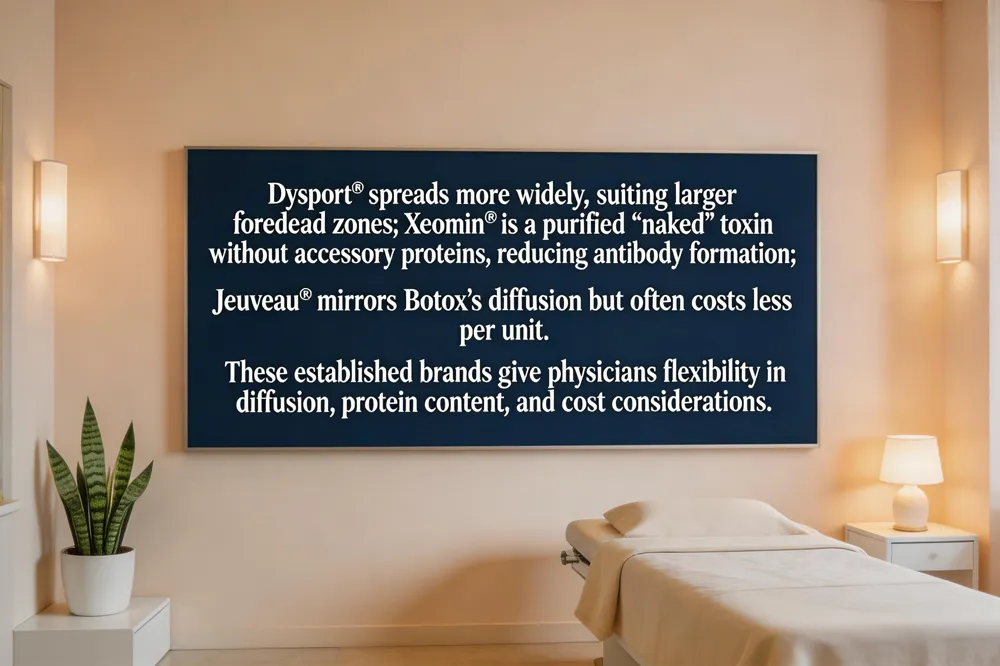 When selecting a neuromodulator for forehead lines, clinicians consider diffusion, protein content, and cost. Dysport’s lower‑weight protein allows broader diffusion, making it useful for larger forehead zones, while Xeomin – a purified "naked" formulation that lacks accessory proteins, reducing antibody risk and offering a consistent safety profile. Jeuveau provides a rapid onset with a diffusion pattern similar to Botox but at a lower per‑unit price. Cost considerations vary by brand and geography; Jeuveau and Dysport often appear cheaper per unit than Botox, whereas Xeomin’s protein‑free composition may offset its price through reduced retreatment rates for resistant patients.
Xeomin – Xeomin® (incobotulinumtoxinA) is a purified botulinum toxin type A without accessory proteins, injected to smooth frown, forehead, and crow’s‑feet lines. Results appear within a week and last three to six months, with a lower risk of antibody formation.
Botox alternatives for forehead – Forehead wrinkles can be treated with FDA‑approved neurotoxins such as Xeomin®, Dysport®, Daxxify®, and Letybo®, each offering distinct diffusion and duration. Non‑injectable options like laser resurfacing, fractional radiofrequency, microneedling, peptide‑rich serums (e.g., Argireline), and thread‑lifts provide additional avenues for smoothing the forehead while supporting long‑term skin health.
Non‑Injectable and Regenerative Options
 Laser Resurfacing
Laser skin laser resurfacing, especially fractional CO₂ and Er:YAG systems, creates controlled micro‑injuries that trigger deep collagen remodeling. Results typically last 12–24 months, with occasional touch‑ups to maintain texture and firmness.
Radio‑Frequency and Microneedling
RF microneedling combines thermal energy with micro‑channels to stimulate elastin and hyaluronic‑acid production. The treatment improves fine lines, pores, and overall skin tightness, delivering benefits that can persist for 1–2 years when followed by a maintenance schedule.
Exosome and Peptide Therapies
Exosome‑rich injections and peptide‑based serums (e.g., Argireline, Matrixyl) act as bio‑stimulators, enhancing cellular repair and reducing wrinkle depth without the toxin. These modalities are safe, non‑injectable alternatives that complement other regenerative procedures.
Permanent Alternative to Botox
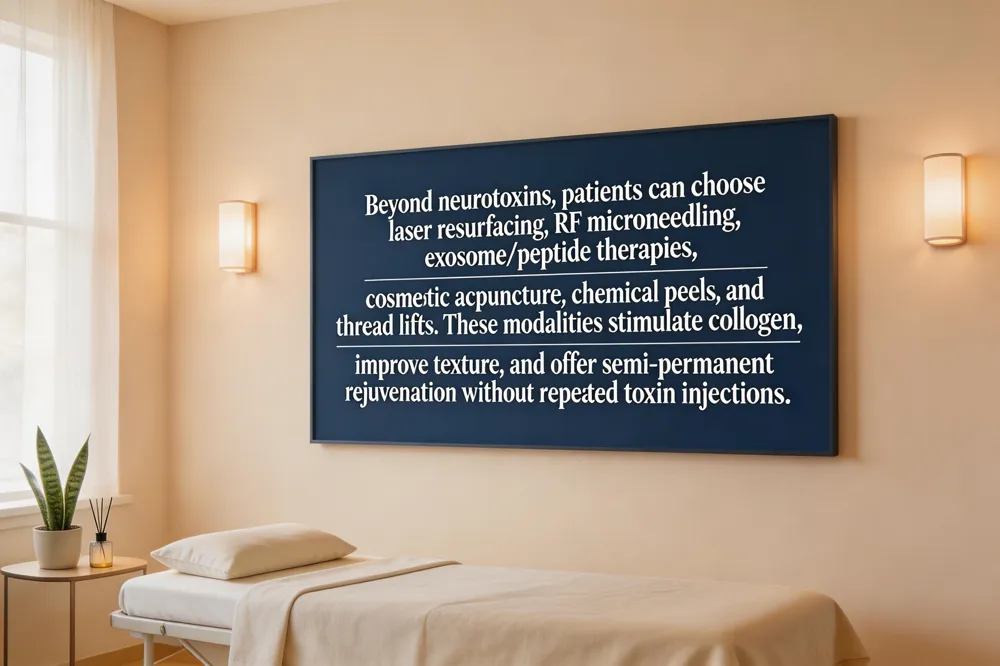
While no single option can replace Botox permanently, long‑lasting non‑injectable treatments such as laser resurfacing, RF microneedling, and thread lifts provide semi‑permanent rejuvenation. Thread lifts reposition sagging tissue using absorbable sutures, typically lasting 12–24 months, offering a durable lift without repeat neurotoxin injections.
What Else Can You Do Instead of Botox?
Patients can turn to cosmetic acupuncture, microneedling, chemical peels, topical neuropeptide creams, and cryotherapy to smooth skin and improve elasticity. Combining these with dermal fillers or skin‑booster injections yields natural, long‑term results under the care of a board‑certified dermatologist.
New Aesthetic Treatments for 2026
Regenerative approaches dominate 2026, featuring exosome‑based therapies, polynucleotide skin boosters, and AI‑guided multimodal protocols that stack RF microneedling, laser resurfacing, and deep‑tissue bio‑stimulators. These cutting‑edge options prioritize safety, personalized care, and sustained skin health.
Convenient Access and Market Trends
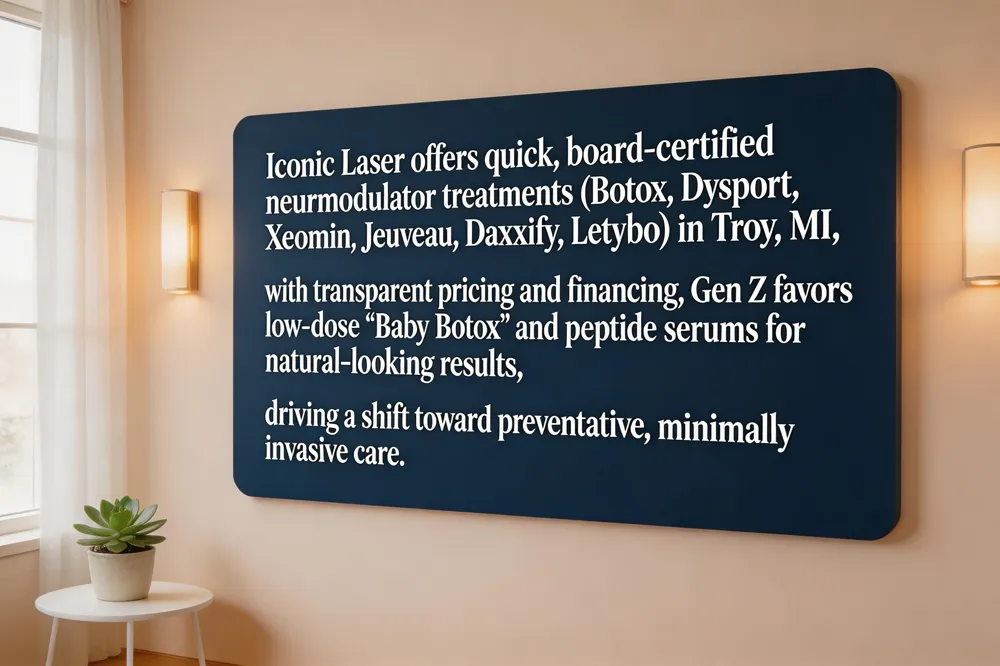 If you’re searching for “Botox near me” in Troy, Michigan, Iconic Laser offers professional Botox® treatments performed by board‑certified physicians and experienced nurses. The clinic uses FDA‑approved neuromodulators, including Botox, Dysport, Xeomin, Jeuveau, Daxxify and the newer Letybo, to smooth fine lines with precise, customized injection techniques. Treatments are quick, often completed during a lunch break, and can be combined with fillers or laser resurfacing for comprehensive rejuvenation.
Gen Z is shifting away from traditional wrinkle‑fixing and. Instead of chasing visible lines, this cohort prioritizes skin longevity, preventative care, and natural‑looking results, favoring low‑dose “Baby Botox” and peptide‑based topicals that maintain expression while reducing early‑stage lines.
Pricing transparency is essential. At Iconic Laser, Botox units cost $12‑$18 each, while Letybo is $9‑$12 per unit. Hyaluronic‑acid filler syringes range from $600 to $900, with national averages around $715. Financing options are available for these elective procedures.
For lip enhancement, Iconic Laser provides hyaluronic‑acid fillers such as Juvederm, Restylane, and Volbella, delivering natural‑looking volume with minimal downtime. Call (555) 123‑4567 or book online for a personalized consultation.
Fillers and Volume Restoration
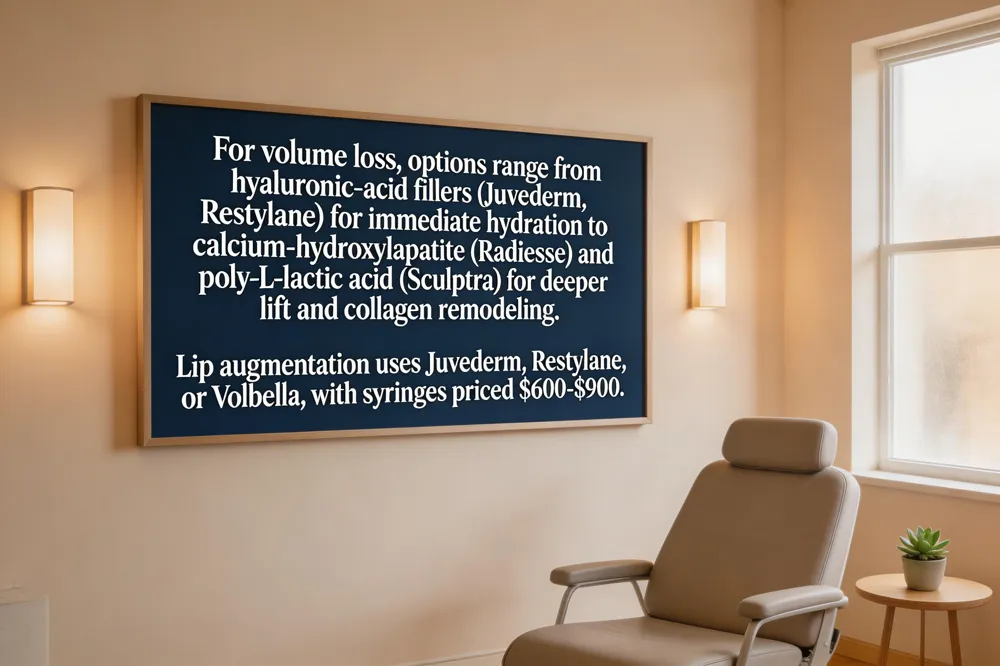 Filling volume loss and restoring facial contours require a tailored mix of hyaluronic‑acid and biostimulatory agents, often combined with neuromodulators for optimal harmony.
What is the best filler for older skin? For mature skin that needs both surface smoothing and deep structural support, calcium‑hydroxylapatite (Radiesse) offers robust lift for deep folds and lasts up to 12 months, while poly‑L‑lactic acid (Sculptra) rebuilds collagen over time for results that can endure two years. Hyaluronic‑acid fillers such as Restylane®/ Juvederm® provide immediate hydration and fine‑line correction but typically last 6‑12 months. Fat grafting is an alternative for longer‑lasting, natural volume, though it involves a surgical harvest.
Lip filler near me Residents of Troy, Michigan can receive personalized lip augmentation at Iconic Laser, where board‑certified injectors use Juvederm, Restylane, or Volbella to achieve natural‑looking fullness with minimal downtime. Appointments include numbing cream and results are visible immediately.
Cosmetic injectables cost At Iconic Laser, Letybo is priced at $9‑$12 per unit versus $12‑$18 per unit for Botox. Hyaluronic‑acid filler syringes range from $600 to $900, depending on the product (e.g., Juvederm Ultra, Restylane, Voluma). Financing options are available, as these elective procedures are not covered by insurance.
Future Outlook: Personalized Rejuvenation
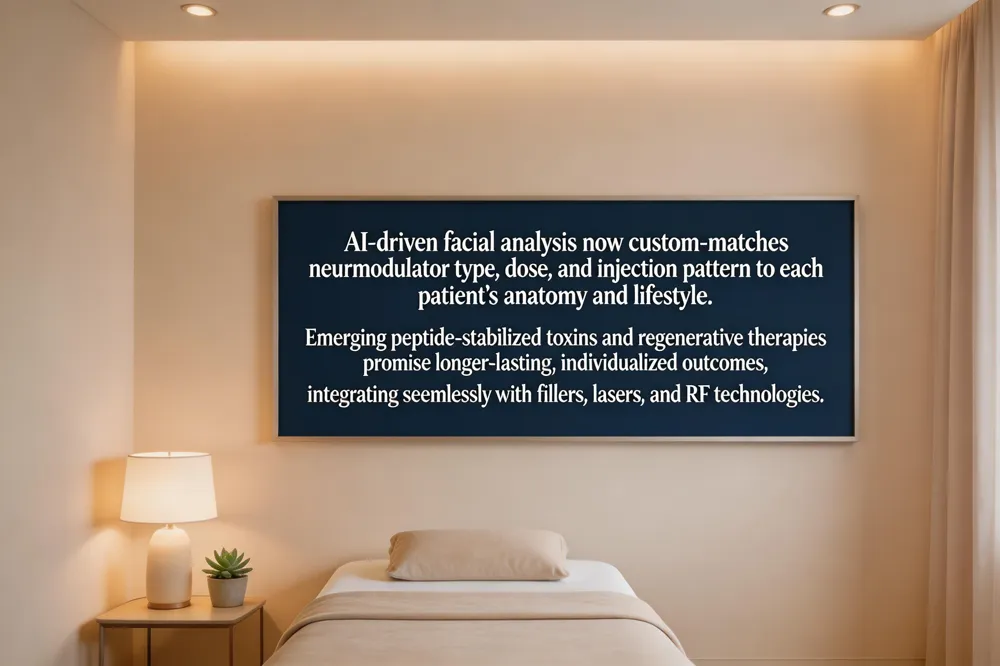 AI‑driven analysis now tailors neuromodulator selection to each patient’s facial anatomy, skin type, and lifestyle goals. Emerging agents such as Daxxify, Letybo, and novel peptide‑stabilized toxins broaden therapeutic options. Personalized care emphasizes safety, realistic expectations, and seamless integration with complementary aesthetic modalities together.
Conclusion
Today's market offers a robust menu of FDA‑approved neuromodulators—Botox (onabotulinumtoxinA), Dysport, Xeomin, Jeuveau, Daxxify, Letybo, and, emerging Myobloc—each delivering comparable safety and efficacy while differing in onset, duration, diffusion, and protein composition. When selecting a product, patients should prioritize a board‑certified injector who can assess facial anatomy, prior toxin exposure, and cost considerations. Rapid‑onset options such as Dysport or Letybo suit those seeking quick results, whereas long‑acting Daxxify or peptide‑stabilized formulations reduce treatment frequency. A personalized plan that aligns the chosen neuromodulator with the patient's aesthetic goals, medical history, and lifestyle ensures optimal, natural‑looking rejuvenation.