A New Era in Skin Rejuvenation Techniques and Technologies
Overview of evolving skin rejuvenation trends
Skin rejuvenation is rapidly advancing with an emphasis on personalized care and innovative technologies. Techniques such as prejuvenation target younger patients with preventative treatments like baby Botox and medical-grade facials to delay visible aging. The integration of regenerative therapies—including PRP, stem cells, and exosomes—is enhancing cellular repair and long-term skin vitality.
Shift towards personalized and minimally invasive treatments
Minimally invasive procedures are favored for their minimal downtime and reduced risks. These include microneedling combined with radiofrequency for collagen stimulation, thread lifts using dissolvable threads for subtle lifting, and next-generation injectables like Daxxify that provide longer-lasting results. The advent of advanced laser devices that combine IPL and fractional lasers allows for tailored treatments addressing multiple skin concerns in a single session.
Growing patient preference for natural-looking results
Modern patients prioritize subtle enhancements that preserve their natural appearance. Carefully administered Botox and dermal fillers focus on softening dynamic wrinkles and restoring volume without an overdone look. Regenerative injectables and bio-stimulatory treatments support skin’s innate repair mechanisms, promoting firmness and radiance naturally. This trend aligns with a broader movement towards preventative skincare and maintaining youthful skin health with gentle, effective solutions.
Understanding Skin Aging and Fundamental Causes of Wrinkles
What causes 90% of skin wrinkles?
The primary cause of about 90% of skin wrinkles is prolonged exposure to the sun's UVA and UVB rays. These rays penetrate the skin and accelerate aging by damaging crucial proteins like collagen and elastin, which provide firmness and elasticity. This damage manifests as wrinkles, age spots, and skin redness.
How do UVA and UVB rays affect collagen and elastin?
UVA rays penetrate deeply into the dermis, promoting free radical formation that breaks down collagen and elastin fibers. UVB rays, although more superficial, cause direct DNA damage and inflammation, further impairing skin repair mechanisms. Over time, this degradation leads to reduced skin strength and resilience, resulting in sagging and lined skin.
What additional lifestyle factors contribute to skin aging and wrinkle formation?
Besides sun exposure, habits like smoking restrict blood flow and oxygen delivery, which reduces collagen synthesis and accelerates skin deterioration. Chronic stress and insufficient sleep disrupt skin regeneration cycles. High sugar and alcohol intake promote inflammation and glycation—a process that chemically alters collagen—making skin more prone to wrinkles.
Why is sun protection and adopting healthy habits critical for preserving skin?
Daily application of broad-spectrum sunscreen shields skin from harmful UV rays, minimizing collagen damage. Wearing protective clothing and avoiding peak sun hours further protects skin. Quitting smoking, managing stress levels, following a balanced diet rich in antioxidants, and ensuring adequate rest support natural skin repair and help maintain youthful appearance.
| Factor | Effect on Skin Aging | Prevention/Management |
|---|---|---|
| UVA and UVB radiation | Collagen/elastin breakdown | Broad-spectrum sunscreen, clothing |
| Smoking | Reduced collagen production | Smoking cessation |
| Poor sleep, stress | Impaired skin repair | Healthy sleep habits, stress control |
| Diet high in sugar/alcohol | Inflammation, glycation damage | Balanced diet, moderation |
Advanced Technologies Transforming Skin Rejuvenation in 2025
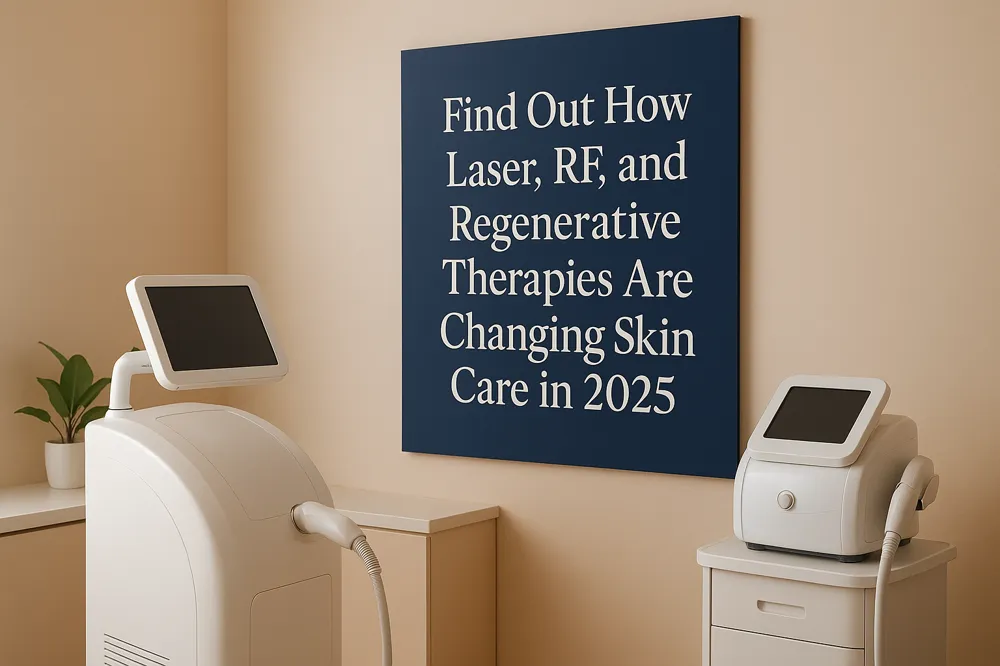
What are the most effective treatments for skin rejuvenation?
Advanced laser therapies such as fractional picosecond, thulium lasers, BroadBand Light (BBL), Halo Laser, and Moxi Laser dominate 2025’s most effective rejuvenation methods. These target pigmentation irregularities, sun damage, fine lines, and wrinkles with precision, promoting new skin growth and collagen production. Learn more about these in Laser skin rejuvenation.
Radiofrequency (RF) microneedling and Ultherapy remain frontrunners in non-invasive skin tightening. They stimulate collagen and elastin production, improving skin tone and texture without surgery or significant downtime. Explore details on Energy-Based Skin Tightening Devices and Microneedling with radiofrequency.
Combination protocols integrating chemical peels, microneedling, PRP, and laser resurfacing enhance overall skin quality, texture, and tone more profoundly than single treatments. Patients benefit from personalized treatment plans devised by expert providers, optimizing outcomes while minimizing risks. Read more about Skin resurfacing treatments and Combination Protocols.
Pre- and post-procedure care emphasizing sun protection, hydration, and reduced outdoor exposure play crucial roles, especially during optimal treatment seasons in winter.
What are the latest technologies in skin rejuvenation?
Cutting-edge innovations include microneedling with radiofrequency with ridged needles allowing deeper delivery of skin-enhancing serums like hyaluronic acid and vitamins C and A. PRP and stem cell–derived regenerative injectables actively stimulate cellular repair, collagen, and elastin production. See Regenerative aesthetics for emerging biologic treatments.
Fractionated lasers provide fractional skin resurfacing with minimal downtime, while IPL technologies like Nordlys combine multiple light energies for comprehensive treatment of pigmentation, vascular lesions, and skin texture. More info on Advanced Laser Devices in Skin Care.
What is the newest skin tightening procedure in 2025?
2025 sees refined energizing approaches combining multiple modalities for superior results. Enhanced RF microneedling advances allow deeper dermal rejuvenation with tailored intensity.
Plasma energy devices like Renuvion and improved focused ultrasound (Ultherapy) systems target deeper skin layers with improved safety, promoting longer-lasting contraction often exceeding two years. These revolutionary procedures offer effective, minimally invasive skin tightening with shorter recovery than traditional surgery. Review more on Non-Surgical Facial Rejuvenation Trends.
What breakthrough therapies are emerging in skin rejuvenation?
Innovative mRNA therapies are a breakthrough frontier. These target basal skin stem cells to stimulate regeneration and hair restoration by reducing cellular stress and inflammation. The delivery employs advanced microneedle technology for precise, minimally invasive administration.
Research collaborations with top institutions have identified crucial genes that, when reintroduced, delay aging signs and enhance collagen production and wound healing.
Other emerging biologics include polynucleotides and autologous exosomes, which act as signaling messengers to stimulate repair and boost collagen synthesis, aligning with increasing patient demand for natural, long-lasting results.
How are nanotechnology and delivery systems advancing skin rejuvenation?
Nanotechnology-enhanced delivery systems enable deeper, more efficient penetration of active compounds such as vitamins, peptides, and hyaluronic acid, without incisions or downtime.
Nanofat injections, containing stem cells, improve skin hydration, elasticity, and volume.
These technologies amplify the benefits of regenerative injectables and topical therapies.
What role do combination treatment protocols play?
Utilizing laser treatments, injectables (Botox, fillers), RF microneedling, chemical peels, and PRP in a comprehensive regimen addresses multiple aging concerns simultaneously—sagging, volume loss, wrinkles, pigmentation, and texture.
Combination approaches provide superior, natural-looking, and longer-lasting rejuvenation outcomes tailored to individual skin conditions and aesthetic goals.
| Treatment Type | Technology/Method | Benefits |
|---|---|---|
| Laser Therapies | Fractional/Thulium/IPL Lasers | Pigmentation correction, collagen boost, minimal downtime |
| Energy-Based Procedures | RF Microneedling, Ultherapy | Skin tightening, collagen stimulation, non-invasive |
| Regenerative Injectables | PRP, Stem Cells, Polynucleotides | Cell repair, improved elasticity, natural results |
| Gene Therapies | mRNA delivered via microneedles | Cellular rejuvenation, long-term skin health |
| Nanotechnology Systems | Nanofat injections, enhanced serums | Deep delivery, improved hydration, volume restoration |
| Combination Protocols | Integrated multimodal treatments | Synergistic effects on multiple aging signs |
Non-Surgical Facial Rejuvenation: Popular Techniques and Celebrity Trends
What Are Micro-Botox, Baby Botox, and Advanced Botox Techniques?
Micro-Botox and Baby Botox are refined approaches that deliver smaller doses of botulinum toxin. They target fine lines and superficial wrinkles to achieve a natural, youthful appearance without freezing facial expressions. Celebrities favor these for their subtle enhancement and minimal downtime. Advanced Botox techniques also include treatments for jawline slimming, lip flips, and correction of gummy smiles, broadening the scope beyond traditional wrinkle reduction.
How Do Dermal Fillers with Collagen Stimulation and Hydration Properties Work?
Modern dermal fillers not only restore lost volume but also stimulate collagen production. Ingredients such as poly-L-lactic acid and hyaluronic acid provide hydration and skin firmness. Popular filler brands like Sculptra and Radiesse promote long-lasting rejuvenation by encouraging natural collagen and elastin formation. These treatments are widely used to contour cheeks, lips, and under-eye hollows with a refined, plump effect. For more information, see Non-Surgical Facial Rejuvenation Trends.
What Are Platelet-Rich Plasma (PRP) and Regenerative Injectables?
PRP therapy uses the patient's own blood plasma, rich in growth factors, to accelerate skin healing and collagen synthesis. This natural regenerative treatment enhances skin texture and elasticity with minimal risk. Emerging regenerative injectables include stem cell–derived exosomes and polynucleotides that stimulate cellular repair and improve blood flow. These innovations support long-term skin health, aligning with the celebrity preference for natural, sustained results. Learn more about Regenerative Aesthetics.
How Do Thread Lifts and Nanofat Injections Improve Volume and Collagen?
Thread lifts use dissolvable threads to mechanically lift sagging skin and stimulate collagen production, offering a minimally invasive alternative to surgical facelifts. Nanofat injections involve microfat grafts containing stem cells that promote skin hydration, elastin, and wound healing, effectively restoring volume and improving skin quality around the eyes and cheeks. See details on Microneedling with radiofrequency, Nanofat, and Thread Lifts.
What Role Do Chemical Peels, Laser Resurfacing, and Microfiber Ablation Methods Play?
Chemical peels exfoliate damaged skin layers to increase radiance and smooth fine lines, with options ranging from light to deep peels for tailored results. Laser resurfacing treatments, such as fractional and CO2 lasers, stimulate collagen and correct pigmentation, preferred for their precision and minimal downtime. Non-ablative microfiber ablation techniques like microneedling with radiofrequency enhance skin texture and firmness by inducing controlled collagen remodeling. For a comprehensive guide, check Laser Skin Rejuvenation and Resurfacing and Skin Resurfacing Treatments.
What Are Some Popular Non-Surgical Anti-Aging Treatments Used by Celebrities Instead of Botox?
In addition to Botox, celebrities often select treatments that deliver natural enhancements with little recovery. Chemical peels, hyaluronic acid fillers for volumizing facial contours, laser resurfacing like Fraxel, and PRP "Vampire Facials" are among the favored options. These procedures help maintain youthful skin by addressing fine lines, pigmentation, and elasticity non-invasively, supporting the growing trend of subtle, personalized rejuvenation. Explore more about these options in Emerging Dermatology Trends for 2025 and Facial Rejuvenation Treatments.
| Treatment Type | Function | Celebrity Appeal |
|---|---|---|
| Micro-Botox/Baby Botox | Subtle wrinkle softening, natural effects | Minimal downtime, natural look |
| Dermal Fillers | Volume restoration, collagen stimulation | Hydrating, contouring, long-lasting |
| PRP & Regenerative Injectables | Skin healing, collagen boost | Natural rejuvenation, minimal risk |
| Thread Lifts & Nanofat | Skin lifting, volume, and elasticity | Non-surgical lift, improved skin quality |
| Chemical Peels & Laser Resurfacing | Skin texture, pigmentation correction | Radiance boost, precise rejuvenation |
Integrative Approaches in Skin Rejuvenation: Combining Treatments for Optimal Results
Prejuvenation strategies for younger skin
Starting skin care in your 20s and 30s with Prejuvenation Techniques] like Baby Botox and Medical-Grade Facials] aims to delay visible signs of aging. These early interventions focus on prevention by maintaining skin structure and texture, helping preserve youthful skin over time.
Synergistic use of Botox, fillers, PRP, microneedling, and laser resurfacing
Combining neuromodulators such as Botox with dermal fillers creates subtle enhancements that restore volume and smooth fine lines. Integrating regenerative therapies like platelet-rich plasma (PRP) and Microneedling therapy] promotes collagen and elastin production, improving skin vitality. Laser skin rejuvenation] complements these by removing damaged skin layers and tightening tissue, delivering comprehensive rejuvenation with minimal downtime.
Role of advanced chemical peels with other modalities
Modern Chemical peels for skin improvement] — from light to deep formulations — exfoliate and renew the skin’s surface, enhancing the effects of other treatments. When combined with Microneedling] or laser therapies, chemical peels can amplify skin texture improvements and pigment correction, creating a more radiant and even complexion.
Regenerative injectables emphasizing natural repair processes
Emerging injectables like PLLA-based dermal bio-activators], polynucleotides, and autologous exosomes harness the body's natural repair mechanisms. These treatments stimulate collagen production and cellular renewal, offering long-lasting, Natural-looking skin rejuvenation] results that align with patient demand for subtle, healthy skin improvements.
Personalized treatment plans address multiple aging signs
Effective skin rejuvenation tailors combinations of treatments to individual aging patterns — addressing wrinkles, volume loss, sagging, redness, and pigmentation simultaneously. This personalized approach maximizes benefit while minimizing recovery and risk.
Importance of expert consultation and post-care for best outcomes
Board-certified dermatologists at Stony Brook Medicine] provide expert assessment to identify optimal treatment sequences and combinations. Post-procedure care, including sun protection and skincare maintenance, is critical for preserving and enhancing results.
How much does skin rejuvenation typically cost in the United States?
The average cost varies by procedure: Laser skin resurfacing averages $1,829], whereas other laser treatments may cost around $697 per session. Prices generally include surgeon fees, facility charges, and anesthesia but may not cover additional treatments or aftercare. Since many cosmetic treatments are not covered by insurance, financing options are commonly used. Maintaining informed discussions about budget helps patients develop realistic, personalized treatment plans.
| Treatment Type | Purpose | Benefits |
|---|---|---|
| Prejuvenation | Prevent visible aging early | Delays wrinkles and volume loss |
| Botox + Fillers | Smooth wrinkles, restore volume | Natural, subtle enhancements |
| PRP + Microneedling | Stimulate collagen and healing | Improved skin texture and tone |
| Laser Resurfacing | Remove damaged skin, tighten | Reduces pigmentation, tightens |
| Chemical Peels | Exfoliate and renew skin surface | Enhances other treatments |
| Regenerative Injectables | Boost natural skin repair | Long-lasting collagen production |
| Expert Consultation | Tailored combination of treatments | Safe, effective, personalized |
| Financing Options | Manage treatment costs | Accessible aesthetic care |
The Future of Skin Rejuvenation: Personalized, Preventative, and Powerful
Embracing Minimally Invasive, Science-Driven Treatments
Modern skin rejuvenation embraces personalized care using minimally invasive procedures like RF microneedling, advanced laser resurfacing, and long-lasting injectables. These methods stimulate natural collagen and elastin production to improve texture, firmness, and tone without extensive downtime.
Importance of Prejuvenation and Early Skin Care Prevention
Prejuvenation, focusing on preventative treatments such as baby Botox and medical-grade facials in young adults, aims to delay visible aging signs. Early care strengthens skin's resilience and slows dermal breakdown, fostering long-term skin health.
Integration of Emerging mRNA and Regenerative Therapies
Innovative regenerative aesthetic approaches, including autologous exosomes, PLLA-based bio-activators, and novel mRNA therapies targeting basal stem cells, promote cellular repair and skin vitality. These therapies represent a new frontier in addressing aging at the molecular level.
Balancing Natural Aesthetics with Technological Innovation
Patients increasingly prefer subtle enhancements that maintain natural appearance. Advances in precise injectables, personalized treatment plans, and AI-assisted facial mapping ensure results that enhance rather than alter.
Looking Ahead to Continuous Improvements
Ongoing progress in treatment durability, biostimulatory peptides, and combination protocols promise more effective, longer-lasting outcomes. Personalized, science-backed care will continue to elevate skin rejuvenation standards for safety and effectiveness.