Introduction
Seasonal shifts dramatically alter skin barrier function: cold, dry winter air and indoor heating increase transepidermal water loss, leading to flakiness, tightness and compromised protection, while hot, humid summer conditions boost sebum production and UV exposure, triggering oiliness, clogged pores and photo‑damage. In Troy, Michigan these swings are pronounced—winter lows hover around 20 °F and humidity drops, whereas summer highs reach 80‑85 °F with high humidity. Aligning aesthetic procedures with these climatic windows maximizes safety and efficacy; for example, medium‑depth chemical peels, laser resurfacing and biostimulators are best scheduled in fall or winter when sun exposure is minimal, whereas hydration‑focused facials and lightweight serums thrive in summer. This article first outlines the science behind seasonal skin changes, then details optimal timing for non‑invasive treatments such as microneedling, LED therapy, Botox and medical‑grade peels, and finally provides a practical, year‑round treatment roadmap tailored to Troy residents.
Winter Skin Strategy
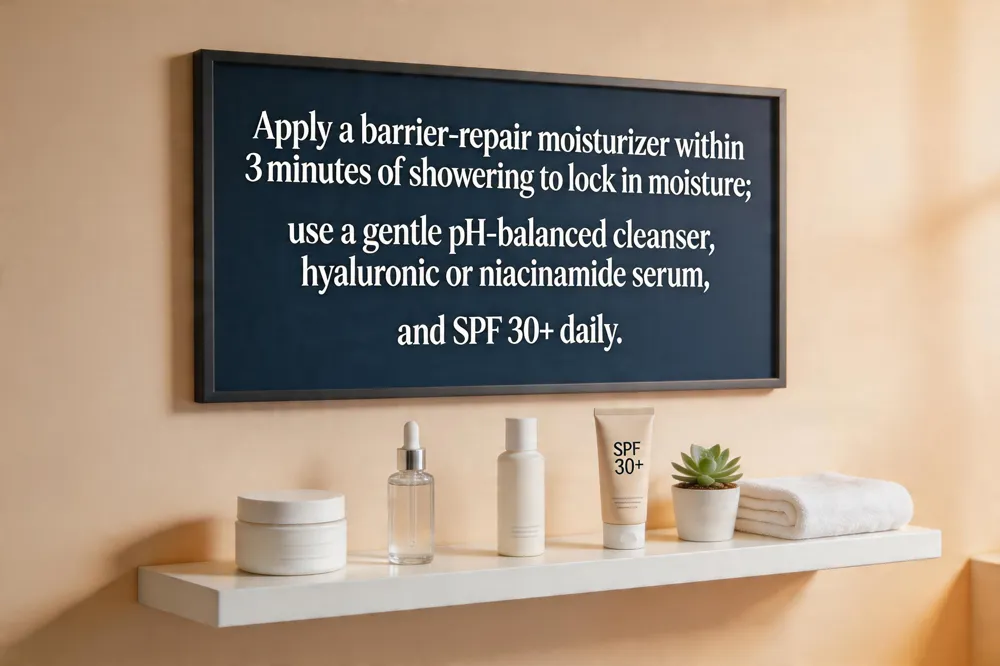 In Troy, Michigan the cold, dry air and indoor heating sharply lower ambient humidity, driving up transepidermal water loss (TEWL) and leaving the skin tight, flaky, and more reactive. The fastest way to counter this is the 3‑minute moisturizer rule – apply a barrier‑repair cream within three minutes of stepping out of a lukewarm shower while the skin is still damp. A rich, occlusive moisturizer that blends ceramides, hyaluronic acid, and squalane seals in water, restores the lipid barrier, and reduces TEWL.
Winter skincare basics – Choose a gentle, pH‑balanced cleanser that does not strip natural oils, follow with a hyaluronic‑acid or niacinamide serum, then lock in hydration with a thick cream or ointment. Finish with a broad‑spectrum SPF 30+ sunscreen; even snow‑reflected UV can damage the barrier and provoke hyperpigmentation.
Tightening facial skin – Hydration is the foundation, but for measurable firmness consider in‑office procedures such as radio‑frequency microneedling or laser resurfacing (fractional CO₂). These non‑invasive treatments stimulate collagen and elastin remodeling without surgery, and the reduced summer exposure in winter minimizes post‑procedure hyperpigmentation risk.
Best winter treatments – The clinic recommends HydraFacial or DiamondGlow for deep vortex‑fusion hydration, Mild chemical peels (lactic or mandelic acid) to renew turnover, IPL or BBL for pigment and redness, and radio‑frequency microneedling for long‑term tightening. All four are safe and downtime‑free, delivering plump, radiant skin throughout the cold months.
Spring Reset & Gentle Exfoliation
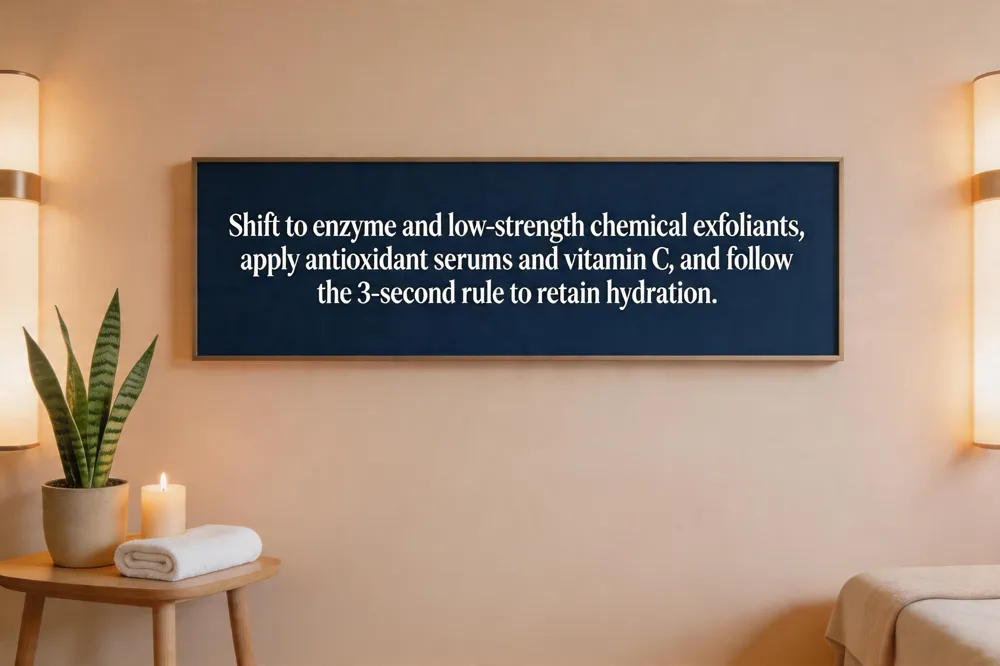 After a winter focused on barrier repair with ceramide‑rich creams and humidifier support, spring calls for a gentle shift toward brightening. Light enzyme exfoliants (papaya, pineapple) and low‑strength chemical peels (mandelic or lactic acid) remove the dead‑cell layer accumulated during cold months without compromising the newly‑restored lipid barrier. This preparatory resurfacing enhances the penetration of antioxidant serums and vitamin C, which are essential as UV exposure rises.
A quick practical tip: the 3‑second rule in skincare means you should apply your next product—serum, essence, or moisturizer—within about three seconds of completing your cleanse while the skin is still slightly damp. This rapid timing locks in moisture, prevents transepidermal water loss, and maximizes the efficacy of actives.
Finally, transition to a broad‑spectrum SPF 30+ sunscreen as a daily base, reapplying every two‑three hours outdoors, and consider adding a lightweight, oil‑free moisturizer with hyaluronic acid to keep the skin hydrated yet breathable for the sunny season.
Summer Skin‑Care Essentials
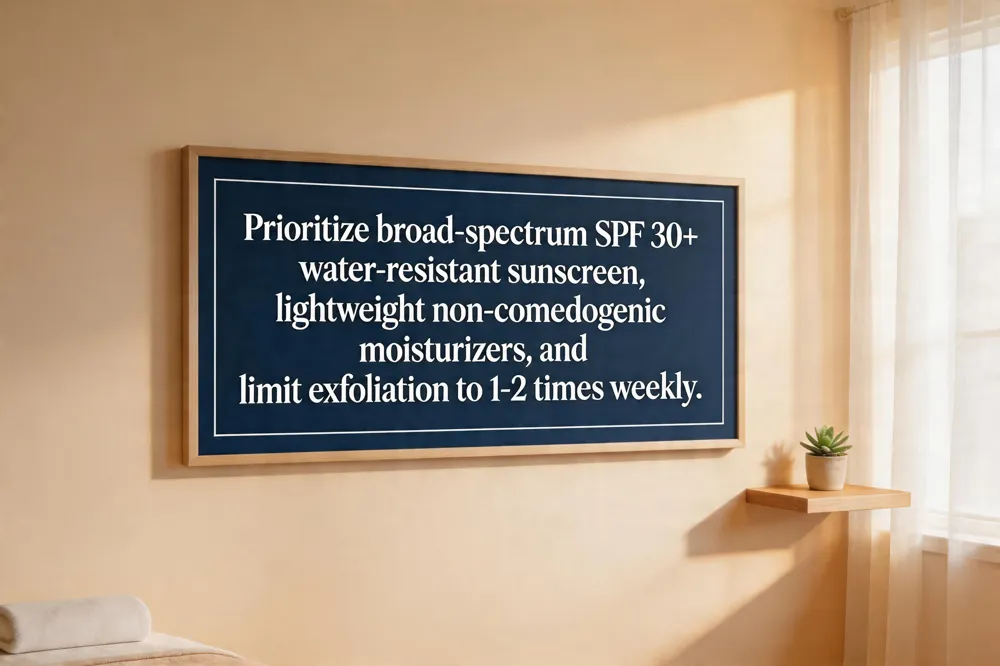 Broad‑spectrum SPF 30+ is the cornerstone of any summer regimen; apply it each morning, reapply every two hours, and choose water‑resistant, mineral‑based formulas for outdoor activities. Pair sunscreen with lightweight, non‑comedogenic moisturizers that contain hyaluronic acid, niacinamide, or squalane to lock in hydration without clogging pores. Dermatologists recommend a routine that starts with a gentle foaming cleanser, followed by a vitamin C antioxidant serum, the light moisturizer, and SPF in the morning; evenings should include double‑cleanse, a soothing niacinamide or hyaluronic‑acid serum, and an oil‑free night cream. Exfoliate only 1–2 times weekly using mild AHAs or enzyme masks to keep pores clear while avoiding over‑sensitization. Ingredients to avoid under strong UV exposure include photosensitizers such as retinoids, glycolic/lactic acids, salicylic acid, benzoyl peroxide, hydroquinone, and citrus‑based essential oils; these should be reserved for nighttime use with diligent sunscreen. The 1 % rule helps identify actives—ingredients listed above the 1 % line on a label are present at therapeutic levels, while those below support the formula without delivering a primary effect. This balanced approach protects against UV‑induced damage, controls oil, and maintains a hydrated, resilient skin barrier throughout the summer in Troy, Michigan.
Autumn Transition & Pre‑Winter Prep
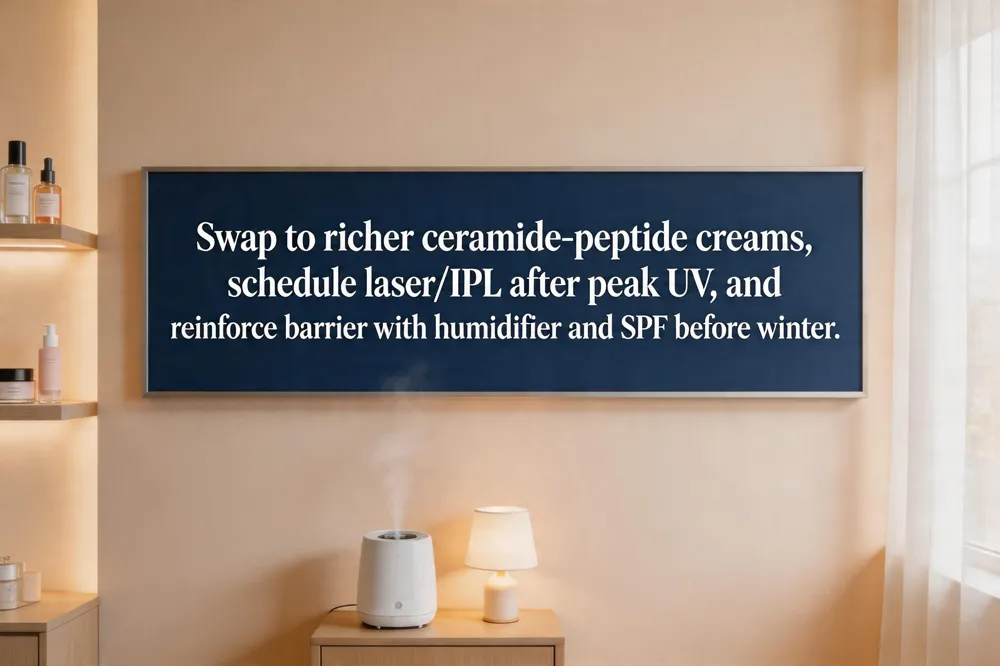 As humidity drops in Troy, Michigan, the skin barrier becomes more vulnerable, so it’s time to swap lightweight summer lotions for richer, ceramide‑ and peptide‑infused creams that lock in moisture and reinforce the lipid barrier. This seasonal shift also creates an optimal window for laser‑based resurfacing and IPL treatments; scheduling these procedures after the peak summer UV period (late summer to early autumn) minimizes the risk of post‑procedure hyper‑pigmentation while the skin’s natural repair mechanisms are still robust. Prior to winter, focus on barrier‑repair strategies—incorporate medical‑grade moisturizers with hyaluronic acid, ceramides, and antioxidants, use a humidifier indoors, and maintain diligent daily SPF 30+ application—to ensure the skin enters the dry months hydrated, resilient, and ready for any deeper rejuvenation work planned for the colder season.
Year‑Round Treatment Planning
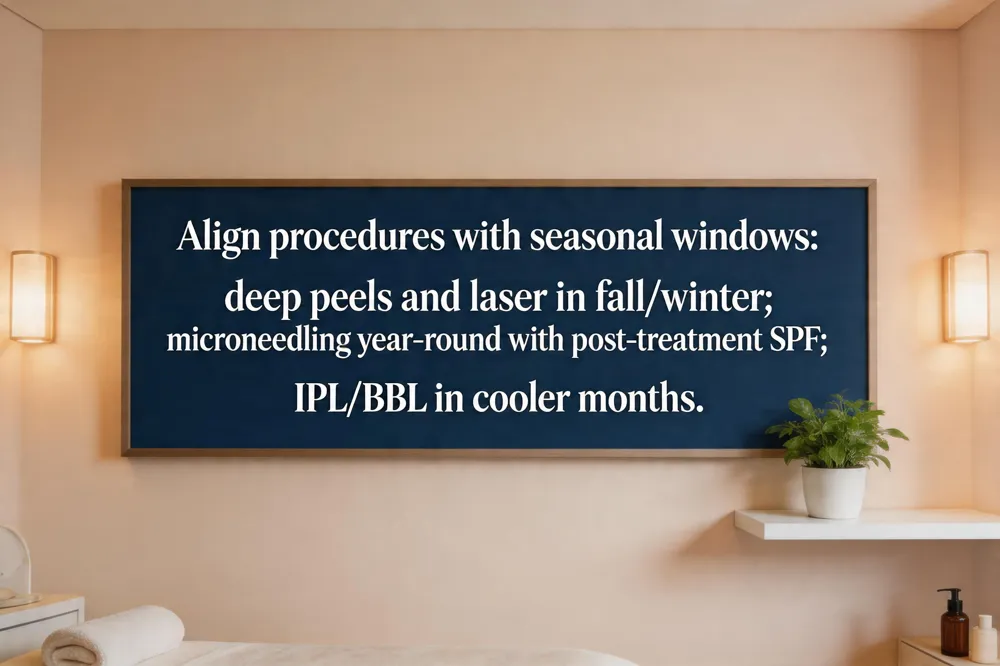 In the Midwest climate of Troy, Michigan, skin‑rejuvenation success hinges on aligning procedures with seasonal windows.
Summer’s high UV index and humidity favor lightweight, non‑comedogenic moisturizers, frequent SPF re‑application, and gentle cleansing, while winter’s low humidity and indoor heating demand richer, ceramide‑rich creams, humidifier use, and barrier‑repair serums.
Professional procedures are timed to these shifts. Deep‑depth chemical peels (e.g., TCA, glycolic acid) and fractional laser resurfacing are safest in fall and winter when sun exposure is minimal, reducing hyper‑pigmentation risk.
Microneedling, especially when combined with radio‑frequency or PRP, can be performed year‑round, but post‑treatment sunscreen is critical during summer months.
IPL photofacials and BBL are ideal in cooler seasons, allowing ample healing before UV‑intense periods.
Integrating in‑office care with at‑home regimens—such as using medical‑grade hyaluronic‑acid serums, antioxidant vitamin C, and ceramide moisturizers—enhances procedural outcomes and maintains barrier integrity across all seasons.
What are the most effective skin‑rejuvenation treatments? Top clinical options include chemical peels, IPL photofacials, laser skin resurfacing, and radio‑frequency microneedling; each targets texture, tone, and collagen production for a radiant complexion.
Practical Lifestyle Tips
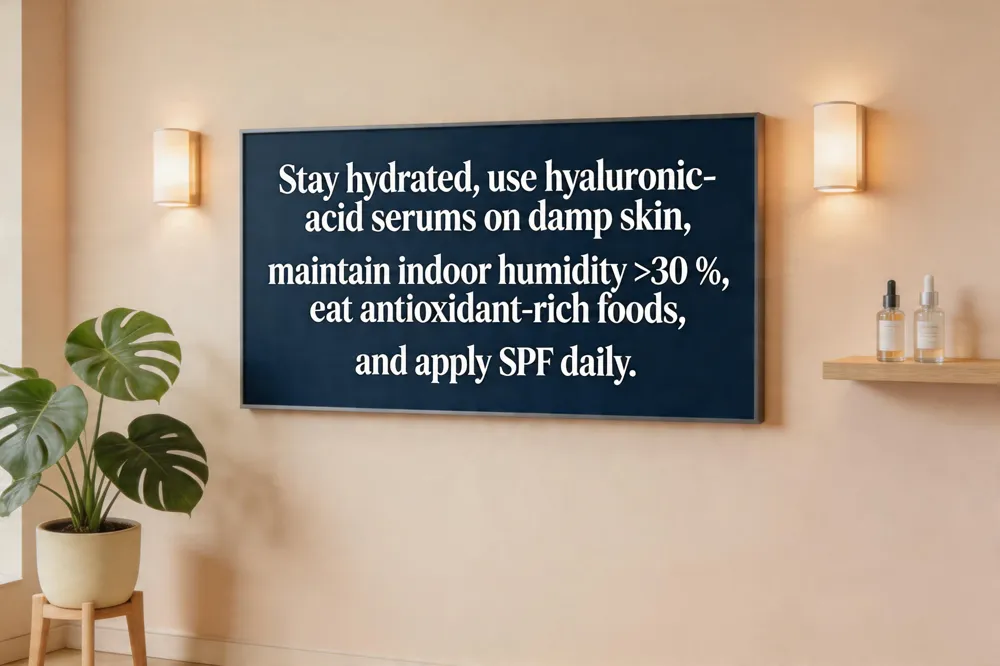 Maintaining optimal skin health between med‑spa visits begins with daily habits that reinforce barrier function and collagen resilience. Hydration is essential: drink at least 2 liters of water a day and apply hyaluronic‑acid serums to damp skin, then lock in moisture with a ceramide‑rich moisturizer. In Michigan’s dry winter months, use a humidifier to keep indoor humidity above 30 % and avoid long, hot showers that strip lipids. A balanced diet rich in omega‑3 fatty acids, vitamin C, and polyphenols supplies antioxidants that neutralize UV‑induced free radicals and support wound‑healing after procedures such as microneedling or laser resurfacing. Finally, broad‑spectrum SPF 30+ sunscreen should be applied every morning, re‑apply every two to three hours outdoors, and be layered under moisturizer to protect newly treated skin from photo‑damage year‑round.
Conclusion
Seasonal adaptation ensures optimal rejuvenation by aligning treatments with climate‑driven skin changes. In Troy, Michigan’s hot, humid summers and cold, dry winters, patients benefit from lightweight, antioxidant‑rich serums and daily SPF during summer, and from barrier‑repair moisturizers, hyaluronic‑acid infusions, and infrared LED or RF‑microneedling protocols in winter. Timing deeper peels, fractional laser resurfacing, and biostimulator injections for fall and winter reduces post‑procedure hyperpigmentation risk while maximizing collagen synthesis. Personalized care plans consider each client’s skin type, lifestyle, and local weather patterns, delivering safe, evidence‑based results. Schedule a consultation with our board‑certified team to create a year‑round rejuvenation roadmap tailored to your unique needs. Our state‑of‑the‑art facilities and FDA‑approved technologies guarantee both comfort and lasting improvement.