Introduction
Plasma Skin Regeneration (PSR) is a non‑ablative, minimally invasive technology that uses ionized nitrogen plasma to create precise micro‑thermal zones on the skin surface. By delivering controlled heat without direct contact, PSR triggers neocollagenesis and elastin remodeling, resulting in smoother texture, tighter skin, and restored elasticity. Premium aesthetic clinics are embracing PSR because it offers comparable rejuvenation to laser resurfacing while delivering significantly less downtime, a lower risk of pigmentary disturbances, and suitability for all Fitzpatrick skin types—including darker tones. Key benefits include robust collagen remodeling, a recovery period of only 3‑7 days, and the ability to treat fine lines, crow’s feet, acne scarring, and mild skin laxity without ablating the epidermis, making PSR a versatile, science‑backed option for patients seeking safe, personalized skin rejuvenation.
Understanding Plasma Skin Regeneration Technology
 Plasma skin regeneration (PSR) relies on ionized nitrogen plasma to create micro‑thermal zones that stimulate the skin’s natural healing cascade. A handheld device equipped with a 6 mm spot size is held roughly 5 mm from the skin and delivers pulsed energy ranging from 1 to 4 J per pulse. When the plasma arc contacts the epidermis, it sublimates a thin column of tissue (0.1–0.2 mm deep) while heating the superficial dermis, producing precise, non‑ablative injury without removing the epidermal basement membrane. This controlled damage triggers fibroblasts to produce new collagen, elastin, and hyaluronic acid, resulting in tighter, smoother skin over 3–6 months.
Plasma of‑rejuvenation machine – Professional‑grade PSR units (e.g., Portrait® PSR, Plasma Pen, Opus Plasma) generate a focused arc of ionized gas that creates microscopic columns of sublimated skin. The brief thermal insult initiates a wound‑healing response, prompting collagen and elastin synthesis without surgical incisions or ablative lasers. The arc’s depth is limited, preserving the epidermal dressing and minimizing downtime.
Does plasma regenerate skin? – Yes. By vaporizing the outermost epidermal cells and gently heating the underlying dermis, PSR activates a cascade of fibroblast activity that remodels the extracellular matrix. New collagen and elastin fibers improve firmness, texture, and pigment uniformity, delivering a regenerated appearance that continues to mature for up to a year.
Device specifications – The PSR handpiece uses an ultra‑high‑frequency RF generator to ionize nitrogen gas, producing a lilac‑to‑yellowafter glow. Energy per pulse is adjustable (1–4 J), with a 6 mm spot size and a typical distance of 5 mm from the skin. Low‑energy protocols (PSR1) require only topical anesthesia and yield 3–4 days of recovery, while high‑energy passes (PSR2/3) may need oral analgesics and 5–10 days of downtime.
Safety and FDA clearance – PSR devices are FDA‑cleared for facial resurfacing, fine‑line reduction, and mild to moderate skin laxity. The non‑ablative nature reduces the risk of pigmentary disturbances, making it suitable for Fitzpatrick skin types I‑VI. Common side effects are transient erythema, edema, and mild crusting that resolve within 5–10 days. Serious adverse events are rare, and the procedure is performed by board‑certified dermatologists or trained aesthetic physicians in a sterile medical setting.
Clinical Efficacy and Expected Results
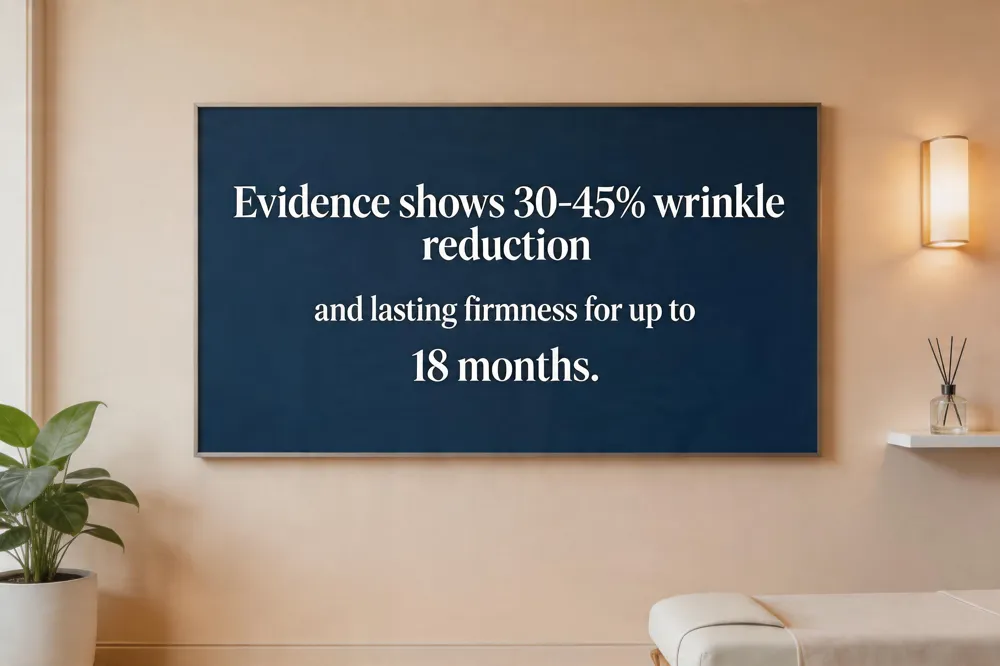 Key clinical study outcomes demonstrate that plasma skin regeneration (PSR) reliably reduces wrinkle depth by 30‑45 % and improves skin firmness scores by roughly 35‑40 % after a series of 3‑5 sessions (PMID: 18789051, Bogle et al. 2007). Histologic analyses consistently reveal a 72 µm increase in neocollagenesis and thickening of the collagen band at the dermal‑epidermal junction, translating to measurable gains in dermal thickness and elasticity.
Healing follows a predictable timeline: transient erythema, edema and a mild crusting phase resolve within 5‑7 days; collagen remodeling continues for 4‑6 weeks, with peak firmness and texture improvements appearing at 3‑6 months. Longevity extends up to 12‑18 months, after which maintenance protocols—typically 1‑2 touch‑up PSR sessions spaced 12‑18 months apart—help sustain the rejuvenated appearance.
Does plasma skin resurfacing work? Yes. Controlled micro‑thermal zones stimulate fibroblasts, yielding tighter, smoother skin with visible improvements in fine lines, texture and tone within weeks and continued collagen maturation for up to a year.
How long does plasma skin tightening last? Initial tightening appears within the first few weeks; most patients maintain firmer skin for 2‑3 years, with optimal maintenance (sun protection, moisturizers, periodic PSR) extending results toward 5 years.
What is advanced skin rejuvenation? It is a medically guided, multi‑modal strategy that combines technologies such as PSR, laser resurfacing, RF tightening, microneedling, IPL and PRP to activate deep‑layer collagen and elastin synthesis, addressing fine lines, laxity, pigmentation and scarring for a comprehensive, long‑lasting youthful complexion.
Cost Considerations in Troy, Michigan
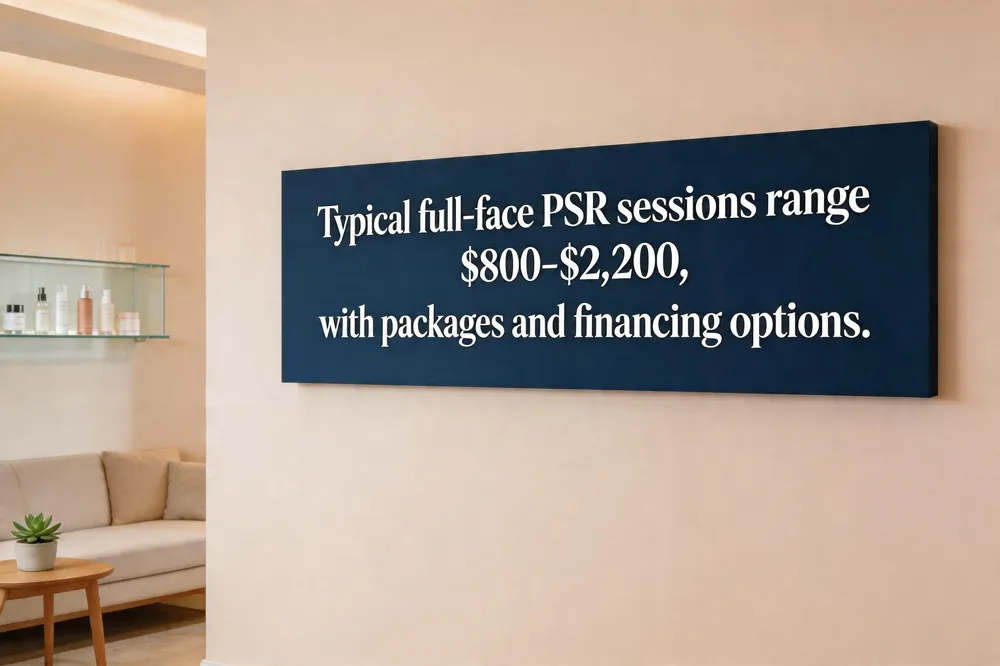 When planning a non‑invasive rejuvenation regimen in Troy, Michigan, understanding the price landscape helps you balance expectations with budget.
Plasma skin tightening – A full‑face J‑plasma session typically ranges from $800 to $2,200, depending on provider expertise, the number of passes, and any adjunctive services such as BioRePeel. Individual facial sessions start around $300‑$350, while a three‑session package lowers the per‑session cost to $250‑$280; larger bundles (six‑to‑eight treatments) can total $1,500‑$2,100. Neck‑only or décolletage work costs $400‑$800, and body areas (abdomen, thighs, arms) fall between $800‑$1,200 per zone.
Plasma resurfacing – In Troy, a full‑face resurfacing procedure is priced between $1,200 and $2,800 per session. Prices vary with technology (low‑energy PSR1 versus high‑energy PSR2/3), treatment area size, and any additional anesthesia or facility fees.
Platelet‑rich plasma (PRP) – PRP injections in Michigan generally cost $500‑$2,000 per session. A typical course of three to four sessions runs $1,500‑$5,000 overall; many clinics offer financing (e.g., CareCredit) and package discounts.
Comparative costs – Chemical peels ($150‑$400), microneedling ($200‑$600), and laser resurfacing ($697‑$3,000) sit below plasma‑based treatments, but the latter often deliver deeper collagen remodeling with fewer sessions.
Factors influencing cost – Energy level (low‑ versus high‑energy), number of passes, and adjunctive therapies (PRP, fillers, topical retinoids) can increase the total price. Personalized treatment plans after a complimentary consultation determine the final investment, and many Troy clinics provide package discounts or flexible financing to make advanced rejuvenation more accessible.
Safety Profile, Side Effects, and Contraindications
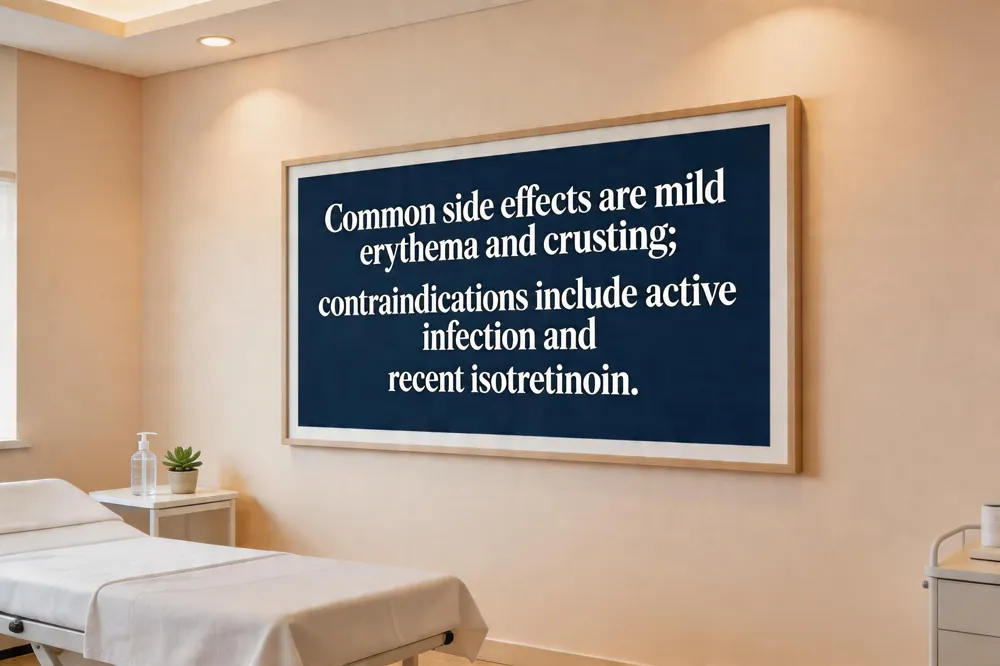 Plasma Skin Regeneration (PSR) is generally well‑tolerated, but patients should expect typical short‑term reactions such as transient erythema, mild edema, and a superficial crusting layer that resolve within 5‑10 days. A brief tingling or warm sensation may be felt during the plasma spark, and topical anesthesia is usually sufficient for low‑energy protocols (PSR1).
Rare complications include temporary hyper‑ or hypopigmentation, superficial scarring, or infection—events that are uncommon when treatment is performed by a board‑certified provider using sterile technique.
NeoGen plasma specific downsides – NeoGen’s nitrogen plasma delivers controlled thermal injury without ablating the epidermis, yet higher‑energy passes can produce a few days of downtime, occasional pigmentary changes, and, in rare cases, superficial burns. The protocol requires multiple sessions (2‑4) for optimal collagen remodeling, adding to cost and time commitment.
Patient selection and contraindications – Ideal candidates are adults with early photo‑aging, Fitzpatrick skin types I‑VI, and no active infections, uncontrolled diabetes, recent isotretinoin use (within 6‑12 months), or severe acne/rosacea in the treatment zone.
Q&A
- What are the downsides of NeoGen plasma? The main downsides are short‑term redness, swelling, possible pigment variation, and the need for several sessions; rare hyperpigmentation or superficial scarring may occur.
- Is plasma skin tightening worth it? For patients seeking a non‑surgical lift with minimal downtime (≈7‑10 days) and who are good candidates (lighter‑to‑medium skin, modest wrinkles), the collagen‑stimulating benefits often outweigh the modest risks.
- Plasma skin treatment side effects – Typical side effects are mild swelling, redness, and pinpoint crusts resolving in 7‑10 days; uncommon issues include temporary pigment changes or superficial scarring, while infection or deep tissue damage are rare.
Integrating Plasma Regeneration with Complementary Modalities
 PRP treatment for face side effects
Platelet‑rich plasma (PRP) injections are generally well‑tolerated. Most patients notice mild bruising, swelling, redness, and a transient tightness that resolve within 48–72 hours. Rare complications include infection, nodular formation, or vascular occlusion; prompt reporting to the treating physician is essential.
Skin rejuvenation techniques for face
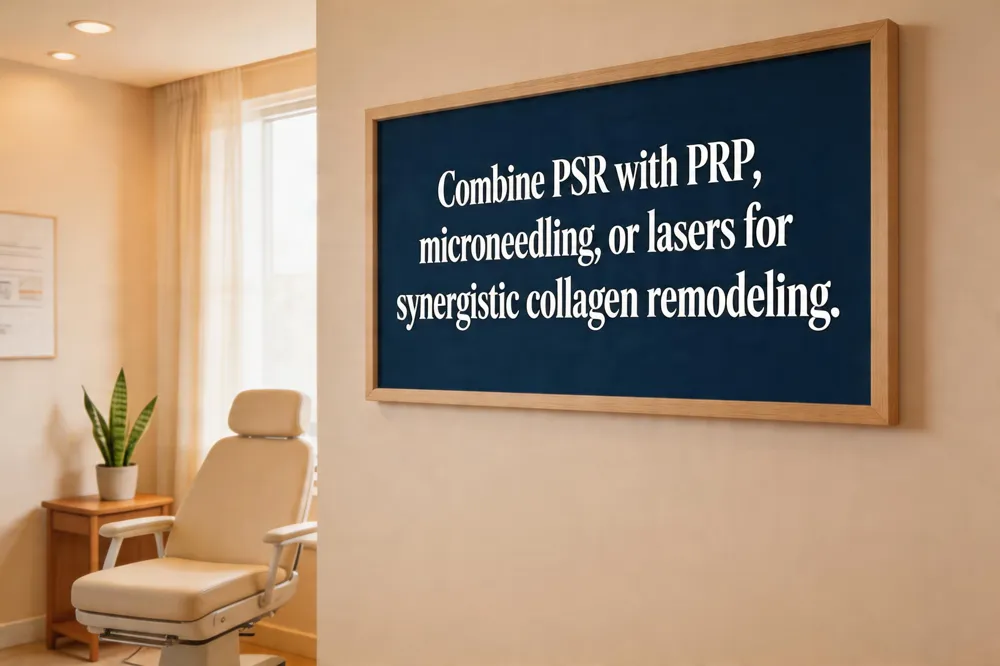
PSR can be paired with microneedling, hyaluronic‑acid fillers, and non‑ablative lasers (e.g., IPL or Moxi) to address texture, pigmentation, and volume loss. Microneedling creates micro‑channels that enhance PRP or topical agent penetration, while fillers restore lost volume and neuromodulators relax dynamic lines.
Skin rejuvenation techniques for wrinkles
For wrinkle reduction, high‑energy PSR passes (PSR2/3) are complemented by radio‑frequency tightening or fractional laser resurfacing. The combined thermal and micro‑injury stimulus amplifies neocollagenesis, yielding 30‑45 % depth reduction and increased firmness.
Best skin rejuvenation techniques
A customized protocol—low‑energy PSR1 for superficial fine lines, followed by a single high‑energy PSR2 session, PRP microneedling, and targeted filler placement—delivers synergistic collagen remodeling while minimizing downtime.
Skin rejuvenation benefits
Integrated PSR‑based regimens improve skin firmness, elasticity, and tone; reduce fine lines, acne scarring, and hyperpigmentation; and produce a smoother, more radiant complexion that can last 12‑18 months with proper maintenance and sun protection.
Choosing the Right Provider in Troy
 When selecting a plasma‑skin‑resurfacing specialist in Troy, Michigan, prioritize board‑certified dermatologists or plastic surgeons who have formal training in plasma technology. Clinics such as Tri‑County Medical Clinic (Subnovii Plasma Pen) and L’Atelier MedSpa offer FDA‑cleared devices and employ clinicians with extensive experience in PSR. A thorough patient assessment—reviewing medical history, Fitzpatrick skin type, and specific concerns—allows the provider to design a personalized treatment plan, choosing the appropriate protocol (low‑energy PSR1, single‑pass PSR2, or dual‑pass PSR3 and adjunctive therapies like PRP or fillers. Safety is ensured through sterile technique, topical anesthesia when needed, and post‑procedure care that includes sunscreen, gentle moisturizers, and monitoring for erythema or crusting. For top‑quality plasma skin resurfacing in Troy, the Subnovii Plasma Pen at Tri‑County Medical Clinic delivers precise low‑frequency plasma energy for fine‑line reduction, texture improvement, and collagen remodeling, while L’Atelier MedSpa offers fractional plasma for tighter, smoother skin with minimal downtime. Choosing a certified, experienced clinic guarantees safe, effective results and a smoother, more radiant complexion.
Conclusion
Plasma skin regeneration (PSR) has emerged as a cornerstone of contemporary facial rejuvenation, offering a non‑ablative, minimally invasive alternative that delivers controlled micro‑thermal injury to stimulate neocollagenesis and elastin remodeling. Clinical data consistently demonstrate 30‑50 % reductions in fine‑line depth, measurable improvements in skin firmness, and a favorable safety profile with only transient erythema, edema, and brief crusting that resolve within 5‑7 days. Because PSR does not rely on melanin absorption, it is safe for all Fitzpatrick skin types, especially III‑VI, and carries a lower risk of post‑inflammatory hyperpigmentation compared with ablative lasers. The longevity of results—collagen remodeling continues for up to 12‑18 months—makes PSR a durable option when combined with adjunctive therapies such as PRP or fillers. Prospective patients in Troy are encouraged to schedule a personalized consultation at a premium, board‑certified clinic to assess candidacy, tailor energy protocols (PSR1‑3), and develop a comprehensive rejuvenation plan that aligns with their aesthetic goals.