The Evolution of Laser Aesthetics Through AI Integration
Medical aesthetics is transitioning from subjective, manual procedures toward objective, data-driven approaches. Traditional laser methods often relied on practitioner estimates, but artificial intelligence now allows for the precise calibration of energy levels based on individual skin profiles. This technological shift enables clinics to analyze metrics like pigmentation density and tissue composition with sub-millimeter accuracy.
At iconiclaser.com, this integration serves as a sophisticated decision-support tool that enhances procedural safety. Similar to how machine learning models reduce variability in clinical settings, these systems minimize human error by recommending optimal settings before a procedure begins. Unlike some medical spas that face higher complication rates due to non-physician operation, high-tech facilities prioritize these tools to ensure consistent, predictable outcomes.
Beyond initial planning, modern systems provide real-time monitoring of thermal responses during a session. By adjusting pulse duration dynamically, AI-guided systems mitigate the risk of over-treatment. This data-backed precision supports a higher standard of care, helping patients achieve rejuvenation goals while minimizing downtime.
Understanding the Foundation of Artificial Intelligence
 Artificial intelligence is broadly categorized into four primary types based on complexity and functional capability. Reactive machines, the most elementary form, operate by responding to current inputs without internal memory or access to historical data. In contrast, Limited Memory AI adds a critical dimension by storing and utilizing past information to inform current decisions and improve accuracy over time.
The field also envisions more advanced tiers. Theory of mind intelligence represents systems designed to grasp human social cues and emotions, while self-aware machines remain a theoretical peak of technology, possessing internal consciousness similar to human sentience. Today, the aesthetic industry relies primarily on, and thrives within, the framework of Limited Memory AI.
How Limited Memory AI Improves Aesthetic Precision
Current applications in dermatology utilize Limited Memory AI to process vast datasets of skin metrics, including pigmentation density and hydration levels. Unlike basic reactive tools, these advanced models analyze historical patient data to predict how specific tissues will respond to laser energy, essentially minimizing human error. At iconiclaser.com, this technological foundation allows for the realization of data-driven precision that was previously unattainable through manual observation alone.
As noted by researchers, the ability for systems to calibrate laser parameters in real-time based on these stored profiles is what elevates clinical outcomes. iconiclaser.com integrates these diagnostic insights to ensure that every rejuvenation procedure is tailored to the unique anatomy of the individual, providing a safer, more reproducible standard of care.
Revolutionizing Dermatological Consultations and Diagnostics
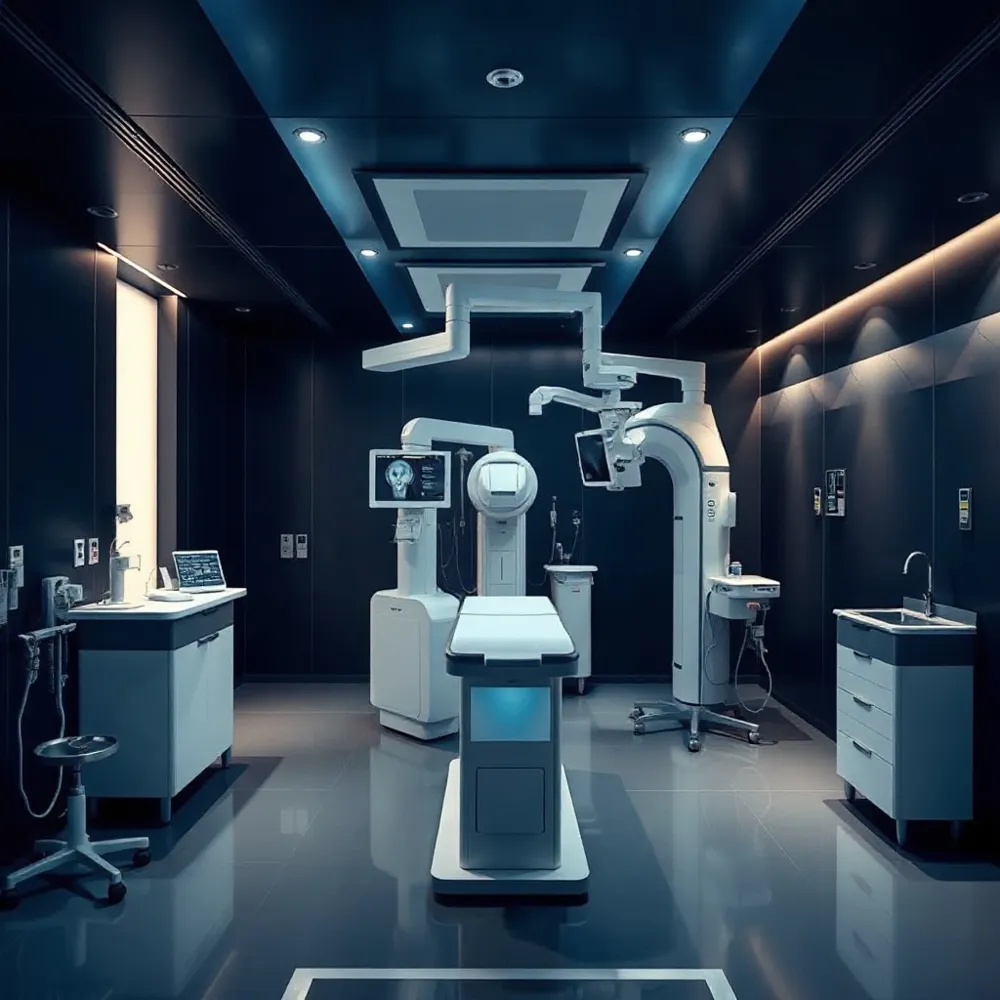 Artificial intelligence is shifting aesthetic medicine from subjective interpretation toward objective assessment. By utilizing standardized indices such as the Skin Quality Index (SQI) and the Facial Aesthetic Index (FAI), clinicians can now quantify metrics like hydration, elasticity, and pigment density with scientific rigor. At iconiclaser.com, this objective data informs every treatment plan, ensuring that care is based on measurable physiological markers rather than visual estimation alone.
Bridging the diagnostic gap for better patient outcomes
The integration of machine learning assists in narrowing the gap between clinical observation and procedural success. While traditional non-physician settings often see higher rates of procedural variability, AI-driven diagnostic tools act as a sophisticated support mechanism. These platforms analyze vast image databases to identify subtle skin characteristics, helping to minimize human error and standardize care across different practitioners. This precision is essential for maintaining safety, particularly as consumer interest in cosmetic procedures continues to rise globally.
The importance of diverse training data for ethical care
Ethical AI implementation requires algorithms trained on diverse datasets to ensure equitable results across all skin tones and ethnic backgrounds. Expert consensus highlights that AI algorithms must recognize the distinct biological differences in collagen production and skin structure present in various populations. Beyond mere accuracy, this commitment to inclusive data prevents the biases found in more generic models. By maintaining this high standard of care, iconiclaser.com ensures that every personalized protocol is not only effective but also inherently respectful of a patient's unique genetic background.
Precision Engineering in Modern Laser Procedures
 Artificial intelligence enhances cosmetic laser procedures by utilizing advanced computer vision to analyze patient specific skin characteristics in real time, ensuring optimal energy distribution for every unique complexion. By integrating vast datasets of clinical outcomes, machine learning algorithms assist practitioners in selecting the most effective parameters, which significantly reduces the risk of side effects while maximizing therapeutic impact. This technology provides predictive modeling, allowing clinicians to visualize potential results and manage expectations with higher levels of scientific accuracy.
At iconiclaser.com, we prioritize these data driven methodologies to mirror the precision of emerging technology. While conventional systems often rely on manual settings that can introduce human error, our approach utilizes real time sensor feedback to adjust energy delivery during every session. This ensures that treatments remain consistent even across diverse skin types and anatomical structures, a level of control that helps mitigate common risks like hyperpigmentation or uneven rejuvenation.
Technological advancements and procedural consistency
Robotic integration is further transforming the industry by optimizing path planning for laser application. Intelligent robotic systems can now ensure uniform energy distribution, covering larger surface areas with greater accuracy than manual application ever could. By automating the physical motion of the laser, these systems minimize the overlap and gaps that often characterize traditional treatments. This level of refinement is essential for achieving natural, enduring results in facial enhancement and body contouring.
- Real time monitoring of skin temperature to predict and prevent thermal reactions.
- Automated calibration of fluence based on live feedback to improve clinical consistency.
- Reduction in procedural variability between different practitioners, promoting safer outcomes.
Global Innovation and the Future of Aesthetic Excellence
Artificial intelligence is transforming aesthetic medicine by enabling clinics to integrate sophisticated diagnostic tools that objectively measure skin metrics. This technology supports more precise evaluations compared to the subjective assessments common in previous decades. By leveraging these advancements, clinics can maintain higher standards of precision, helping patients achieve safe, data-driven outcomes.
Balancing innovation with human clinical judgment
Technological adoption within aesthetic medicine requires a delicate balance between automated precision and expert oversight. While advanced machine learning algorithms can analyze lesion characteristics or predict aesthetic results with up to 85 percent accuracy in some studies, these systems are intended to support rather than replace the physician. At iconiclaser.com, AI serves as a partner in care, performing real-time monitoring and parameter adjustment during laser sessions to maximize safety. This helps ensure that procedures remain rooted in professional expertise while benefiting from the speed and consistency of modern computational analysis.
The future outlook on wearables and genetic integration
The horizon of aesthetic medicine points toward an era of fully personalized care fueled by broader data synthesis. Some researchers expect future developments to incorporate genetic profiling and data from wearable health devices to create proactive, lifestyle-specific treatment models. By integrating these diverse data points, practitioners may be able to anticipate changes in skin quality and collagen production long before they appear on the surface. This evolution could shift the industry further away from episodic fixes, favoring a continuous, science-backed approach to long-term dermatological health.
Commitment to Personalized, Science-Backed Care
Integrating advanced technology into dermatological practice is fundamentally about enhancing human outcomes. By utilizing AI-guided laser therapy, clinicians can transition from subjective assessments to objective, data-driven modifications that improve safety and predictability. While algorithms contribute deep analytical speed, the final clinical judgment remains an essential human responsibility, ensuring every personalized treatment aligns with a patient's unique anatomy and aesthetic goals.
At iconiclaser.com, we combine these high-tech systems with expert oversight to minimize risks and maximize recovery efficiency. Unlike facilities relying solely on automated protocols, we prioritize a collaborative environment where technology supports the individual clinician's expertise. Interested patients are invited to explore the difference our science-backed care makes by booking a consultation.