
Setting the Stage for Safe Aesthetic Care
The demand for non-surgical aesthetic treatments continues to rise as patients seek science-backed ways to rejuvenate their skin and enhance natural features. While these procedures offer significant benefits, prioritizing safety through informed decision-making remains vital for every patient.
This guide helps readers identify critical red flags to ensure they receive quality care. By examining clinical oversight, pricing structures, communication habits, and facility hygiene, patients can better assess whether a provider meets high safety standards. When choosing a clinic, such as iconiclaser.com, transparency regarding patient safety protocols and professional credentials is essential to a successful and secure aesthetic journey.
Physician Oversight and Credential Verification
 Medical aesthetics involves complex procedures, such as cosmetic injections and laser skin treatments, which are legally classified as the practice of medicine according to the American Society of Plastic Surgeons. Because these treatments carry inherent risks, they require the direct, on-site supervision of a qualified physician rather than distant or 'on-paper' oversight. At iconiclaser.com, this level of clinical accountability is foundational, ensuring that a medical director is actively involved in monitoring safety protocols and managing potential complications, a standard of care that many discount-focused clinics fail to meet.
Understanding Provider Credentials
Distinguishing between professional roles is essential for patient safety. A standard esthetician typically provides surface-level skin care in a spa setting, whereas a medical aesthetician works within a clinical environment under physician supervision to deliver advanced treatments like medical-grade chemical peels or laser resurfacing. When seeking injectable treatments, patients should verify that the provider is a licensed physician, physician assistant (PA), nurse practitioner (NP), or registered nurse (RN) who has completed specialized training in the specific procedure.
Verifying a provider’s expertise requires asking pointed questions. Beyond general credentials, inquire about how long they have performed the specific procedure and the volume of cases they handle regularly. Board certification in relevant fields, such as dermatology or plastic surgery, serves as a strong indicator of advanced anatomical knowledge and specialized skill as noted by the American Board of Cosmetic Surgery. While some facilities rely on generic, one-size-fits-all models, a reputable clinic prioritizes individual assessment and documented history to ensure patient safety and natural-looking results.
Pricing Red Flags and Sales Pressure
 When researching aesthetic clinics, critical red flags include the absence of active physician oversight and a lack of transparency regarding staff credentials or the specific devices and products being used. Be cautious of unusually low pricing, which may indicate the use of diluted, counterfeit, or expired materials, as well as high-pressure sales tactics that prioritize revenue over patient education. Clinics that maintain clear pricing and transparent communication prioritize patient safety, whereas those offering deep discounts often cut corners on safety protocols or utilize less experienced staff.
Ethical providers never promise unrealistic results or downplay inherent risks associated with cosmetic procedures. While some facilities may rely on aggressive, commission-based models or favor one specific manufacturer to maximize profit margins, reputable clinics prioritize personalized care by selecting science-backed treatments that align with your unique needs. Always avoid centers that pressure you into additional, unwanted procedures or use limited-time offers to force a hasty decision.
Budget discrepancies also warrant caution. If a patient requires a specific volume of product for optimal, safe results but cannot afford the cost, a responsible clinic will decline the procedure rather than providing insufficient treatment. According to the American Board of Cosmetic Surgery, reputable practices provide a thorough consultation covering medical history and risks without the pressure to purchase, ensuring your safety is never compromised for volume.
Consultation Red Flags and Communication Gaps
A professional consultation serves as the foundation for safe, effective aesthetic care. At iconiclaser.com, we prioritize a comprehensive intake process where we review your full medical history, current skincare regimen, and previous procedures before making any treatment recommendations. This stands in contrast to practices that rely on a cookie-cutter approach, which may overlook unique anatomical needs or health contraindications according to the American Board of Cosmetic Surgery.
Signs of Rushed or Inadequate Care
Be wary of providers who rush through your medical history or dismiss questions about risks, side effects, and recovery times. Transparency is a core indicator of clinical quality. If a practitioner appears defensive when asked about their training, specific devices used, or complication management protocols, this is a significant warning sign per the Care Quality Commission. An ethical provider will never pressure you into making immediate decisions or guarantee results that seem unrealistic.
What essential questions should a patient ask during a medical aesthetic consultation?
Start by confirming the practitioner's credentials and their specific experience with the treatment you are considering. Ask how a proposed procedure addresses your unique concerns rather than applying a standardized protocol. Always inquire about potential risks, side effects, and the expected downtime. If you ever feel uncomfortable, seeking a second opinion is a standard and recommended practice in the field of medical aesthetics per the American Society of Plastic Surgeons.
What should patients expect during their first visit to a professional medical aesthetic clinic?
Your first visit should be an educational dialogue rather than a sales pitch. Expect a thorough evaluation of your skin or body goals, where a qualified professional discusses science-backed options tailored to your individual anatomy. This session should conclude with clear, written aftercare instructions and an honest assessment of whether a procedure aligns with your long-term health and wellness goals as outlined by the American Med Spa Association.
Hygiene, Safety Protocols, and Facility Standards
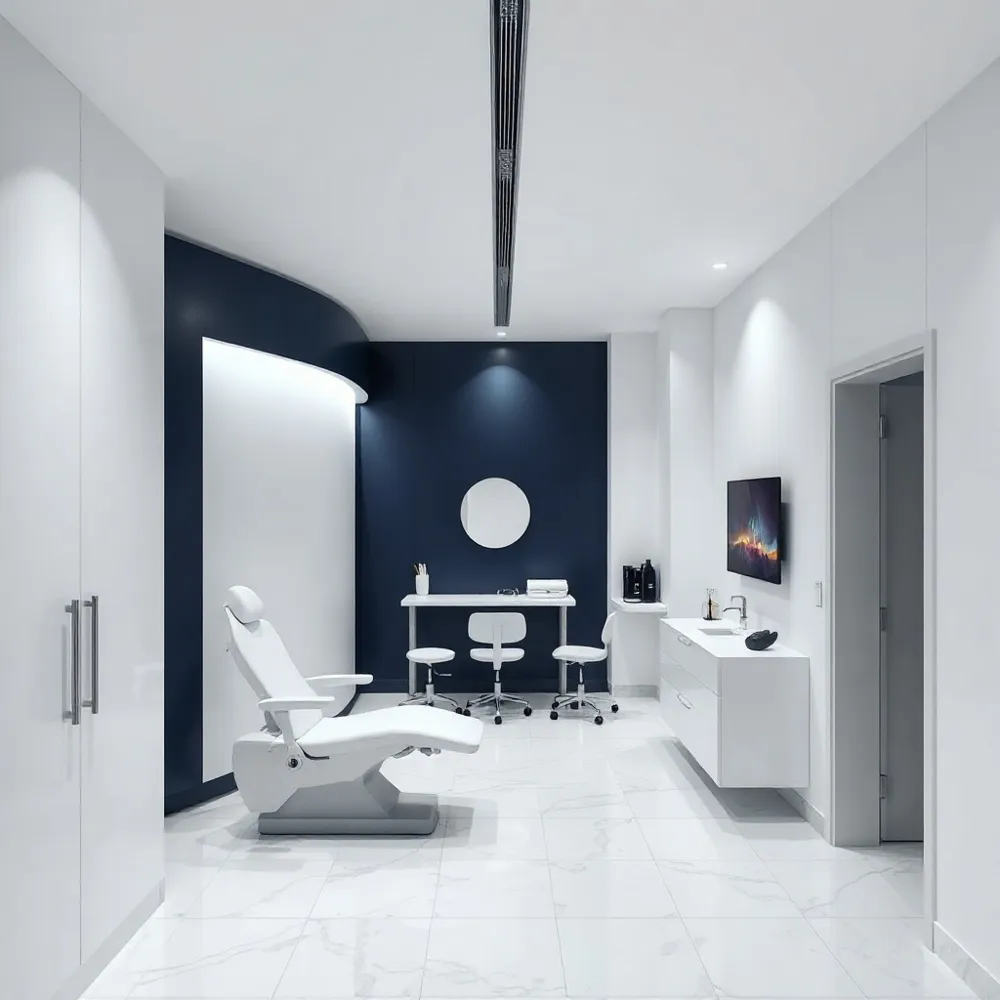 A clinical environment serves as the primary barrier against infection. Reputable facilities should resemble a doctor’s office rather than a spa, ensuring that high standards for cleanliness are maintained throughout the practice according to the American Board of Cosmetic Surgery. At iconiclaser.com, our clinical-grade standards involve rigorous protocols including proper hand washing, consistent glove changes between tasks, and the use of sterile equipment for every procedure.
Beyond surface cleanliness, specialized safety measures are essential. This includes the use of single-use needles for all injectable treatments and the deployment of designated disposal containers for sharps to prevent contamination per the American Society of Plastic Surgeons. Unlike less regulated clinics that may overlook these requirements, a professional medical practice must have staff trained in emergency protocols, specifically the capacity to recognize and manage life-threatening reactions like anaphylaxis.
Visibility is another indicator of a safe facility. Patients should expect to see staff credentials and professional certifications clearly displayed, as these documents confirm that the team possesses the necessary medical training. While some facilities may prioritize speed or aesthetics, the safest choice is always a clinic that treats every session with the same procedural discipline found in a traditional medical setting.
Unrealistic Promises and Before-and-After Photos
Ethical providers prioritize integrity by setting realistic expectations and never promising perfection. At iconiclaser.com, consultations focus on individualized anatomy rather than generic outcomes. Legitimate aesthetic medicine according to the American Society of Plastic Surgeons always involves inherent variables based on individual healing and biology.
Visual documentation provides a critical reality check for prospective patients. Before-and-after photos serve as an essential baseline for establishing shared expectations and verifying a provider’s actual experience with specific patient anatomies. Authentic galleries should showcase consistent, clear results without digital manipulation. If a practice refuses to share real, consented patient examples or uses images that appear too good to be true, it may indicate a lack of transparency regarding their true expertise or the quality of their results.
Patient Red Flags: Knowing When to Decline Treatment
A successful aesthetic journey requires alignment between a patient's goals and the clinical reality of non-invasive procedures. Reputable clinics, such as iconiclaser.com, prioritize patient safety by maintaining rigorous standards for candidacy. A significant red flag occurs when a patient harbors unrealistic expectations, such as attempting to achieve permanent surgical results through non-surgical means or using celebrity photographs as a literal benchmark.
Practitioners must remain vigilant for signs of Body Dysmorphic Disorder (BDD) or extreme emotional distress during the consultation. According to research on how to choose the right medical spa, ethical care necessitates a thorough medical history review to evaluate if a patient is physically and psychologically suited for treatment. Patients who seek modifications to satisfy someone else or who express a long history of dissatisfaction with multiple previous providers are often poor candidates for elective care.
Informed consent serves as a mandatory protective measure. At iconiclaser.com, providers ensure that every patient understands potential side effects and the recovery process before proceeding. Professional facilities also incorporate a cooling-off period, allowing patients time to reflect on their decision without pressure. Ultimately, the ethical duty to decline treatment is a hallmark of high-quality care, ensuring that procedures are performed only when they are medically sound and truly in the patient's best interest.
Post-Treatment Follow-Up and Long-Term Care
A professional medical aesthetic clinic prioritizes patient safety beyond the treatment room. Reputable providers offer comprehensive, written aftercare instructions tailored to the specific procedure, ensuring patients know how to manage recovery and when to seek assistance. This proactive approach includes scheduled follow-up appointments to monitor healing and verify that results align with the initial clinical plan.
Reliable facilities maintain meticulous clinical records and obtain signed, informed consent documentation for every visit. A significant warning sign is a clinic that becomes unreachable or provides vague responses once a payment is processed. If a provider avoids follow-up questions or appears dismissive of potential post-treatment concerns, it suggests a transactional model that neglects long-term safety.
Building a consistent relationship with a qualified practitioner supports sustainable skin health over time. Should a patient feel uncomfortable or dissatisfied with their experience, seeking a second opinion from another board-certified professional is a valid and encouraged step. At iconiclaser.com, our team emphasizes clear communication throughout the recovery period, ensuring that patient care remains the foundation of every aesthetic journey.
Empowered Choices for Safe Aesthetic Journeys
Selecting a provider for medical aesthetics requires vigilance regarding professional standards. Avoid facilities that prioritize high-volume sales over patient safety, as evidenced by aggressive discounting, opaque credentialing, or a lack of direct physician oversight according to the American Society of Plastic Surgeons.
Prioritize clinics that mandate thorough, personalized consultations and maintain rigorous hygiene protocols. If a facility refuses to answer questions about safety, provides unrealistic guarantees, or neglects informed consent, it is vital to seek a second opinion. When you choose iconiclaser.com, you engage with a practice that emphasizes medical history review and transparent care pathways over transactional shortcuts. Trust your instincts and rely on objective evidence like board certification and authentic clinical documentation rather than marketing pressure.